McAlister’s Deli has announced the return of its annual Free Tea Day, scheduled for July 16, allowing customers to receive a complimentary 32-ounce beverage at participating locations nationwide. The promotion, which requires no purchase, serves as a significant cornerstone of the company’s summer marketing strategy and aims to provide relief to consumers facing record-breaking summer temperatures and fluctuating environmental conditions.
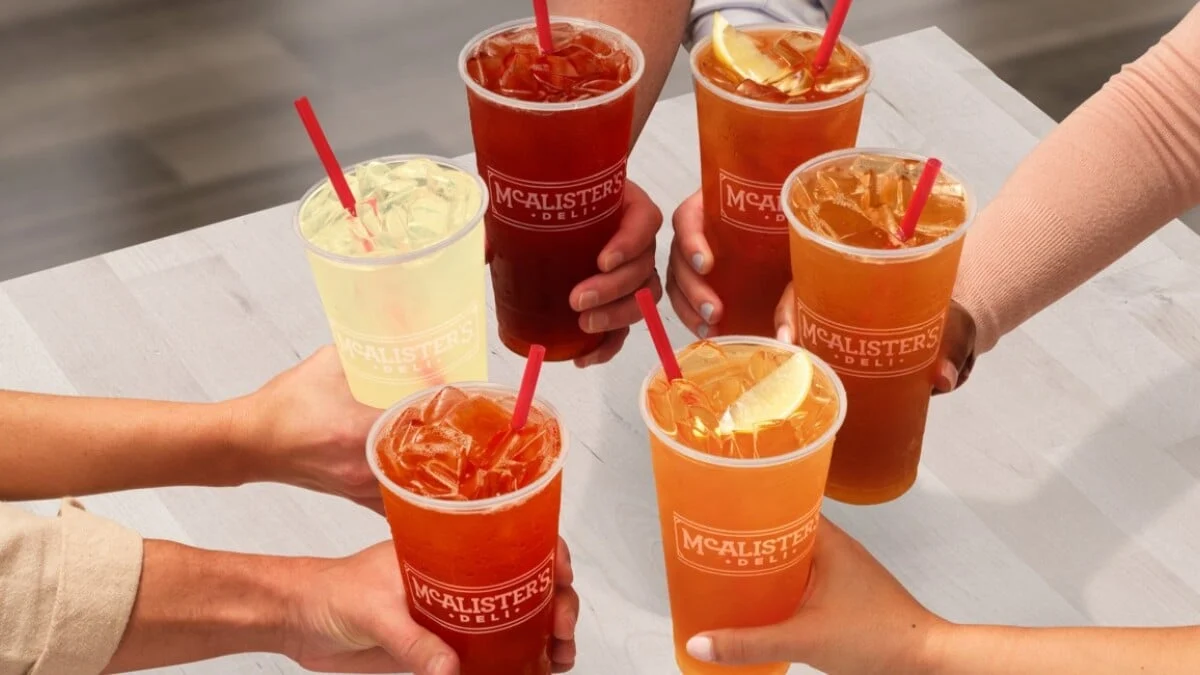
The fast-casual chain confirmed that the offer extends to its signature "Big Tea" selection, which includes a variety of options such as sweetened and unsweetened black tea, tea-lemonade mixtures, and flavored infusions. For those seeking additional customization, the company is including one complimentary flavor shot per beverage, allowing patrons to tailor their drinks with options like peach, raspberry, or mango. The event is structured to accommodate both in-person diners and digital users, though specific quantity limits vary depending on the method of order.
In-store visitors are eligible for one free tea per person, while customers utilizing the McAlister’s Deli mobile app or website can claim up to four free teas per order. This multi-channel approach highlights the brand’s ongoing efforts to integrate digital convenience with traditional brick-and-mortar service. By incentivizing app usage, the company continues to bolster its loyalty program and gather consumer data that informs future regional and national promotions.
The Evolution of Free Tea Day and Corporate Tradition
The origins of Free Tea Day date back to 2009, when McAlister’s Deli first launched the initiative as a way to engage with local communities and express gratitude to its customer base. Over the past fifteen years, the event has grown from a localized marketing effort into a highly anticipated national event. The company has frequently used the occasion to showcase its commitment to quality, emphasizing that its tea is brewed fresh throughout the day using a specific blend of high-quality black tea leaves.
The timing of the event in mid-July is a calculated move within the food and beverage industry. Historically, this period marks some of the highest temperatures of the year across the United States, creating a peak demand for cold beverages. By positioning itself as a destination for hydration and relief, McAlister’s Deli effectively drives foot traffic during a season when consumers are actively seeking air-conditioned environments and cooling refreshments.
This year’s event arrives at a time when many regions are grappling with extreme weather patterns. From severe heat domes in the Southwest to air quality concerns in the Northeast and Midwest due to wildfire smoke, the environmental context of the promotion is more relevant than ever. The brand has noted that the offer provides a small but meaningful "cheer-me-up" for those navigating the physical and logistical challenges posed by the summer elements.
Strategic Impact of Free Tea Day on the Fast-Casual Sector
The fast-casual dining sector, which occupies the space between traditional fast food and full-service restaurants, relies heavily on beverage sales to maintain healthy profit margins. While the "free" aspect of the promotion might seem counterintuitive to revenue goals, industry analysts suggest that such events are powerful drivers of long-term profitability. The "no purchase necessary" clause removes the barrier to entry, drawing in new customers who may not have previously visited a McAlister’s Deli location.
Once inside, these customers are frequently inclined to purchase food items, such as the chain’s signature sandwiches, spuds, or salads, to accompany their free beverage. This phenomenon, known in the industry as "upselling" or "add-on purchasing," often offsets the cost of the free product. Furthermore, the promotion serves as a massive sampling event, introducing the brand’s flagship product to a wider audience and potentially converting casual visitors into regular patrons.
The competitive landscape of the beverage market has intensified in recent years, with convenience stores and quick-service giants like McDonald’s and Starbucks offering their own low-cost or loyalty-based drink deals. By dedicating an entire day to a free product, McAlister’s Deli differentiates itself through a high-value proposition that reinforces its identity as a community-centric "neighborhood deli."
Technological Integration and Digital Loyalty Growth
A critical component of this year’s Free Tea Day is the emphasis on the McAlister’s Deli mobile application. The decision to allow up to four free teas per digital order is a clear strategic move to encourage app downloads and account registrations. In the modern restaurant industry, digital loyalty programs are essential for tracking consumer behavior, personalizing marketing efforts, and increasing the frequency of visits.
By offering a higher quantity of free beverages through the app, the company incentivizes families and office groups to engage with their digital platform. This shift reflects a broader trend in the hospitality sector where data is becoming as valuable as the product itself. The information gathered during these high-volume events allows corporate leadership to analyze regional preferences, peak visit times, and the effectiveness of localized advertising.
The logistical coordination required for such an event is substantial. Franchisees and corporate managers must ensure that supply chains are prepared for the surge in demand for tea leaves, sugar, lemons, and ice. On a typical Free Tea Day, the chain serves hundreds of thousands of gallons of tea, requiring staff to maintain a constant brewing cycle to meet the needs of the influx of customers.
Cultural Significance of Sweet Tea in the American Market
While McAlister’s Deli operates in dozens of states, its roots and much of its cultural identity are tied to the American South, where sweet tea is often referred to as the "house wine" of the region. The beverage holds a unique place in the American culinary landscape, representing hospitality and tradition. By elevating tea to the centerpiece of a national holiday, the brand taps into this cultural sentiment, even in markets where the beverage is less historically ingrained.
The beverage menu for the event also reflects modern health and wellness trends. By offering unsweetened options and the ability to mix tea with lemonade, the company caters to a diverse range of dietary preferences. The inclusion of flavor shots like peach and raspberry further aligns with the growing consumer demand for "functional" or "customizable" beverages that go beyond standard soda offerings.
As the public navigates the middle of July, the promotion also serves as a bridge to other seasonal milestones. For instance, National Ice Cream Day follows shortly on July 19, creating a week of food-related celebrations that retailers use to maintain consumer interest during the mid-summer slump. These "National Days" have become a fixture of the American retail calendar, providing a structured series of events that drive social media engagement and traditional media coverage.
Environmental and Public Health Considerations
The role of major food chains during extreme weather events has come under increased scrutiny by public health officials. During periods of extreme heat, "cooling centers" are often established by local governments, but private businesses also play a role in providing public relief. A free, cold beverage can serve as a vital resource for individuals who spend significant time outdoors, including delivery drivers, construction workers, and those commuting via public transit.
Furthermore, the mention of air quality issues in the company’s messaging acknowledges the broader environmental challenges facing the nation. With wildfire smoke affecting visibility and respiratory health in various sectors, the invitation to step into a controlled, indoor environment for a complimentary drink is a marketing tactic that aligns with current public needs. This level of situational awareness in corporate communications is becoming increasingly common as brands seek to appear more empathetic and connected to the daily lives of their customers.
Long-Term Outlook for Beverage-Based Promotions
Looking ahead, the success of Free Tea Day will likely influence how McAlister’s Deli and its parent company, Focus Brands, approach future promotional cycles. As inflation continues to impact discretionary spending, consumers are becoming more selective about where they choose to dine. High-value, low-barrier events like Free Tea Day are effective tools for maintaining brand relevance in a crowded marketplace.
The data collected from the July 16 event will be analyzed to determine the conversion rate of "free" customers to "paying" customers in the weeks following the promotion. If the trend of digital growth continues, it is probable that future iterations of the event will lean even more heavily into app-exclusive features, perhaps including early access for loyalty members or additional rewards for those who pair their free tea with a food purchase.
The event concludes at the close of business hours on July 16, or while supplies last at specific locations. Consumers are encouraged to check their local deli’s hours and participation status before visiting. As the sun sets on another Free Tea Day, the company moves forward with a reinforced database of loyal users and a solidified position as a leader in the fast-casual beverage space.