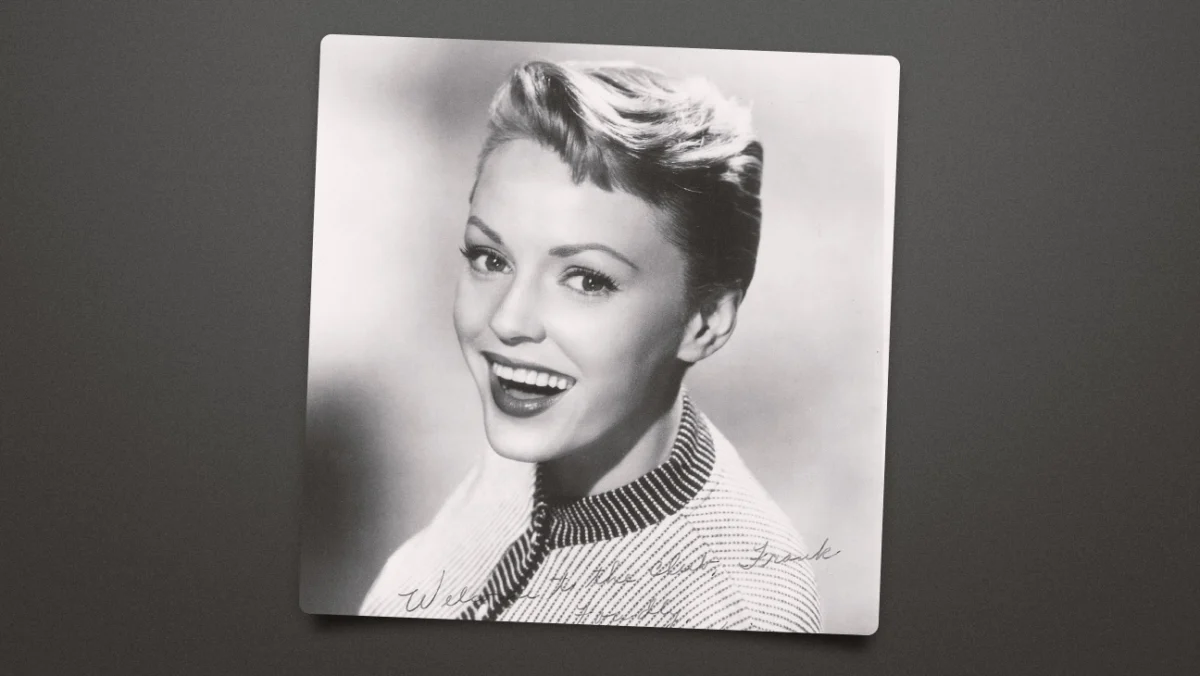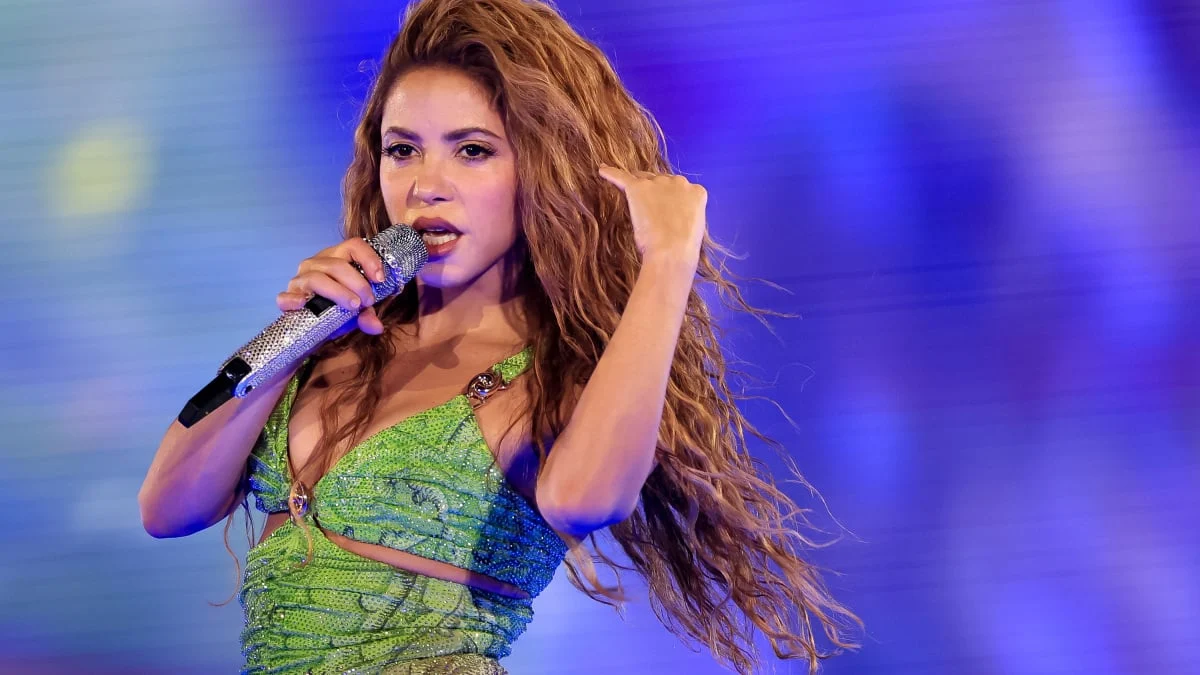
FIFA will launch its first-ever Super Bowl-style halftime production during Sunday’s World Cup final, featuring a headline roster that includes Justin Bieber, BTS, Madonna, and Shakira. The high-stakes championship match between Spain and Argentina, held at New York New Jersey Stadium, serves as the backdrop for this unprecedented entertainment expansion. While international soccer has traditionally limited halftime to a strictly regulated 15-minute interval, Sunday’s event signals a shift toward a more commercialized, entertainment-heavy format designed to capture a massive global television audience.
The World Cup final is scheduled to kick off at 3 p.m. ET, with the highly anticipated halftime performance expected to begin between 3:45 p.m. and 3:50 p.m. ET. Because soccer operates on a continuous clock with variable stoppage time, the exact start of the performance remains fluid. Fans intending to watch the World Cup halftime show today are advised to be in front of their screens no later than 3:40 p.m. ET to ensure they do not miss the opening sequence of the star-studded set.
The production is curated by Coldplay frontman Chris Martin in collaboration with Global Citizen. In addition to the four primary headliners, the show will feature appearances by Nigerian sensation Burna Boy, world-renowned conductor Gustavo Dudamel, and the PS22 Chorus alongside Coldplay. In a nod to American cultural staples, characters from Sesame Street and The Muppets are also scheduled to participate in the 11-minute performance.
Understanding the schedule for the World Cup halftime show today
The logistics of Sunday’s event represent a significant departure from standard FIFA protocols. Typically, the halftime break in professional soccer is a 15-minute window used for player recovery and tactical adjustments. However, the scale of the stage construction required for performers like Justin Bieber and BTS has forced broadcasters and organizers to prepare for a break that could last up to 30 minutes.
The first half of the match consists of 45 minutes of regulation time, but referees will add several minutes of stoppage time to account for injuries, substitutions, and goal celebrations. This means the whistle for halftime will likely blow around 3:47 p.m. ET. Once the pitch is cleared, hundreds of crew members must rapidly assemble the stage infrastructure, a feat of engineering that has become a hallmark of the NFL’s Super Bowl but remains a novelty in the world of global football.
To watch Justin Bieber, BTS, Madonna, and Shakira, viewers should monitor the match progress closely. Unlike American football, there are no "media timeouts" to guarantee a specific start time for the music. If the first half features significant delays, the halftime show could be pushed closer to 4 p.m. ET. Conversely, a clean half with minimal stoppages could see the music begin earlier than anticipated.
A global lineup: Justin Bieber, BTS, Madonna, and Shakira
The selection of headliners reflects FIFA’s desire to appeal to a diverse, multi-generational, and international demographic. Justin Bieber, who has recently stepped back from extensive touring, makes a high-profile return to the global stage. His inclusion targets a massive Western pop audience, while the presence of BTS ensures record-breaking engagement from the K-pop community. Despite some members of BTS having participated in mandatory military service in South Korea, the group’s involvement in this global finale has generated significant social media momentum.
Madonna, often referred to as the Queen of Pop, brings decades of experience with large-scale spectacles, including her own past Super Bowl performance. Her presence adds a layer of pop royalty to the proceedings. Shakira, meanwhile, is perhaps the artist most synonymous with the World Cup, having performed at multiple previous tournaments, including her iconic "Waka Waka (This Time for Africa)" at the 2010 event in South Africa. Her return to the FIFA stage is seen by many fans as a homecoming for the tournament’s most successful musical ambassador.
The curation by Chris Martin suggests a cohesive, anthem-driven performance. The inclusion of the PS22 Chorus and Gustavo Dudamel points toward a production that blends contemporary pop with orchestral and choral elements. Burna Boy’s participation highlights the growing global dominance of Afrobeats, ensuring that the African continent is represented in the tournament’s closing celebration.
Logistical challenges and the 30-minute halftime debate
The decision to extend the halftime break has not been without controversy. The International Football Association Board (IFAB), which governs the laws of the game, has historically been protective of the 15-minute interval. In 2021, the body rejected a formal proposal to extend halftime to 25 minutes, citing concerns over player welfare. Medical experts have long argued that an extended period of inactivity in the middle of a high-intensity match increases the risk of muscle injuries when players return for the second half.
For the 2026 World Cup final, organizers have reportedly bypassed some of these traditional constraints to accommodate the "Super Bowl-style" vision. Critics argue that the 30-minute gap prioritizes television advertisers and entertainment over the integrity of the sport. Fans in Europe and South America, where soccer traditions are deeply entrenched, have expressed concern that the "Americanization" of the World Cup could fundamentally alter the rhythm of the game.
Broadcasters such as Fox and Telemundo are preparing for the extended interval by filling the gap with deep-dive analysis and high-value commercial spots. For the athletes representing Spain and Argentina, the longer break requires a specialized warm-up routine before the second half begins to ensure they remain match-ready.
Philanthropy and the FIFA Global Citizen Education Fund
Beyond the entertainment value, the halftime show serves as a massive fundraising vehicle. The performance is tied to the FIFA Global Citizen Education Fund, an initiative aimed at raising $100 million to improve access to quality education and soccer programs for children in underserved communities worldwide.
FIFA officials have confirmed that more than $50 million has already been raised through various tournament initiatives. A significant portion of this total comes from a $1 donation allocated from every ticket sold during the 2026 World Cup. The halftime show is expected to drive further donations through integrated QR codes and call-to-action segments during the broadcast, allowing millions of viewers to contribute to the fund in real-time.
This partnership with Global Citizen represents a strategic effort by FIFA to bolster its corporate social responsibility profile. By linking the star power of Justin Bieber and Shakira to a humanitarian cause, the organization aims to deflect some of the criticism regarding the commercialization of the final.
How to watch the World Cup halftime show today on TV and streaming
For viewers in the United States, English-language coverage of the final and the halftime show is being handled by Fox. The network’s pregame show began at noon ET, providing three hours of build-up before the 3 p.m. kickoff. Streaming for Fox viewers is available through the Fox Sports app and Fox One.
Spanish-language viewers can watch the broadcast on Telemundo. For those who prefer streaming, Peacock is providing a live feed of the match and the musical performance. Peacock Premium and Premium Plus subscribers have access to all 104 matches of the tournament, including the final. Global audiences are utilizing various regional rights-holders, with many fans using VPN services to access specific broadcasts that offer the full halftime show without interruption.
The spectacle is expected to be one of the most-watched musical events in history, with estimates suggesting a live global audience exceeding one billion people. The combination of a Spain vs. Argentina final and a four-act headline show has created a perfect storm for television ratings.
The cultural impact of a Super Bowl-style World Cup
The introduction of this format marks a turning point in the history of the FIFA World Cup. For decades, the tournament’s primary musical focus was the opening ceremony. By moving the "main event" to the halftime of the final, FIFA is adopting a North American model of sports entertainment.
This shift is particularly relevant given that the 2026 World Cup is being hosted across the United States, Canada, and Mexico. The influence of the NFL’s marketing machine is evident in the way the halftime show was promoted, focusing on "headliners" and "stadium-sized" production values. While some purists may balk at the delay, the commercial success of the venture will likely determine if this becomes a permanent fixture of future World Cups in 2030 and beyond.
As Spain and Argentina battle for the trophy, the world will also be watching to see if the ambitious musical production can live up to the hype. With the creative direction of Chris Martin and the combined star power of Justin Bieber, BTS, Madonna, and Shakira, the event is poised to be as much a cultural milestone as it is a sporting one.