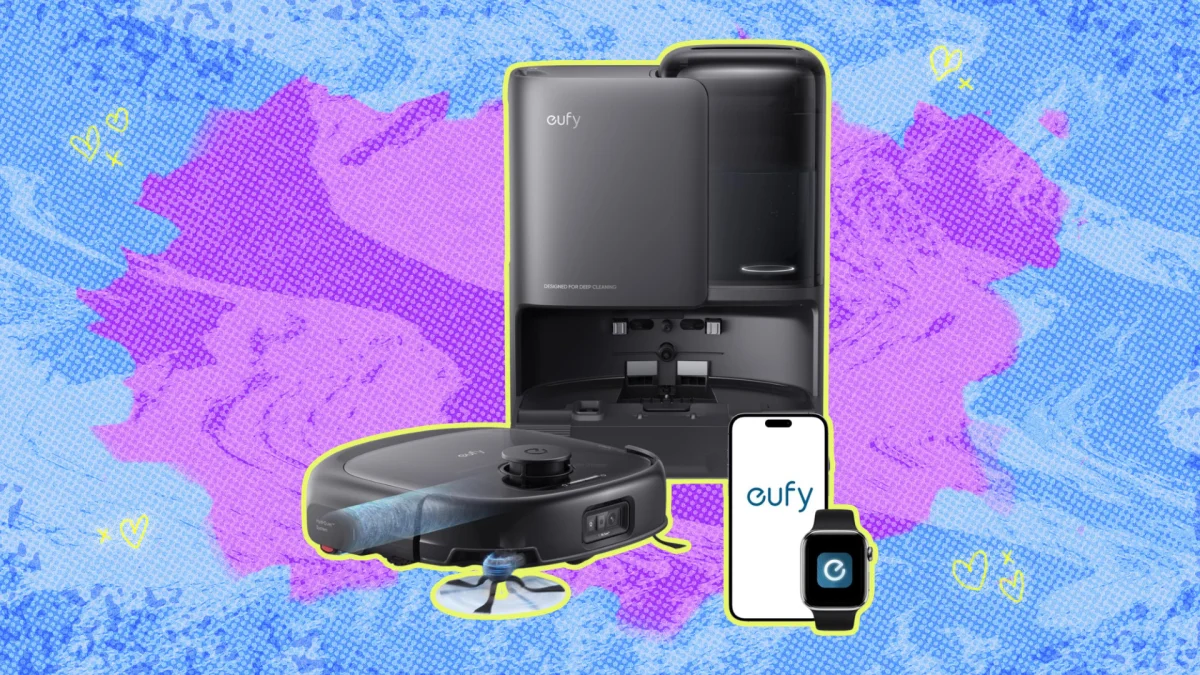
Amazon has significantly lowered the price of the Eufy E25 robot vacuum-mop combo, offering the high-end cleaning device for $599.99 as of late July. This adjustment represents a 40% reduction from its original retail price of $999.99, marking one of the most substantial discounts for the model since its release. The $400 price cut positions the E25 as a aggressive competitor in the premium home robotics market, where similar all-in-one systems often command prices well above the $800 threshold.
The Eufy E25 enters a crowded marketplace for automated floor care, distinguishing itself through a combination of extreme suction power and advanced self-maintenance features. This specific model is designed to handle both vacuuming and mopping tasks autonomously, targeting households with diverse floor types and high-traffic cleaning needs. Industry analysts note that such significant price drops often signal a shift in retail strategy or an effort to capture market share from established incumbents like iRobot and Roborock.
Advanced Engineering and the 20,000 Pa Suction Standard
The technical specifications of the Eufy E25 center on its 20,000 Pa suction capability, a figure that places it at the top of its class. For context, many standard robot vacuums offer suction between 2,000 and 5,000 Pa, while high-end models typically peak around 8,000 to 12,000 Pa. By reaching the 20,000 Pa mark, the E25 is engineered to extract deeply embedded debris from carpets and crevices that lower-powered units often miss.
Beyond raw power, the E25 utilizes the HydroJet system, a specialized mopping configuration designed to simulate manual scrubbing. Unlike early iterations of robot mops that simply dragged a damp cloth across the floor, the E25 employs a pressurized system to break down stubborn stains and spills. This dual-action approach is intended to provide a comprehensive cleaning solution that reduces the need for secondary manual mopping by the homeowner.
To complement its cleaning power, the device features an "extending arm" mechanism. This hardware innovation addresses a long-standing criticism of circular robot vacuums: their inability to reach corners and baseboards effectively. The mechanical arm allows the mopping apparatus to swing outward, ensuring that the cleaning path extends to the very edges of a room. This feature is becoming a hallmark of high-end units, as manufacturers attempt to close the gap between robotic efficiency and human precision.
The Integration of AI and Obstacle Avoidance Technology
Navigation remains a primary hurdle for autonomous cleaning devices, and the Eufy E25 addresses this through an integrated AI obstacle avoidance system. This technology utilizes a suite of sensors and cameras to identify and bypass common household objects that typically snag or stall lesser robots. From rogue pet toys and stray cables to shoes and furniture legs, the AI is programmed to map the environment in real-time, adjusting its path to maintain cleaning momentum without requiring human intervention.
This level of autonomy is supported by the unit’s self-emptying and self-washing station. The base station serves as a central hub where the robot returns to discharge collected dust into a sealed bag, which can typically hold weeks of debris. Simultaneously, the station manages the mopping system by washing the mop roller and utilizing a drying cycle to prevent the growth of mold and odors. This "hands-free" ecosystem is a major selling point for consumers looking to minimize the time spent on home maintenance.
The inclusion of AI navigation also allows for sophisticated mapping via smartphone applications. Users can designate "no-go zones," schedule specific cleaning times for different rooms, and monitor the robot’s progress remotely. As smart home integration becomes a standard expectation, the E25’s compatibility with various ecosystems reflects a broader trend toward the fully connected household.
Market Competition and the Shift Toward All-in-One Stations
The current Eufy E25 robot vacuum-mop combo deal at Amazon arrives at a time of intense competition within the smart appliance sector. Brands like Dreame, Narwal, and Roborock have all introduced flagship models that boast similar "all-in-one" capabilities. This competition has led to a technological arms race, with companies constantly iterating on suction power, battery life, and navigation accuracy.
Eufy, a subsidiary of Anker Innovations, has traditionally positioned itself as a value-oriented brand that offers high-end features at a more accessible price point than luxury competitors. However, with models like the E25, the company is moving squarely into the premium segment. The current $599.99 price point is seen by market observers as a strategic move to undercut competitors while still offering "pro-sumer" grade hardware.

The shift toward all-in-one stations—units that handle both dust and water management—represents the latest evolution in the industry. Consumers are increasingly moving away from standalone vacuums in favor of devices that can manage entire floor-care routines. This trend is driven by a desire for convenience and the improved reliability of the hardware, which has matured significantly over the last five years.
Consumer Sentiment and Technical Considerations for Potential Buyers
While the hardware specifications of the Eufy E25 are impressive, user feedback highlights several practical considerations for potential buyers. Some Amazon reviewers have noted that the drying cycle for the mop rollers can be louder than expected, which may be a factor for those living in smaller apartments or those who prefer to run the device at night. The noise is a byproduct of the high-speed fans required to ensure the mop is thoroughly dried and sanitized.
Additionally, some users have reported that the rollers can be "finicky," requiring occasional manual cleaning or adjustment to maintain peak performance. Despite the promise of total autonomy, these devices still require a baseline level of maintenance, such as refilling clean water tanks, emptying dirty water reservoirs, and replacing dust bags. The complexity of these machines means that while they save time on a daily basis, they introduce new maintenance tasks that were not present with traditional vacuums.
Despite these minor drawbacks, the consensus among early adopters is that the trade-off is worthwhile. The ability to outsource daily floor maintenance to a machine that can both vacuum and mop effectively is a significant lifestyle improvement for many, particularly those with pets or children. The E25’s ability to navigate around obstacles and clean right up to the baseboards addresses the most common pain points associated with older robotic cleaners.
The Economic Context of Premium Appliance Discounts
The $400 discount on the Eufy E25 is also a reflection of the current economic landscape. High-interest rates and inflation have led many consumers to be more cautious with discretionary spending on luxury appliances. Retailers and manufacturers are responding with more frequent and deeper discounts to stimulate demand and clear inventory ahead of new product cycles.
The timing of this deal, occurring in the wake of major mid-summer sales events, suggests a push to capture shoppers who may have missed out on earlier promotions. For Amazon, offering such a significant discount on a high-ticket item helps maintain its dominance in the e-commerce space, while for Eufy, it ensures their latest technology reaches a wider audience.
Furthermore, the rise of pet ownership in the United States has created a massive market for robust cleaning solutions. Pet owners often struggle with hair, dander, and tracked-in dirt, making the 20,000 Pa suction and mopping capabilities of the E25 particularly attractive. By pricing the unit under $600, Eufy is making a premium solution available to a demographic that might have previously found the $1,000 price tag prohibitive.
The Future of Home Robotics and Autonomous Maintenance
The Eufy E25 represents a snapshot of the current state of home robotics, but it also points toward a future where human intervention in household chores is further minimized. As AI models become more sophisticated, future iterations of these robots will likely feature even better object recognition, perhaps even identifying specific types of messes and adjusting cleaning modes accordingly.
The development of the "extending arm" for edge cleaning is likely just the beginning of more modular and adaptive hardware. We may soon see robots with interchangeable tools or the ability to navigate between floors. For now, the focus remains on perfecting the dual-functionality of vacuuming and mopping while improving the reliability of the self-maintenance stations.
As the Eufy E25 robot vacuum-mop combo deal: $599.99 at Amazon continues to attract interest, it serves as a benchmark for what consumers can expect from high-end cleaning technology. The combination of high-powered suction, AI-driven navigation, and a comprehensive self-cleaning base station defines the current standard for the industry. While the technology is not without its minor technical hurdles, the significant price reduction makes the prospect of a cleaner home with less effort more attainable for a broader range of households.