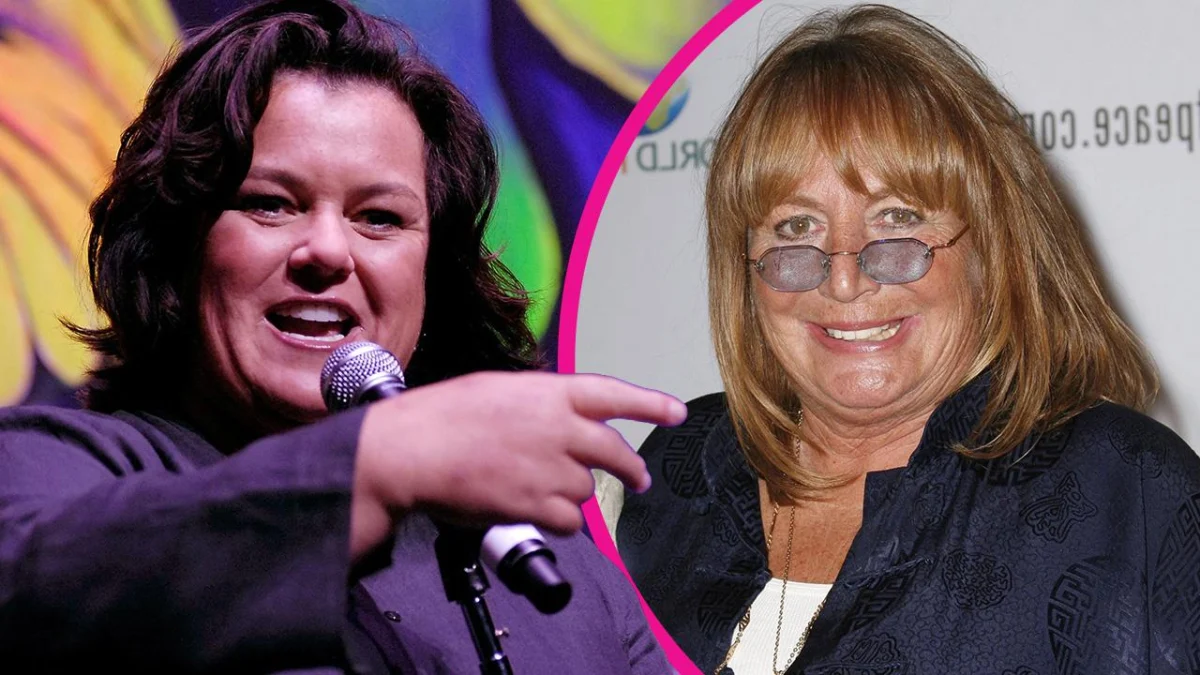
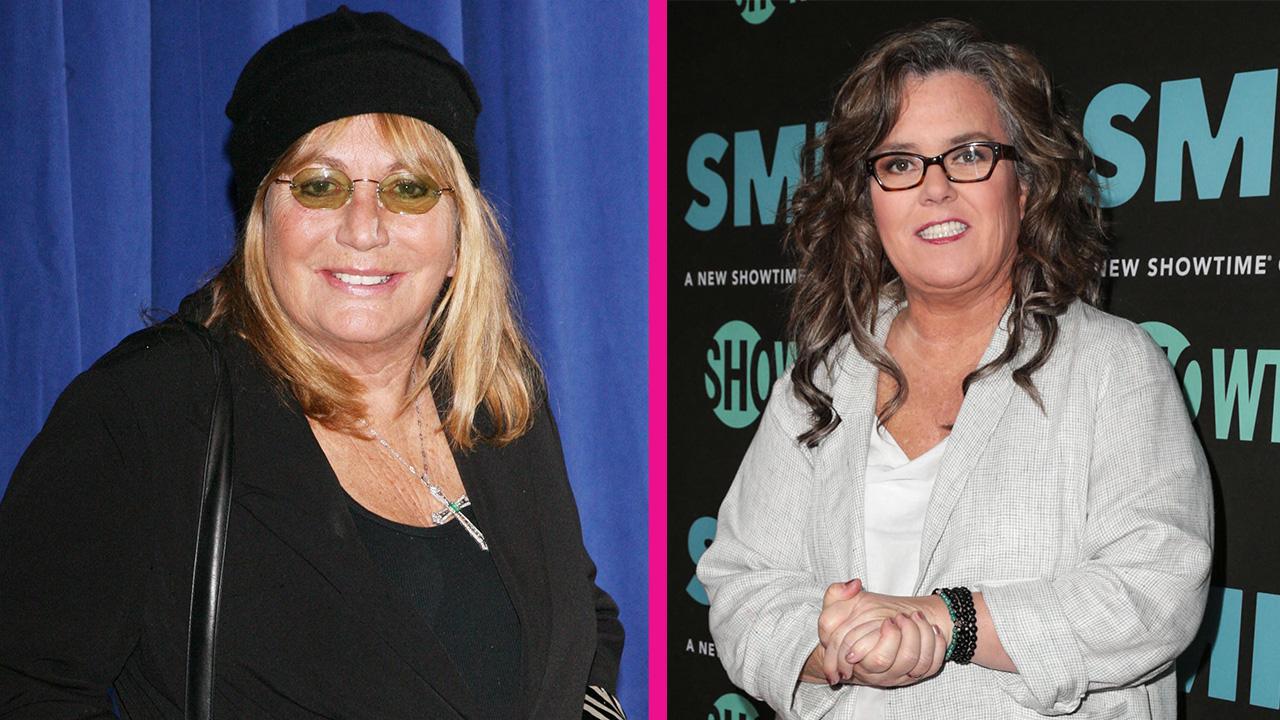
Veteran comedian and actress Rosie O’Donnell recently revealed a poignant moment from her early Hollywood career, detailing how acclaimed director Penny Marshall instructed her to lose 20 pounds, a directive that deeply impacted her self-perception for decades. O’Donnell shared this candid reflection in a recent interview, offering insight into the persistent pressures faced by women in the entertainment industry regarding their physical appearance and her personal journey toward body acceptance and improved health.
Navigating Early Hollywood Pressures
Rosie O’Donnell, born in Commack, New York, rose to prominence in the late 1980s and early 1990s, first as a stand-up comedian and then as an actress in a string of successful films and television shows. Her natural wit, boisterous personality, and relatable demeanor quickly endeared her to audiences, carving out a unique niche in an industry often obsessed with conventional beauty standards. However, even for a talent like O’Donnell, the unspoken and explicit demands to conform to certain physical ideals were ever-present. This systemic pressure, particularly on women, has been a long-standing issue within Hollywood, frequently dictating roles, career trajectories, and public image.
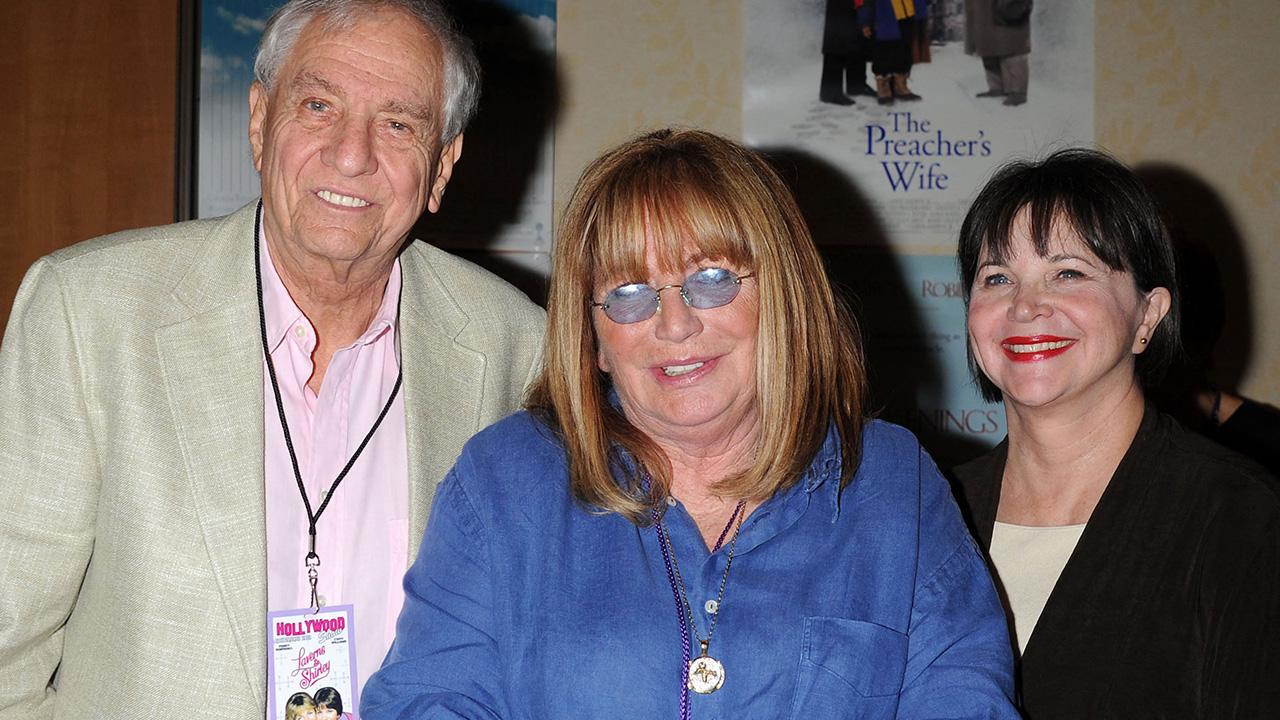
The incident with Penny Marshall occurred during the production of the 1992 sports comedy-drama A League of Their Own, a film that became a cultural touchstone and a significant career highlight for O’Donnell. Marshall, a trailblazing female director known for her no-nonsense approach and sharp comedic timing, directed the film, which starred O’Donnell alongside other major talents like Tom Hanks, Geena Davis, and Madonna. The movie depicted the real-life story of the All-American Girls Professional Baseball League during World War II, celebrating female athleticism and camaraderie. Despite the film’s empowering themes, O’Donnell’s personal experience behind the scenes highlighted a stark contrast with the body-positive messages that have gained traction in more recent years.

A Director’s Demand and Lasting Regret
During an exclusive conversation, O’Donnell recounted the specific exchange with Penny Marshall. Marshall, according to O’Donnell, directly told her, "Rosie, I want you to lose 20 lbs." O’Donnell’s internal reaction, she recalled, was a sharp, rhetorical question: "You think I carry it around for fun, Penny?" This anecdote underscores the often-unfeeling nature of such demands, disregarding the personal struggles or inherent body types of individuals. The comment, delivered by a figure of authority in a nascent stage of O’Donnell’s film career, left a profound and lasting impression.
Reflecting on that period, O’Donnell expressed a deep sense of regret over how the focus on her weight overshadowed her ability to fully enjoy her success and her own physicality. "When I look back," she confessed, "I go, ‘God, I wish I could have enjoyed the size I was.’" This sentiment reveals the insidious way external critiques can erode self-acceptance and create a persistent internal battle. For O’Donnell, the memory highlights a broader issue of how public figures, particularly women, are often denied the freedom to exist comfortably in their own skin without constant scrutiny and pressure to change. The comedian also noted that her weight then is comparable to her current weight, yet her current perspective is markedly different, signaling a personal evolution in how she views her body and health.
A Lifelong Battle with Weight and Food Noise
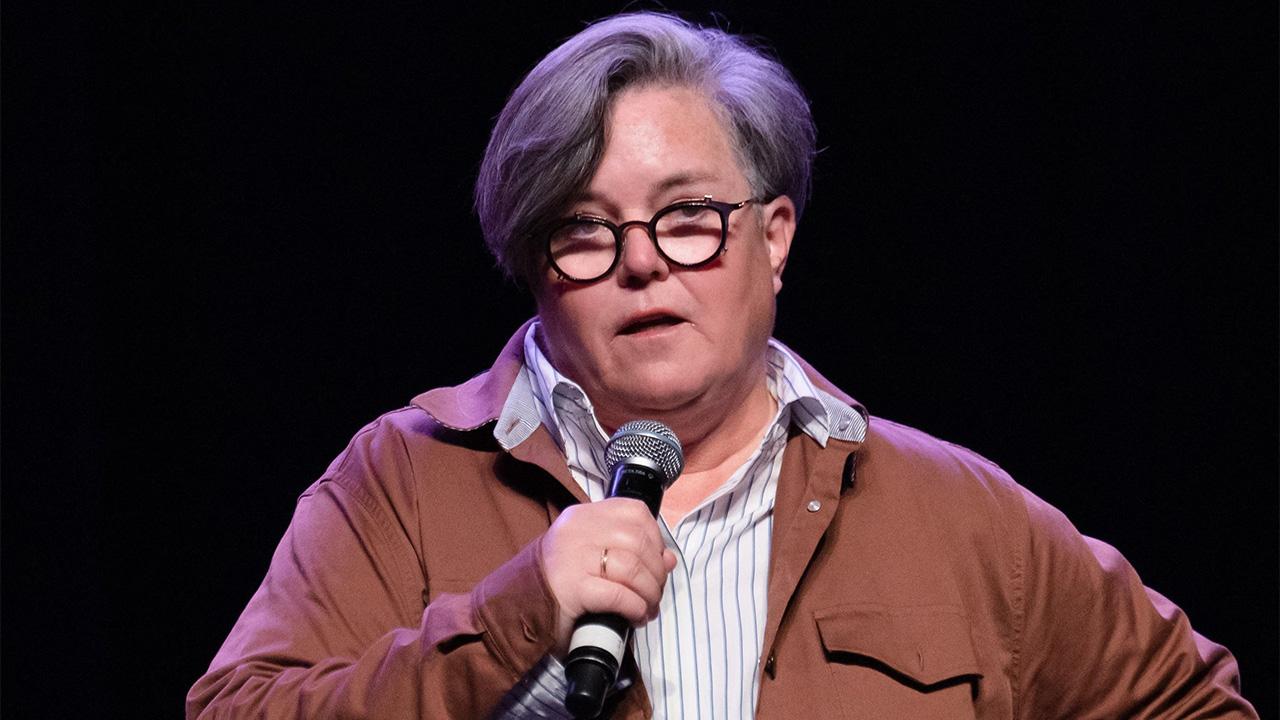
O’Donnell openly discussed her lifelong struggle with weight, characterizing it as a constant challenge. She described how her body image concerns often overshadowed professional anxieties, recalling that when performing on late-night shows, her primary worry wasn’t her comedic set but whether she "looked fat." This candid admission illustrates the pervasive nature of body image issues and how they can intrude on and detract from professional focus and personal enjoyment.
Her journey took a significant turn three years ago when she received a diagnosis of Type 2 diabetes. This health revelation prompted her to seek solutions, leading her to discover the medication Mounjaro. O’Donnell described Mounjaro as life-changing, particularly in its ability to "quiet the food noise"—a term she used to describe the incessant thoughts and cravings related to food that had plagued her for years. This "food noise" had manifested in behaviors such as waking up in the middle of the night to seek out hidden candy, even from her children’s trick-or-treating hauls. Her honesty about these struggles resonates with many who experience similar battles with food and weight, offering a glimpse into the often-private world of disordered eating and body image issues. The comedian’s experience with Mounjaro resulted in approximately 60 pounds of weight loss, marking a significant physical transformation that she associates with feeling "much healthier, more powerful in my own physicality."
The Interplay of Health, Aesthetics, and Feminist Principles
O’Donnell’s weight loss journey, while rooted in health, also brought about aesthetic considerations. The significant reduction in weight resulted in "excess skin," particularly on her face, which she felt made her appear perpetually "sad." This prompted her to consider and ultimately undergo a facelift. Her decision, however, was not made lightly. As a self-proclaimed feminist, O’Donnell wrestled with the implications of cosmetic surgery, viewing it through the lens of the "male gaze" and questioning whether it aligned with her deeply held beliefs.
This internal conflict highlights a nuanced debate within feminist discourse: the tension between embracing natural aging and individual autonomy in choosing cosmetic enhancements. O’Donnell’s youngest child, Clay, initially expressed reservations, asking, "Mommy, girls look up to you. What does your legacy stand for if you do this?" This query led O’Donnell to pause and reflect for six months. Ultimately, she concluded that the "real power of feminism" lies in the freedom to "decide what we want to do with our bodies and when." This perspective reframes cosmetic surgery not as succumbing to societal pressures but as an exercise of personal agency, a choice made for one’s own well-being and comfort rather than external validation. Her public discussion of this dilemma offers a powerful example of navigating complex personal decisions within a public persona, especially concerning topics traditionally laden with judgment.
Cultural Impact and a New Chapter
O’Donnell’s candidness about her experiences with body image, weight loss, and cosmetic surgery contributes to a broader cultural conversation about authenticity, health, and self-acceptance in the public eye. Her revelations resonate beyond the entertainment industry, touching on universal themes of societal expectations and personal well-being. By openly discussing the director’s comment, her lifelong struggles, and her choices regarding Mounjaro and a facelift, O’Donnell empowers others to engage in similar honest dialogues about their own bodies and health journeys. Her story reinforces the idea that even celebrated figures grapple with insecurities and external pressures, humanizing the often-glamorized world of celebrity.
Currently, Rosie O’Donnell is channeling these personal narratives and insights into her one-woman show, "Common Knowledge." The production, which premiered at New York City’s Daryl Roth Theatre on July 22, intertwines comedy with heartfelt stories. It delves into her childhood grief, her extensive career, and her recent experiences living in Dublin, Ireland, with her son, Clay. The show promises to be a deeply personal exploration of her life, including her evolving relationship with her body and the industry that shaped her. Through "Common Knowledge," O’Donnell continues to use her platform not only to entertain but also to foster understanding and encourage self-reflection among her audience, transforming personal challenges into shared human experiences. Her journey from feeling the sting of a director’s demand to achieving a sense of physical and emotional empowerment underscores a powerful narrative of resilience and evolving self-definition.