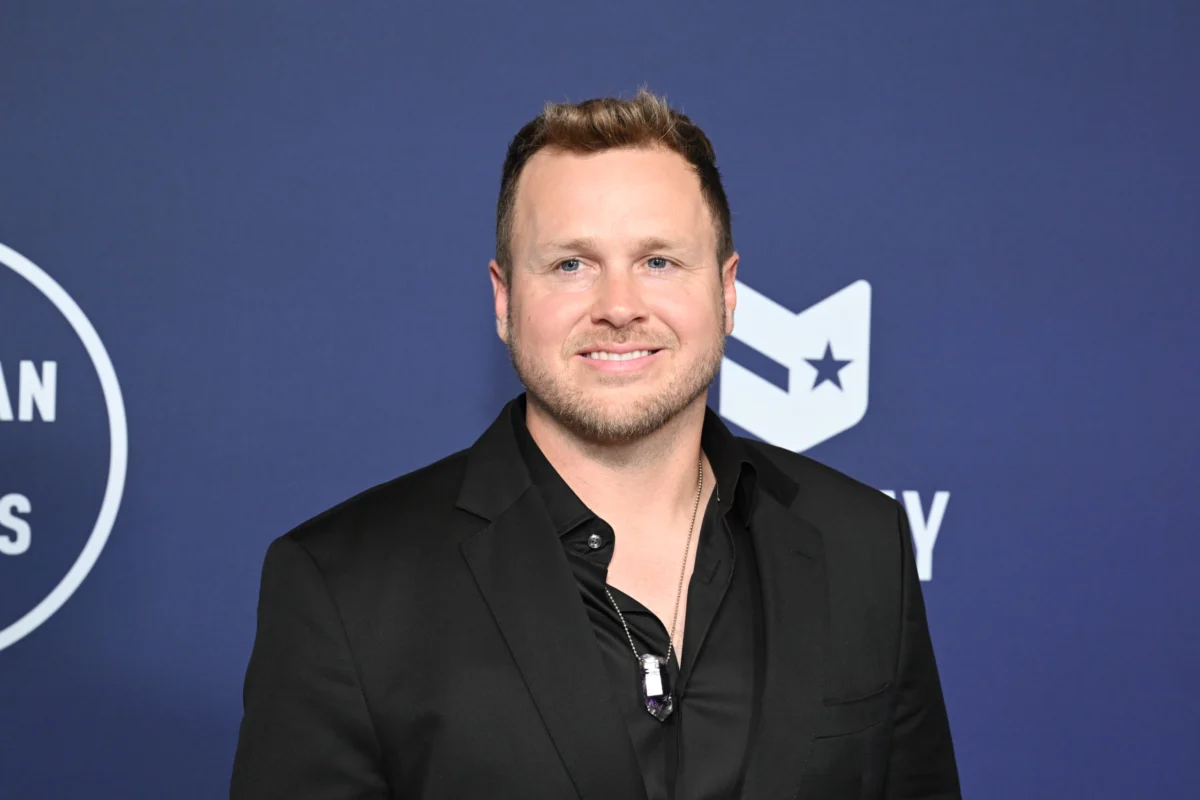
Former reality television personality and one-time Los Angeles mayoral candidate Spencer Pratt has launched an extensive, artificial intelligence-assisted video screed, vehemently criticizing California Governor Gavin Newsom and Attorney General Rob Bonta for their roles in a multi-state lawsuit aimed at blocking Paramount Global’s proposed merger with Warner Bros. Discovery. In a more than 10-minute TikTok video, Pratt asserted that the future of Hollywood is imperiled if the antitrust challenge against the $110 billion acquisition succeeds, accusing the California officials of engaging in "petty politics" that threaten the state’s signature industry.
Background and Context
The Paramount/Warner Bros. Discovery Merger and Legal Challenge
The proposed merger between Paramount Global and Warner Bros. Discovery represents a significant consolidation in the rapidly evolving media landscape. Announced as a strategic move to create a more competitive streaming and content powerhouse, the deal would combine vast libraries of film and television content, production capabilities, and distribution networks under a single entity. Proponents of the merger argue it would allow the combined company to better compete with tech giants like Amazon and Apple, which have increasingly invested in original content, and established streaming services like Netflix.
However, the ambitious acquisition immediately drew the attention of regulators. On July 20, a coalition of 12 state attorneys general, spearheaded by California, filed a lawsuit seeking to halt the merger. The legal challenge, which also includes states such as New York and Colorado, alleges that the proposed union would stifle competition, reduce consumer choice, and potentially lead to higher prices for content. A federal judge subsequently issued a temporary restraining order, pausing the merger proceedings to allow for further review of the antitrust concerns raised by the states. The core argument from the attorneys general centers on the belief that fewer major studios could result in less diverse content, fewer opportunities for creators, and a less dynamic market.
Antitrust Concerns in the Entertainment Industry
The lawsuit against the Paramount-Warner Bros. Discovery merger is part of a broader trend of increased regulatory scrutiny on consolidation within the entertainment and tech sectors. Antitrust laws are designed to prevent monopolies and ensure fair competition, protecting consumers from potential price gouging and limited options. Regulators often examine mergers for their potential impact on market concentration, particularly in industries with significant public influence, such as media.
Past media mergers, such as Disney’s acquisition of 21st Century Fox, have also faced extensive regulatory review, often resulting in concessions or divestitures to address competition concerns. The argument from state attorneys general is that combining two major studios, each with extensive intellectual property, production infrastructure, and streaming platforms, would create an entity with excessive market power. This power, they contend, could be leveraged to suppress competition in content creation, distribution, and advertising, ultimately harming independent producers, talent, and the viewing public. The $110 billion valuation of the deal underscores the immense stakes involved, both for the corporations seeking to merge and for the regulatory bodies tasked with upholding market fairness.
Spencer Pratt’s Political Evolution
From Reality TV to Los Angeles Mayoral Hopeful
Spencer Pratt first rose to public prominence as a polarizing figure on MTV’s hit reality series The Hills in the mid-2000s. Known for his "villain" persona and dramatic antics alongside his wife Heidi Montag, Pratt became a fixture in pop culture. Following his reality TV career, Pratt transitioned into various entrepreneurial ventures, but his public profile largely remained tied to his past on television.
However, in 2025, Pratt pivoted sharply towards local politics, signaling a desire to engage with serious civic issues. This shift was reportedly spurred by a personal crisis that ignited his political ambitions and a perceived need for change in Los Angeles leadership. His initial foray into the political arena was met with a mix of curiosity and skepticism, given his unconventional background for a political aspirant.
The Pacific Palisades Fires and Political Awakening
A pivotal moment in Pratt’s political awakening occurred when his Pacific Palisades home was severely impacted by devastating fires that swept through parts of Los Angeles in 2025. The experience, which saw many area property owners suffer significant losses, profoundly affected Pratt. He subsequently became a vocal critic of the city’s response, filing a lawsuit against the city of Los Angeles and its Department of Water and Power (DWP), alleging negligence on the part of the DWP as the cause of the fires.
This personal grievance rapidly expanded into broader political activism. Pratt began openly blaming then-Mayor Karen Bass for what he described as a slow and inadequate response to the crisis. Positioning himself as a "common-sense populist," he tapped into a vein of public frustration regarding city management, emergency preparedness, and accountability. His platform centered on addressing local concerns and advocating for residents he felt were underserved or ignored by the established political machine.
Controversial Mayoral Bid and Election Claims
Building on this momentum, Pratt officially launched his campaign for Los Angeles mayor on the anniversary of the fires. His campaign was characterized by an outsider appeal, promising to bring a fresh perspective and practical solutions to city governance. Despite his lack of traditional political experience, Pratt managed to garner significant attention, especially through his social media presence.
In the mayoral election held in June, initial counts surprisingly placed Pratt ahead of City Councilmember Nithya Raman by more than eight percentage points. However, as further votes were tallied, his lead diminished, and he ultimately finished in third place, behind both Mayor Karen Bass and Raman. Pratt refused to concede the election, echoing claims of widespread fraud—a narrative frequently employed by former President Donald Trump. Trump, who openly supported Pratt, along with House Speaker Mike Johnson, amplified these unsubstantiated claims, further polarizing the local political discourse. Despite his initial stated intention to remain "laser-focused on local politics" in Los Angeles, Pratt’s recent video targeting state officials marks a notable expansion of his political scope onto the national stage.
The Viral Rant Against the Paramount Lawsuit
Pratt’s Core Allegations and Targets
Spencer Pratt’s latest foray into political commentary takes the form of a lengthy, AI-assisted video rant published on TikTok. In the video, Pratt directly addresses the multi-state lawsuit challenging the Paramount Global and Warner Bros. Discovery merger. His primary targets are California Governor Gavin Newsom and Attorney General Rob Bonta, whom he derisively refers to as "Greasy Gavin and Bonehead Bonta." Pratt accuses them of being "the real life slick-haired archetypal douchebag villains we’ve seen in every movie" and claims they are actively working to "destroy Hollywood for good, over petty politics."
Pratt’s central thesis is that the lawsuit is a politically motivated act designed to "cripple two of the greatest film studios of all time." He argues that blocking the $110 billion investment in the merger is not only misguided but actively detrimental to California’s economy and its iconic entertainment industry. The video, characterized by its high-energy delivery and confrontational tone, aims to rally public sentiment against the state’s legal action.
Critique of Newsom and Bonta’s Policies
In his detailed critique, Pratt contrasts the perceived constructive efforts of Hollywood studios with what he alleges are the destructive policies of Newsom and Bonta. He states, "[Newsom and Bonta] are everything Paramount isn’t. While Paramount and Tom Cruise have spent the last decades building up Hollywood, [these two] have been destroying it — chasing productions out of town, sending projects to Budapest, neglecting film tax credits and incentives to win back production, doing everything they can to cripple the film industry while Atlanta and Hungary steal our lunch."
Pratt specifically points to the lack of competitive film tax credits and incentives in California compared to other states and countries as a key factor driving productions away. He argues that the state’s leaders are not doing enough to retain and attract film and television production, and that the lawsuit against Paramount is another blow to an already struggling industry. He passionately champions Paramount, citing its contributions to Hollywood and referring to Top Gun: Maverick and its star as "Saint Tom Cruise" as examples of the studio’s positive impact.
The Role of AI and Rhetorical Style
The 10-minute-plus video incorporates artificial intelligence-generated cutaways, seamlessly splicing between Pratt’s direct address and clips from popular Hollywood movies. This stylistic choice enhances the production quality of his rant, making it visually engaging and aligning with modern digital content trends. Pratt adopts a high-octane, confrontational rhetorical style, drawing comparisons to controversial media personalities. He is depicted sitting behind a desk, yelling directly into the camera, conveying a sense of urgency and outrage.
Pratt challenges the claim by Attorney General Bonta that a Paramount-Warner Bros. Discovery merger would inherently reduce production. He specifically targets Bonta’s assertion that production decreased after Disney acquired Fox, noting, "Notice they specifically say after they merged — they don’t say because they merged, because something else happened after that 2019 merger that may have had an impact on production." Pratt attributes the decline to broader factors, arguing that the merger occurred "right before COVID," which was followed by "Gavin Newsom shut down the entire state and followed that with the biggest, most prolonged labor dispute in Hollywood history. Everybody’s production decreased." He further questions the political motivations behind the lawsuit, pointing out the lack of similar scrutiny for Amazon’s acquisition of MGM and the absence of streaming platforms like YouTube in the suit, suggesting these omissions undermine the theory of an impending Paramount monopoly. "This isn’t the ’80s, Rob. Streaming has changed everything. More and more people get their content online, which means fewer and fewer are watching traditional cable. The trend line only goes in one direction," Pratt asserts, highlighting the dramatic shifts in media consumption.
Broader Implications for Hollywood and California
Economic Impact and Production Incentives
The debate ignited by Spencer Pratt’s video touches upon critical economic issues facing Hollywood and the state of California. The entertainment industry is a cornerstone of California’s economy, supporting hundreds of thousands of jobs across various sectors, from creative talent to technical crews, marketing, and distribution. The continuous threat of "runaway production"—where film and television projects relocate to other states or countries offering more attractive tax incentives and lower production costs—has been a persistent concern for California policymakers and industry stakeholders.
States like Georgia (Atlanta) and countries like Hungary have successfully lured major productions with generous tax credits, leading to a noticeable shift in where blockbuster films and popular series are made. Pratt’s argument that Newsom and Bonta are "neglecting film tax credits and incentives" resonates with many in the industry who advocate for more aggressive state support to keep production within California. The economic ripple effect of losing productions extends beyond direct jobs, impacting local businesses, tourism, and the state’s overall cultural identity. The proposed $110 billion investment associated with the merger, from Pratt’s perspective, represents a vital infusion of capital that could counteract these trends, rather than exacerbate them.
Media Consolidation and Regulatory Scrutiny
The Paramount-Warner Bros. Discovery merger also highlights the ongoing trend of media consolidation and the subsequent regulatory scrutiny it attracts. In an era dominated by a few massive tech and media conglomerates, antitrust regulators are increasingly wary of deals that could further concentrate power in the hands of fewer players. While companies argue that consolidation is necessary to achieve economies of scale and compete effectively in a global, digital marketplace, critics fear it could lead to less innovation, fewer independent voices, and reduced consumer choice.
The attorneys general’s lawsuit reflects a concern that combining two legacy studios with extensive intellectual property could create an insurmountable barrier for smaller competitors and emerging content creators. They also worry about potential impacts on workers, including writers, actors, and crew members, if fewer major employers dictate terms. Pratt, however, counters that the market has fundamentally changed with the rise of streaming, arguing that traditional concerns about "monopoly" are outdated when myriad digital platforms offer content. He emphasizes that there is "a ton of competition for these studios," suggesting the lawsuit misunderstands the contemporary media landscape.
Reactions and Future Outlook
Industry and Political Responses
Spencer Pratt’s video, delivered with his characteristic theatricality, is likely to elicit varied reactions across the political and entertainment spectrums. Within conservative circles and among those critical of California’s current leadership, his arguments may find resonance, framing Newsom and Bonta as anti-business or out of touch with industry realities. His connection to former President Trump’s unsubstantiated claims of election fraud may also align him with a specific segment of the electorate.
Conversely, established political figures and many within the entertainment industry might dismiss Pratt’s rant as an attention-seeking stunt from a former reality star with limited political credibility. Regulatory bodies, including the offices of Governor Newsom and Attorney General Bonta, are unlikely to directly engage with Pratt’s specific criticisms, instead focusing on the legal merits of their antitrust case. The core of the debate, for them, remains the potential impact of the merger on market competition and consumer welfare, rather than the political motivations Pratt alleges.
The Road Ahead for the Merger and Pratt’s Activism
The legal battle over the Paramount Global and Warner Bros. Discovery merger is expected to be protracted. The temporary restraining order is just the initial step, and the companies involved will vigorously defend their proposed union, arguing its necessity for long-term viability and competitiveness. The outcome of the lawsuit will have significant ramifications for the future of both companies, their employees, and the broader media industry, potentially setting precedents for future consolidation efforts.
For Spencer Pratt, this video marks a notable expansion of his political activism from local Los Angeles issues to statewide and national debates. Having previously focused on the Pacific Palisades fires and his mayoral campaign, his decision to target the Paramount lawsuit indicates a desire to engage with broader economic and industry-specific policies. Whether this pivot gains him further political traction or is viewed as another chapter in his public persona remains to be seen, but his latest "screed" has certainly reignited discussions around California politics and the future of Hollywood.