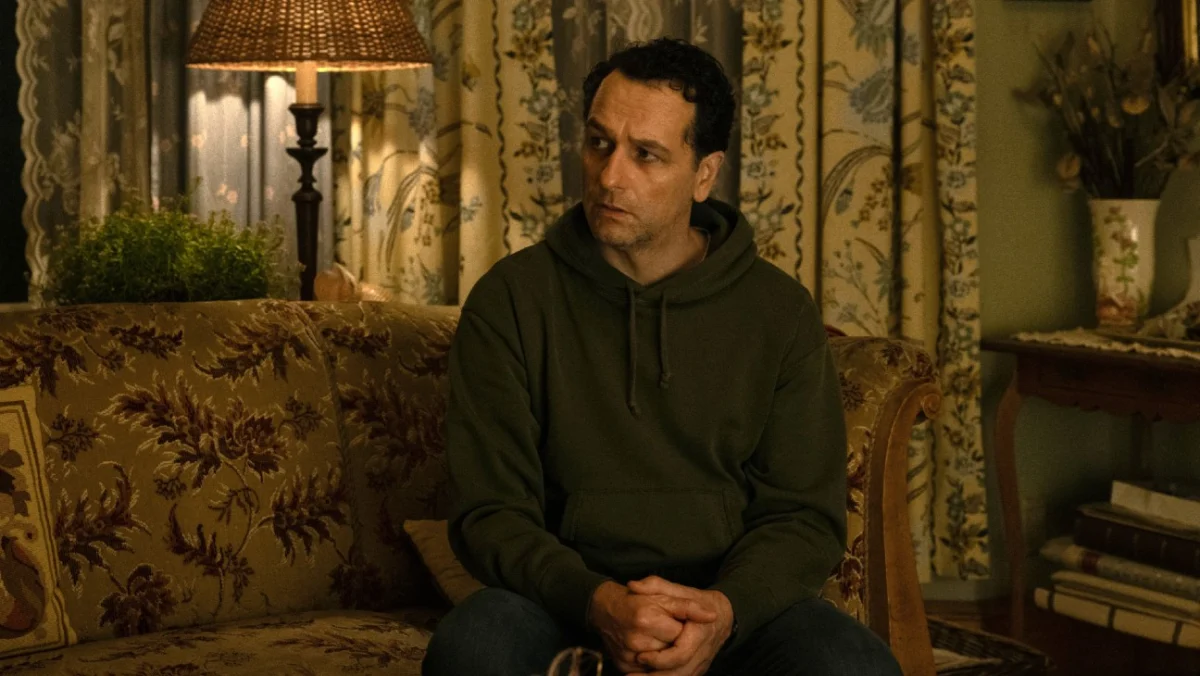
San Diego Comic-Con served as the platform for "Widow’s Bay" creator Katie Dippold to offer insights into the writing process for the critically acclaimed Apple TV+ series’ second season. Dippold, making her debut as a showrunner, shared crucial lessons gleaned from the show’s initial run, particularly emphasizing efficiency in storytelling following its surprising success and numerous accolades. The dark comedy, which quickly became a sensation, is now deep into development for its highly anticipated return.
The Phenomenal Rise of Widow’s Bay
"Widow’s Bay" launched on Apple TV+ in April, swiftly captivating audiences and critics alike with its unique blend of comedic timing and eerie atmosphere. Starring Matthew Rhys as the mayor of a quaint, perpetually haunted New England island, the series masterfully navigates the blurry line between the mundane and the supernatural. Its rapid ascent solidified its status as one of the year’s buzziest new shows, generating widespread discussion across social media platforms.
The series’ critical reception culminated in a staggering 19 Emmy Award nominations, including a nod for Best Comedy Series. This recognition underscored not only the show’s creative ambition but also its polished execution, drawing significant attention to Apple TV+’s growing slate of original content. The nominations positioned "Widow’s Bay" as a formidable contender in a competitive television landscape.
Showrunner’s Reflection on Unexpected Success
Katie Dippold, known for her screenwriting contributions to films such as The Heat and Snatched, recounted her initial disbelief at the show’s burgeoning popularity. Speaking at Collider’s "Showrunners on Showrunning" panel, she admitted to a lingering apprehension about engaging with online fan communities like Reddit. Despite her initial trepidation, Dippold eventually observed the escalating volume of discussions surrounding "Widow’s Bay," a clear indicator of its expanding fan base.
"Seeing that was really shocking," Dippold stated, reflecting on the organic growth of the show’s online footprint. This grassroots engagement played a significant role in establishing "Widow’s Bay" as a cultural touchstone, demonstrating the power of audience-driven buzz in the streaming era. The show’s distinctive premise resonated deeply with viewers, fostering a dedicated community eager for more of its quirky charm and supernatural undertones.
The Road to Widow’s Bay Season 2
The renewal for a second season was confirmed shortly after its premiere, though Dippold revealed she was informed just prior to the public announcement. Despite the official confirmation coming later, the showrunner consistently harbored hopes and developed ideas for "Widow’s Bay" Season 2, indicating a clear vision for its future trajectory. The creative team wasted no time in capitalizing on the momentum.
The writers’ room for the upcoming season convened earlier this week, marking the official commencement of script development. Dippold outlined an intensive 20-week writing schedule, a testament to the meticulous planning involved in crafting a follow-up season for a breakout hit. The goal is to begin principal photography for "Widow’s Bay" next year, aiming for a timely return to screens.
Key Creative Insights for Widow’s Bay
Dippold shared valuable lessons from her experience as a first-time showrunner on "Widow’s Bay." A crucial takeaway centered on the show’s comedic effectiveness, which she attributed to the actors’ commitment to playing their roles with a straight, dramatic intensity. This counterintuitive approach amplified the inherent humor, creating a distinctive tone that became a hallmark of the series.
"Throughout the process, it was making sure everything served that," Dippold explained, emphasizing that this principle will remain paramount for "Widow’s Bay" Season 2. The ensemble cast, featuring talents like Kate O’Flynn, Kevin Carroll, Dale Dickey, Kingston Rumi Southwick, and Stephen Root alongside Matthew Rhys, consistently delivered performances that grounded the absurdities in relatable human emotion. This dramatic foundation allowed the comedic elements to land with greater impact.
Streamlining Narrative and Production Efficiency
Beyond performance, Dippold identified practical improvements for the upcoming season, particularly regarding script length and narrative density. She acknowledged that initial scripts for "Widow’s Bay" Season 1 were often lengthy and packed with content, necessitating "last-minute cuts for time" during production and editing. This experience provided a sharp learning curve in production efficiency.
"I’ll just be more mindful of that because we didn’t need that much," Dippold stated, highlighting the importance of streamlined storytelling. The editing process further reinforced this realization, as she observed, "In the edit, I just could see, ‘Oh, you actually didn’t need any of this stuff anyway.’" This revelation about "what you don’t need" will directly inform the writing approach for "Widow’s Bay" Season 2, aiming for more concise and impactful narratives.
Broader Implications for Streaming Content
Dippold’s insights into narrative efficiency and editing are particularly relevant in the current streaming landscape. With platforms like Apple TV+ often granting creators more creative freedom and longer runtimes per episode compared to traditional network television, there can be a tendency to over-deliver on content. However, the success of "Widow’s Bay" demonstrates that brevity and focus can be powerful tools.
The ability to discern and eliminate extraneous material, as Dippold learned, is a critical skill for showrunners operating under tight production schedules and high audience expectations. This approach ensures that every scene and line of dialogue contributes meaningfully to the overall story and character development, preventing pacing issues that can sometimes plague streaming series. The industry is increasingly recognizing the value of efficient storytelling to maintain viewer engagement in an overcrowded market.
Critical Acclaim and Genre Blending
The critical reception of "Widow’s Bay" consistently praised its innovative genre blending. The Hollywood Reporter critic Angie Han, in her review, lauded the series for its ability to highlight "the blurry line between comedy and horror." This unique characteristic is central to the show’s appeal and will undoubtedly continue to be a defining feature of "Widow’s Bay" Season 2.
The show’s exploration of a New England island steeped in paranormal lore, combined with the grounded, often dry humor of its residents, created a fresh take on both comedic and supernatural tropes. This distinctive voice contributed significantly to its standout performance among new series. The creative team’s challenge for the next season will be to deepen these thematic explorations while maintaining the delicate balance that earned them such widespread acclaim.
Anticipation for the Future of Widow’s Bay
As the writing for "Widow’s Bay" Season 2 progresses through its demanding 20-week schedule, anticipation continues to build among its dedicated fan base and industry observers. Katie Dippold’s commitment to refining the storytelling process, coupled with the proven talent of its cast, sets a high bar for the upcoming episodes. The lessons learned from the first season, particularly concerning narrative conciseness and the comedic power of dramatic performances, are poised to elevate the series even further.
The journey of "Widow’s Bay" from a buzzy newcomer to an Emmy-nominated success story underscores Apple TV+’s growing influence in curating compelling, original programming. With production slated for next year, audiences can look forward to another season of supernatural mysteries, sharp humor, and the continuing adventures of a haunted New England island community. The evolution of "Widow’s Bay" promises to be a compelling narrative both on and off screen.