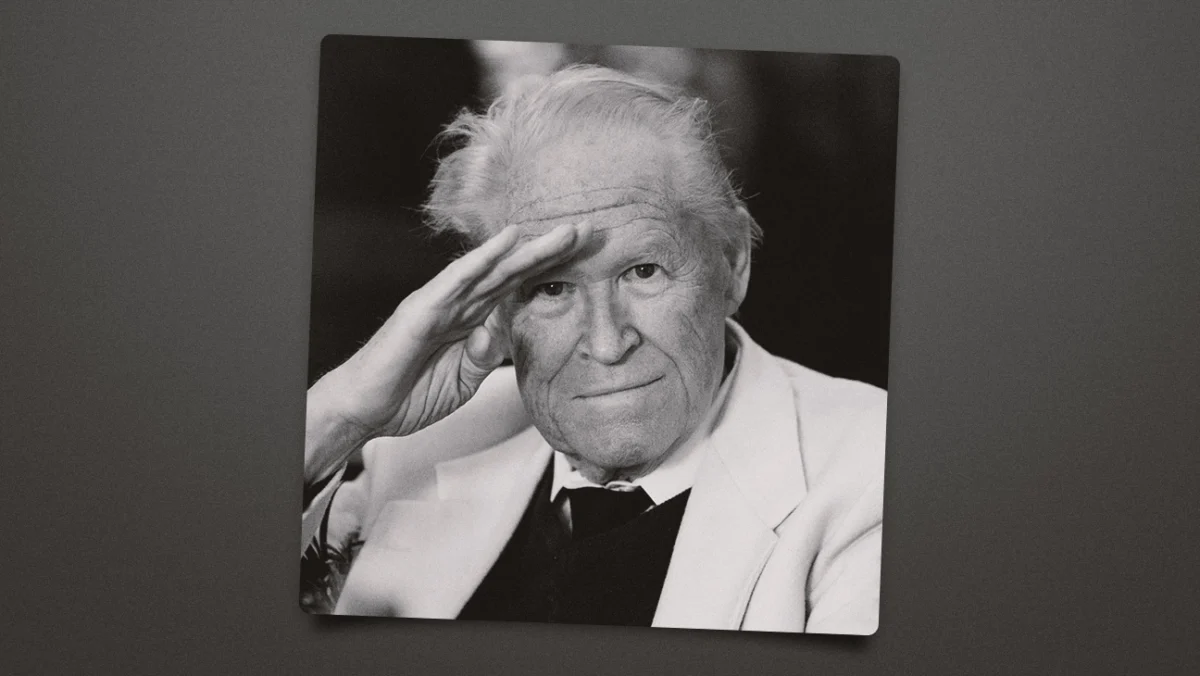
John C. Dvorak, the influential technology journalist, sharp-witted cultural commentator, and co-host of the long-running No Agenda podcast, passed away unexpectedly on July 20 at the age of 80 in Albany, California. His death was confirmed by a family spokesperson to The Hollywood Reporter, marking the end of a prolific career that spanned decades and left an indelible mark on the landscape of tech media and independent digital broadcasting.
A Pioneer in Technology Journalism
Born on April 5, 1946, in Fresno, California, Dvorak’s academic foundation was rooted in history, earning his bachelor’s degree from UC Berkeley. He further pursued graduate studies in computer science at the same institution, a blend of humanities and technology that would come to define his unique perspective. This dual interest equipped him with both the analytical rigor of a historian and the technical understanding necessary to dissect the burgeoning world of personal computing.
Dvorak began his career at a pivotal moment, as personal computers were transitioning from niche hobbyist tools to mainstream consumer products. His early work at InfoWorld magazine quickly established him as a distinctive voice. He was known for penning a witty and often provocative column about PCs, an early indicator of the influential role he would play in shaping public discourse around technology. At one point, he was reportedly writing as many as 20 columns simultaneously for various publications, showcasing his incredible productivity and breadth of knowledge.
His move to PC Magazine in August 1986 was met with considerable fanfare, solidifying his status as a leading authority in the field. There, his iconic "Inside Track" column became a must-read for anyone in the tech industry, from developers to executives and everyday users. Dvorak’s writing was characterized by its blend of insightful analysis, bold predictions, and a healthy dose of skepticism, often challenging industry giants and conventional wisdom. He was unafraid to criticize, to prognosticate, and to spark debate, earning him both fervent admirers and occasional detractors.
Beyond the Printed Page: Expanding Media Presence
Dvorak’s reach extended far beyond print journalism. He embraced new media platforms as they emerged, demonstrating a remarkable adaptability throughout his career. From 1995 to 1999, he was a regular contributor to the popular CNET Central series, bringing his distinctive voice and analytical prowess to television audiences. This period saw him become a recognizable face, translating complex technological concepts into accessible commentary for a broader public.
He also hosted various radio shows, including NPR’s Technically Speaking, further expanding his footprint in mainstream media. These appearances allowed him to engage with listeners directly, offering his unique perspectives on technology, its impact on society, and the ever-evolving digital landscape. His ability to articulate complex ideas clearly and engagingly made him a sought-after commentator across different mediums.
Throughout his career, Dvorak authored more than a dozen books. His literary output ranged from comprehensive tech history titles, providing invaluable context to the rapid advancements in computing, to practical "how-to" guides designed to demystify technology for the average user. This diverse body of work underscored his commitment to both chronicling the past and guiding users through the present and future of technology.
The No Agenda Phenomenon: A Legacy in Podcasting
Perhaps one of Dvorak’s most enduring and culturally significant contributions in his later years was his co-hosting role on the No Agenda podcast. Launched in October 2007 with former MTV VJ and internet pioneer Adam Curry, the podcast quickly became a groundbreaking example of independent digital media. No Agenda distinguished itself through its unique "deconstruction" of news, often offering a critical and alternative perspective to mainstream media narratives.
The podcast operated on a listener-supported model, eschewing traditional advertising in favor of direct contributions from its dedicated audience. This innovative approach allowed Dvorak and Curry complete editorial freedom, fostering a community of listeners who valued their unfiltered commentary and often contrarian viewpoints. The show’s longevity is a testament to the powerful synergy between Dvorak’s incisive analysis and Curry’s media savvy, creating a loyal following that spanned over 16 years and nearly 1,900 episodes.
Just last week, No Agenda aired its 1,888th episode, which celebrated Dvorak’s extensive legacy. The broadcast featured heartfelt stories and anecdotes shared by his family and friends, offering a poignant tribute to his profound impact both professionally and personally. The timing of this episode, so close to his passing, provides a valuable snapshot of the admiration and affection held for him by those closest to him and his vast audience.
A Voice of Strong Convictions and Deep Appreciation
A statement released by the No Agenda podcast following his death offered insight into Dvorak’s relationship with his audience. "John loved doing the show, loved the feedback, good and bad," the statement read, highlighting his genuine engagement with the public discourse he helped shape. "He was not a man known for affection, but he had a deep appreciation for you all. He enjoyed entertaining you, challenging you, debating you and most of all meeting you. He enjoyed reading your emails and letters more than he would ever admit." This sentiment reveals a profound connection with his listeners, even if expressed with his characteristic reserve.
Dvorak’s public persona as a critical and often skeptical observer was balanced by a private life rooted in family. He is survived by his wife, Mimi, who was a steadfast partner throughout his journey. His children, Jae and her husband Brennan, and John and his wife Jessie, carry on his legacy. He also leaves behind his stepson, Aric, and his wife Danell. Dvorak was a proud grandfather to four grandsons, and his family is anticipating the arrival of a granddaughter in October, a bittersweet detail in the wake of his passing.
His family’s statement painted a fuller picture of the man behind the public persona. "To those who knew him personally, John was far more than his public work," they noted. "He was a beloved husband, devoted father, proud grandfather and a loyal friend. Those closest to him will remember a man defined by his strong convictions, his exceptionally sharp wit and an enduring curiosity about the world around him." This description underscores the intellectual and personal qualities that made him such a compelling figure.
Enduring Influence and Legacy
Dvorak’s influence extended to his broader family as well. His nephew, Dana Brunetti, is an Oscar- and Emmy-nominated producer known for critically acclaimed works such as The Social Network, Captain Phillips, and House of Cards. This connection highlights the diverse talents and impactful contributions within Dvorak’s family, reflecting a shared spirit of creativity and engagement with culture.
John C. Dvorak’s passing marks the end of an era for technology journalism and independent media. He was a singular voice who navigated the seismic shifts in communication from print to television to radio and, ultimately, to the nascent world of podcasting. His unwavering commitment to informed commentary, his willingness to challenge established norms, and his sharp intellect ensured that he remained relevant and influential for decades. His legacy will be remembered through his extensive writings, his engaging broadcasts, and the vibrant community he helped build around the No Agenda podcast, continuing to inspire critical thought and independent media production for generations to come.