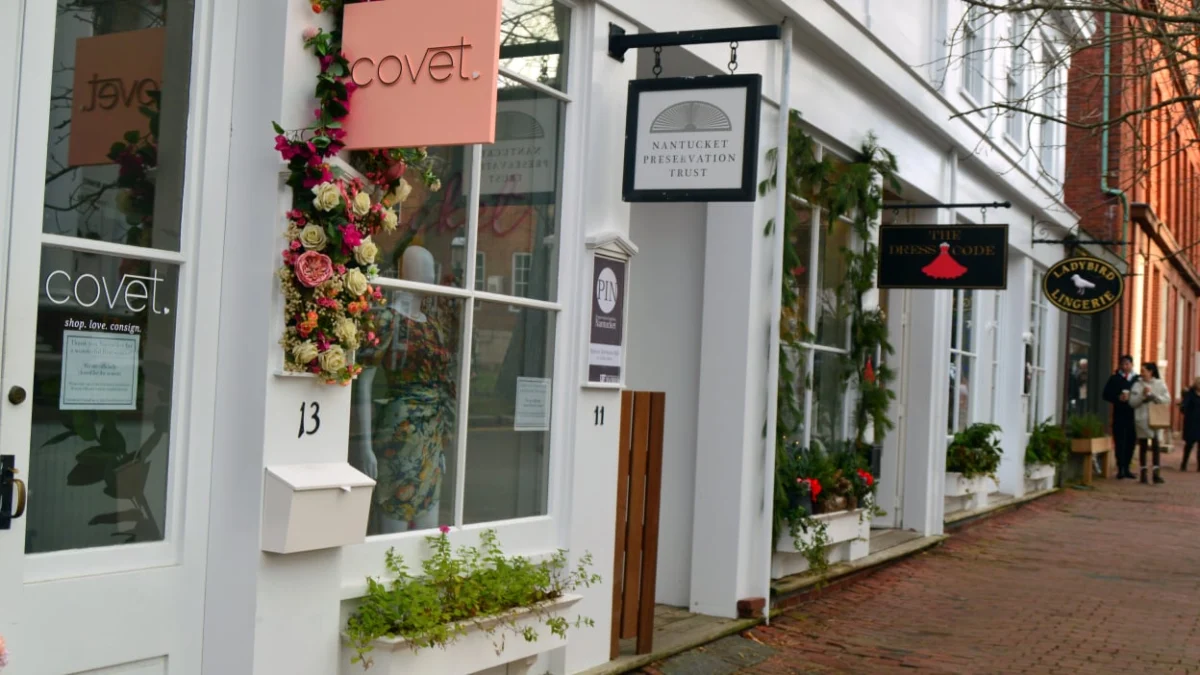
The Four Winds Craft Guild, a historic establishment on Nantucket’s Main Street, has become the epicenter of a national conversation regarding the friction between traditional brick-and-mortar businesses and the modern creator economy. A simple sign posted inside the shop, bearing the words "No influencers," ignited a viral confrontation that highlights the growing pains of a tourism industry increasingly dictated by social media algorithms.
The guild, which has specialized in handcrafted Nantucket baskets, carvings, and fine art since 1948, shared a photograph of the sign on its Instagram account during the final weekend of July. The post quickly moved beyond the island’s shores, drawing thousands of comments and reviving a long-standing debate over whether digital creators provide a valuable marketing service or represent a disruptive force that undermines the authenticity of physical spaces.
The controversy deepened when Paige Paul, a prominent influencer and the founder of the lifestyle brand Dairy Boy, publicly criticized the store’s stance. Paul, who recently opened her own storefront on Nantucket, argued that the "No influencers" sentiment was an attack on a professional industry largely built and managed by women.
In a lengthy response shared via social media, Paul suggested that mocking the influencer industry is a form of delegitimization. She noted that the creator economy allows women to build multi-million dollar businesses with direct-to-consumer reach that previously required massive corporate backing. Paul contended that a store celebrating the history of women’s craft on Nantucket should not be disparaging women who have found modern economic independence through digital platforms.

The Four Winds Craft Guild did not retreat from the backlash. After the original post was reportedly flagged for community guideline violations, the store used its Instagram Story to respond to its critics. The business suggested that those offended by the sign were perhaps "bored with life," framing the "No influencers" policy as a necessary boundary for maintaining the shop’s environment.
This incident is not an isolated event but rather the latest development in a years-long trend of businesses setting firm boundaries against social media filming. Across the United States and Europe, shop owners and municipal leaders are grappling with "main character syndrome," a colloquial term for individuals who treat public or private businesses as personal film sets without regard for other patrons or employees.
In 2023, the Brooklyn-based design shop and cafe Dae implemented a "no-photo-shoot" policy after staff reported that creators were bringing tripods and professional lighting kits into the small space. While the cafe continued to allow casual snapshots of food and drinks, it banned the elaborate, multi-hour productions that blocked walkways and disrupted the quiet atmosphere customers expected.
The economic impact of influencers is undeniable, making the decision to ban them a complex financial choice for many small businesses. According to a 2025 consumer survey by Sprout Social, 32 percent of all consumers reported making a purchase based on an influencer’s recommendation within the last year. Among younger demographics, that number rises sharply to 53 percent for Gen Z and 48 percent for Millennials.
For many independent retailers, a single viral video can result in a total inventory sell-out within hours. However, for established luxury or heritage brands in high-traffic destinations like Nantucket, the volume of visitors generated by a viral post can often exceed the physical capacity of the shop. This results in "overtourism," where the sheer number of people seeking a photo opportunity creates a net negative experience for high-spending, long-term clients.

The debate over social media tourism on Nantucket has been building for several seasons. The island, located 30 miles off the coast of Massachusetts, has long been a haven for the wealthy and those seeking a quiet, historical retreat. The rise of "cottagecore" aesthetics and "preppy" fashion trends on TikTok has turned the island’s cobblestone streets and shingled houses into some of the most sought-after backdrops in the world.
In May, the opening of Paige Paul’s Dairy Boy pop-up shop over Memorial Day weekend saw hundreds of fans lining up for hours, prompting local residents on community forums to question if the island was becoming too commercialized. Critics argued that the influx of "trend-seekers" was changing the character of the downtown area, turning a historic whaling port into a revolving door of digital marketing activations.
Nantucket officials have already begun taking legislative steps to manage the impact of digital media on the island’s infrastructure. Following the filming of the Peacock series The Five-Star Weekend, an adaptation of an Elin Hilderbrand novel, the Nantucket Select Board overhauled the town’s filming policy. The board expressed concerns that major productions and the subsequent surge in "set-jetting" tourism could overwhelm the island’s limited resources.
Public spaces on the island are also feeling the strain. The Sconset Bluff Walk, a famous public path that meanders through the private backyards of multi-million dollar estates, has seen a surge in trespassing and property damage. Residents have reported visitors stepping off the designated path to pose for Instagram photos on private porches or trampling carefully maintained landscaping to find the perfect camera angle.
The challenge for businesses like Four Winds Craft Guild is that modern technology makes "influencing" nearly invisible. While the era of the bulky DSLR camera and the six-foot tripod was easy to monitor, the advent of high-definition smartphones and camera-equipped smart glasses has made it difficult to distinguish between a tourist taking a souvenir photo and a professional creator filming a commercial vlog.

Some businesses have attempted to monetize the disruption rather than ban it entirely. High-end fitness studios, such as the Tracy Anderson Method, have introduced policies where only premium members paying high monthly fees are permitted to film themselves during classes. This approach treats the right to create content as a luxury add-on, though it has faced criticism from drop-in visitors who find the rules exclusionary.
Marketing experts suggest that the "No influencers" sign at the Nantucket store may actually be a calculated branding move. By rejecting the "viral" culture of the moment, a heritage brand can signal to its core clientele that it prioritizes tradition, privacy, and the physical shopping experience over digital clout. This "anti-marketing" strategy can be highly effective in luxury markets where exclusivity is the primary selling point.
However, the irony of the Four Winds Craft Guild controversy was not lost on digital observers. By posting a sign intended to discourage influencer attention, the store inadvertently created the most viral moment of the Nantucket summer season. The sign itself became "content," shared across platforms and discussed by the very people it sought to exclude.
The debate highlights a fundamental shift in how physical space is valued in the 21st century. For the creator, a store is a stage and a resource for building a personal brand. For the shop owner, the store is a private sanctuary of commerce where the presence of a camera can feel like an intrusion on the relationship between the merchant and the customer.
As Nantucket moves into the peak of its summer season, the tension between the island’s historic identity and its status as a social media destination remains unresolved. Other local businesses are reportedly watching the fallout from the Four Winds incident closely, weighing the benefits of viral exposure against the desire to maintain a quiet, traditional atmosphere for their patrons.

The "No influencers" sign serves as a stark reminder that as the digital and physical worlds continue to merge, the boundaries of public and private behavior are being redrawn. Whether such bans will become a standard feature of high-end retail or remain a reactionary gesture against a changing economy is a question that will likely persist as long as the "like" button continues to drive global tourism.