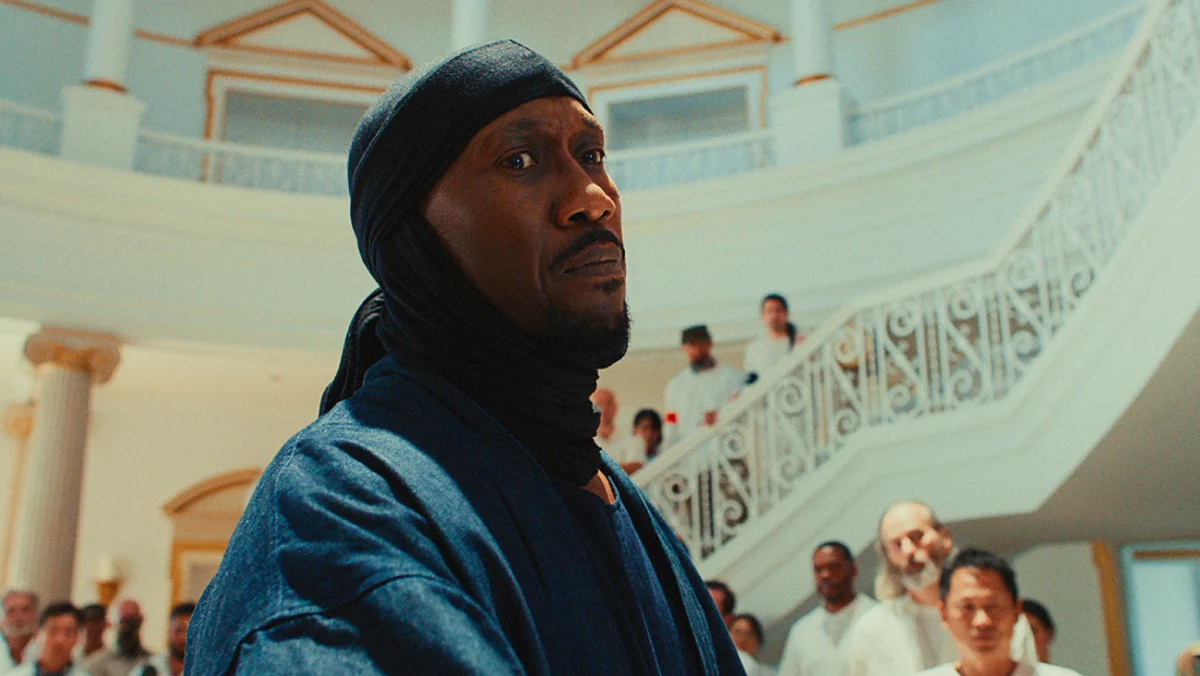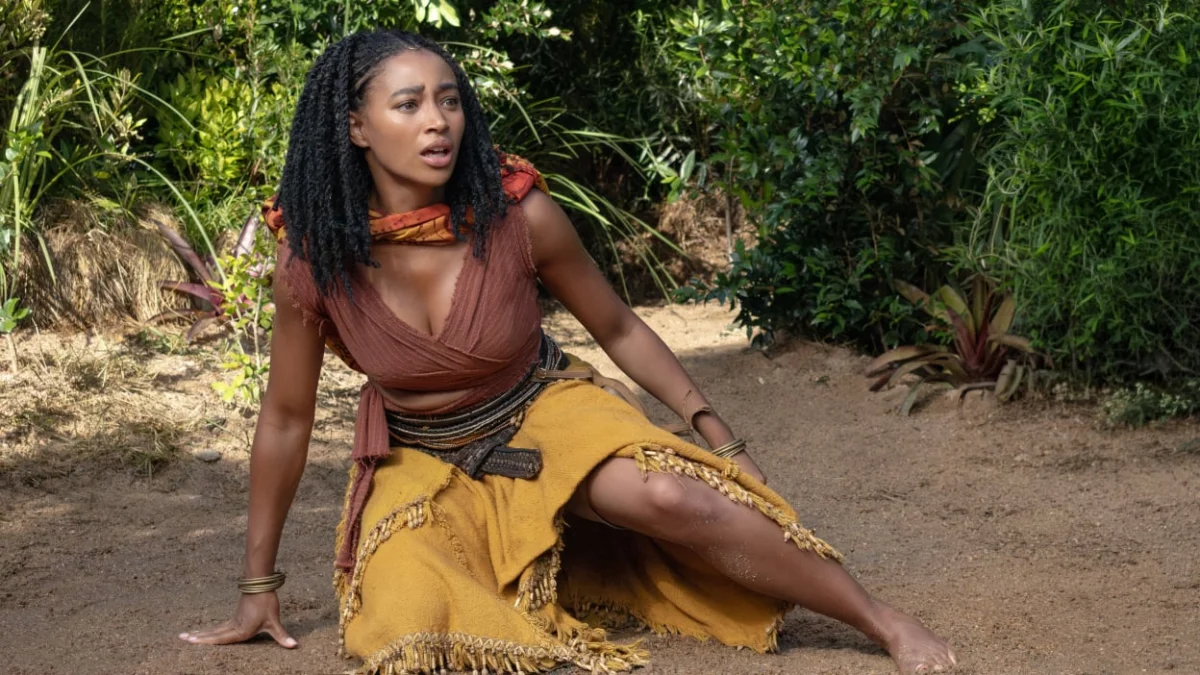
The long-awaited cinematic adaptation of Tomi Adeyemi’s bestselling fantasy novel has moved into its final stages of promotion, yet the project remains shadowed by a series of high-profile controversies involving casting choices, allegations of colorism, and a stunning public break between the author and the production. While the debut of the film’s first trailer in Brooklyn this week initially generated a wave of excitement, the subsequent digital discourse has highlighted a deep rift within the fandom that spans across social media platforms like TikTok, X, and Reddit. The friction underscores a broader debate regarding the responsibilities of Hollywood studios when adapting works deeply rooted in specific cultural and racial identities.
At the center of the discord is the public declaration from Tomi Adeyemi, the creator of the Children of Blood and Bone universe, that she has officially separated herself from the film. In a series of emotional social media posts in late July 2026, Adeyemi alleged that her experience working on the adaptation was a "nightmare" that left her experiencing severe panic attacks and physical somatic pain. These allegations have cast a pall over what was intended to be a landmark moment for Black fantasy cinema, leaving fans to weigh their support for the film against the vocal distress of its original creator.
The Cultural Weight of Orïsha and the Path to Production
Children of Blood and Bone debuted in 2018 to immediate critical and commercial acclaim, quickly becoming a cornerstone of the "BookTok" community. The novel, which draws heavily from Nigerian history and Yoruba spirituality, follows Zélie Adebola as she attempts to restore magic to the oppressed maji people in the fictional land of Orïsha. Its success was seen as a turning point for Young Adult (YA) fantasy, proving that stories centered on West African heritage could command global audiences.
The journey to the big screen began shortly after the book’s release, with the rights eventually landing at Paramount Pictures. The studio tapped Gina Prince-Bythewood, fresh off the success of The Woman King, to direct and co-write the screenplay alongside Adeyemi. On paper, the production appeared to have every ingredient for success: a visionary director, a massive budget, and the direct involvement of the author. However, as the project moved from development to production in South Africa, cracks began to emerge in the public-facing narrative of a harmonious collaboration.
The Casting of Amandla Stenberg and the Colorism Debate
The first major wave of fan division occurred in 2025 when the primary cast was announced. While many celebrated the inclusion of heavyweights like Thuso Mbedu, Regina King, and Idris Elba, the casting of Amandla Stenberg as Princess Amari became a lightning rod for criticism. In Adeyemi’s novel, Amari is explicitly described as having "dark copper skin," a physical trait that distinguishes her from her lighter-skinned royal family and symbolizes her internal journey toward empathy for the dark-skinned maji.
Critics and readers argued that by casting Stenberg, a lighter-skinned, biracial actress, the production was participating in a long-standing Hollywood pattern of colorism. This phenomenon involves the systemic preference for lighter-skinned actors of color in lead roles, often at the expense of darker-skinned performers who more accurately reflect the source material. For many fans, Amari’s skin tone was not a superficial detail but a core component of her character arc and the book’s thematic exploration of internalised prejudice.

Stenberg addressed the backlash at the time, stating she understood the protective nature of the fandom and noting that she had initially received encouragement from Adeyemi herself. However, the explanation did little to quell the debates on BookTok, where creators argued that the erasure of dark-skinned female leads in fantasy remains a persistent barrier to true representation.
Geographic and Ethnic Representation Concerns
Beyond the colorism debate, the film faced scrutiny regarding the ethnic composition of its cast. Given that the source material is an unapologetic love letter to Nigerian culture, many fans expected a higher concentration of Nigerian actors in the leading roles. While the ensemble features a prestigious array of Black talent from across the diaspora—including British-Nigerian actor Chiwetel Ejiofor—some critics felt the production missed an opportunity to elevate talent directly from the Nigerian film industry, Nollywood.
Discussions on platforms like X and Reddit highlighted a tension between the "global Blackness" often promoted by Hollywood and the specific cultural nuances of the Yoruba people. Fans questioned whether a production filmed in South Africa with a predominantly Western-based cast could capture the specificities of the Nigerian-inspired setting that made the book so resonant. These concerns about authenticity added another layer to the mounting skepticism surrounding the project’s creative direction.
Tomi Adeyemi’s Public Separation and Allegations
The situation escalated to a crisis point in July 2026 when Adeyemi took to TikTok to explain her silence regarding the film’s marketing campaign. In a video that quickly went viral, Adeyemi stated that she was "officially separating" her name from the adaptation. She revealed that she had not seen the final cut of the film and had no intention of doing so, describing the production process as "the worst thing I have ever had to live through."
Adeyemi’s allegations were not directed at specific individuals by name, but she claimed she was "antagonized" by those at the "highest level" of the project. She described leaving the set in South Africa in a state of physical and emotional collapse, citing "hyperventilating and sobbing" as recurring experiences during the shoot. The author’s decision to block Amandla Stenberg and publicly share a screenshot of a 2025 message telling the actress to "never use my name in an interview again" signaled a total breakdown in the relationship between the author and the film’s lead.
The severity of Adeyemi’s statements shocked the industry. While authors frequently express dissatisfaction with how their books are adapted, it is rare for an executive producer and co-writer to publicly denounce a major studio production months before its release. The move has forced fans into a difficult moral position: supporting a film that represents a milestone for Black representation while acknowledging the trauma claimed by the person who created the story.
The Role of Marketing and Industry Precedents
The timing of Adeyemi’s comments was reportedly triggered by the launch of the film’s marketing campaign. The author suggested that seeing her work used to promote a project she found harmful was the final straw. For Paramount, the timing could not be worse. The studio has invested hundreds of millions of dollars into Children of Blood and Bone, hoping it will launch a new fantasy franchise to rival The Hunger Games or Harry Potter.

Industry analysts have pointed to Adeyemi’s history of public disputes as a factor in how her claims are being processed by the public. In 2018, she famously accused Nora Roberts of title plagiarism, an allegation she later retracted with an apology. While some use this history to urge caution in judging the current situation, others argue that her past mistakes should not invalidate her current claims of workplace harassment and emotional distress. The lack of a formal response from Paramount or director Gina Prince-Bythewood has left a vacuum of information that fans are filling with speculation.
Broader Implications for Book-to-Film Adaptations
The controversy surrounding Children of Blood and Bone serves as a cautionary tale for the burgeoning "BookTok-to-Hollywood" pipeline. As studios increasingly look to social media trends to find their next hits, they are also inheriting the intense, community-driven expectations of those digital spaces. The "Children of Blood and Bone" movie is no longer just a film; it is a test case for how Hollywood handles cultural intellectual property and the creators behind it.
The division among fans also reflects a growing demand for "creative sovereignty" among authors of color. The debate suggests that simply having a seat at the table—as Adeyemi did as an executive producer—is not enough if the underlying power dynamics of the studio system remain unchanged. The conflict highlights the need for clearer protections and communication channels for authors who enter the high-stakes world of blockbuster filmmaking.
Impact on the Film’s Impending Release
As the January 15, 2027, release date approaches, the "Children of Blood and Bone" movie finds itself in a precarious position. The trailer has been praised for its stunning visuals, high production value, and the powerful performances glimpsed in its two-minute runtime. Director Gina Prince-Bythewood’s reputation for excellence in action and drama remains a significant draw for audiences who may be less plugged into the online controversy.
However, the "separated" status of the author remains a persistent talking point. Many fans have pledged to support the books by purchasing them from independent retailers while boycotting the film. Others argue that the film is the result of the hard work of thousands of Black artists, technicians, and actors who should not be punished for behind-the-scenes conflicts.
The Enduring Power of the Source Material
Regardless of the film’s eventual box office performance or critical reception, the legacy of the Children of Blood and Bone novel remains secure. It continues to be a foundational text for young readers seeking epic fantasy that reflects their own identities. The current controversy, while painful for the community, has sparked vital conversations about colorism, cultural authenticity, and the ethics of adaptation that will likely influence how future projects are handled.
For now, the land of Orïsha exists in two distinct forms: the beloved world of the page and the contested world of the screen. Whether the film can overcome its troubled production history to find success with a wider audience remains to be seen, but the division among the fans who first championed the story ensures that its journey to theaters will be one of the most scrutinized in recent cinematic history.