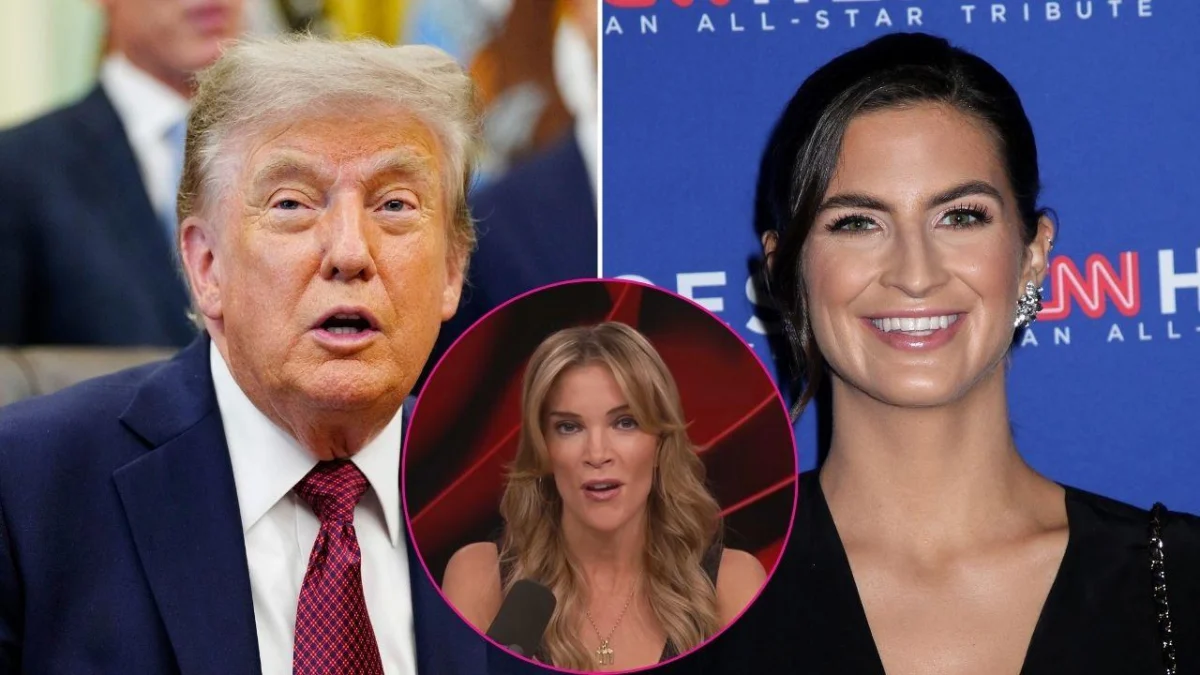
Conservative media personality Megyn Kelly has publicly defended former President Donald Trump’s controversial remarks targeting CNN’s chief White House correspondent, Kaitlan Collins, and transgender advocate Dylan Mulvaney during the recent White House Correspondents’ Dinner (WHCD), asserting that the widely criticized joke was a political success. Trump’s comments, delivered on July 24, sparked immediate and widespread backlash, particularly for comparing Collins to Mulvaney in a disparaging manner, yet Kelly maintained on her July 27 podcast that the jab was "clever" and strategically effective.
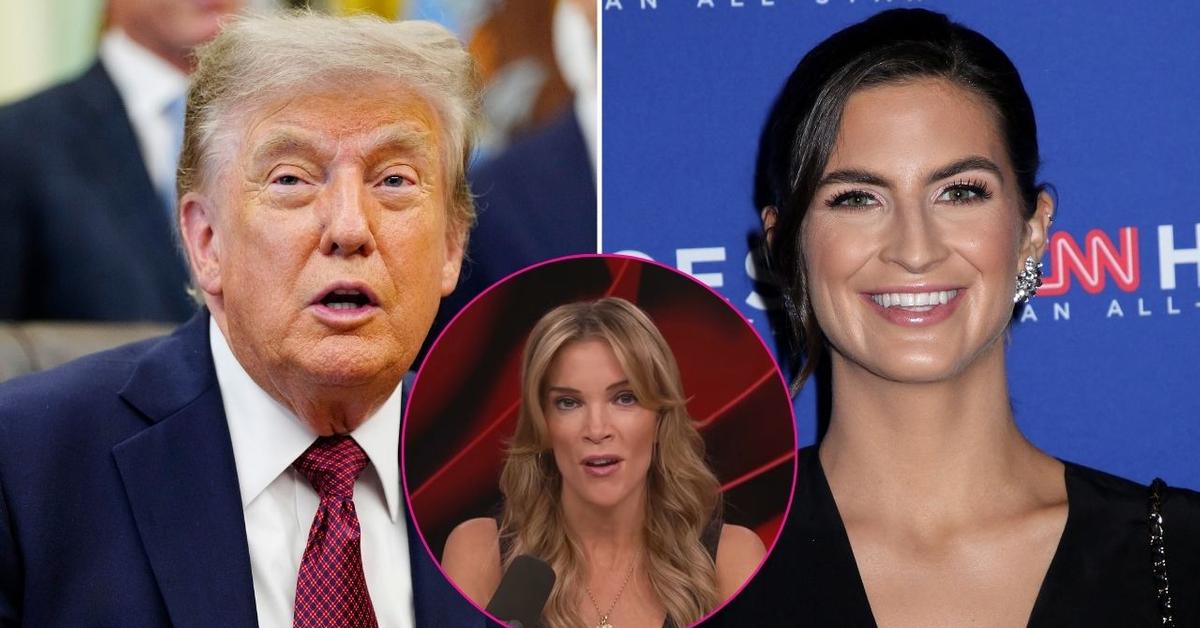
The incident unfolded during the annual White House Correspondents’ Dinner, an event traditionally designed to foster a spirit of camaraderie and lighthearted roast between the press and the presidency. On this occasion, Kaitlan Collins was honored with the prestigious Award for Excellence in Presidential News Coverage Under Deadline Pressure. During his speech, former President Trump not only dismissed the award as "fake" but also instructed Collins to "smile" more, before drawing a comparison between her and Dylan Mulvaney, explicitly referencing Mulvaney’s 2023 Bud Light partnership that had previously ignited significant conservative outrage and a subsequent boycott.
Kelly, a former Fox News and NBC anchor, elaborated on her perspective during an episode of her podcast, "The Megyn Kelly Show," featuring conservative historian Victor Davis Hanson. She characterized Trump’s joke as "funny" and "clever," explaining that its political efficacy stemmed from placing "the left in such a difficult position." According to Kelly, critics of Trump’s remark would be forced to "rip on a trans person" by implying that the comparison to Mulvaney was inherently insulting, thereby creating a perceived no-win scenario for his opponents. This analysis underscores a broader tactic in contemporary political discourse, where cultural flashpoints are leveraged to provoke reactions and highlight ideological divides.
The contentious remarks made at the WHCD were not an isolated incident in the ongoing tension between Donald Trump and Kaitlan Collins. The former president has frequently voiced his displeasure with Collins’s rigorous questioning style during press conferences and interviews, often criticizing her demeanor. Following the WHCD, Trump escalated his online campaign against Collins by posting an AI-generated image that superim posed Collins’s face onto Mulvaney’s body from the widely recognized Bud Light advertising campaign. This move further intensified the debate, drawing additional scrutiny to the nature of political attacks and the use of artificial intelligence in political messaging.
Kelly’s defense of Trump’s criticism of Collins’s demeanor extends beyond the recent WHCD incident. She has previously echoed Trump’s sentiment that Collins "never smiles" during her reporting. In February, after Collins posed a question concerning Jeffrey Epstein, Trump deflected by commenting on her lack of a smile. Kelly subsequently stated on her show that she had made a similar observation about Collins a year prior. She further invoked the advice of former Fox News chairman Roger Ailes, who reportedly encouraged anchors to "remember to smile, show the viewers that you have a heart." This reference to Ailes is particularly notable given that Kelly was one of nearly two dozen women who accused him of sexual harassment in 2016, allegations Ailes denied before his resignation that same year. The invocation of Ailes’s coaching in this context adds another layer to the discussion, highlighting historical power dynamics within media and the gendered expectations placed on female journalists.

The broader implications of Trump’s comments and Kelly’s defense touch upon several critical aspects of public discourse, media relations, and political strategy. Trump’s consistent targeting of individual journalists, especially those from outlets he deems critical, reinforces a narrative of media bias among his supporters. The White House Correspondents’ Dinner, once a bipartisan event for humor and self-deprecation, now increasingly serves as a battleground for political and cultural grievances. Kelly’s argument that the Mulvaney comparison was a strategic maneuver illustrates how issues of gender identity and LGBTQ+ rights are often integrated into political attacks, aiming to mobilize a conservative base that views such topics as central to ongoing "culture wars."
The "smile" comment directed at Collins also reflects a persistent critique leveled at women in professional roles, particularly in high-stakes environments like political journalism. Such remarks often divert attention from the substance of journalistic inquiry to the superficial aspects of a reporter’s presentation, potentially undermining their credibility and professionalism. Kelly’s endorsement of this criticism, while framed as advice for connecting with viewers, resonates with traditional gendered expectations that have long been a subject of debate within media and professional spheres.
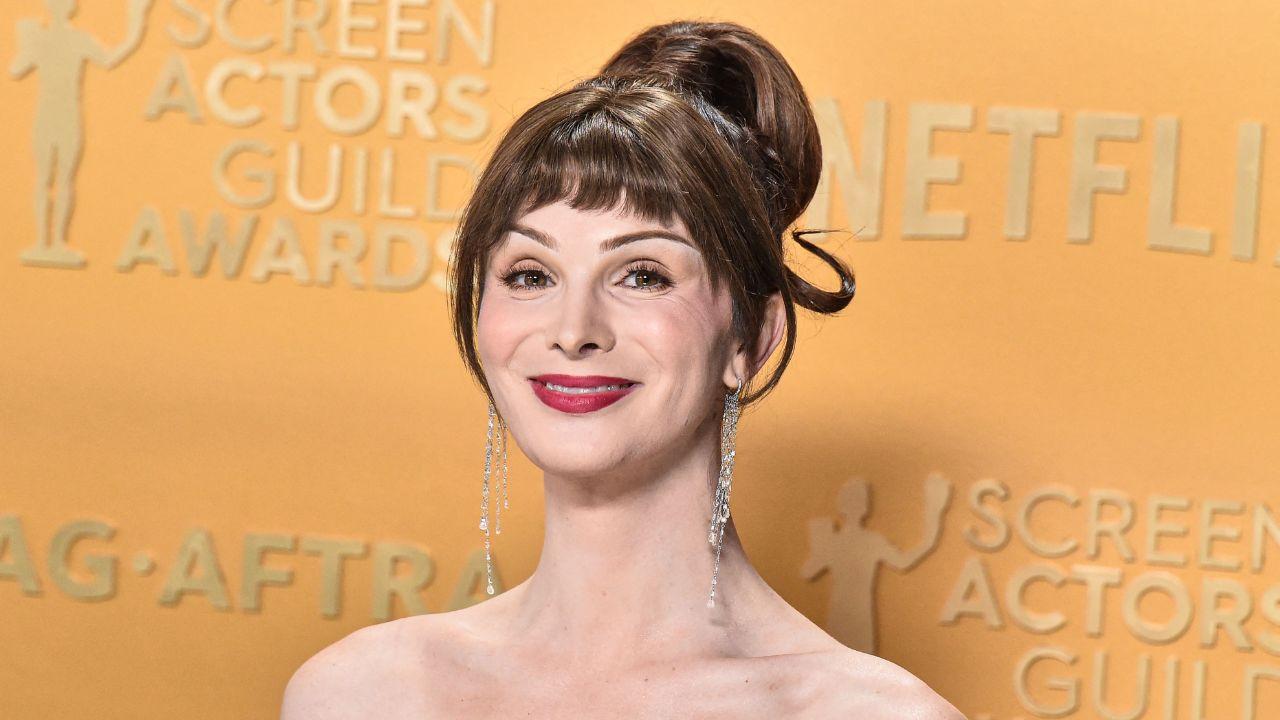
Reactions to Trump’s WHCD performance were largely polarized. While many in the mainstream media and progressive circles condemned the remarks as misogynistic and transphobic, some conservative commentators and Trump’s base viewed them as a legitimate critique of the media and a defiant stand against "woke" culture. Kaitlan Collins herself addressed the controversy during an appearance on The Daily Show with Jon Stewart, stating, "It’s really not about me, and I don’t want it to be about my reaction." Her measured response aimed to redirect focus from the personal nature of the attack back to the broader issues of journalism and political conduct.
The episode underscores the deeply fractured nature of the American political and media landscape. Trump’s approach to communication, characterized by direct personal attacks and the leveraging of cultural wedge issues, continues to be a defining feature of his public presence. Megyn Kelly’s interpretation highlights how such tactics are perceived by some as politically shrewd, despite the ensuing public outcry and accusations of incivility. As the nation approaches future electoral cycles, the dynamics observed at the White House Correspondents’ Dinner, and the subsequent analysis by figures like Kelly, suggest that personalized attacks and cultural grievances will likely remain central to political rhetoric, further challenging the traditional boundaries of media engagement and public discourse.