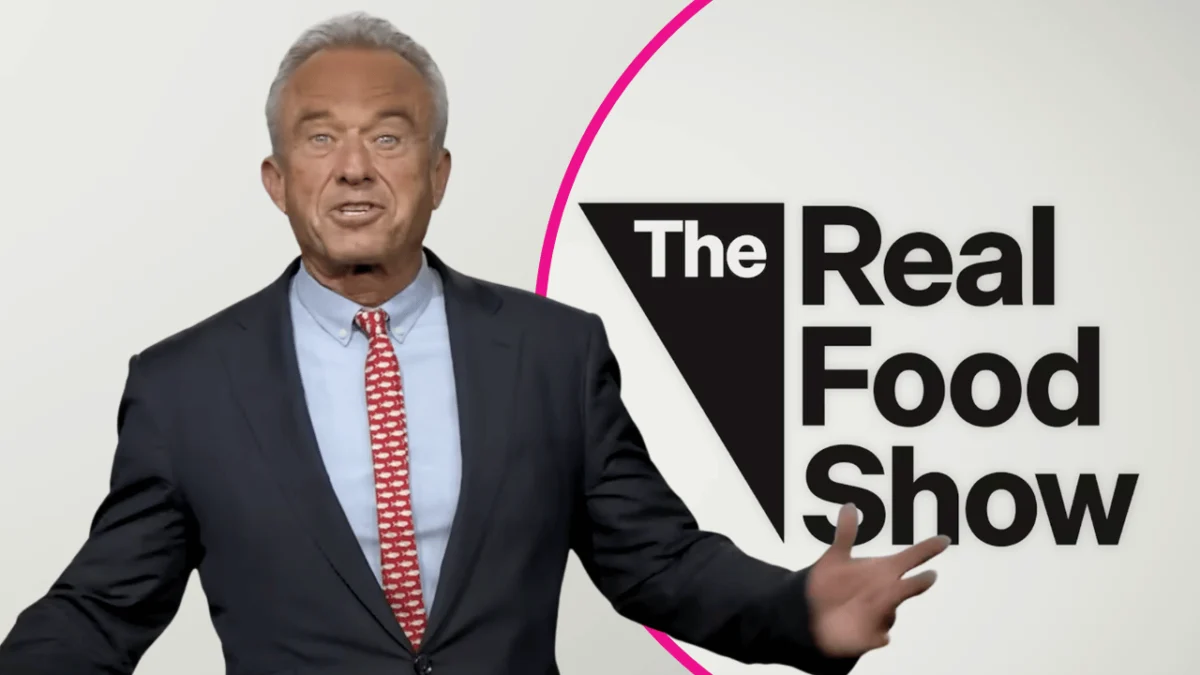
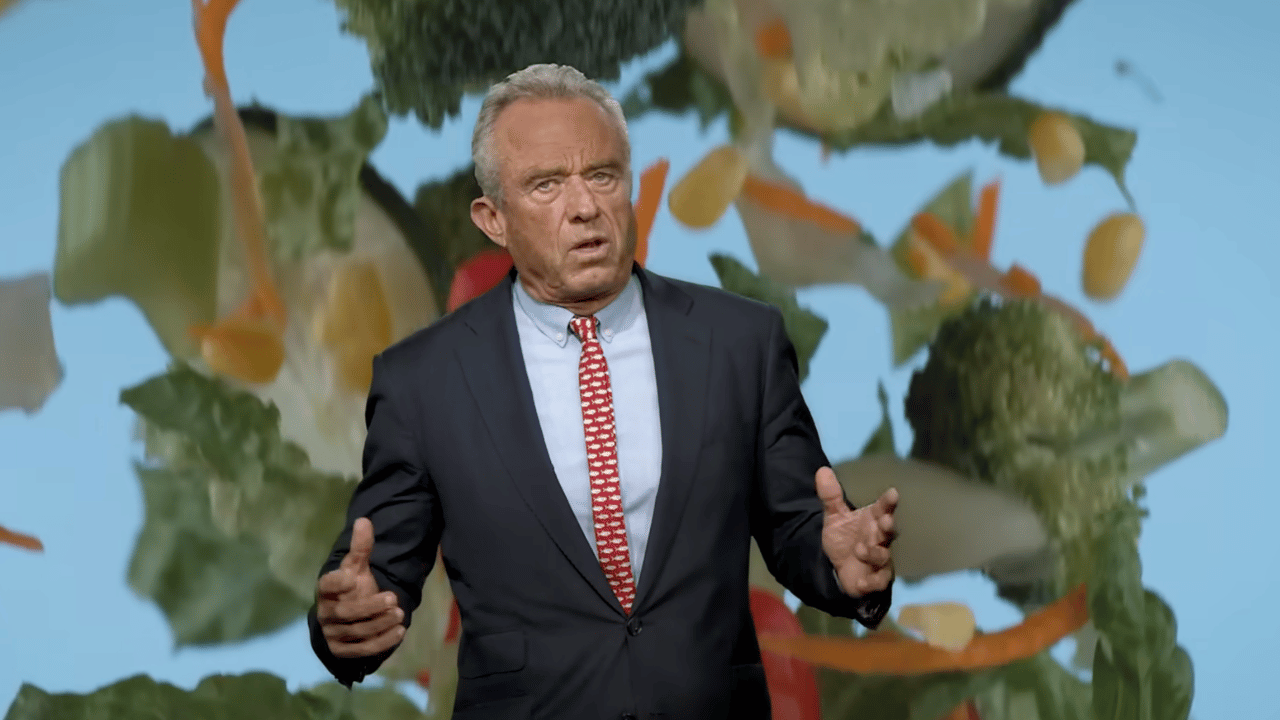
Health and Human Services Secretary Robert F. Kennedy Jr. has officially debuted "The Real Food Show," an online cooking series available on YouTube, as a central component of his administration’s "Make America Healthy Again" (MAHA) initiative. This new venture aims to demonstrate the accessibility, affordability, and health benefits of preparing whole, unprocessed foods, with a stated goal of keeping meals under $5 per serving. However, the launch has been met with significant criticism, primarily due to the show’s endorsement of a controversial, revised food pyramid that has been labeled scientifically flawed and potentially dangerous by numerous medical and nutritional experts.
The "Make America Healthy Again" Initiative and its Vision
The "Make America Healthy Again" (MAHA) initiative, spearheaded by Secretary Kennedy, represents a broad effort to reshape public health discourse and policy within the current administration. Launched with the stated aim of combating what the administration perceives as a national crisis of diet-related illnesses, MAHA advocates for a radical shift in American eating habits. The initiative’s philosophy centers on the belief that modern chronic diseases are largely attributable to the prevalence of ultra-processed foods and an overemphasis on certain macronutrients in traditional dietary guidelines. Kennedy and his supporters argue that by returning to "real food"—minimally processed ingredients—Americans can significantly improve their health outcomes. This focus on dietary reform is positioned as a foundational element for a healthier nation, echoing the administration’s broader health agenda.
For decades, the United States Department of Agriculture (USDA) and the Department of Health and Human Services (HHS) have issued federal dietary guidelines, most famously visualized through models like the Food Guide Pyramid and its successor, MyPlate. These guidelines traditionally emphasized a diet rich in grains, fruits, and vegetables, with more moderate intake of proteins and fats. The underlying scientific consensus for these recommendations has historically focused on reducing saturated fats and cholesterol to prevent cardiovascular disease, and ensuring adequate fiber and micronutrient intake. Secretary Kennedy’s MAHA initiative, however, challenges these long-standing tenets, proposing a fundamental reevaluation of what constitutes a healthy diet for the American public. This ideological divergence sets the stage for the contentious reception of "The Real Food Show" and its associated dietary recommendations.
"The Real Food Show" Debuts to Public Scrutiny
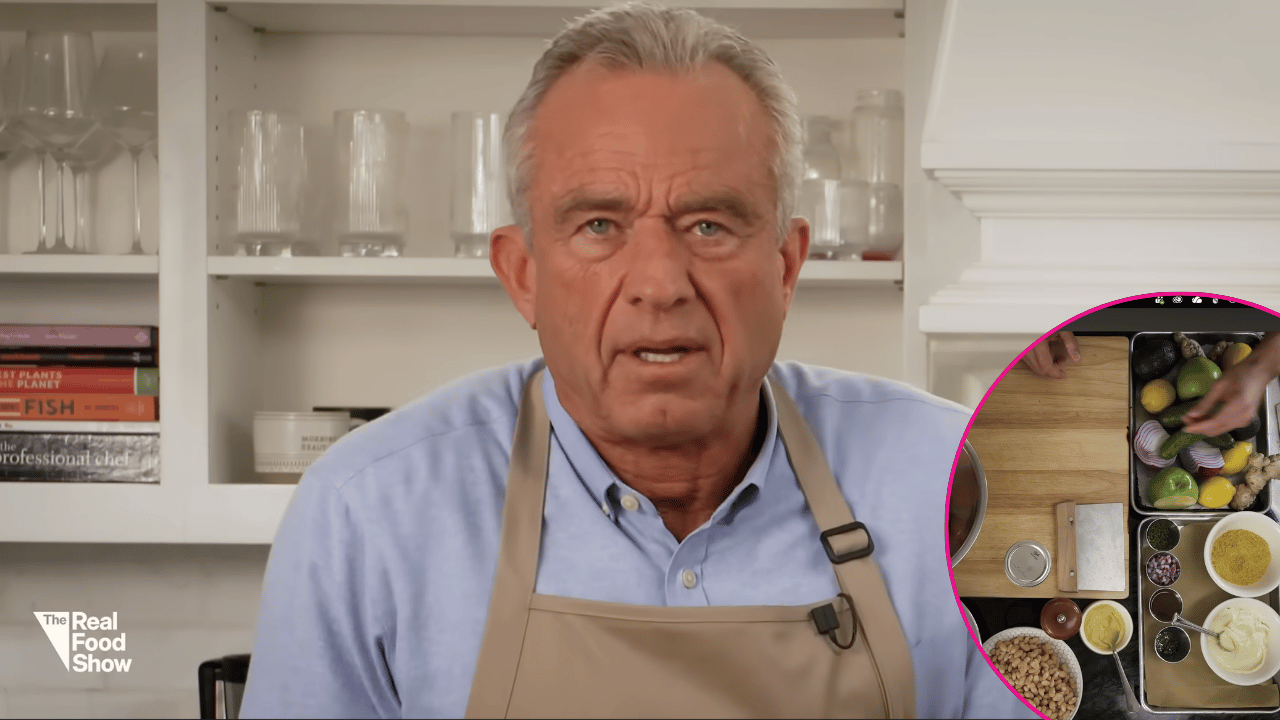
"The Real Food Show" premiered on Thursday, July 30, on YouTube, marking a significant step in the MAHA initiative’s public outreach strategy. The series features Secretary Kennedy traveling across the country, collaborating with a rotating cast of celebrity chefs. Notable culinary figures like Andrew Gruel, an Orange County, California-based chef renowned for his sustainable seafood practices, and former Food Network personality Robert Irvine, are among those joining Kennedy in the kitchen. Each episode is designed to showcase practical, budget-friendly recipes that align with the MAHA philosophy of whole-food consumption.
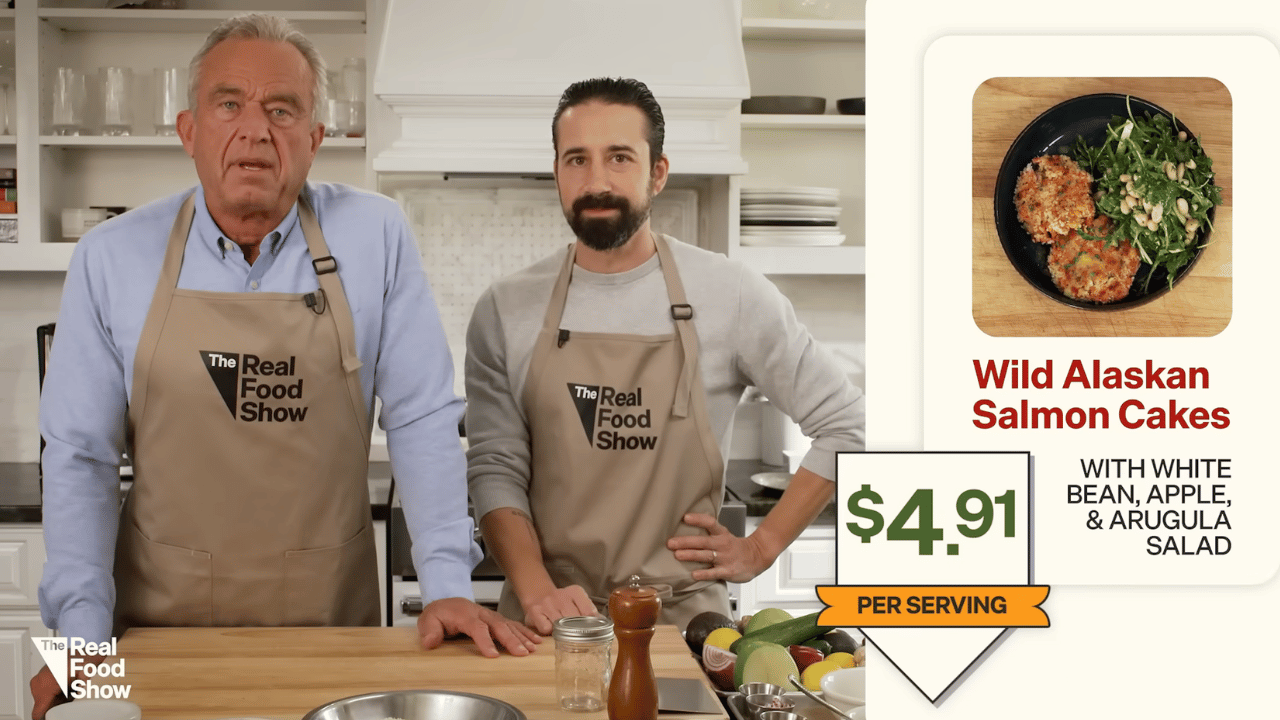
The inaugural episode featured Secretary Kennedy and Chef Gruel preparing crispy salmon cakes accompanied by an apple, white bean, and greens salad. This dish was presented as an example of a meal that is both nutritious and economical, adhering to the show’s pledge of under-$5-per-serving cost-effectiveness. The production quality and guest chef lineup are clearly intended to make healthy cooking appealing and accessible to a broad audience. The show’s narrative emphasizes simplicity and the idea that anyone can adopt these dietary changes, regardless of culinary skill or income level. Through these demonstrations, "The Real Food Show" aims to demystify cooking with unprocessed ingredients and to directly engage the public in the MAHA movement.
The Controversial "Upside-Down" Food Pyramid
Central to "The Real Food Show" and the broader MAHA initiative is the promotion of a radically altered "upside-down" food pyramid. This revised dietary model dramatically reorders traditional nutritional priorities. In Kennedy’s pyramid, whole proteins, healthy fats, and a wide array of vegetables form the foundational base, representing the largest proportion of daily intake. In stark contrast, grains, which traditionally occupied the base of government-issued food pyramids, are relegated to the very top, suggesting minimal consumption. Fruits are also positioned in a more moderate role compared to historical guidelines.
This "upside-down" structure directly challenges decades of conventional dietary wisdom. Traditional pyramids, from the USDA’s original Food Guide Pyramid to MyPlate, have consistently recommended that grains, particularly whole grains, constitute a significant portion of daily caloric intake, forming the largest segment of the dietary foundation. They also typically advise moderation in fat consumption, especially saturated fats, and often place animal proteins in a more constrained position than the new model. The Kennedy administration’s updated pyramid, by prioritizing fats and proteins while de-emphasizing grains, reflects a distinct nutritional philosophy that diverges sharply from established public health recommendations globally. This fundamental reorientation has immediately ignited a fierce debate within the scientific and medical communities.
Public Health Concerns Mount Over New Dietary Guidelines
The release of Secretary Kennedy’s new food pyramid and its promotion through "The Real Food Show" has triggered widespread alarm among medical organizations, cardiologists, and nutrition scientists across the nation. Critics have expressed profound concern that the new HHS guidelines are not only scientifically flawed but also potentially detrimental to public health. The core of their apprehension lies in the pyramid’s heavy emphasis on high-fat animal products and its downplaying of grains, which they warn could exacerbate America’s existing chronic disease crisis, particularly cardiovascular conditions.
The Defend Public Health group, an influential consortium of health professionals, explicitly branded the new pyramid a "cardiologist’s nightmare." They argue that actively encouraging increased consumption of animal fats, as implied by the pyramid’s structure, is likely to lead to a significant rise in low-density lipoprotein (LDL) cholesterol—commonly known as "bad" cholesterol. Elevated LDL levels are a well-established risk factor for heart disease, stroke, and other cardiovascular ailments. Critics contend that promoting such a diet could undo years of public health efforts aimed at reducing heart disease incidence and mortality. While many medical professionals laud the initiative’s focus on eliminating ultra-processed foods, a point of broad agreement, they vehemently disagree with the specific macronutrient ratios and food group prioritizations presented in the "upside-down" pyramid, calling its visual design and specific recommendations scientifically unsound and dangerous.
RFK Jr.’s Personal Diet and Public Scrutiny
Adding a layer of complex irony to the launch of "The Real Food Show" is Secretary Kennedy’s own highly publicized and often unorthodox personal eating habits. Despite his public role in promoting balanced dietary guidelines for the nation, Kennedy has openly stated that he personally adheres to a strict carnivore diet. This regimen consists almost entirely of meat, supplemented by fermented foods such as sauerkraut, and excludes most plant-based foods, including grains, fruits, and many vegetables—a diet that stands in stark contrast to even the revised, protein-and-fat-heavy pyramid he champions for the general public.
Kennedy has also garnered media attention for admitting to a lifelong habit of collecting roadkill, a practice he claims is primarily for feeding his pet birds of prey. In a candid 2001 quote, he described "cutting the p—– out of a roadkilled raccoon" on an interstate, reflecting on the perceived eccentricities within his family. More recently, during promotional press for "The Real Food Show," Kennedy further turned heads by asserting, "I don’t have a gag reflex," implying a willingness to consume anything. These personal revelations, ranging from his extreme dietary preferences to his unusual foraging habits, have fueled public scrutiny and raised questions about the consistency of his message. Critics contend that such personal choices, particularly when they diverge so significantly from widely accepted health norms, undermine his credibility as the nation’s chief health official and create confusion among the public regarding sound nutritional advice.
The White House, in its official description of "The Real Food Show," emphasizes that "Every episode is packed with affordable, budget-friendly recipes and easy cooking techniques designed to save you time and money. Plus, you’ll get practical nutrition advice to help fuel your family, all while watching incredible special guests whip up their favorite healthy signature dishes right alongside Secretary Kennedy." This official framing aims to highlight the show’s practical benefits and its commitment to making healthy eating accessible. However, the juxtaposition of this wholesome marketing with the controversy surrounding the new food pyramid and Kennedy’s personal dietary choices ensures that "The Real Food Show" will remain a focal point of discussion, not just for its culinary content but for its broader implications for public health policy and the perception of government health officials.
Navigating the Future of American Nutrition
The launch of "The Real Food Show" by HHS Secretary Robert F. Kennedy Jr. marks a significant and contentious moment in the ongoing national conversation about diet and public health. While the initiative’s call to eliminate ultra-processed foods resonates with a broad spectrum of health advocates, its endorsement of an "upside-down" food pyramid has ignited a fierce debate among medical professionals and nutrition scientists. Critics warn that prioritizing high-fat animal products over traditional grain recommendations could pose serious risks, potentially escalating chronic diseases like heart disease.
This divergence in expert opinion, coupled with Secretary Kennedy’s unconventional personal dietary habits, underscores the complexities of crafting and communicating public health guidelines in an era of diverse nutritional philosophies and intense media scrutiny. As "The Real Food Show" continues its run, it will undoubtedly serve as a platform for both culinary inspiration and robust scientific debate. The challenge for the MAHA initiative, and indeed for the future of American nutrition policy, will be to navigate these conflicting perspectives while striving to provide clear, evidence-based guidance that genuinely improves the health and well-being of the population. The coming months will likely reveal how the public responds to these new recommendations and how the medical community continues to advocate for its long-established principles of dietary health.