The highly anticipated sequel to Warner Bros.’s blockbuster hit, Barbie, faces significant delays as the studio struggles to finalize new agreements with director and co-writer Greta Gerwig, and stars Margot Robbie and Ryan Gosling. This contractual impasse has cast a shadow over the future of the franchise, with a critical December deadline looming before the film rights are set to revert to toy manufacturer Mattel.
The Stalemate Over Barbieland’s Future
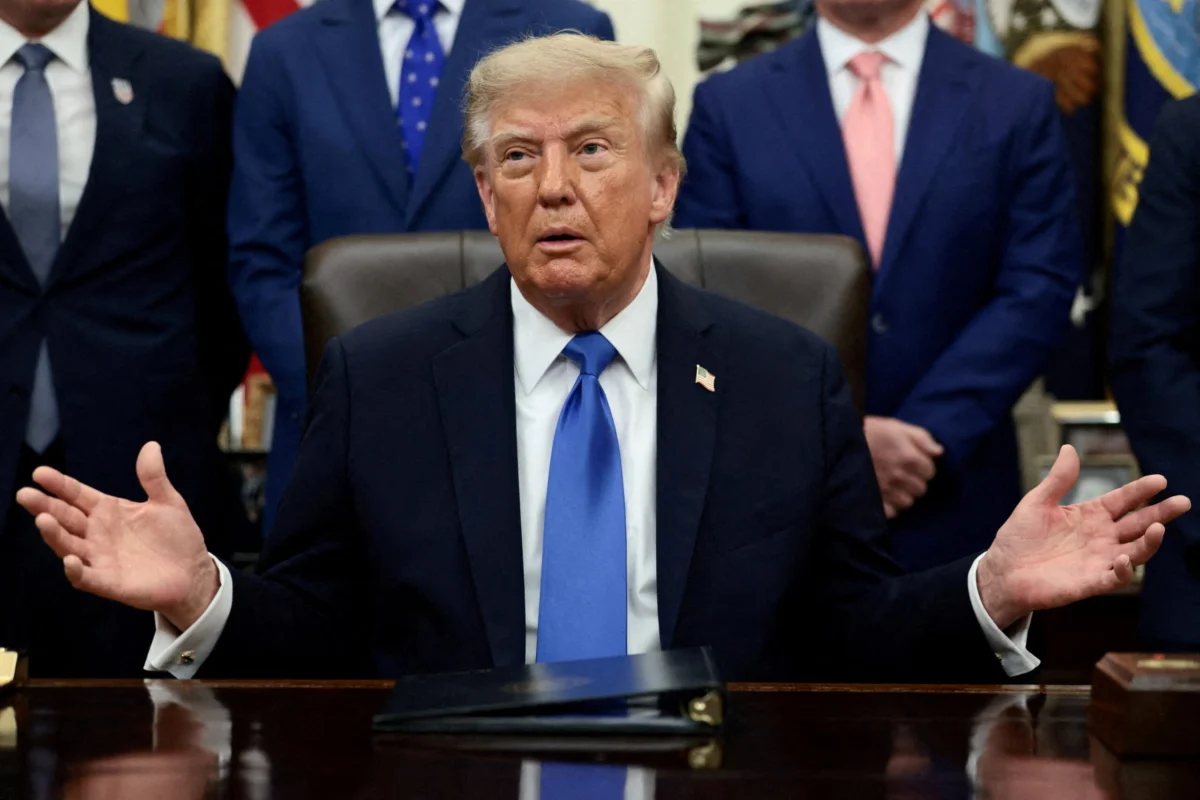
Warner Bros. has been engaged in protracted discussions with the principal creative and acting talents behind the 2023 cinematic phenomenon for several months. Central to these negotiations are proposals for profit-sharing arrangements, contingent on the sequel achieving specific box office milestones. Reports suggest that Warner Bros. Discovery CEO David Zaslav reportedly deemed a proposed deal "too generous," a characterization the studio’s spokesperson has disputed. According to the studio, talent representatives declined an offer made in May and have yet to submit a counteroffer, leading to the current stalemate.
In an official statement, studio co-chairs Pam Abdy and Michael De Luca confirmed the situation. "We have a rights deal with Mattel in place and have made a series of big offers to try and finalize deals to make the next Barbie film," they stated. "Unfortunately, we have been unable to reach an agreement thus far." This candid admission underscores the complexities of securing the essential components for a follow-up to one of the most successful films in recent memory.
A Phenomenal Precedent: The Original Barbie Success
The original Barbie film, released in July 2023, transcended mere box office success to become a global cultural touchstone. Directed by Greta Gerwig and co-written with Noah Baumbach, the film captivated audiences worldwide, grossing an astounding $1.5 billion. Its distinctive pink aesthetic, sharp social commentary, and ingenious marketing campaign, particularly its simultaneous release with Christopher Nolan’s Oppenheimer—dubbed "Barbenheimer"—cemented its place in pop culture history.
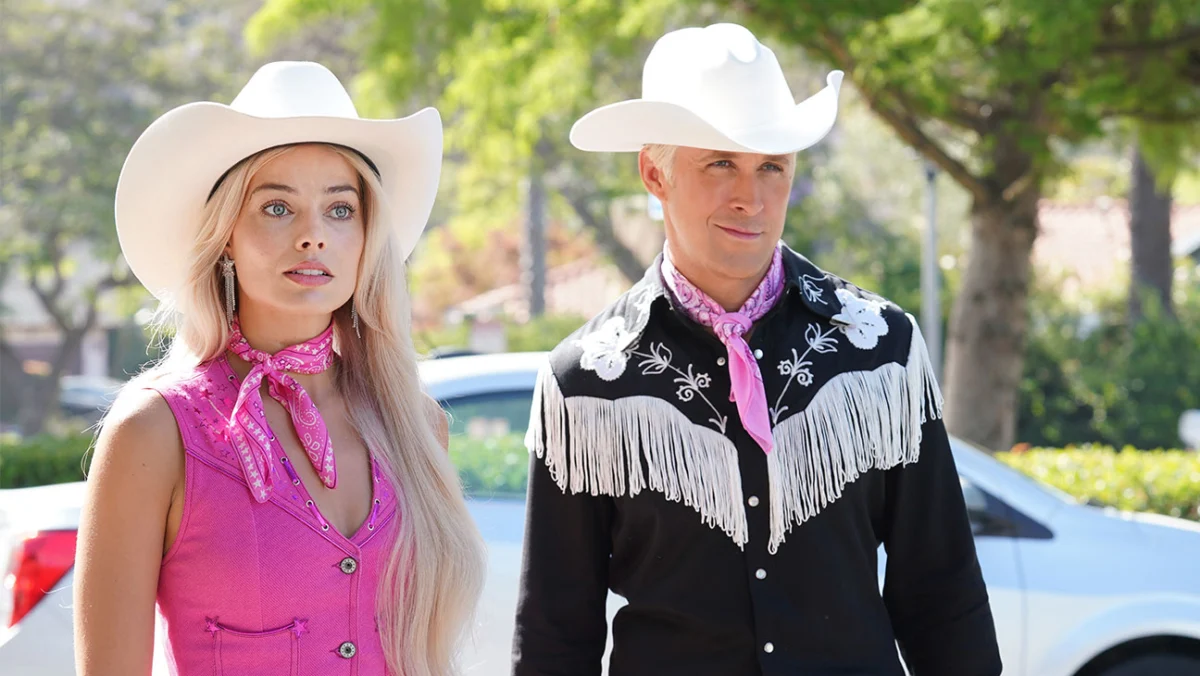
The film garnered critical acclaim, earning eight Academy Award nominations, including Best Picture, and winning for Best Original Song with Billie Eilish and Finneas O’Connell’s "What Was I Made For?" Margot Robbie, who also served as a producer through her LuckyChap Entertainment banner, received widespread praise for her portrayal of the titular character, while Ryan Gosling’s performance as Ken earned him an Oscar nomination for Best Supporting Actor. The immense success of the first film positioned a sequel as a near certainty, elevating the negotiating power of its key architects.
Mattel’s Cinematic Ambitions and IP Strategy
The looming December deadline is not merely a contractual formality but a critical juncture for Mattel’s broader strategy to leverage its vast intellectual property. Following the Barbie film’s unprecedented success, Mattel has aggressively pursued plans to develop a cinematic universe based on its iconic toy brands. Mattel Films, established in 2018, aims to translate its popular toys into compelling narratives for the big screen, with Barbie serving as the flagship project.
For Mattel, the ability to control and exploit the Barbie IP is paramount. If Warner Bros. fails to secure the necessary talent deals by the deadline, the film rights would revert to Mattel. This scenario would grant Mattel the option to pursue a Barbie sequel with another studio or an entirely different creative team, potentially altering the franchise’s trajectory significantly. The original film was a masterclass in revitalizing a legacy brand for a modern audience, a feat Mattel would be keen to replicate, regardless of the studio partner.
The Intricacies of Hollywood Contracts and Talent Compensation
The current negotiations highlight the perennial tension between Hollywood studios and top-tier talent, particularly in the wake of a massive box office hit. Profit participation, often referred to as "backend" compensation, is a standard practice for A-list actors and filmmakers. This arrangement allows key personnel to receive a percentage of a film’s net or gross profits, typically after the studio recoups its production and marketing costs. For a film that performs as exceptionally as Barbie, these backend deals can translate into tens or even hundreds of millions of dollars for the participants.
Sources familiar with the negotiations indicate that Warner Bros. has been offering a share of the profits if the sequel meets specific box office thresholds. However, the exact percentage, the definition of "profits" (which can be heavily negotiated), and the thresholds themselves are common points of contention. The reported involvement of Warner Bros. Discovery CEO David Zaslav in deeming a proposed deal "too generous" suggests a corporate focus on cost control and maximizing studio returns, potentially clashing with the talent’s expectations for a fair share of the wealth generated by their success. Zaslav has been known for his aggressive cost-cutting measures and strategic restructuring since the merger that formed Warner Bros. Discovery.
Warner Bros. Discovery’s Strategic Imperatives
For Warner Bros. Discovery, securing a Barbie sequel is not just about extending a successful franchise; it’s a strategic imperative in a challenging media landscape. The company has been navigating significant debt following the merger and has prioritized robust, high-performing intellectual properties to drive revenue and subscriber growth across its theatrical and streaming platforms. Franchises like Barbie provide a stable foundation for future financial performance and market positioning.
The studio has a vested interest in maintaining continuity with the original film’s creative team and stars, given their proven ability to deliver both critical and commercial success. Losing Gerwig, Robbie, and Gosling would not only be a blow to the Barbie franchise but could also signal difficulties in attracting and retaining top talent for other high-profile projects. The current stalemate underscores the high stakes involved for both sides.
Broader Implications for the Industry
This high-profile negotiation sends ripple effects across the entertainment industry. It reinforces the significant leverage that successful directors and stars can command, especially when they are instrumental in creating a cultural phenomenon. It also highlights the complexities of balancing creative ambitions with corporate financial mandates.
Should Warner Bros. fail to secure the original team, it could set a precedent for how studios approach sequels to unexpected blockbusters. The question of whether a sequel can replicate the magic without its original architects will undoubtedly be a topic of intense debate among fans and industry analysts. Conversely, if Mattel chooses to move forward with a different studio or team, it could reshape the landscape of IP development and studio partnerships.
Uncertainty Looms for the Next Chapter of Barbie
As the December deadline approaches, the future of the Barbie sequel remains in limbo. While Greta Gerwig and co-writer Noah Baumbach have reportedly had ideas for Barbie 2 for a couple of years, with early development discussions reported in 2024, the creative vision cannot move forward without the contractual framework in place.
The industry will be closely watching how this negotiation unfolds. The resolution will not only determine the fate of one of Hollywood’s most anticipated sequels but also offer insights into the evolving power dynamics, compensation structures, and strategic priorities that define the modern entertainment business. Without a definitive agreement, Barbieland’s return remains an open question, leaving fans and stakeholders alike awaiting the next development in this unfolding saga.