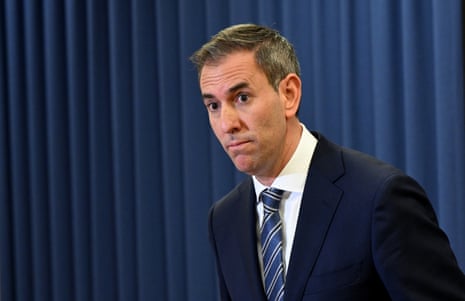
Treasurer Jim Chalmers has issued a direct mandate to the Australian Competition and Consumer Commission (ACCC) to intensify its monitoring of the nation’s fuel retailers as a significant tax relief measure officially expires. The expiration of the fuel excise cut, which had been implemented to shield households from surging energy costs, comes at a precarious time for the Australian economy as global oil prices remain volatile due to escalating tensions in the Middle East. Chalmers warned that the government would not tolerate price gouging at the bowser, emphasizing that the consumer watchdog has been authorized to scrutinize any price hikes that appear inconsistent with wholesale market movements.
The end of the excise relief marks a return to full taxation on petrol and diesel, a move that is expected to add several cents per liter to the cost of refueling. While the government acknowledges the immediate impact on the cost of living, officials have maintained that the subsidy was never intended to be a permanent fixture of the federal budget. The Treasurer’s "like a hawk" directive serves as a formal warning to service station operators that the ACCC will be tracking price cycles and profit margins with increased frequency to ensure the tax increase is not used as a cover for broader inflationary practices.
The Expiration of Fuel Excise Relief and Regulatory Oversight
The fuel excise cut was originally introduced as a temporary measure to combat the inflationary pressures triggered by international supply chain disruptions and geopolitical instability. For months, Australian motorists benefited from a reduction in the federal levy, which at one point saved consumers approximately 16 cents per liter at the wholesale level. As of Monday, this relief has been fully withdrawn, restoring the excise to its previous rate.
Treasurer Chalmers clarified that while the tax increase is immediate, the impact on retail prices often takes several days to filter through to consumers. This delay is attributed to the "lag effect," where service stations must first exhaust their existing stocks of lower-taxed fuel before replenishing tanks with product purchased at the higher rate. The ACCC is specifically tasked with monitoring this transition period to ensure that retailers do not raise prices prematurely on old inventory.

"The regulator will step up its monitoring of fuel price movements," Chalmers stated during a national broadcast. "Any price increase that cannot be explained will face serious scrutiny. We have jacked up the penalties for petrol stations that rip off Australians, and they face multi-million dollar fines if they break the law." The government’s stance reflects a broader effort to manage public frustration as the consumer price index remains a primary concern for the Labor administration.
Middle East Volatility and Global Energy Markets
The timing of the excise restoration is complicated by the deteriorating security situation in the Middle East, a region critical to global oil production. Analysts have noted that any disruption to supply routes or production facilities in the region could send Brent crude prices higher, compounding the effect of the tax increase for Australian drivers. Treasurer Chalmers noted that these external factors have "turbocharged" the cost-of-living pressures facing the domestic economy.
Despite these pressures, the Treasury has remained firm on its fiscal strategy. Chalmers argued that the government cannot afford to subsidize fuel indefinitely, citing the need for budget repair and the funding of essential services. He noted that even with the return of the full excise, current fuel prices in many parts of the country remain lower than the record peaks seen immediately following the outbreak of major international conflicts last year.
Housing Market Cooling After Period of ‘Extraordinary Growth’
In addition to energy concerns, the Treasurer addressed a cooling trend in the Australian housing market. Recent data indicates a slide in house prices across several major metropolitan areas, a shift that Chalmers characterized as a return to normalcy following years of "extraordinary" and unsustainable growth. The Treasurer pointed out that similar declines occurred during the 2017–2019 period and again in 2022 at the onset of the Reserve Bank of Australia’s interest rate hiking cycle.
Chalmers emphasized that housing should be viewed through the lens of long-term investment rather than short-term speculation. While the current downturn may be unsettling for some homeowners, the government views it as a necessary correction that could eventually improve affordability for first-time buyers. "Investment in housing is a long-term investment," Chalmers said. "From time to time, you will see movements in prices like these, but we continue to expect that over the course of the coming years, prices will rise, albeit more modestly than before."
The decline in property values is also being linked to recent tax changes and the broader economic uncertainty stemming from global conflicts. As borrowing costs remain high, the demand for residential real estate has softened, leading to a more balanced market between buyers and sellers.
LinkedIn Included in News Bargaining Legislation
In a significant move for the digital economy, the Australian government has announced that LinkedIn will no longer be exempt from the nation’s news bargaining incentive legislation. This decision follows a period of intense lobbying by Microsoft, LinkedIn’s parent company, which sought to keep the professional networking site and its search engine, Bing, outside the scope of the regulations.
The news bargaining framework is designed to compel major digital platforms to compensate Australian media organizations for the news content shared on their services. Under the updated rules, platforms including Google, Meta, TikTok, and now LinkedIn must reach commercial agreements with at least six media outlets. Failure to do so could result in a penalty of 2.5% of their Australian digital advertising revenue.
Minister for Financial Services Daniel Mulino stated that the inclusion of LinkedIn remains "true to the policy rationale" of ensuring that those who produce journalism are fairly remunerated by the platforms that benefit from its distribution. While Bing remains exempt for now—due to its digital advertising revenue falling below the $250 million threshold—the government has signaled that it will continue to review the landscape of digital media to ensure the legislation remains effective.
High-Profile Legal Proceedings and International Incidents
The Australian news cycle is also being dominated by the commencement of a high-profile legal trial in Sydney. Former broadcaster Alan Jones is facing charges of indecent assault and sexual touching. The trial of the influential media figure is expected to draw significant national attention, given his decades-long career as one of the country’s most prominent radio personalities.

On the international front, Australian aviation firm McDermott Aviation has expressed "deep sadness" following a tragic helicopter collision in Greece. Two firefighting helicopters owned by the company were involved in an accident while battling wildfires outside Athens. The collision resulted in the deaths of two crew members, while two others remain under medical care.
John McDermott, the founder and president of the Sunshine Coast-based company, confirmed that the crews were engaged in critical operations to protect Greek communities from the devastating wildfires that have swept through the region. McDermott Aviation is reportedly cooperating with Greek authorities as they conduct a thorough investigation into the cause of the mid-air collision.
Broader Implications for the Labor Government
The convergence of these economic and social issues presents a complex challenge for the Labor government. As the fuel excise relief ends and housing prices fluctuate, the administration is under pressure to prove that its fiscal policies are providing a pathway to stability. The Treasurer’s aggressive stance toward fuel retailers is seen by political analysts as an attempt to deflect public anger over rising costs by positioning the government as a defender of the consumer.
The decision to expand the news bargaining code also demonstrates a continued willingness to take on "Big Tech" firms, a policy area that has seen Australia become a global trendsetter. By including LinkedIn and increasing the revenue penalties for non-compliance, the government is reinforcing its commitment to supporting the domestic media industry against the dominance of multinational platforms.
As the week progresses, the ACCC’s "hawk-like" surveillance of service stations will be a primary focus for millions of Australians. Whether the regulator’s presence is enough to deter price gouging remains to be seen, but the political and economic stakes for the Treasurer and the broader government could not be higher. The administration’s ability to navigate these overlapping crises—from energy costs and housing shifts to digital regulation and legal landmarks—will likely define its standing in the eyes of an increasingly cost-conscious electorate.