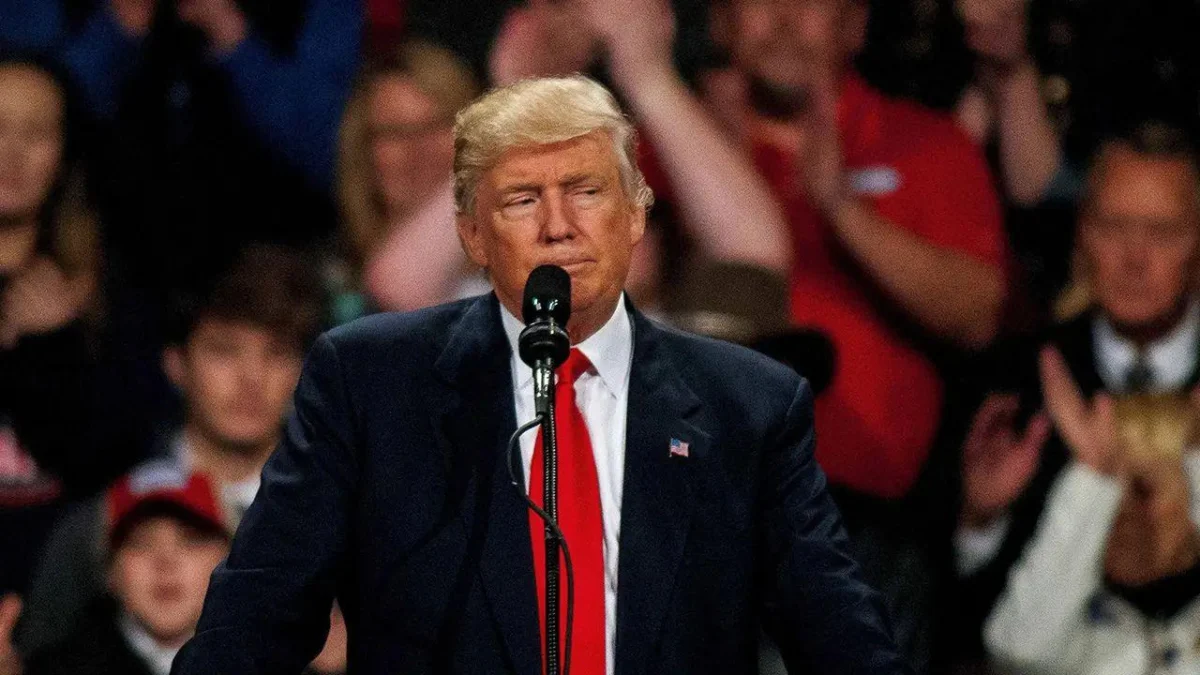
Conservative media personality Sean Hannity and commentator Dave Rubin have starkly predicted that President Donald Trump faces a high probability of impeachment if the Democratic Party secures a sweeping victory in the upcoming November midterm elections. The pronouncement, made during a preview of Hannity’s "Hang Out" podcast, underscores the intense political climate surrounding the presidency and the critical stakes of the forthcoming electoral contests.
Rubin initiated the discussion by cautioning that President Trump’s tenure in the Oval Office might be significantly shorter than anticipated, suggesting he "may only have three months left." This timeline directly links the President’s immediate political future to the outcome of the midterms, projecting a potential power shift that could trigger aggressive oversight from a newly empowered Democratic Congress. Hannity concurred with Rubin’s assessment, affirming that the President "will be impeached" under such circumstances.
The Looming Midterm Threat to Donald Trump’s Presidency
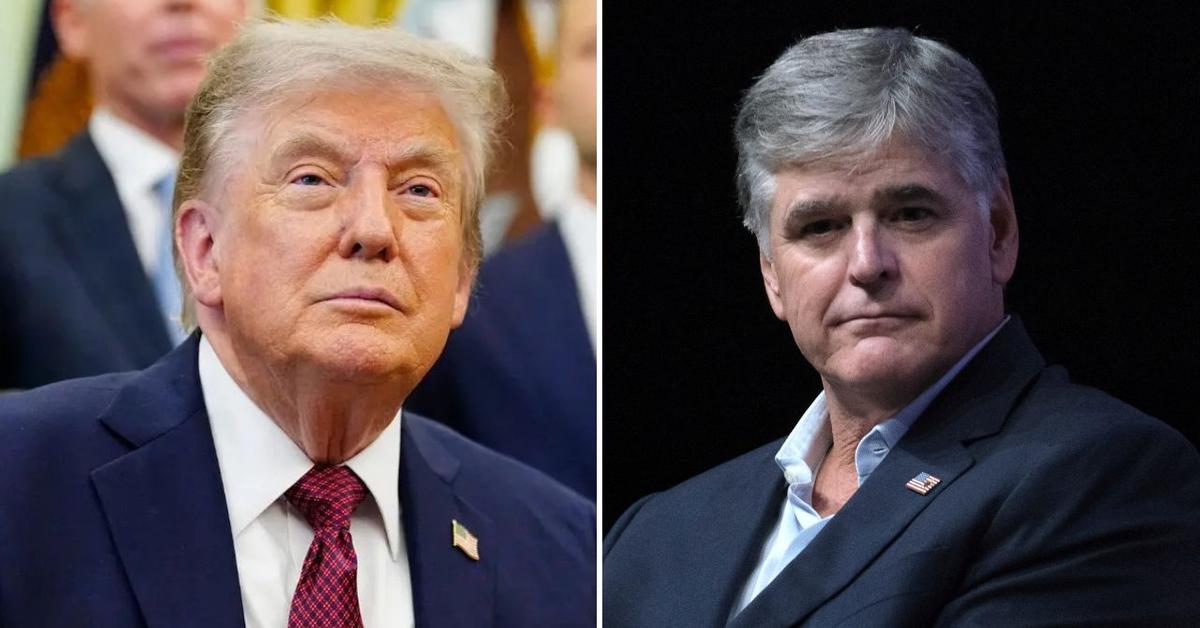
The commentary from two prominent conservative voices highlights a palpable anxiety within certain Republican circles regarding the midterm elections. Their statements suggest a recognition of the severe implications a Democratic sweep, particularly in the House of Representatives, could have for the current administration. A loss of the House majority by the Republican Party would fundamentally alter the legislative landscape and the President’s ability to govern unimpeded.
Rubin further clarified his prediction, noting that while the House would likely move to impeach President Trump, actual removal from office would remain a formidable challenge. He explained that Democrats would probably not garner sufficient votes in the Senate to achieve the two-thirds majority required for conviction. Despite this, he emphasized that the impeachment process itself would mark the "beginning" of an effort to dismantle the "last 10 years of MAGA and everything that has happened since 2015," warning of an emboldened progressive opposition.
Understanding the Impeachment Mechanism
The U.S. Constitution outlines a two-stage process for impeachment. The House of Representatives holds the sole power of impeachment, meaning it can vote to bring formal charges—known as articles of impeachment—against a federal official, including the President. A simple majority vote in the House is sufficient to impeach. Following impeachment by the House, the process moves to the Senate, which then conducts a trial.
For a president to be removed from office, the Senate must vote to convict by a two-thirds majority of members present. This high threshold makes presidential removal a rare occurrence, as demonstrated by previous impeachment proceedings. The framers of the Constitution designed impeachment as a serious check on presidential power, intended for "high crimes and misdemeanors," though its application has often been perceived through a partisan lens in modern politics.
A History of Impeachment Proceedings Against Donald Trump
President Donald Trump holds the distinction of being the only U.S. president to be impeached twice by the House of Representatives, though he was acquitted by the Senate on both occasions. His previous encounters with the impeachment process provide critical context for the current predictions.
First Impeachment: The Ukraine Scandal (2018)

President Trump’s first impeachment stemmed from allegations of abuse of power and obstruction of Congress. In 2018, the House voted to impeach him for reportedly pressuring Ukrainian President Volodymyr Zelenskyy to investigate then-presidential candidate Joe Biden and his son, Hunter Biden. This pressure was allegedly exerted while the Trump administration withheld approximately $400 million in military aid to Ukraine.
The articles of impeachment also accused the Trump administration of obstructing the congressional inquiry into the matter, by ordering officials not to testify and refusing to provide subpoenaed documents. Following a Senate trial in 2019, President Trump was acquitted on both charges, with the partisan divide largely holding firm throughout the proceedings. The episode intensified political polarization and set a precedent for future impeachment considerations.
Second Impeachment: January 6 Insurrection (2021)
The second impeachment of Donald Trump occurred in January 2021, just days before the end of his first term, following the violent breach of the U.S. Capitol. The House charged him with "incitement of insurrection" after he repeatedly made unsubstantiated claims that the 2020 presidential election was stolen through widespread fraud.

On January 6, 2021, President Trump addressed supporters at a rally near the White House, encouraging them to march to the Capitol and "fight like h—." His remarks were widely interpreted as inciting the subsequent riot that disrupted the certification of electoral votes. Despite the swift impeachment by the House, the Senate acquitted him in February 2021, once again failing to reach the two-thirds majority needed for conviction. In a notable development after his return to the presidency, President Trump has pardoned numerous individuals who were convicted or facing trial for their involvement in the January 6 events, a move that has drawn both praise from supporters and criticism from opponents.
The Stakes of the November Midterm Elections
The upcoming midterm elections in November are shaping up to be a pivotal moment for the direction of American politics and the remainder of President Trump’s term. A Democratic sweep would signify a significant shift in congressional power, potentially granting the party control over both the House of Representatives and the Senate. Such a scenario would empower Democrats to aggressively pursue their legislative agenda and initiate robust oversight of the executive branch.
Control of the House would immediately enable Democrats to form committees, issue subpoenas, and, as predicted by Hannity and Rubin, initiate new impeachment proceedings against President Trump. While Senate control would simplify the legislative process, the challenge of securing a two-thirds vote for presidential removal would remain. Rubin’s concern about "the crazies on the left" being "emboldened" reflects a broader fear among conservatives that a Democratic majority would push a more progressive agenda and intensify political battles, potentially leading to further gridlock.
Conservative Concerns and Public Perception of Impeachment
The predictions from Sean Hannity and Dave Rubin, both influential figures in conservative media, serve multiple purposes. They can be interpreted as a genuine warning to their base about the critical importance of the midterm elections, urging higher Republican turnout. They also articulate a long-held conservative grievance that impeachment proceedings against President Trump have historically been politically motivated attacks rather than legitimate constitutional actions.
Public opinion regarding impeachment has historically been deeply divided along partisan lines. President Trump’s approval ratings, which have consistently fluctuated but generally remained within a defined range, often reflect the strong loyalty of his base and the equally strong opposition from his critics. Any new impeachment effort would undoubtedly reignite these partisan battles, further polarizing the electorate and diverting attention from other pressing national issues.
Broader Implications for American Politics
The repeated invocation of impeachment, particularly against a president who has already faced the process twice, carries significant broader implications for American politics. It risks normalizing impeachment as a tool for political opposition rather than a measure reserved for extreme constitutional violations. This trend could further entrench the partisan divide, making compromise and legislative cooperation increasingly difficult.
The role of media personalities like Hannity and Rubin in shaping expectations and narratives around such high-stakes political events cannot be overstated. Their platforms allow them to frame potential outcomes in ways that energize their respective audiences and contribute to the broader political discourse. The prospect of a third impeachment for Donald Trump, even if unsuccessful in leading to removal, signals the continuing intensity of political conflict and the enduring legacy of his presidency.
As the November midterm elections approach, the political landscape remains fraught with tension and uncertainty. The predictions from President Trump’s allies underscore the high stakes involved, suggesting that the balance of power in Congress could not only determine the legislative agenda but also directly challenge the President’s ability to complete his term without further constitutional scrutiny. The coming months will undoubtedly be closely watched by all factions of the American political spectrum.