South Carolina Republican Representative Nancy Mace faced intense scrutiny from CNN anchor Omar Jimenez during a recent live broadcast, confronting her directly over a series of inflammatory social media posts widely condemned as anti-Muslim rhetoric. The heated exchange, which quickly went viral, centered on allegations of Islamophobia, fundamental interpretations of the First Amendment, and the principle of religious freedom enshrined in the U.S. Constitution.
The controversy ignited following a series of posts by Representative Mace on X, formerly Twitter, in the days leading up to her August 9 appearance on CNN Newsroom. In one particularly contentious tweet, Mace asserted that "every single Muslim holding public office in America is a Trojan horse, and a threat to both national security and our republic." This statement immediately drew widespread condemnation from civil rights groups, interfaith organizations, and political commentators, who accused the congresswoman of propagating xenophobic and Islamophobic stereotypes.
Mace, a self-identified MAGA Republican, subsequently attempted to clarify her position, or rather, doubled down on her initial stance. She posted a follow-up message implying that her defense stemmed from a desire to protect Americans from radical Islamist violence. "If not wanting to be blown up, stabbed, or rammed by a car by a radical Islamist in the United States of America makes us Islamophobes, then so be it," the 48-year-old representative wrote. These remarks escalated the controversy, drawing further criticism for conflating an entire religious community with the actions of extremist groups.
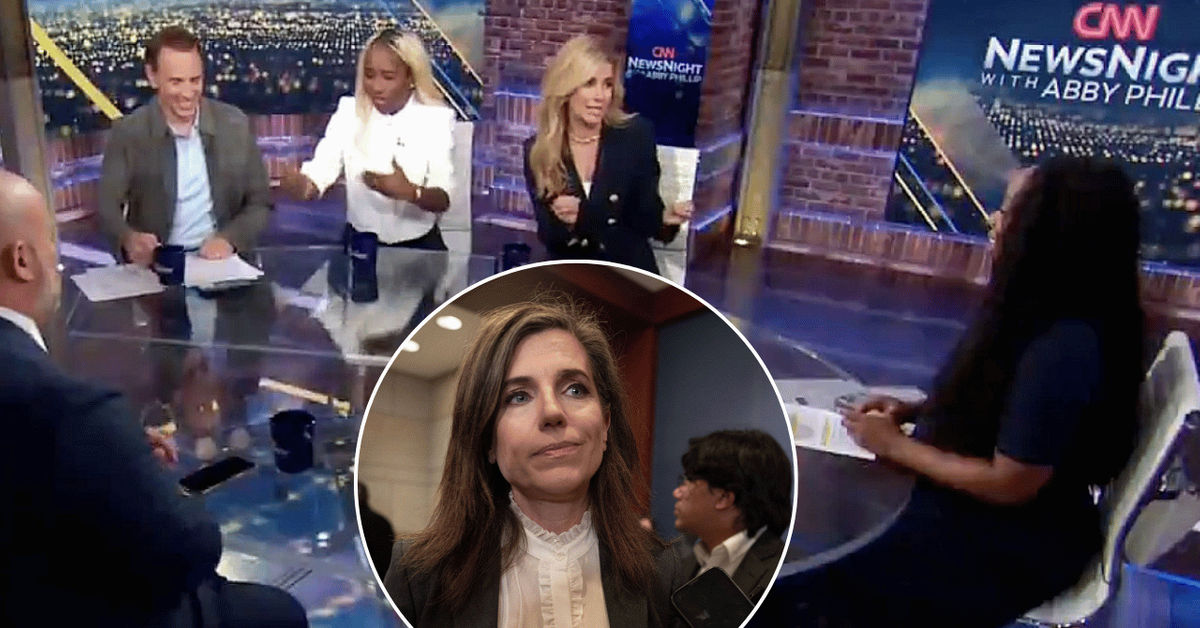
The Live Confrontation: A Clash Over Constitutional Principles
During the live CNN Newsroom segment, Omar Jimenez directly challenged Mace on the implications of her statements. "Are you saying that anyone who is Muslim is a threat to this country?" Jimenez pressed, seeking a clear articulation of her position. Mace vehemently denied this broad interpretation, attempting to narrow her comments to specifically target elected Muslim officials. "Uhh, that’s not what I said. Uhh, and that’s not what I said," Mace insisted, visibly uncomfortable under the direct questioning.
Jimenez, however, was not swayed by her deflection. "I mean, it sounds like that’s what you’re saying," he retorted, highlighting the ambiguity and potential for harmful misinterpretation inherent in her original posts. The anchor then pivoted to the constitutional foundations of American governance, a critical point of contention that underscored the gravity of Mace’s rhetoric.
Religious Freedom and the Fabric of American Society
The discussion quickly delved into the role of religion in American public life. Mace repeatedly asserted that the United States possesses "Christian foundations" and expressed a desire to prevent "other religious expressions seeping into American culture." This argument positioned certain religious practices as foreign or antithetical to American identity, prompting a sharp constitutional rebuke from Jimenez.
The CNN host reminded Mace of the explicit protections offered by the U.S. Constitution. "The First Amendment is pretty clear on freedom of religion," Jimenez emphasized, underscoring that freedom of religious expression is not merely an afterthought but is enshrined as the very first amendment in the Bill of Rights. He further highlighted Article VI of the Constitution, which unequivocally bans any religious test as a qualification for holding public office, a direct counter to Mace’s implicit suggestion that Muslim officials might be inherently unfit due to their faith.

Targeting Muslim Public Officials and "Radical Islamic Ideology"
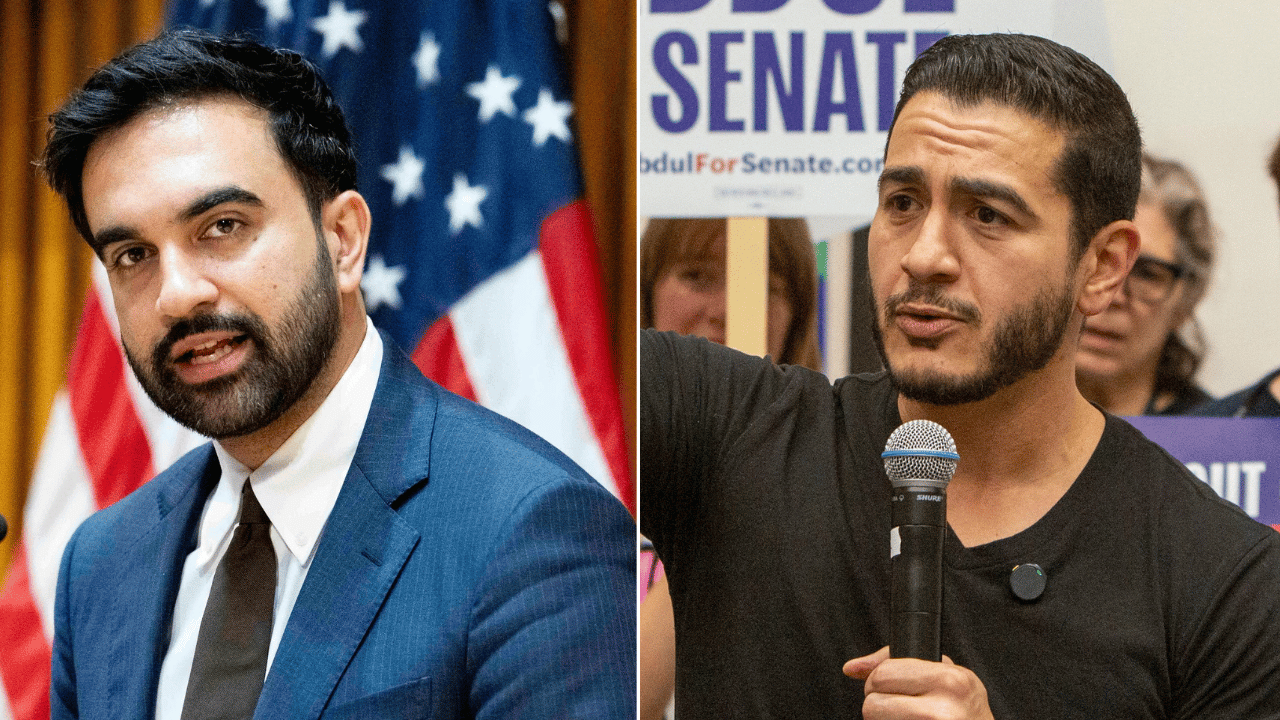
Mace escalated her argument by specifically naming New York City Mayor Zohran Mamdani and Michigan’s Democratic Senate candidate Abdul El-Sayed, suggesting that Americans should be "concerned" about what she termed "radical Islamic ideology" seeping into governance through such individuals. This direct targeting of elected and aspiring Muslim public servants further amplified accusations of Islamophobia and xenophobia.
Jimenez countered Mace’s assertions with a fact-based rebuttal. "But congresswoman, there’s no indication that Mayor Mamdani has brought any of those ideals to New York City governance or that just being Muslim… brings those in," he stated, stressing the lack of evidence connecting these individuals’ faith to any alleged threat. He highlighted the distinction between individual religious belief and the duties of public office, a cornerstone of American secular governance.
Undeterred, Mace continued her controversial remarks, invoking a dystopian vision of American society. "In the future, when our granddaughters are wearing burkas to school, we’re going to look back and say, how did this happen?" she asked, employing a classic fear-mongering tactic often used in anti-immigrant and anti-Muslim narratives. Jimenez swiftly dismantled this argument, clarifying, "An expression of culture, congresswoman, is different than a blanket city policy." He pointed out that personal religious or cultural attire is a matter of individual freedom, not a mandate imposed by a "Trojan horse" government.
The Call to Prayer and the "Ban All Immigrants" Stance
The conversation reached a new peak of tension as Mace articulated her discomfort with public expressions of Islam. She ventured into conspiracy theories, claiming Muslims are "trying to push these people out and our values out," and adding, "I don’t want to hear the call to prayer five times a day in an American city." This statement directly challenged the essence of religious pluralism and freedom of worship.
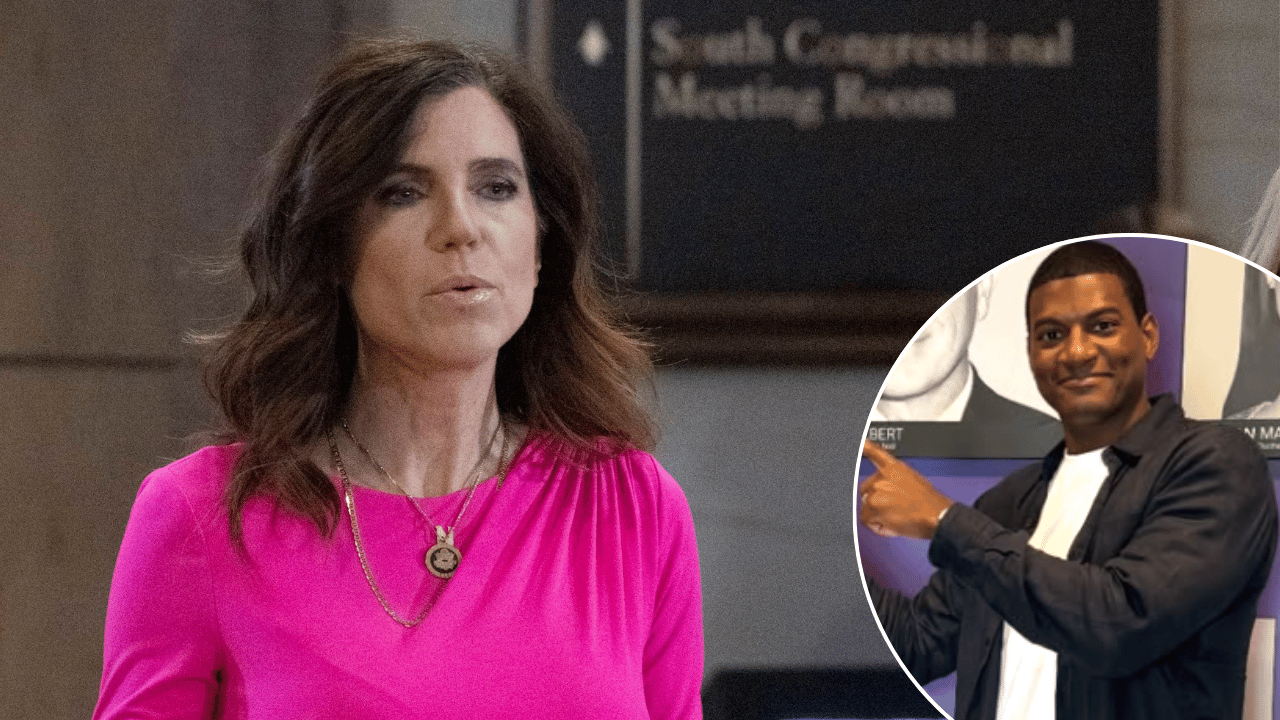
Jimenez, maintaining his journalistic composure, responded by reiterating the constitutional protection. "Well, if you don’t want to hear it, that’s okay. The First Amendment protects [the] freedom of religion," he explained. He then shared a personal anecdote to illustrate the principle: "I grew up in a Christian household. I grew up in the South. Islam is not my religion. But I have Muslim friends, who, if that is how they worship, even if I don’t want to hear it, that is their right to hear."
Mace, however, remained resolute in her exclusionary viewpoint. "In the privacy of their own mosque or their own home, not on the streets of America," she insisted, attempting to restrict religious practice to private spaces, before once again expressing her fear of seeing women in burkas in public. Jimenez was quick to correct her: "That’s not being forced on you, congresswoman," he said, emphasizing that the voluntary wearing of religious attire is a personal choice, not an imposition.
In a powerful summation, Jimenez concluded his line of questioning by reiterating the core constitutional principles that Mace’s statements appeared to undermine. "I appreciate you taking your time and explaining your tweet as best you could there, but, you know, the First Amendment is pretty clear on freedom of religion," he stated, adding a final, crucial point: "Article 6 of the Constitution bars the government from requiring public officials to swear allegiance to any particular religion or religious belief for them to serve."
Broader Implications of Anti-Muslim Rhetoric in U.S. Politics
The exchange underscored a troubling trend of rising anti-Muslim rhetoric within certain segments of American politics, particularly among conservative figures. Mace’s assertion of "Christian foundations" as a justification for limiting other religious expressions reflects a nationalist ideology that often seeks to define American identity narrowly, excluding minority faiths and cultures. Such rhetoric not only marginalizes Muslim communities but also undermines the pluralistic values that define the United States as a nation founded on religious liberty for all.
The incident highlights the ongoing tension between freedom of speech and the potential for that speech to incite discrimination or fear against minority groups. While elected officials have the right to express their opinions, their words carry significant weight and can contribute to a climate of hostility or acceptance. Mace’s comments about "radical Islamic ideology" and her calls to restrict public religious expression or even immigration from Muslim-majority countries demonstrate a troubling willingness to generalize and demonize an entire population based on the actions of a few extremists.
Reactions and the Call for Accountability
The live interview quickly garnered significant attention, prompting reactions from across the political spectrum. Joe Walsh, a former Republican lawmaker and political commentator, voiced his dismay on X, remarking that the anti-Muslim rhetoric from the right "just keeps getting uglier and scarier by the day." His comment reflects a growing concern among some conservatives about the direction of their party’s discourse.
Beyond immediate reactions, Mace’s statements carry potential consequences. Such rhetoric can embolden discriminatory actions, contribute to hate crimes, and foster a climate of suspicion towards Muslim Americans. For a public official to suggest that entire groups of citizens, based on their faith, are "Trojan horses" or threats to national security directly challenges their civic belonging and equal standing under the law. It also raises questions about the responsibility of elected representatives to uphold the constitutional rights of all constituents, regardless of their religious beliefs.
The incident also served as a stark reminder of the media’s role in holding public figures accountable. Omar Jimenez’s persistent and constitutionally informed questioning of Nancy Mace exemplified direct journalism, refusing to allow her to evade the implications of her inflammatory remarks. This type of scrutiny is crucial in a political landscape where rhetoric can often be detached from factual accuracy or constitutional principles. As the nation continues to grapple with issues of identity, inclusion, and religious freedom, incidents like this underscore the ongoing need for robust public discourse grounded in respect for fundamental rights and a clear understanding of American constitutional law.