Actor and podcast host Dax Shepard recently offered a candid glimpse into his childhood, revealing a deeply personal source of discomfort related to his single mother’s attire in public. During an episode of his popular "Armchair Expert" podcast, Shepard recounted how his mother’s choice to wear white tank tops would evoke anxiety in him, a sentiment unexpectedly echoed by guest Taron Egerton, sparking a broader discussion on the complex dynamics between children and their single, attractive parents.
Shepard, 51, articulated his unease by describing his mother’s physique, stating, "My mom has big b—-." He continued, "My mom would occasionally wear a f—— white tank top and I just remember like, ‘Oh f— man. We’re going to the grocery store. She’s in the white tank top. There’s gonna be like weird dudes that just start talking to her.’ I hated it." This raw admission highlights the protective instincts a child can develop, especially when perceiving their parent as vulnerable to unsolicited attention.
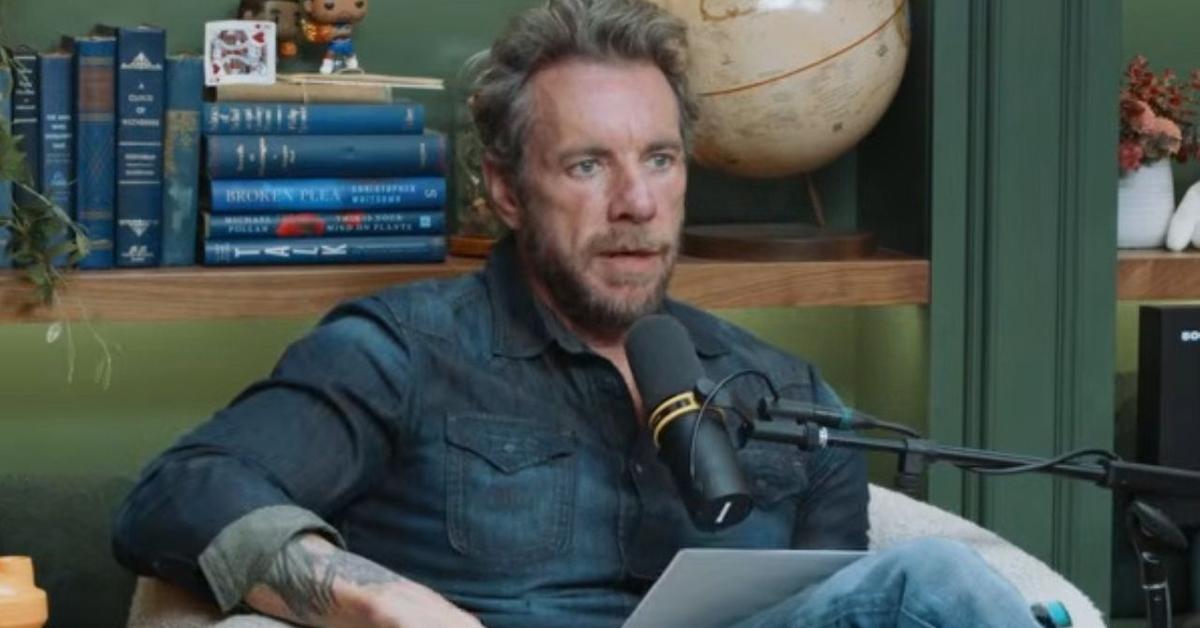
A Candid Revelation on Armchair Expert
The "Armchair Expert" podcast, launched by Shepard in 2018, has become a significant platform for intimate and often revelatory conversations with celebrities, academics, and experts. Known for its open format, where guests frequently delve into personal histories, struggles, and vulnerabilities, the podcast has cultivated a loyal following. Shepard, himself celebrated for his relatable and often self-deprecating humor, often uses his own experiences to foster deeper discussions, and this particular revelation was no exception. The podcast’s success lies in its ability to strip away celebrity facades, offering listeners a more humanized perspective on public figures.
Shepard’s willingness to discuss such a specific and personal childhood memory underscores the podcast’s commitment to authenticity. His career, spanning comedic roles in films like Without a Paddle and television series such as Parks and Recreation, often draws from a grounded, everyman persona, making his candid confessions particularly resonant with his audience. His own family life with wife Kristen Bell and their two daughters frequently informs his perspectives on parenting and relationships, adding another layer of depth to his public reflections.
Dax Shepard’s Childhood: Unwanted Attention and Protective Instincts
Growing up with a single mother often presents unique challenges and dynamics for children. Shepard’s recollection of his mother’s white tank tops and the subsequent "weird dudes" staring paints a picture of a child acutely aware of external perceptions and protective of his parent. This specific memory, while seemingly innocuous to an outsider, represents a common experience for children who witness their parents, particularly mothers, receiving objectifying attention in public spaces.

The sentiment expressed by Shepard touches upon the societal issue of the male gaze and how it can permeate everyday interactions, impacting not only the individuals targeted but also their children who observe and internalize these experiences. For a child, seeing a parent subjected to unwanted stares or comments can trigger feelings of helplessness, anger, and a premature sense of responsibility to shield their parent from perceived threats. This can contribute to a child developing a heightened sense of vigilance or even resentment towards the external world.
Echoes from Taron Egerton: The Burden of an Attractive Parent
Adding a powerful corroboration to Shepard’s narrative, Golden Globe-winning actor Taron Egerton, known for his critically acclaimed portrayal of Elton John in Rocketman and his role in Black Bird, shared a strikingly similar experience. Egerton, 36, confirmed, "My mother is, and has always been, an attractive woman. I can remember that as a boy."
His recollection went further, delving into the emotional impact of such observations. "I can remember the feelings of rage and I can remember the feelings of inadequacy and I can remember not knowing what to do with all of that, and, probably, also wanting her to be looking at me more than them," Egerton elaborated. These feelings — rage, inadequacy, and a yearning for exclusive maternal attention — highlight the profound psychological toll that witnessing a parent’s public objectification can take on a child. It speaks to a primal need for parental affirmation and a subconscious competition for their attention against external forces.

Navigating the ‘Blurry Line Between Child and Partner’
The conversation between Shepard and Egerton quickly evolved into a deeper psychological exploration of the "blurry line between child and partner" that can emerge in single-parent households. Shepard articulated this complex dynamic, explaining, "You are filling in some gaps because they don’t have anyone there to share their day with. You just you take on a role that is a little more complex than otherwise, I think."
This concept, often discussed in developmental psychology, refers to instances where a child takes on emotional or practical responsibilities traditionally belonging to an adult partner. In the absence of a co-parent or strong adult support system, a single parent might, often unintentionally, lean on their child for emotional solace, companionship, or even decision-making. While born out of necessity or love, this can lead to what psychologists term "parentification," where a child assumes adult roles prematurely.
The Impact of Parental Roles on Development
Parentification can have significant long-term effects on a child’s development. Children who are parentified may struggle with establishing healthy boundaries in their own adult relationships, exhibit excessive people-pleasing tendencies, or grapple with their own identity as they’ve spent much of their childhood serving as a pseudo-partner or emotional confidante to their parent. The emotional burden can also lead to increased anxiety, depression, and a sense of having missed out on their own childhood. The discussion initiated by Shepard and Egerton brings this often-overlooked aspect of single-parent dynamics into mainstream conversation, fostering greater understanding and empathy for those who have navigated such childhoods.

Societal Gaze and a Child’s Perception of Vulnerability
The specific detail of Dax Shepard’s mother wearing white tank tops and the resulting "weird dudes" staring underscores a pervasive societal issue: the objectification of women. For a child, observing a parent being subjected to such scrutiny can create a sense of their parent’s vulnerability. This perception can foster a premature protective instinct, placing an emotional burden on the child to "guard" their parent, which can be overwhelming and confusing for a developing mind. The child’s "rage" and "inadequacy," as described by Egerton, are visceral reactions to feeling powerless in protecting a loved one from unwanted external attention.
This dynamic also reflects broader cultural norms where women’s bodies are often publicly judged and commented upon, sometimes regardless of their attire. The child’s discomfort, therefore, is not merely about a white tank top but about the societal responses it elicits, which the child interprets as a threat or an intrusion into their family unit. Such experiences can shape a child’s understanding of gender roles, personal boundaries, and the perceived safety of public spaces.
The Complexities of Family Relationships and Healing
The conversation also touched upon the actors’ relationships with their respective fathers, further illustrating the intricate web of family dynamics. Shepard reflected on his late father, who passed away in 2012 after a battle with lung cancer. He admitted a complex bond, stating, "I think we were very similar more than I ever wanted to admit. I think the way we got injured and the way we protected ourselves was just like a match made in h—, for the most part." This acknowledges the generational patterns and shared coping mechanisms that can define parent-child relationships, even in their challenges.
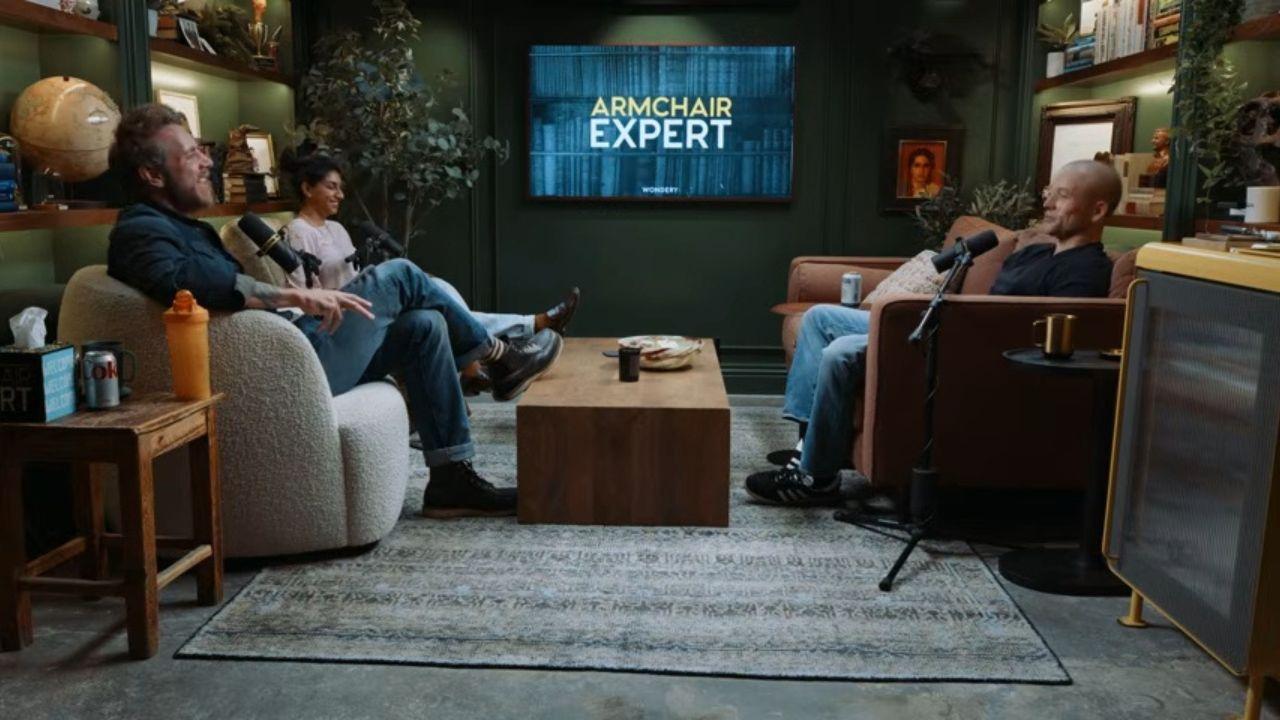
Egerton, on the other hand, shared that while his childhood relationship with his father was "fairly functional," it deteriorated as he aged. "As I got older that became more difficult and I haven’t spoken to him for a number of years now," he revealed, expressing reluctance to elaborate out of respect for his father’s privacy. "I’ll always love him. I do love him. I just don’t think we work very well in terms of our relationship. There was a point where I pushed the ejector seat and haven’t seen him since." This poignant admission speaks to the difficult choices individuals sometimes make to protect their own well-being, even when it involves estrangement from a parent.
Celebrity Platforms Fostering Open Dialogue
The frank discussion on "Armchair Expert" serves as a powerful example of how celebrity-driven podcasts are increasingly becoming forums for deeply personal and psychologically insightful conversations. By sharing their own experiences, figures like Dax Shepard and Taron Egerton not only humanize themselves but also validate the experiences of countless listeners who may have similar, yet unspoken, childhood memories or familial complexities. These platforms normalize discussions around difficult topics such as parental enmeshment, childhood anxieties, and fractured family relationships, encouraging a more open societal dialogue.
The resonance of such revelations extends beyond entertainment, contributing to a greater public understanding of the long-term impact of childhood environments on adult identity and relationships. The willingness of public figures to explore their vulnerabilities fosters a sense of community and provides a space for reflection on universal human experiences, from the discomfort of a child observing their mother’s public appearance to the profound emotional complexities of single parenthood and evolving familial bonds.