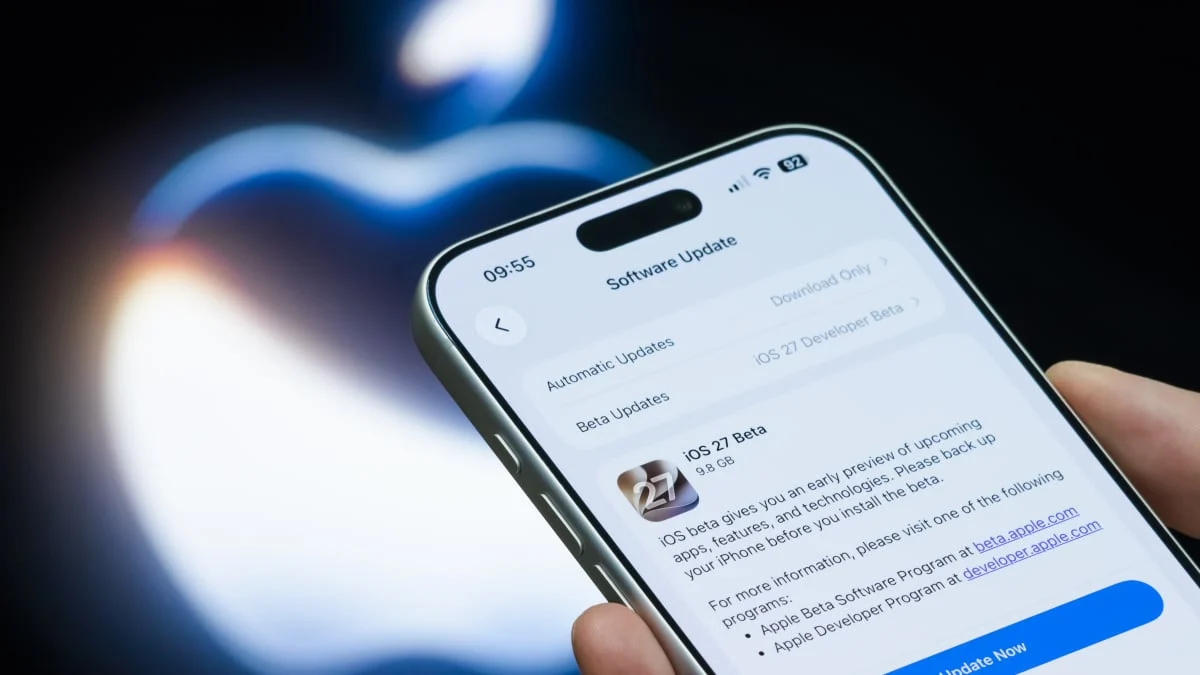
Apple distributed the fifth developer beta of iOS 27 to registered testers on Tuesday, introducing a series of refined interface elements and, more significantly, internal code that confirms the existence of six upcoming iPhone models. This latest iteration of the mobile operating system serves as a critical milestone in the summer testing cycle, signaling that the software is nearing its final release candidate stage. While beta updates typically focus on bug fixes and performance optimization, iOS 27 beta 5 contains a substantial amount of new data regarding the hardware roadmap for the coming year.
The release of iOS 27 beta 5 comes at a pivotal moment for the Cupertino-based technology giant as it prepares for its annual hardware unveiling in September. Analysts and developers examining the system files have identified specific hardware identifiers that had not appeared in previous versions of the software. These references provide the most concrete evidence to date regarding the composition of the next generation of Apple smartphones, effectively ending months of speculation about the diversity of the upcoming lineup.
The most consequential discovery within the iOS 27 beta 5 system files is the inclusion of six distinct device identifiers: V62, V63, V64, V67, V68, and V69. These internal codenames correspond to a diversified portfolio of devices that suggest Apple is significantly expanding its market reach. Based on historical naming conventions and recent supply chain intelligence, industry experts have mapped these identifiers to specific models.
The V67 identifier is believed to represent the standard iPhone 18, the baseline model for the general consumer. The V63 and V64 identifiers are linked to the iPhone 18 Pro and iPhone 18 Pro Max, respectively, continuing the company’s trend of high-end, performance-oriented flagship devices. More notable, however, are the remaining three identifiers. V62 is associated with the iPhone Air 2, a successor to the rumored ultra-thin model expected to debut later this year. V69 points toward an entry-level "iPhone 18e," suggesting a return to a more budget-conscious strategy.
The most anticipated revelation in the iOS 27 beta 5 code is the V68 identifier, which is widely expected to be the "iPhone Ultra." This device is rumored to be Apple’s first foray into the foldable smartphone market, a move that would place the company in direct competition with established foldable offerings from Samsung and Google. The presence of this identifier in a late-stage beta suggests that the underlying software architecture is now being optimized for the unique aspect ratios and interface requirements of a foldable display.
Beyond the hardware revelations, iOS 27 beta 5 introduces a comprehensive visual overhaul of several core system applications. Apple has updated the icons for Safari, Siri, Preview, the App Store, and the Remote app. These changes reflect a continued commitment to the "Liquid Glass" design language, which emphasizes depth, translucency, and a more tactile aesthetic. The new icons feature subtle gradients and shadows that align with the broader UI changes seen throughout the iOS 27 development cycle.
The "Liquid Glass" aesthetic is not limited to icons alone. Several system menus and background elements have received minor tweaks to improve legibility and visual consistency. These adjustments are part of a broader effort to modernize the iOS interface, which has remained largely consistent for several years. The beta 5 update suggests that Apple is prioritizing a cohesive look across all first-party applications before the software reaches the general public.
Artificial intelligence remains a central pillar of the iOS 27 experience, and beta 5 brings further refinements to Siri’s capabilities. The update introduces expanded voice customization options, specifically focusing on the delivery and tone of the virtual assistant. Users now have the ability to adjust the "Pace" and "Expressivity" of all American English and British English voices. This allows for a more personalized interaction, enabling Siri to sound more authoritative or more conversational depending on user preference.
These AI enhancements are part of the broader "Apple Intelligence" initiative, which aims to integrate generative models more deeply into the operating system. By allowing users to fine-tune the cadence and emotional weight of Siri’s voice, Apple is attempting to bridge the gap between human communication and synthetic speech. The beta 5 update indicates that these features are now stable enough for broader testing, suggesting they will be a highlight of the final release.
Functional updates in iOS 27 beta 5 also extend to the Contacts application. The software now prioritizes corporate identity by displaying associated company names directly beneath individual contact names. This change also applies to search results within the app, making it easier for users to identify professional contacts at a glance. This adjustment is particularly beneficial for enterprise users who manage large databases of professional connections and require quick identification of organizational affiliations.
The system-wide search function, known as Spotlight, has also been granted a significant update in this release. Users now have more granular control over how application results are displayed. Within the Settings menu, individuals can toggle whether app results appear in search queries and choose between a "compact" view of four results or an "expanded" view of eight. Additionally, a new "Search the Web" shortcut has been integrated at the bottom of the results page, streamlining the transition from local device searching to broader internet queries.
The attention to detail in iOS 27 beta 5 is evident in several smaller, quality-of-life improvements. The Software Update menu now provides a timestamp for when the last update was successfully installed, offering users better visibility into their device’s maintenance history. The Clock app has undergone a minor typographic change, utilizing a thicker, bolder font for Alarms and Timers to improve glanceability from a distance.
In the Control Center, Apple has adjusted the behavior of connectivity status indicators. When an iPhone is connected to a WiFi network, the system no longer displays cellular network information, such as carrier names or signal bars, in the Control Center panel. This move is seen as an effort to reduce visual clutter and focus the user’s attention on the primary active connection. It reflects a design philosophy of minimalism that has become increasingly prevalent in recent Apple software updates.
The broader implications of iOS 27 beta 5 extend to the competitive landscape of the smartphone industry. By confirming a six-model lineup, Apple appears to be shifting away from its traditional four-model strategy. This diversification suggests a response to a cooling global smartphone market, where manufacturers must offer a wider variety of price points and form factors to maintain growth. The inclusion of an "e" model and a "Pro Max" alongside a foldable "Ultra" indicates that Apple is attempting to capture every segment of the market simultaneously.
Industry analysts suggest that the "iPhone Air 2" and the foldable "Ultra" represent Apple’s most significant hardware risks in a decade. The iOS 27 beta 5 code provides the first official confirmation that these risks are moving toward reality. The software support for these devices must be robust to ensure a smooth transition for users moving from traditional slabs to new form factors. The refinements seen in this beta, particularly regarding UI scaling and AI-driven interactions, are essential components of that preparation.
For developers and early adopters, the installation process for iOS 27 beta 5 remains consistent with previous versions. The update is available through the "Software Update" section of the Settings app, provided the device is registered in the Apple Developer Program. Users must select the "iOS 27 Developer Beta" option under the Beta Updates menu to trigger the download. As with all beta software, Apple recommends that users install the update on secondary devices, as stability issues and battery drain remain common during the testing phase.
The public beta version of this release is expected to follow within the next several days, allowing a larger pool of users to experience the new design changes and provide feedback. This feedback loop is critical for Apple as it works to eliminate bugs before the September launch. The presence of the iPhone 18 identifiers in this specific build suggests that Apple is now testing how the software interacts with the hardware specifications of the unreleased devices.
As the summer testing period enters its final weeks, the focus will shift from adding new features to ensuring system stability. iOS 27 beta 5 represents the final major push for feature implementation and visual updates. The subsequent releases, beta 6 and beyond, are typically reserved for under-the-hood optimizations and security hardening. The roadmap established by this update sets a clear path for the future of the iPhone ecosystem, blending sophisticated AI integration with a more diverse hardware portfolio than ever before.
The tech industry will continue to monitor future beta releases for any additional clues regarding the "iPhone Ultra" and its unique software capabilities. Until then, iOS 27 beta 5 stands as the most revealing software update in recent memory, providing a rare glimpse into the secret hardware plans of the world’s most valuable technology company. The transition to the iPhone 18 era has effectively begun, not with a press conference, but with a series of strings in a developer beta file.