Former Good Morning America weekend co-anchor Janai Norman has ignited a fierce debate within the media industry, publicly accusing her former network, ABC News, and host Michael Strahan of contributing to the upholding of white supremacy through their allegedly insensitive interview with the grieving parents of Nolan Wells. Norman, whose contract with ABC News was not renewed, leveraged social media to critique what she perceives as a systemic journalistic failure to adequately and empathetically cover cases involving marginalized families, particularly when official narratives may be questionable. Her outspoken criticism targets the perceived lack of objectivity and critical skepticism within mainstream news organizations, drawing sharp lines between traditional reporting practices and their potential societal impact.
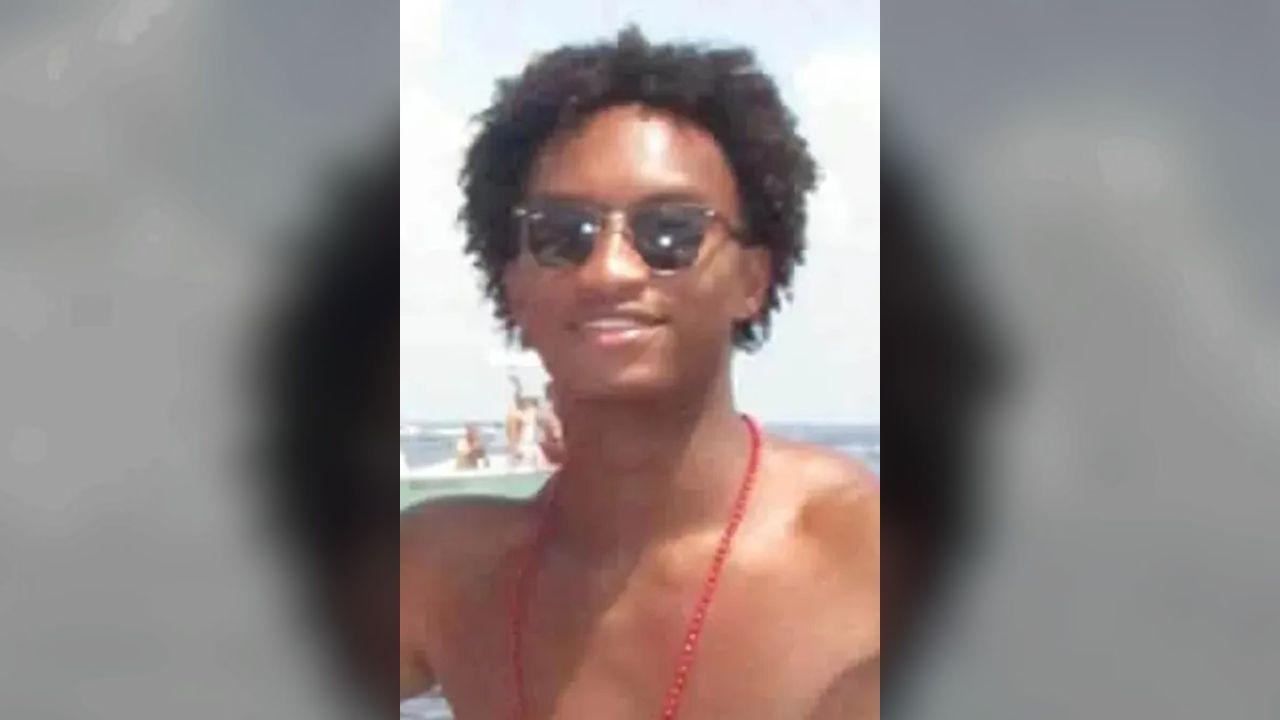
The controversy centers on the tragic death of Nolan Wells, an 18-year-old whose body was recovered from the waters off Horn Island in Mississippi after a Fourth of July boating trip. Wells had reportedly gone missing while his companions returned safely, leading to immediate questions and concerns from his family. The circumstances surrounding his death have been shrouded in mystery, exacerbated by conflicting digital evidence, including discrepancies in Snapchat and Life360 location data. These inconsistencies have fueled the family’s profound skepticism regarding the official account of events and prompted their urgent call for a more rigorous investigation.
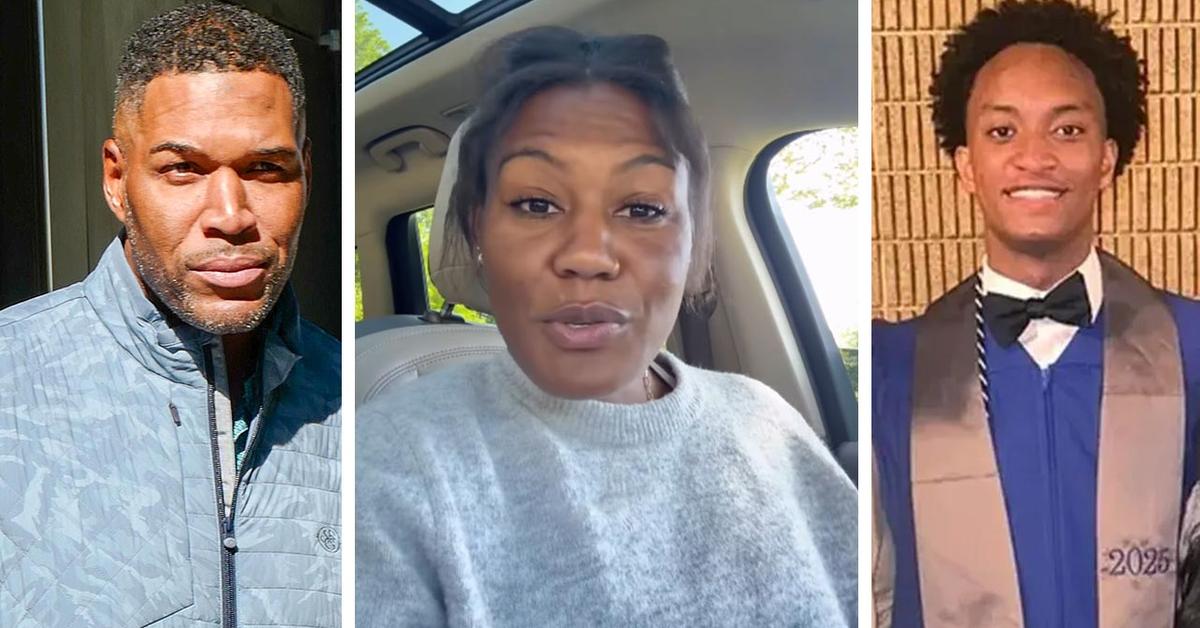
Represented by prominent civil rights attorney Ben Crump, Wells’ parents have consistently pressed for an independent autopsy and a deeper grand jury investigation into their son’s death. Their efforts highlight a common struggle for families seeking justice in cases where initial law enforcement findings fail to provide satisfactory answers. The Wells family’s public appeals underscore a broader pattern of communities distrustful of official narratives, particularly when such narratives appear to absolve others of responsibility or minimize the complexities of a tragic incident.
During a segment on Good Morning America, host Michael Strahan interviewed Nolan Wells’ parents, ostensibly to shed light on their pursuit of answers. However, one particular line of questioning from Strahan drew immediate condemnation from Janai Norman. Strahan reportedly asked Wells’ parents why their son would have split from his friends and chosen to stay alone on a remote barrier island. This query, Norman asserted, was profoundly "insensitive" and emblematic of a larger problem within news coverage.
Norman’s critique of Strahan’s question was not merely about individual phrasing; it was rooted in a deeper indictment of journalistic practice. She argued that such a question implicitly accepts the narrative put forth by Wells’ friends and local authorities without applying appropriate journalistic skepticism. By doing so, Norman contended, news outlets risk becoming "complicit" in perpetuating potentially incomplete or biased accounts. She emphasized that this uncritical acceptance often plays into existing racial divisions and contributes to a form of "gaslighting," where the legitimate concerns of grieving families are subtly undermined or dismissed.

The former GMA anchor elaborated on her position in a series of social media videos, articulating a comprehensive argument against what she views as a pervasive issue in corporate media. "Many news organizations haven’t yet learned that they cannot trust law enforcement as credible sources of information, and that is what plays into racial divisions," Norman stated. She argued that by "ignoring the context" surrounding investigations, particularly those involving marginalized communities, news organizations inadvertently "become complicit in upholding white supremacy." Her comments suggest that a failure to critically examine power structures and potential biases in official statements contributes to systemic injustices rather than challenging them.
Norman’s public criticisms extend beyond the Wells case and ABC News. She has increasingly pivoted her professional platform toward independent journalism and media literacy, focusing on deconstructing how corporate news structures shape public narratives, especially in times of tragedy. This shift allows her to offer a more unvarnished analysis of media practices, free from the constraints often found within traditional newsroom environments. As an example of her broader critique, Norman also targeted World News Tonight with David Muir for its coverage of a New Mexico child safety lawsuit against Meta, suggesting the network’s reporting "almost protects Meta," implying a bias toward corporate interests over public accountability.
Janai Norman’s departure from ABC News preceded her public commentary, adding a layer of personal context to her professional critique. Her contract with the network was not renewed, a decision that reportedly "blindsided" her and left her deeply disappointed. She shared on Instagram that her time was "cut short" and expressed profound sadness at not being afforded the opportunity to say goodbye to viewers on GMA, a common courtesy for departing anchors. This unexpected exit appears to have freed her to voice opinions that might have been deemed unacceptable within the hierarchical structure of a major news organization.
According to a report by Status journalist Oliver Darcy, Norman’s outspokenness post-departure is unusual within the news industry. Darcy noted that it is "traditionally rare to see a former news anchor level such hefty criticism against her former employer and its top talent, especially only months after exiting." He also shed light on internal dynamics at ABC News, reporting that Norman "was not well-liked by ABC News brass and that there had been friction between her and others internally." This internal friction, coupled with the network’s decision not to renew her contract, provides a backdrop for her current critical stance.
A particular point of contention prior to her exit involved an upcoming book Norman was writing. Darcy reported that ABC News wished to know the contents and details of the book, a standard request for employees publishing external works. While the exact outcome remains unclear, Norman publicly stated on Instagram that she had changed the cover photo of her book "to respect ABC News’ wishes not to allow us use of the photo for the original cover." This incident suggests a potential clash over creative control and editorial freedom, possibly contributing to the "friction" described by Darcy and ultimately impacting her standing with network leadership.
Norman’s bold accusations of upholding white supremacy within news organizations ignite a crucial discussion about journalistic ethics and racial justice in media. Her argument highlights the potential for implicit bias when reporting on cases involving marginalized individuals, particularly when relying heavily on initial statements from law enforcement or other official sources. This critical perspective challenges the traditional notion of journalistic objectivity, suggesting that true objectivity requires a deeper, more critical engagement with the social and racial contexts in which news events unfold. The debate extends to how media narratives can inadvertently shape public perception, influence ongoing investigations, and reinforce existing power imbalances.

The implications of Norman’s critique resonate with historical criticisms of media coverage of racial injustice, from civil rights movements to contemporary discussions on police accountability. Her stance underscores a growing demand for media outlets to adopt more nuanced, context-aware approaches to reporting, moving beyond a superficial presentation of facts to explore underlying systemic issues. The rise of independent journalism, a path Norman has embraced, offers an alternative platform for voices seeking to challenge mainstream narratives and foster greater media literacy among the public. This trend reflects a broader societal shift towards questioning established institutions and demanding greater transparency and accountability.
While Oliver Darcy acknowledged that some of Norman’s specific criticisms, such as the framing of Strahan’s question, might be valid, he cautioned against equating a "clumsy interview" with a direct accusation of upholding white supremacy. Nevertheless, Norman’s forceful assertions compel the industry to confront uncomfortable questions about its practices, biases, and role in shaping public discourse around race and justice. Her challenge serves as a potent reminder that the pursuit of truth in journalism must involve a constant re-evaluation of methods and a deep commitment to understanding the diverse perspectives and experiences of all communities.
As Janai Norman continues her work in independent journalism, advocating for media literacy and a more equitable approach to news reporting, the Nolan Wells family persists in their quest for answers regarding their son’s death. Their ongoing fight for an independent autopsy and a grand jury review remains a poignant example of the public’s need for rigorous, unbiased investigations and transparent communication from both law enforcement and media. Norman’s very public critique of her former employer underscores the enduring tension between the demands of corporate media and the imperative for journalism to serve as a truly critical watchdog, especially for those whose voices are often marginalized.