Conservative activist Laura Loomer recently ignited a fresh debate on the power of artificial intelligence to manipulate public perception, sharing an AI-generated video that dramatically re-enacted a reported secret plane swap by former President Donald Trump. The fabricated footage, which portrayed a "Mission: Impossible"-style escape by Trump to evade an alleged Iranian assassination plot, quickly circulated across social media platforms, highlighting the growing challenge of digital authenticity in an increasingly AI-driven information landscape. Despite obvious visual glitches revealing its artificial nature, the video underscored how emotionally charged and politically resonant fake content can rapidly spread and influence narratives, often bypassing critical scrutiny.
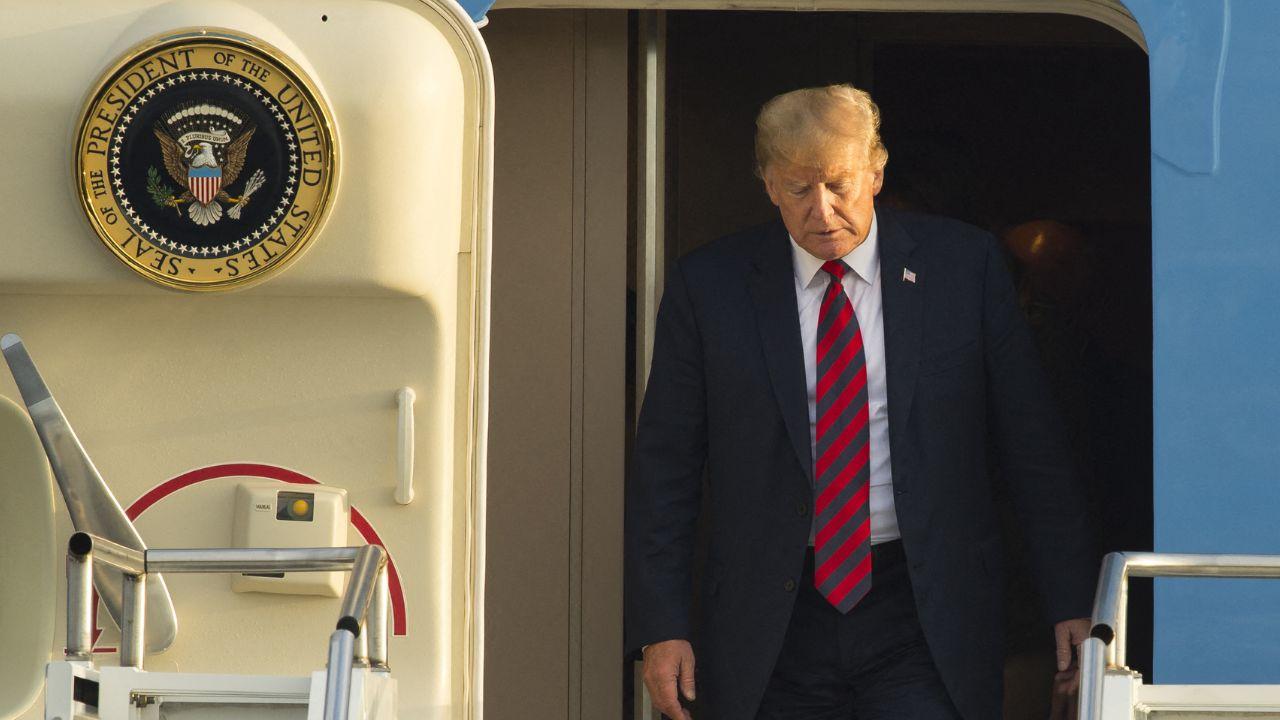
The incident traces back to a genuine security concern reported by The Washington Post in August 2026, detailing a covert operation involving President Trump in Turkey. According to the report, Trump had secretly switched aircraft during a trip, prompted by intelligence indicating a credible Iranian assassination threat. This highly unusual security measure saw Trump board an older Air Force One in Ankara, visible to cameras following a NATO summit, only to be discreetly transferred via an airport catering truck to a smaller Air Force C-32A jet. The initial Air Force One, maintaining its call sign, then served as a decoy, carrying White House officials and members of the press, who were instructed to lower their window shades to obscure the deception. This elaborate maneuver underscored the severe nature of the perceived threat and the lengths taken to ensure presidential security.
Tensions between the United States and Iran have remained consistently high, particularly since the Trump administration’s withdrawal from the Joint Comprehensive Plan of Action (JCPOA) and the subsequent assassination of Iranian General Qassem Soleimani in January 2020. Iran has repeatedly vowed revenge for Soleimani’s death, elevating the risk profile for high-ranking U.S. officials, including the former president. Trump himself publicly acknowledged the persistent danger, telling reporters, "The life of a president is very dangerous. I’m number one on the kill list for Iran. They’re lovely people. I’m number one." This geopolitical backdrop provided fertile ground for narratives, both factual and fabricated, to take root and resonate with various audiences.
The Viral AI Creation
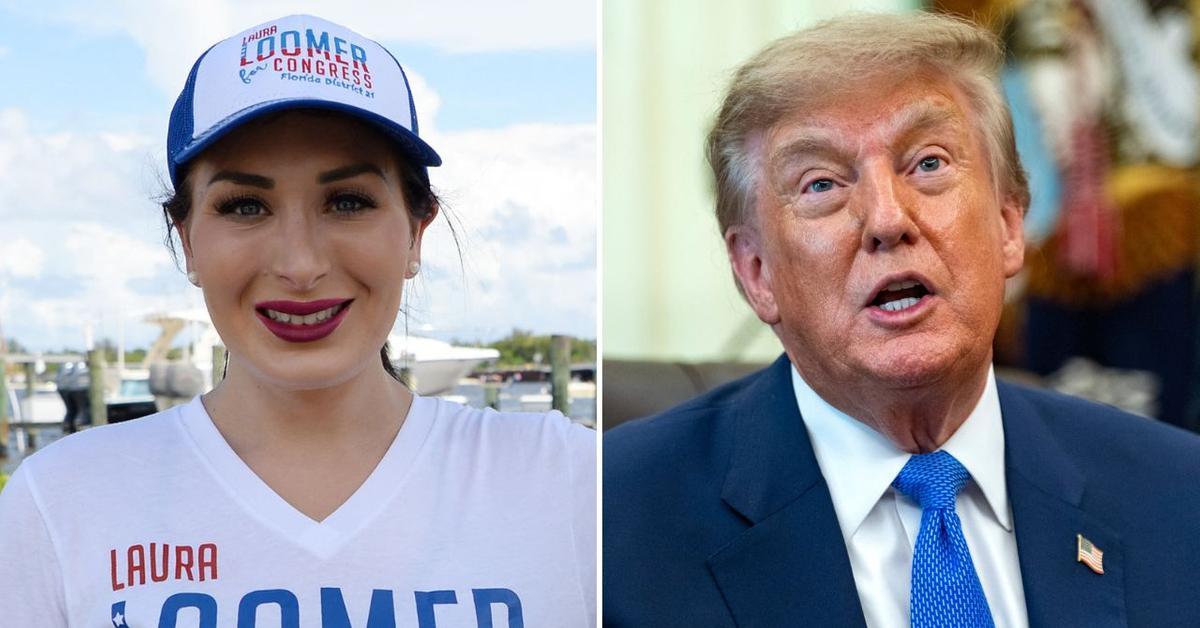
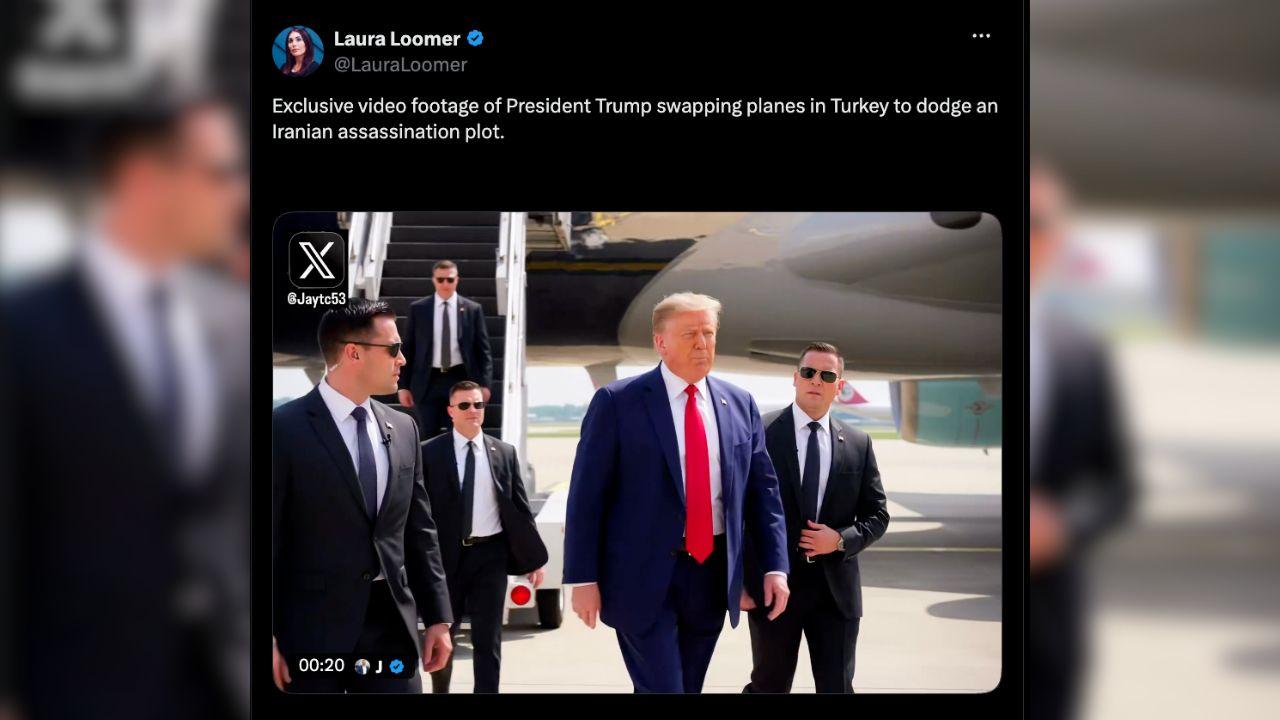
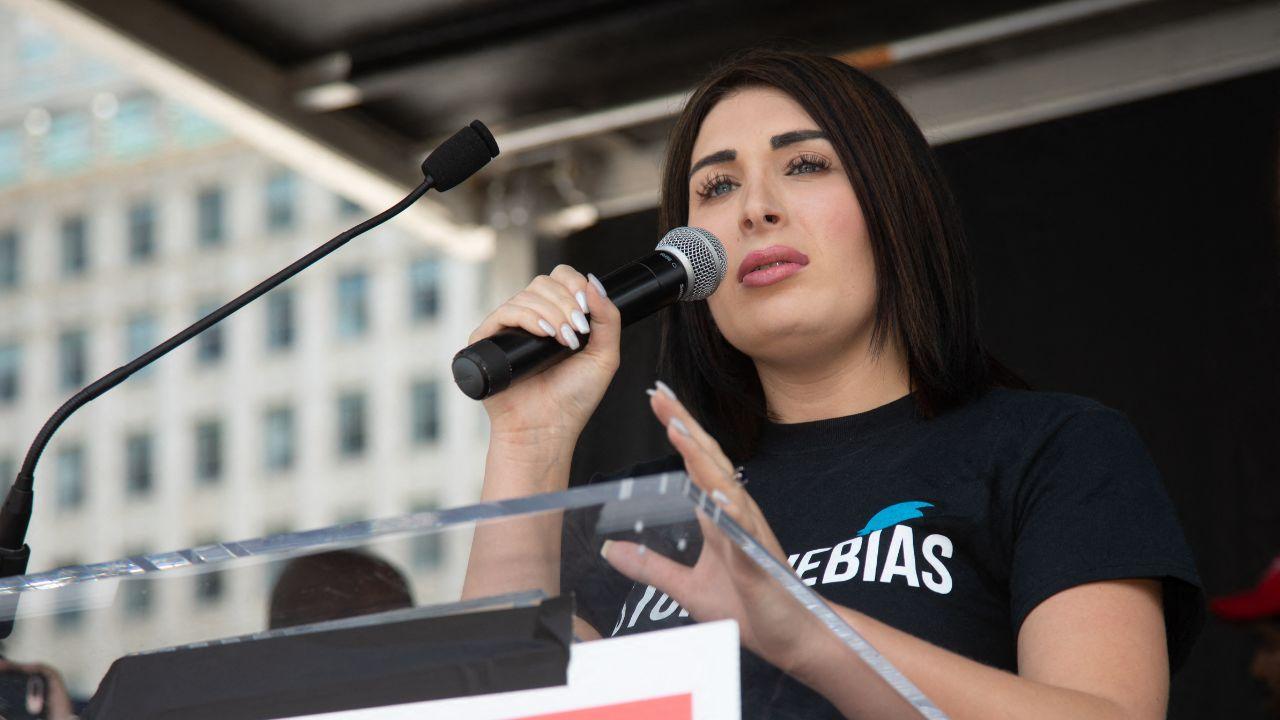
Laura Loomer, a figure known for her controversial conservative activism and provocative online presence, seized upon the Washington Post report to create and disseminate her AI-generated video. Posting the clip on X (formerly Twitter), Loomer captioned it, "Exclusive video footage of President Trump swapping planes in Turkey to dodge an Iranian assassination plot." The video itself was a spectacle of digital fakery, set to the iconic Mission: Impossible theme music. It depicted a stylized version of events, featuring Trump and what appeared to be dozens of journalists boarding a "Qatari-donated Air Force One."

Upon closer inspection, the AI-generated footage revealed multiple tell-tale signs of its artificial origin. Among the most glaring were visual inconsistencies such as two versions of the same woman appearing to board the plane, President Trump’s tie inexplicably changing color, and a military official’s hat vanishing and reappearing. The dialogue was equally artificial, with an AI-generated Trump exclaiming, "Let’s move, quick and quiet," before later being shown aboard a military jet with uniformed personnel, declaring, "We sure fooled those fake news sons of b—hes didn’t we?" The military personnel robotically responded, "Yes sir." These inconsistencies, while obvious to a discerning eye, did not prevent the video from circulating widely, often detached from its initial disclaimer or critical context.
Shareability Over Authenticity: Expert Analysis
The rapid spread of Loomer’s AI Trump plane-swap video, despite its discernible flaws, highlights a significant shift in the dynamics of information consumption. Amore Philip, founder of Apples and Oranges Public Relations, offered critical insights into this phenomenon. "The real shift is that AI clips no longer need to be believable to be effective, they just need to be shareable," Philip explained. This observation points to a fundamental change in how digital content gains traction and influence. In moments of breaking news or heightened political tension, individuals often react emotionally rather than forensically, making them more susceptible to content that aligns with their pre-existing beliefs or biases.

Philip further elaborated on the psychological mechanisms at play. "Most people judge authenticity by who shared it, how it makes them feel, and whether it matches their existing narrative, not by the content itself," she stated. This suggests that the source of the information and its emotional resonance can often override objective verification. Consequently, the same AI-generated clip can be interpreted vastly differently by various groups: as satire by some, as factual evidence by others, and as blatant propaganda by a third. This divergence in interpretation complicates efforts to combat misinformation, as factual corrections may struggle to penetrate deeply entrenched emotional responses or ideological frameworks.
Eroding Trust in the Digital Age
The proliferation of sophisticated AI tools capable of generating convincing, yet entirely fake, videos poses an existential threat to public trust in media, political institutions, and the very concept of verifiable truth. The incident involving the AI Trump plane-swap video serves as a potent case study for the broader implications of deepfakes and AI-driven misinformation. When fabricated content can so easily mimic reality, the public’s ability to discern genuine news from malicious deception is severely hampered. This erosion of trust can have profound consequences, potentially destabilizing political discourse, influencing election outcomes, and even inciting social unrest.
For traditional news organizations, the rise of AI-generated content presents immense challenges. The speed at which fake videos can be created and disseminated often outpaces the capacity for professional journalists to verify, debunk, and provide accurate context. This places an increased burden on media outlets to invest in advanced AI detection technologies, forensic analysis tools, and robust fact-checking protocols. More importantly, it underscores the need for proactive education on media literacy to equip the public with the critical thinking skills necessary to navigate a digitally saturated and often deceptive information environment.
Navigating the Infodemic: Challenges for Media and Public
The strategic deployment of AI-generated content, whether for satire, political commentary, or outright disinformation, complicates the already complex task of maintaining an informed populace. The ease with which such clips can be created and shared transforms social media platforms into battlegrounds where narratives are shaped and challenged not just by facts, but by compelling, albeit false, imagery and sound. This phenomenon forces a re-evaluation of how society engages with information, demanding greater vigilance from individual consumers and more robust responsibility from technology companies.
Philip’s advice for public figures facing such "crisis reality" situations is clear: speed and clarity are paramount. "You can be defended by a fake as easily as you can be attacked by one, and both damage credibility," she warned. "The response cannot be silence. It has to be fast, clearly sourced, human verification." This emphasizes the critical need for transparent and rapid communication from official sources to counter false narratives before they become deeply ingrained. Without swift, authoritative responses, the vacuum created by silence can be quickly filled by fabricated content, further entrenching misinformation.
Confronting the Future of Fabricated Narratives
The implications of Loomer’s AI Trump plane-swap video extend beyond a single incident, pointing to a future where distinguishing between reality and simulation becomes increasingly difficult. The rapid advancement of generative AI means that the glitches evident in earlier deepfakes will soon disappear, making artificial content virtually indistinguishable from genuine footage. This technological trajectory necessitates a multi-faceted approach involving technological solutions, educational initiatives, and policy frameworks.
Developing advanced AI detection tools, implementing stricter content moderation policies by social media platforms, and fostering greater digital literacy among the public are crucial steps. Governments and international bodies may also need to consider regulations concerning the labeling and provenance of AI-generated content, particularly in political contexts. Ultimately, the ability of fake clips, even flawed ones, to shape public discourse underscores a profound societal challenge: how to uphold truth and foster informed decision-making in an era where digital authenticity is constantly under siege. The incident serves as a stark reminder that as AI capabilities grow, so too must collective efforts to safeguard the integrity of our shared information space.