Veteran actor Robert De Niro issued a stark warning about former President Donald Trump and his political movement on Tuesday, August 25, asserting that Trump would "destroy" the United States and labeling his Make America Great Again (MAGA) followers as a "cult" who are "stupid for following him." De Niro’s forceful remarks, made during an interview primarily intended to promote his new Netflix thriller, quickly pivoted to a sharp condemnation of the former president’s administration and elicited a swift, highly personal rebuttal from the White House.
De Niro’s Unsparing Critique of Donald Trump
The 83-year-old Oscar winner, known for his politically outspoken nature, engaged in a wide-ranging discussion that initially addressed an AI-generated deepfake video. This manipulated footage had reportedly used De Niro’s likeness to mock Hollywood figures critical of President Trump. However, the conversation soon veered sharply into the contentious realm of American politics, with De Niro expressing profound concern over the nation’s trajectory under Trump’s potential influence.

De Niro articulated his belief that Trump’s continued presence in or near power posed an existential threat, stating, "He’s just going to destroy not only the country, but other parts of the world. It’s insane. That’s a big concern of mine, and I think a lot of people now." This sentiment underscores a recurring theme in De Niro’s public commentary, where he frequently aligns Trump with authoritarian tendencies and a disregard for democratic norms. His consistent criticisms have positioned him as one of Hollywood’s most prominent and unyielding opponents of the former president.
MAGA Supporters Labeled a ‘Cult’ and ‘Stupid’
During the interview, De Niro directly addressed the term "Trump Derangement Syndrome," a phrase commonly employed by Trump supporters to dismiss criticism of the former president as irrational or obsessive. De Niro flipped the narrative, suggesting that the "derangement" was a direct consequence of Trump’s actions. "‘Trump Derangement Syndrome’ is because he’s given it to you for a reason. People resent deeply what he’s been doing," the actor explained to USA Today.
He then turned his attention to the unwavering loyalty exhibited by a segment of Trump’s base. "There are some that follow him… under any conditions. Whatever their reasons are, I don’t know. It’s a cult, I guess, in some ways," De Niro stated, offering a psychological framing for the political phenomenon. He went further, characterizing these supporters as "stupid for following him because they ought to know better; the rest of his gang. We can’t have them in office anymore. It can’t be." This direct and inflammatory language sparked immediate debate, raising questions about the efficacy and fairness of such broad generalizations in political discourse.

The Enduring Influence of ‘The Apprentice’
De Niro also posited a theory regarding the origins of Trump’s initial political ascent, suggesting that the former president’s tenure as host of the reality television show The Apprentice played a significant, if underappreciated, role. "I think a lot of it happened from [Trump hosting] The Apprentice… Kids are looking at [it] in their mid-teens; then they’re eligible to vote later, and they vote as a family," he speculated. "I think that part of the country watching The Apprentice had a tremendous influence. I could be wrong on why he got elected. It’s crazy."
This hypothesis points to the power of media representation in shaping public perception and political narratives. The Apprentice, which portrayed Trump as a decisive, successful, and formidable businessman, may have cultivated an image that resonated with a demographic that later translated into political support, blurring the lines between entertainment and political reality. De Niro’s observation highlights a broader concern about the impact of popular culture on political engagement and voter behavior, particularly among younger audiences.
White House Retaliation and the Escalating Feud
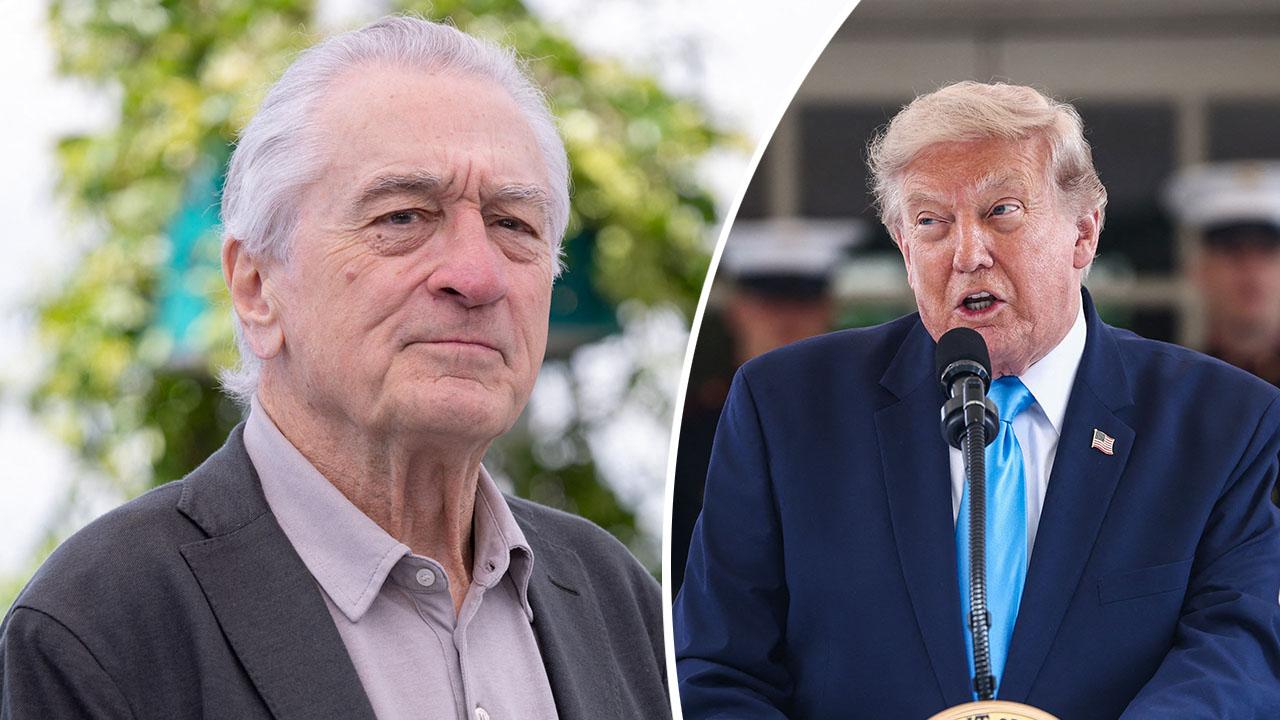
The White House press office did not hesitate to respond to De Niro’s latest broadside, opting for a highly personal attack rather than engaging with his policy criticisms. Spokesman Davis Ingle issued a sharp retort, dismissing De Niro as "a washed-up has-been" and alleging that the actor’s case of "Trump Derangement Syndrome" had "completely rotted his peanut-sized brain." This aggressive counter-response is characteristic of the Trump administration’s communication strategy, which often employs personal insults and ad hominem attacks against critics.
The exchange marks another escalation in the long-running public feud between Robert De Niro and Donald Trump, a rivalry that has been simmering for years. Their animosity became particularly pronounced during the 2016 presidential election campaign, when De Niro famously declared he would like to "punch [Trump] in the face." Trump, in turn, has frequently derided De Niro, often labeling him as a "low-IQ individual" and criticizing his acting career. This pattern of mutual disdain has solidified their roles as prominent antagonists in the ongoing cultural and political wars.
The Broader Implications of Celebrity Political Activism
De Niro’s latest comments are not isolated but rather form part of a larger trend of celebrity political activism, particularly among Hollywood figures who often lean left. While some view such engagement as a crucial exercise of free speech and a means to influence public opinion, others criticize it as elitist, out of touch, or simply ineffective. The impact of celebrity endorsements and criticisms on the electorate remains a subject of ongoing debate, with some research suggesting limited direct influence, while others point to the role of celebrities in mobilizing specific demographics or amplifying political messages.
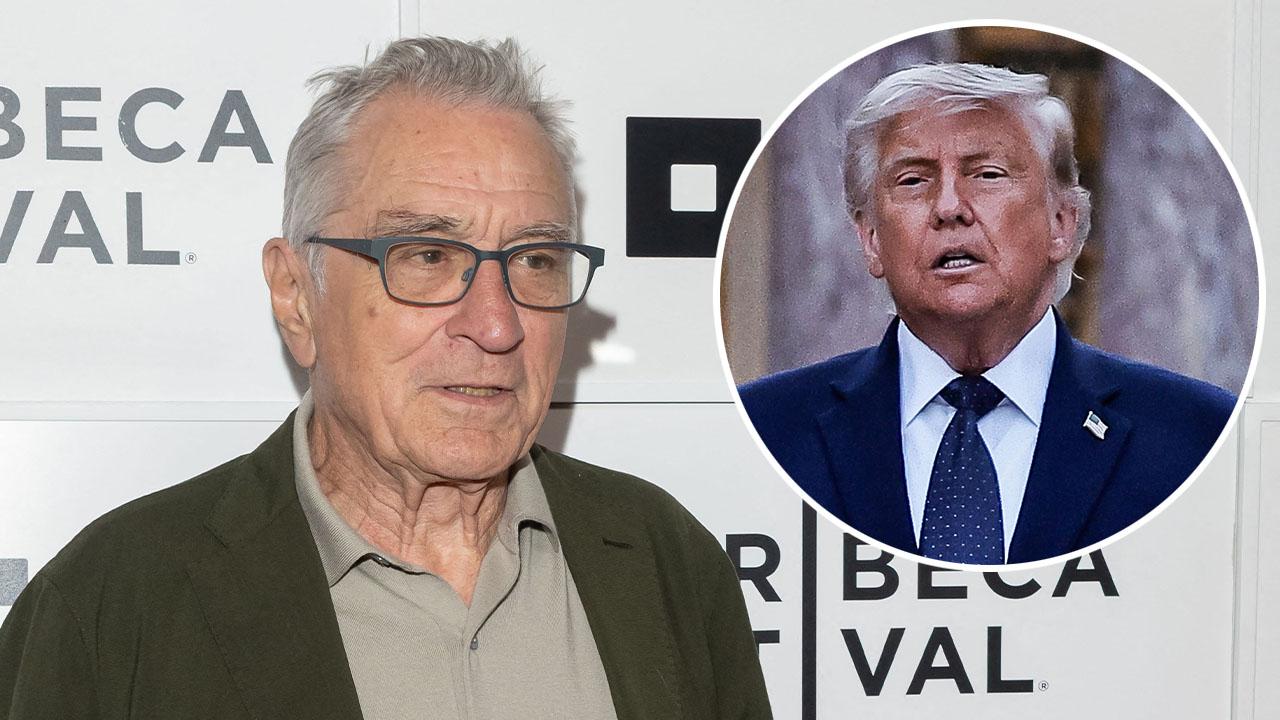
The actor’s characterization of MAGA followers as a "cult" and "stupid" also reflects a growing chasm in American political discourse. Such labels, while perhaps reflecting genuine frustration and alarm, can further entrench divisions and make constructive dialogue more challenging. The use of highly charged language by public figures, whether from entertainment or politics, contributes to an environment where demonization of the "other side" becomes commonplace, potentially fueling animosity and polarization rather than fostering understanding or unity.
Future Political Landscape and Rhetoric
As the United States approaches future elections, the intensity of political rhetoric is expected to remain high. Robert De Niro’s unvarnished remarks serve as a potent reminder of the deep ideological divides that characterize contemporary American society. The immediate and vitriolic response from the White House further illustrates the combative nature of political exchanges, where personal attacks often overshadow substantive policy debates.
The ongoing public sparring between a revered cultural icon like De Niro and a powerful political figure such as Trump highlights the confluence of entertainment, politics, and media in shaping public consciousness. These exchanges not only reflect existing societal tensions but can also contribute to their perpetuation, influencing how voters perceive candidates, policies, and the very fabric of American democracy. The dialogue between these two prominent figures underscores a political landscape increasingly defined by sharp contrasts and unwavering opposition, with profound implications for the nation’s future direction.