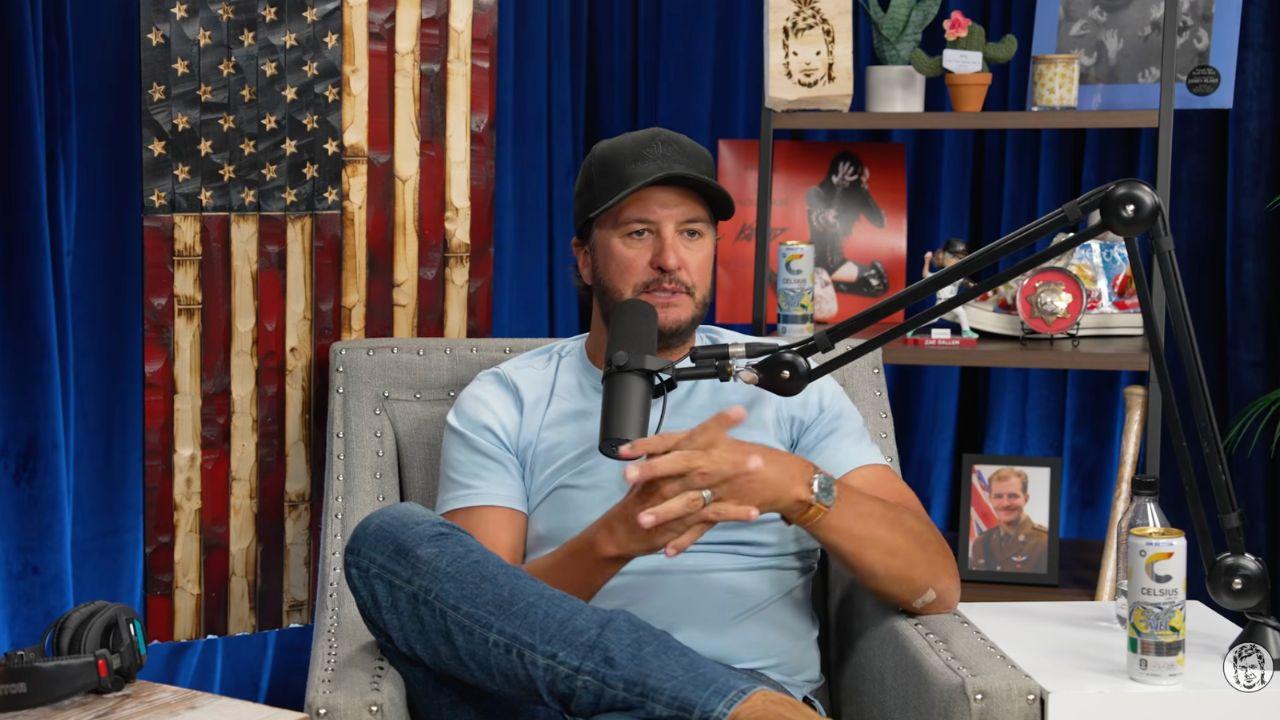
Country music superstar Luke Bryan has vehemently denied accusations that his recent single, "Fish Hunt Golf Drink," was generated by artificial intelligence, expressing profound frustration and even threatening physical confrontation against online detractors. The Grammy-nominated artist, known for his upbeat anthems and authentic country lifestyle, made the impassioned remarks during a recent appearance on Theo Von’s "This Past Weekend" podcast, underscoring the escalating tensions between established artists and the rapidly evolving digital landscape.
The controversy ignited earlier this year following the release of "Fish Hunt Golf Drink," a track that quickly became a target for social media commentators. Online users, frequently referred to as "trolls," began circulating claims that the song’s lyrics and composition bore the hallmarks of AI song creation rather than human artistry. These allegations quickly gained traction across platforms like TikTok, Instagram Reels, and X (formerly Twitter), creating a widespread narrative that Bryan and his team were forced to confront.
The Genesis of the AI Song Accusations
"Fish Hunt Golf Drink" is officially credited to Luke Bryan himself, alongside seasoned human songwriters Chase McGill and Matt Dragstrem. Despite these clear human credits, the informal online discourse rapidly shifted towards questioning the song’s origin. Bryan recounted on the podcast how this "narrative got started," emphasizing the speed and unverified nature of its spread through social media. He described the situation as "pretty crazy," highlighting the difficulty in combating misinformation once it takes root in the digital sphere.

The song itself, characterized by its straightforward celebration of quintessential American leisure activities, arguably contributed to the skepticism among some listeners. Critics suggested its simplicity and adherence to familiar country tropes made it seem like a product of an algorithm designed to mimic popular genre characteristics. This perception fueled the AI song theories, despite the verifiable human authorship.
Luke Bryan’s Enduring Career and the Weight of Public Scrutiny
Bryan’s career, spanning over a decade, has been marked by numerous chart-topping hits and a reputation as a relatable, down-to-earth performer. From early successes like "Country Girl (Shake It for Me)" to his role as a judge on "American Idol," he has consistently navigated the intense scrutiny that comes with celebrity. His comments on Von’s podcast revealed a deeper weariness with the constant public judgment.
"Back when I wore tight jeans … then I was the tight-jean guy, so you go through all these phases," Bryan reflected, illustrating a long history of adapting to and enduring public commentary on his image and music. He articulated a sentiment common among public figures: that no matter what artistic or stylistic choices they make, a segment of the audience will find grounds for criticism. The AI song accusations represent a new frontier in this ongoing battle for authenticity and creative control.
The Broader Landscape of AI in Music

The music industry has been grappling with the rapid advancements of artificial intelligence, which has demonstrated capabilities ranging from generating original compositions to mimicking an artist’s vocal style. High-profile instances of AI-generated tracks, such as the viral "Heart on My Sleeve" featuring AI-mimicked vocals of Drake and The Weeknd, have sparked widespread debate over copyright, intellectual property, and the very definition of artistry. This broader context provides a backdrop against which the accusations against Bryan’s song gain additional resonance.
The ease with which AI can now produce plausible-sounding music has led to increased suspicion among listeners, particularly when a song’s lyrical content or melodic structure appears to align too perfectly with established genre conventions. This cultural shift means artists like Bryan are not only defending their creative choices but also their fundamental humanity in the creative process. The challenge of distinguishing human ingenuity from algorithmic output is a defining characteristic of the current AI song era.
Bryan’s Escalating Frustration and Threats of Confrontation
The country star’s exasperation was palpable as he discussed the difficulty of dispelling these online rumors. He lamented the power of a "couple of kids with a bunch of Instagram followers" to propagate a false narrative that then becomes widely accepted. This frustration culminated in a stark and unfiltered threat against his online detractors.
"They’re like at a camera going, ‘I hate you.’ And I’m like, ‘I can see your face. If I see you one day, I’m going to f——- knock the s— out of you, dude,’" Bryan stated, demonstrating a rare and aggressive display of anger from a mainstream artist. He characterized the behavior of these online critics as indicative that "People have lost their minds," highlighting a perceived breakdown in civility and respect in digital interactions.
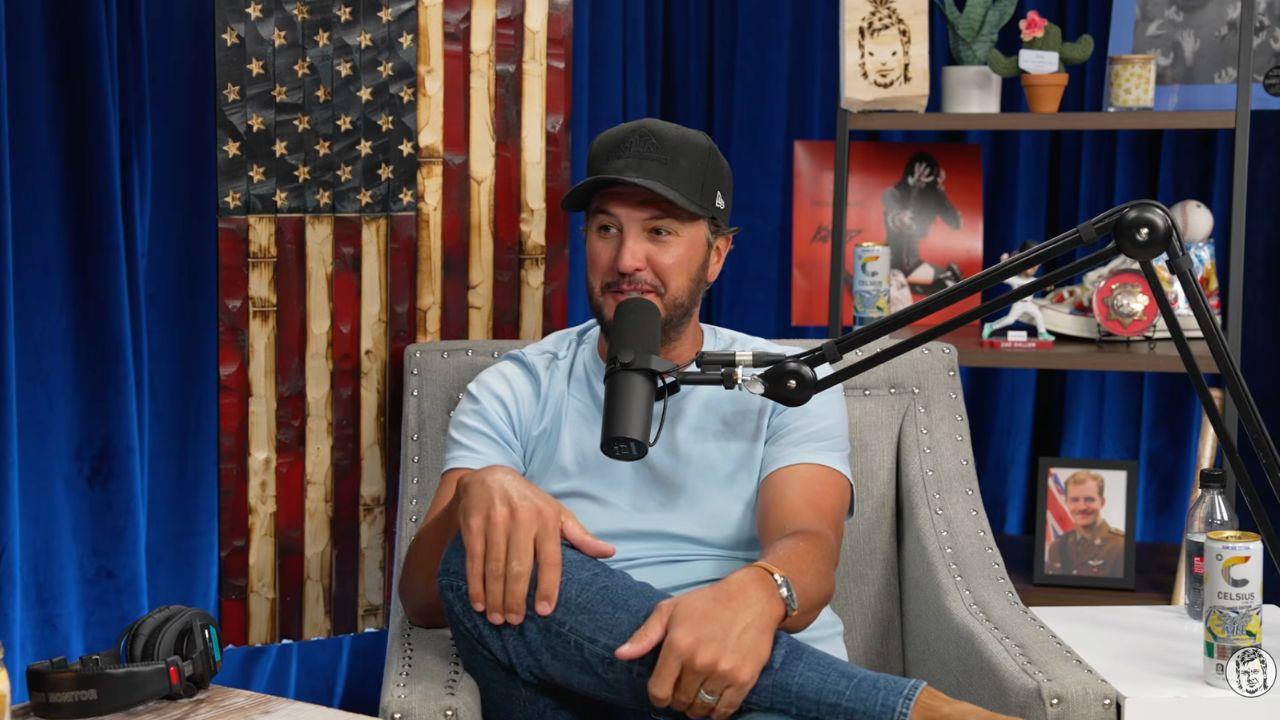
Bryan further challenged the authority of these anonymous critics, particularly younger individuals, to judge his established career. "I’m not sure I’m happy about a bunch of teenagers telling a 50-year-old man he’s a piece of s— songwriter. And then I’m like, ‘Dude, you’re 16. You’re talking to a grown man who’s made a s— ton of money doing this,’" he asserted. His comments underscore the power imbalance and perceived disrespect that can fuel such heated celebrity responses, as artists feel their livelihood and artistic integrity are being unfairly attacked. He even went so far as to say he would "kill" his own children if he caught them engaging in similar online behavior.
The Pervasive Influence of Social Media Echo Chambers
The proliferation of platforms like X, TikTok, and Instagram has created an environment where narratives, regardless of their factual basis, can spread globally within hours. The examples cited in the original report—social media users declaring, "I’m convinced Luke Bryan writes his songs with AI" or asking, "So is Luke Bryan trollin with his new song or did he let AI write it"—illustrate how quickly speculation can solidify into perceived fact. This phenomenon makes it exceedingly difficult for public figures to control their own stories or effectively counter widespread misinformation.
These digital echo chambers often reward sensationalism and controversy, pushing narratives that might be entertaining or provocative over those that are meticulously verified. For an artist like Bryan, this means battling not just direct criticism, but an entire ecosystem designed to amplify unproven claims, directly impacting his public image and the reception of his artistic work. The very nature of online discourse contributes to the widespread belief in AI song generation when a track is perceived as formulaic or generic.
Previous Defenses and the Ongoing Battle for Authenticity
This is not the first time Bryan has addressed the "Fish Hunt Golf Drink" controversy. In June, he spoke to NBC4, explicitly stating, "We’ve had some negativity out there. Some trolls kinda saying that I ‘AI’-ed it, which is completely false." At that time, he emphasized the song’s simple purpose: "That song was designed for one thing. To have fun and to tell the world what I love to do and what I strive to do."
His repeated defenses highlight the persistent nature of these AI song accusations and the deep personal impact they have had on the artist. It underscores a broader struggle within the entertainment industry to maintain and project authenticity in an era where digital tools can mimic, replicate, and even generate creative content that blurs the lines between human and machine.
Impact on Artist Integrity and the Future of Music Creation
The ongoing debate surrounding Luke Bryan’s song, and other similar incidents, carries significant implications for artist integrity and the future of music creation. As AI technology becomes more sophisticated, the challenge of protecting intellectual property and ensuring fair compensation for human artists will only intensify. Industry stakeholders, including record labels, artist associations, and lawmakers, are increasingly being forced to confront questions of copyright in the age of generative AI.
Beyond legal frameworks, there is a cultural impact. The public’s trust in the authenticity of artistic expression is at stake. When audiences question whether a song was written by a human or an algorithm, it erodes the unique connection between artist and listener that is fundamental to the music experience. Bryan’s furious reaction is not merely a defense of one song, but a passionate plea for the recognition of human effort and creative spirit in a rapidly digitizing world, further complicating the already contentious issue of AI song usage.

As artists navigate this new frontier, they face the dual challenge of embracing technological innovation while safeguarding the unique value of human creativity. The confrontation between Luke Bryan and his online accusers serves as a stark reminder of the personal and professional stakes involved in the ongoing dialogue about artificial intelligence in the arts.