Former President Donald Trump’s physical appearance, particularly significant perspiration and a flushed complexion following a recent address at the White House, has reignited widespread public discussion and concern over his health. The visible signs of distress prompted immediate and varied reactions across social media platforms, with many users questioning his stamina and overall well-being. The incident adds to a growing list of public observations that have fueled ongoing speculation regarding the former president’s physical fitness as he navigates a demanding political landscape.
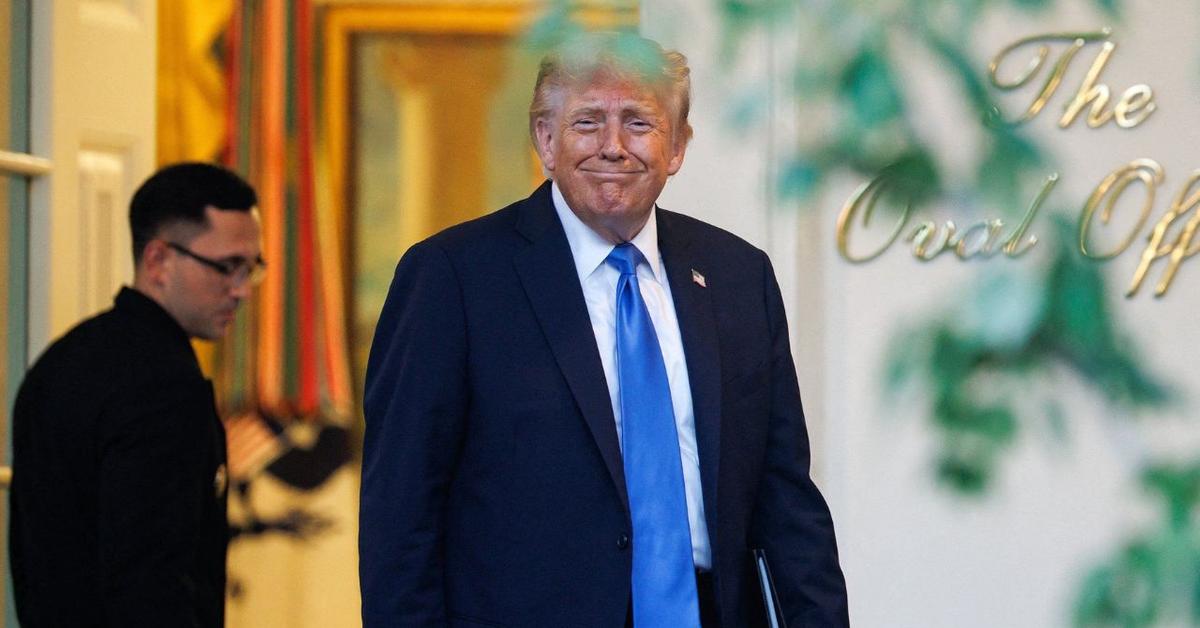
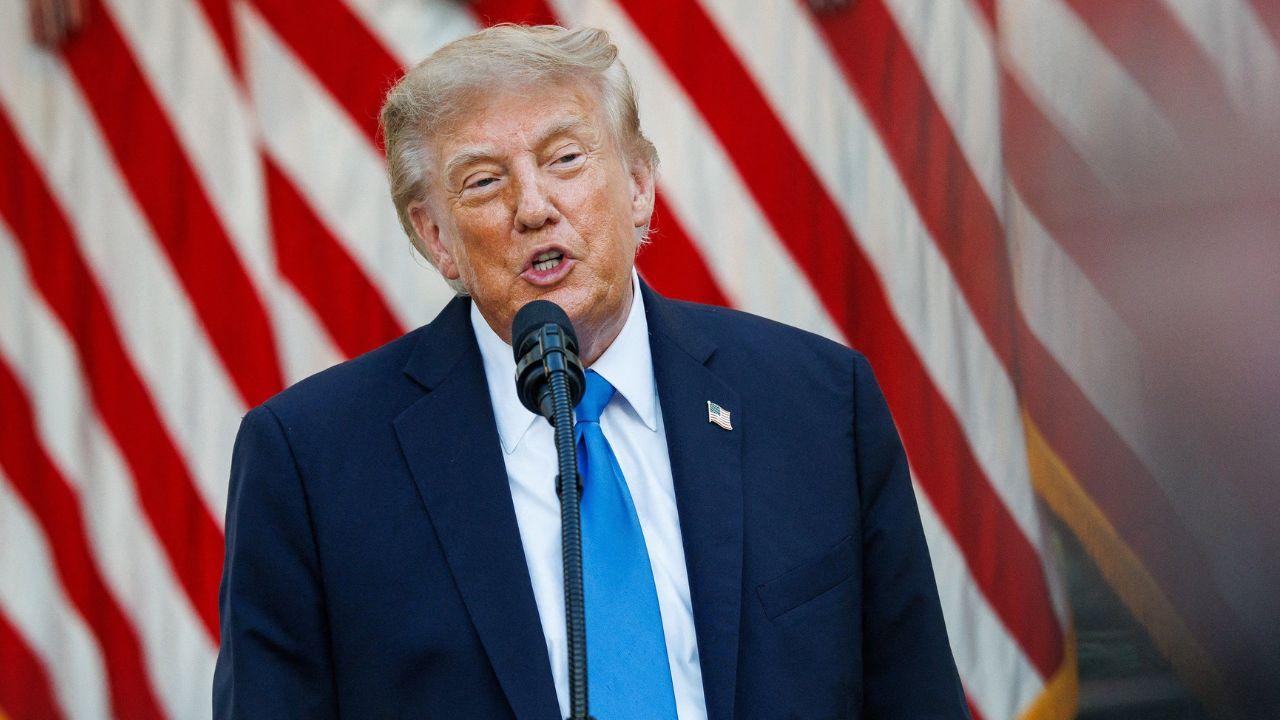
On a Wednesday following a public address from the White House, observers noted a pronounced change in Donald Trump’s appearance. Photographs circulating online depicted the former president with a noticeably red face and visible signs of perspiration, sparking a flurry of comments. One social media user on X (formerly Twitter) described him as looking "like an absolute wreck," a sentiment echoed by others who pointed to the evident physical strain. The specific content of the speech itself was largely overshadowed by the intense scrutiny of his post-event demeanor.
The immediate aftermath of the speech saw a rapid online dissection of Trump’s condition. While some social media users quickly attributed the perspiration to the prevailing weather conditions, noting high heat and humidity as summer transitions into autumn, others expressed more profound concerns. Washington D.C. can experience significant humidity even in early September, and a 92-degree Fahrenheit temperature was cited by some as a plausible explanation for heavy sweating. However, this explanation did not entirely quell the broader anxieties. Comments ranged from lighthearted jests about his complexion and perspiration, such as "Geeezus, he has more oil on his face than I have in my deep fryer," to more pointed remarks like, "When does he not look like an absolute wreck? The f—– is in his 80s and actively dying." The dichotomy of responses highlighted the polarized public perception surrounding his health.

The incident is not an isolated one but rather the latest in a series of public observations that have cast a spotlight on Donald Trump’s health. For a public figure of his prominence, particularly one contemplating or actively engaged in a presidential campaign, physical well-being remains a subject of intense media and public scrutiny. This recent display of heavy sweating and a red face has merely amplified existing conversations about his fitness for the rigors of high office.
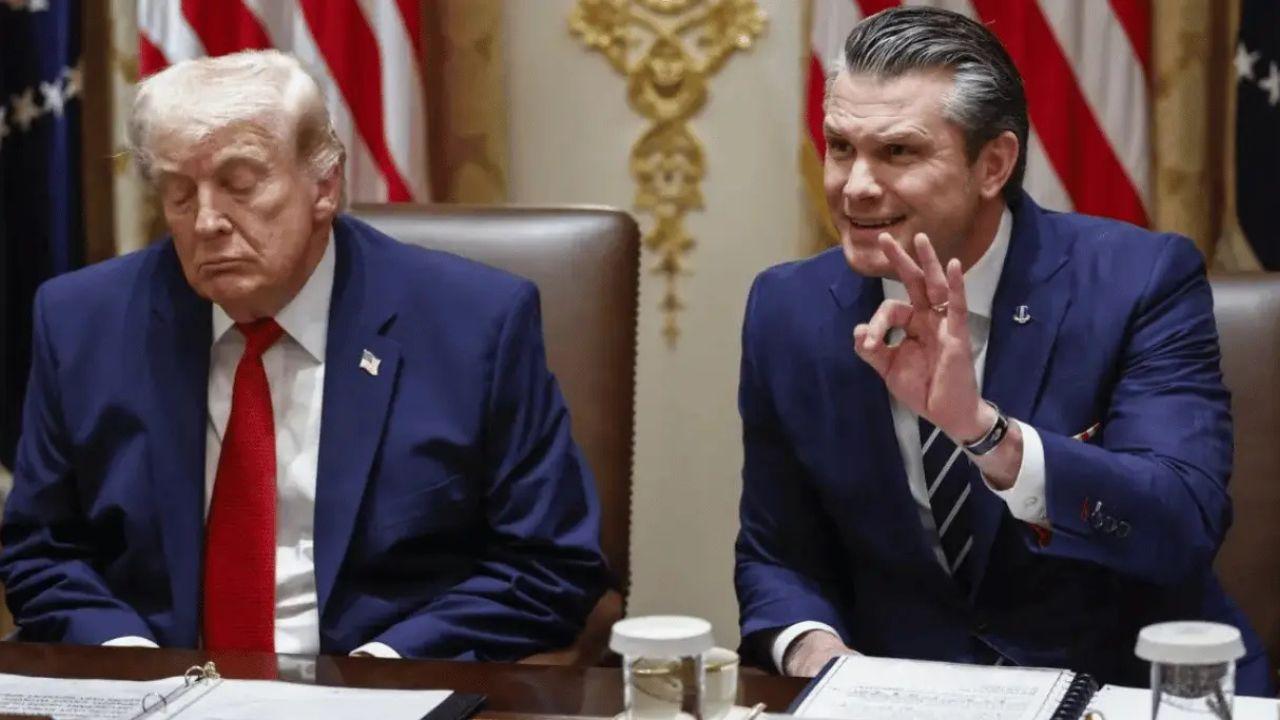
Over recent months, several other incidents have contributed to the ongoing health narrative surrounding the former president. Reports have frequently emerged of Trump appearing to doze off during official meetings, drawing comparisons to past instances where public figures have shown signs of fatigue. These moments, often captured by cameras, have led to speculation about his sleep patterns, energy levels, and overall cognitive alertness. While occasional fatigue is common, the repeated nature of these observations has fueled a more sustained public discourse.

Another recurring point of concern has been the appearance of Donald Trump’s hands. On multiple occasions, his hands have been seen covered with bandages or unusually heavy makeup, particularly after public appearances. These observations have led to widespread public conjecture, with theories ranging from minor injuries to more serious underlying conditions requiring medical attention, such as intravenous treatments or issues related to blood thinners. Despite the intense speculation, specific official explanations for these recurring bandages have often been vague or absent, leaving room for public imagination and concern.
A particularly notable incident occurred in March, when Trump was photographed with a prominent rash on his neck, which was subsequently covered with a thick layer of foundation in later appearances. His primary physician, Dr. Sean Barbabella, issued a statement addressing the rash, explaining that Trump was using "a very common cream on the right side of his neck" as a "preventative skin treatment" for a skin condition. Dr. Barbabella further noted that "the president is using this treatment for one week, and the redness is expected to last for a few weeks." While providing a medical explanation, the visual evidence and subsequent cosmetic measures still added to the public’s heightened awareness of his physical state.
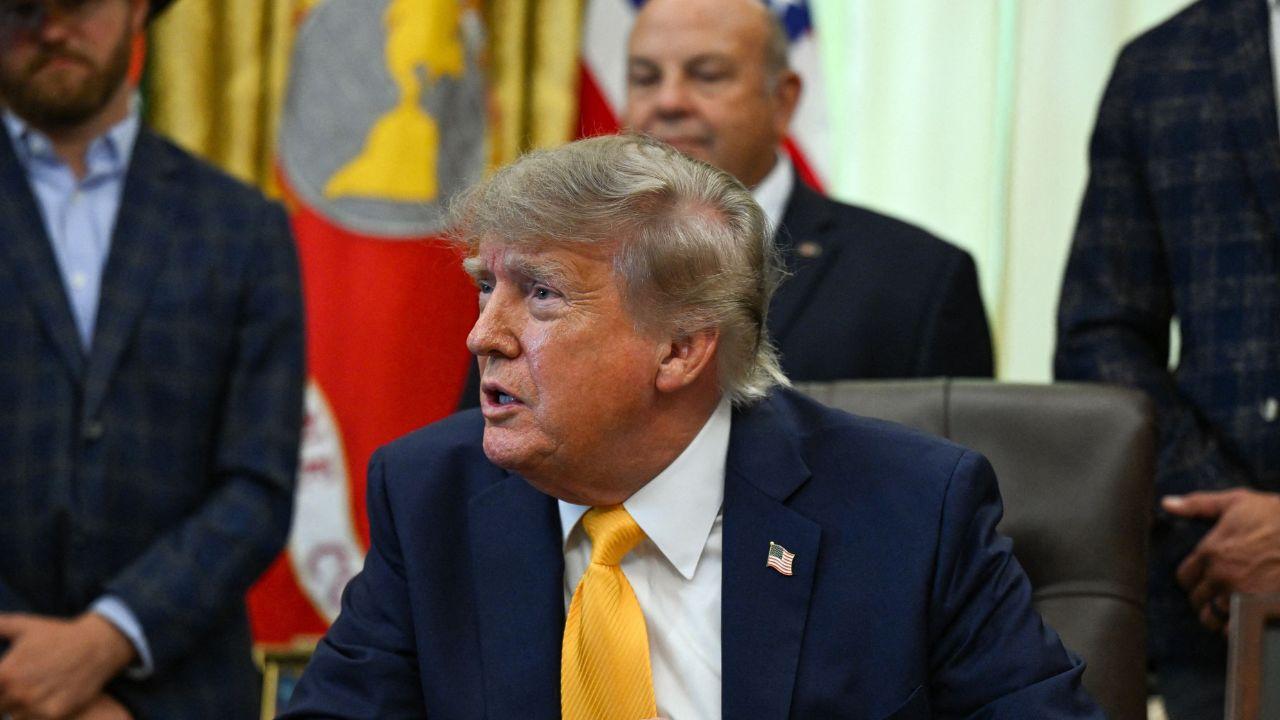
Furthermore, the condition of Donald Trump’s ankles has also drawn significant attention. Photographs have frequently depicted his ankles as appearing swollen and puffy, a symptom that has been officially attributed to a diagnosis of chronic venous insufficiency. This condition, common in older individuals, impairs the ability of blood to return efficiently to the heart, leading to pooling in the veins of the arms and legs, and consequently, noticeable swelling. While a known medical condition, its visual manifestation has added to the cumulative picture of his health challenges.
The persistent public focus on Donald Trump’s health underscores a broader societal and political expectation for transparency from high-ranking public officials. The physical and mental demands of the presidency and campaigning for the office are immense, and the public often seeks assurance that candidates are robust enough to handle these pressures. Historically, the health of presidential candidates and sitting presidents has always been a subject of keen interest, sometimes even becoming a significant factor in elections.
Media scrutiny of presidential health is not new. From Woodrow Wilson’s stroke to Franklin D. Roosevelt’s polio and John F. Kennedy’s Addison’s disease, presidents throughout history have faced varying degrees of public awareness regarding their physical conditions. However, the advent of social media has intensified this scrutiny, allowing for rapid dissemination of images and immediate, often unfiltered, public commentary. Every public appearance, every gesture, and every visible physical symptom is now instantaneously analyzed and debated by millions.
The observations regarding Trump’s sweating, flushed face, fatigue, hand issues, skin conditions, and swollen ankles collectively paint a picture that concerns many, regardless of political affiliation. For his political opponents, these incidents serve as talking points to question his fitness for office, framing them as evidence of declining health. For his supporters, such concerns are often dismissed as politically motivated attacks or exaggerated reactions to normal physiological responses, especially given his age. The 92-degree weather explanation, for instance, highlights how seemingly benign events can be politicized in the context of a public figure’s health.
The role of media professionals in managing public perception of a candidate’s health is also complex. One commentator observed, "The danger of doing outdoor press conferences is you never know what the sun is going to do so you can’t control the lighting. The Sun may get hotter, so you may begin to sweat and wash off the makeup, which doesn’t happen in air-conditioned rooms." This comment reflects on the strategic considerations involved in public appearances for individuals under intense scrutiny, particularly how environmental factors can inadvertently create optics that fuel health narratives. The commentator added, "I can’t believe that a media-savvy guy like Trump was not aware of this or nobody mentioned it to him," suggesting a potential oversight in managing his public image.
Ultimately, the ongoing public and media focus on Donald Trump’s health, exacerbated by incidents like his post-speech perspiration, highlights the enduring intersection of personal well-being and public office. In an era of constant information flow, every detail of a high-profile figure’s appearance can become fodder for discussion, analysis, and political maneuvering. As the political calendar progresses, it is highly probable that Donald Trump’s physical well-being will remain a prominent feature of public discourse, subject to continued observation and interpretation by both supporters and detractors alike.