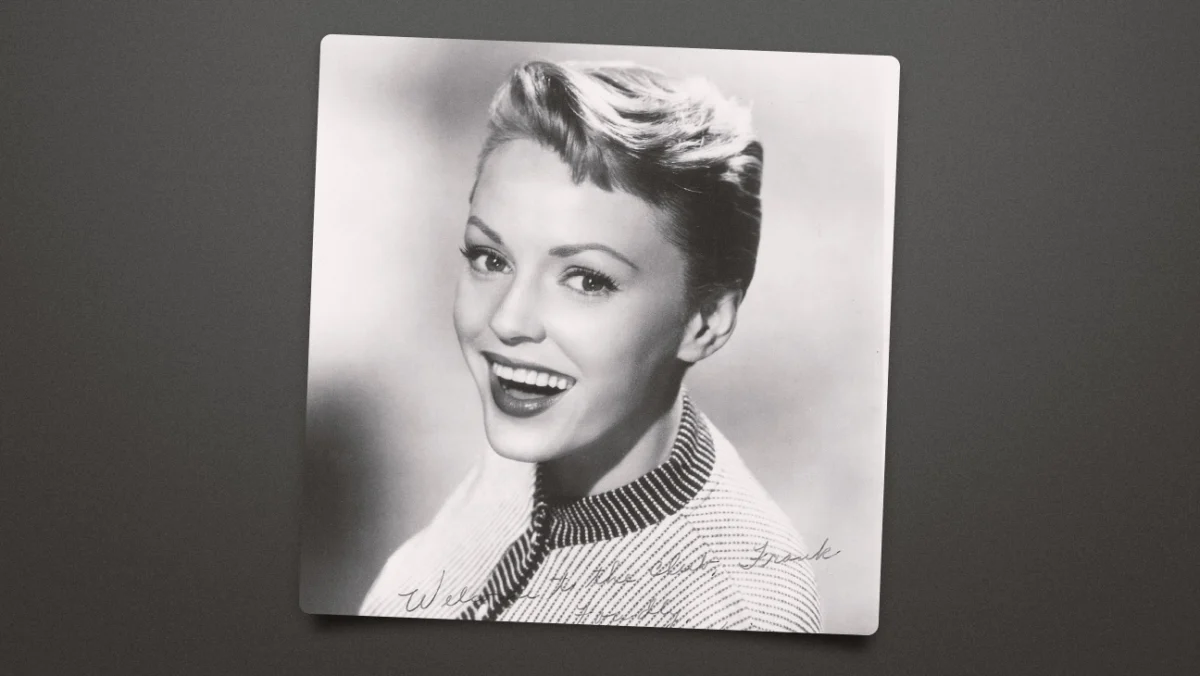
A new chapter of legal dispute and familial recrimination has emerged 25 years after the tragic death of R&B star Aaliyah, with her uncle, Barry Hankerson, explicitly blaming his son, Jomo Hankerson, for critical failures linked to the fatal plane crash that claimed the singer’s life. The shocking accusation, detailed in recently obtained court documents, casts a somber shadow over the ongoing legal battle between the father and son concerning music rights and financial settlements. The highly public and emotionally charged revelation underscores the enduring pain and unresolved questions surrounding the untimely demise of a beloved musical icon.
The devastating incident occurred on August 25, 2001, when a small, twin-engine Cessna 402B aircraft, carrying Aaliyah Dana Haughton and eight other individuals, plummeted to the ground shortly after takeoff from Marsh Harbour in the Abaco Islands, Bahamas. The group had just completed filming the music video for Aaliyah’s hit single "Rock the Boat" and was en route back to the United States. All nine people on board perished in the immediate aftermath or from injuries sustained in the crash, sending shockwaves through the global music community and leaving millions of fans in mourning.

The Hankerson Family and Aaliyah’s Rise to Stardom
Aaliyah’s career was intricately tied to her uncle, Barry Hankerson, the founder of Blackground Records. Hankerson, a prominent figure in the music industry, not only managed her career but also played a pivotal role in shaping her artistic direction. Under his guidance, Aaliyah released her debut album, Age Ain’t Nothing But a Number, at the tender age of 14, immediately establishing herself as a fresh voice in R&B. Her subsequent album, One in a Million, released in 1996, propelled her to superstardom, earning double-platinum certification and cementing her status as a trailblazer in contemporary music. Her unique blend of soulful vocals, innovative production, and distinctive fashion sense redefined R&B and garnered critical acclaim worldwide.
At the time of her death, Aaliyah was at the zenith of her career. Her self-titled third album, Aaliyah, had recently peaked at No. 2 on Billboard’s Top 10 list, showcasing her artistic maturity and continued evolution. Beyond music, she had successfully ventured into acting, starring in films like Romeo Must Die and Queen of the Damned, demonstrating her potential as a multi-talented entertainer. Her sudden loss was not just a personal tragedy for her family but a profound blow to the entertainment industry, leaving a void that many felt could never be filled.

Unraveling the Fatal Plane Crash: Investigations and Findings
The immediate aftermath of the crash triggered extensive investigations by both Bahamian and U.S. aviation authorities. What emerged from these inquiries painted a grim picture of negligence and a blatant disregard for safety protocols. Investigators concluded that the Cessna 402B was dangerously overloaded, exceeding its maximum permissible weight by approximately 700 pounds. This critical error was exacerbated by a last-minute change in the charter company, which resulted in a reduced weight limit for the aircraft that was not properly observed or communicated. Crucially, the weight of the passengers and their extensive baggage was not accurately checked before boarding, a fundamental requirement for safe flight operations.
Further alarming discoveries related to the pilot, Luis Morales III, deepened the tragedy. It was revealed that Morales was not certified to fly the Cessna 402B aircraft. He had falsified his Federal Aviation Administration (FAA) credentials, and toxicology reports later confirmed the presence of cocaine and alcohol in his system at the time of the crash. Adding another layer of disturbing context, CBS News reported that Morales had been sentenced to probation for cocaine possession just two weeks before the fatal flight. These revelations highlighted a catastrophic chain of errors, from improper loading and regulatory failures to a compromised pilot, all contributing to the horrific outcome.

The Current Legal Battle: A Father’s Accusation Against His Son
The shocking accusation from Barry Hankerson against his own son, Jomo, surfaces within the context of a separate, ongoing legal dispute. Jomo Hankerson initiated a lawsuit against his father and Blackground Records, alleging a breach of a prior settlement agreement related to music rights. Jomo claims he is owed a 12 percent share of the profits from the extensive music catalogs of several high-profile artists managed by Blackground Records, including Aaliyah, Toni Braxton, DMX, and Timbaland. He is seeking over $1.2 million in damages, asserting that his father has failed to honor their previous arrangement.
It is within Barry Hankerson’s legal response to this lawsuit that the deeply personal and incendiary blame for the plane crash has been laid. According to court documents obtained by TMZ, Barry alleges that Jomo was specifically hired and financially compensated to coordinate the travel logistics for Aaliyah’s "Rock the Boat" video shoot in the Bahamas. Barry contends that the crash, and by extension Aaliyah’s death, "may have been avoided had [Jomo] followed through on his compensated task of travel coordination." This accusation, made public 25 years after the tragedy, introduces an agonizing dimension to the family’s already fraught legal and personal relationship. Barry also states in the filing that his relationship with Jomo was irreparably damaged and "never the same" after Aaliyah’s death, suggesting a long-simmering resentment now boiling over in court.

The Broader Implications of Blame and Accountability
This latest development reignites the painful narrative surrounding Aaliyah’s death, bringing new scrutiny to the circumstances that led to the tragedy. Barry Hankerson’s allegation serves not only as a defense in the music rights lawsuit but also as a profound public expression of his personal grief and search for accountability. While previous wrongful death claims filed by Aaliyah’s family against various defendants, including parties connected to the production and flight arrangements, resulted in undisclosed settlements, this marks the first time such direct blame has been leveled within the immediate family. These earlier legal actions acknowledged a degree of responsibility from various entities involved in the travel arrangements, but the current lawsuit introduces a layer of intrafamilial culpability that is both devastating and unprecedented.
The legal strategy behind Barry’s accusation is complex. It could be an attempt to undermine Jomo’s credibility or leverage in their financial dispute, implying that Jomo’s alleged past negligence outweighs his current claims for compensation. Alternatively, it could be a genuine, albeit belated, attempt by a grieving uncle and father to pinpoint blame for a tragedy that has haunted his family for decades. Regardless of the legal motivations, the emotional toll on the Hankerson family, and by extension, Aaliyah’s remaining family and vast fanbase, is immeasurable. The public airing of such deeply personal and painful accusations can further fracture familial bonds, turning a financial dispute into a public spectacle of raw grief and recrimination.

A Legacy Endures Amidst Legal Turmoil
Aaliyah’s influence on music and culture remains profound, even decades after her passing. Her groundbreaking work with producers like Timbaland and Missy Elliott pushed the boundaries of R&B, incorporating elements of hip-hop, electronic music, and alternative sounds. She left an indelible mark on a generation of artists and continues to inspire new musicians. Her posthumous legacy, however, is often intertwined with the tragic circumstances of her death, and these new legal revelations threaten to overshadow her artistic contributions with a renewed focus on the personal and professional failures that led to the crash.
As the legal proceedings between Barry and Jomo Hankerson unfold, the music world and Aaliyah’s devoted followers will undoubtedly watch closely. The court’s handling of Barry’s accusations and Jomo’s subsequent response will determine not only the financial outcome of the music rights dispute but also the narrative surrounding the fatal plane crash. This bitter family fight, conducted in the public arena, serves as a stark reminder that some wounds never fully heal, and the search for answers and accountability can persist for a lifetime, even at the cost of further fracturing already broken relationships. The resolution of this painful legal battle may provide some measure of closure for the Hankerson family, but it will forever be etched into the complex and tragic story of Aaliyah’s life and legacy.