Stephen Knight’s documentary, "Oasis: Don’t Look Back in Anger," offers an intimate and unflinching look at the seismic reunion of the iconic British band Oasis, highlighting the enduring, albeit often tempestuous, bond between brothers Liam and Noel Gallagher. The film, released this week, delves into the band’s monumental return to the stage after a 16-year hiatus, showcasing not only the electrifying live performances that captivated a new generation of fans but also the raw, emotional undercurrents that defined their journey.
The documentary meticulously chronicles Oasis’s global stadium tour last summer, a venture that saw the band perform for a staggering 41 dates, drawing massive crowds united by a shared love for their anthemic catalog. "Don’t Look Back in Anger" provides an unprecedented glimpse into the rigorous preparation for this comeback, from the initial, often fraught, rehearsals to the triumphant concerts that echoed the band’s legendary status. Director Stephen Knight, known for his work on "Peaky Blinders," masterfully weaves together archival footage, candid interviews, and behind-the-scenes moments to paint a vivid portrait of a band navigating both past grievances and present triumphs.
The Enduring Dichotomy: Liam and Noel’s Contrasting Personalities
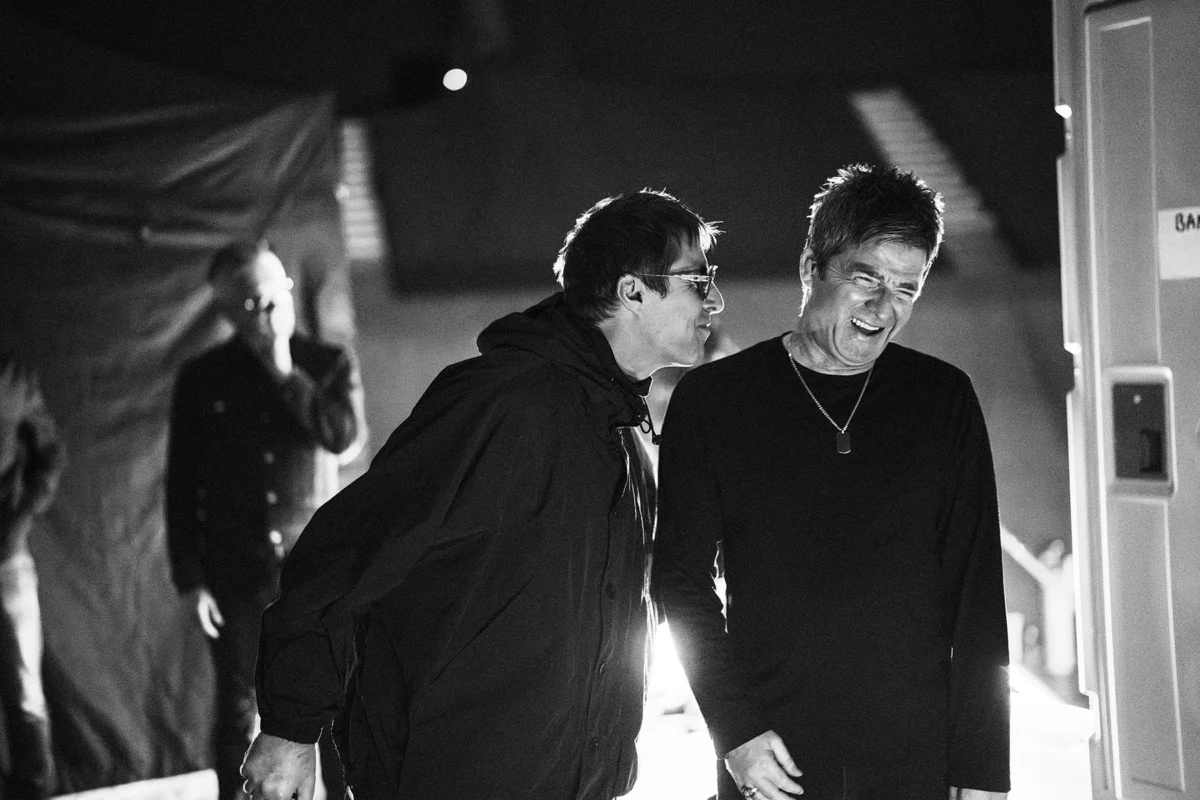
At the heart of "Oasis: Don’t Look Back in Anger" lies the dynamic between Liam and Noel Gallagher, a relationship characterized by a fascinating blend of fraternal animosity and deep-seated affection. Liam, the younger brother, embodies raw instinct and an almost primal stage presence, while Noel, the elder, consistently displays a dry wit and an uncanny ability to deliver cutting remarks. This inherent contrast, a cornerstone of Oasis’s appeal, is amplified throughout the film, offering viewers a nuanced understanding of their creative partnership.
Despite the familiar friction, the documentary reveals a palpable undercurrent of warmth and respect between the siblings. Noel is frequently shown expressing genuine admiration for Liam’s stagecraft, notably describing Liam’s spontaneous act of wearing a tambourine on his head during the Live ’25 Tour as "the coolest f—ing thing in the world" and calling him "delightful" to be around. Liam, in turn, is depicted as relentlessly dedicated to eliciting laughter from his elder brother, a testament to their enduring fraternal connection beneath the public persona. This affectionate interplay adds a compelling emotional layer to the narrative of their reunion.
Rehearsal Room Tensions and the Ghost of Past Conflicts
The film doesn’t shy away from the complexities of a reunion that followed a highly public and acrimonious split. The documentary revisits the dramatic circumstances of Oasis’s final show in 2009, which imploded backstage due to an altercation between Liam and Noel, leading Noel to walk away from the band. Knight, in collaboration with filmmakers Dylan Southern and Will Lovelace, who previously directed the acclaimed "Oasis: Supersonic," secured unparalleled access to the brothers as they prepared to return to the spotlight. This access allows their individual accounts of the split to surface, with Noel reflecting on the event as "disgraceful" and their current feelings toward each other to gradually unfold.
One particularly tense rehearsal scene depicts Liam abruptly leaving the room before the final notes of "Champagne Supernova" have faded, a moment that encapsulates the lingering volatility of their relationship. These raw moments of preparation serve as a stark reminder of the high stakes involved in their comeback, underscoring the emotional and psychological hurdles they had to overcome to reunite. The film effectively illustrates that the journey back was not merely a professional undertaking but a deeply personal one, fraught with the need to reconcile past hurts.
A New Generation Embraces the Oasis Legacy
"Oasis: Don’t Look Back in Anger" powerfully illustrates how the band’s return transcended their original fanbase, resonating with a younger demographic who discovered Oasis’s music through streaming platforms and cultural osmosis. The stadium shows were not just filled with aging devotees reminiscing about the Britpop era but also with a significant influx of new fans, eager to experience the legendary Oasis sound live. This generational crossover is a key theme, demonstrating the enduring power and relevance of their music in the contemporary landscape.

The film captures how the character of the tour evolved in each city, shaped by the unique rituals and fervent reactions of local crowds. This adaptability and the band’s ability to connect with diverse audiences underscore their universal appeal. Oasis, once a phenomenon of the 1990s, has clearly cemented its status as a timeless musical force, capable of captivating audiences across different age groups and cultural backgrounds. The documentary effectively portrays this expansion of their legacy, proving that their anthems continue to inspire and unite.
Key Moments of Revelation and Vulnerability
Among the many compelling scenes within "Oasis: Don’t Look Back in Anger," several moments stand out for their raw honesty and emotional impact, offering profound insights into the brothers’ experiences and perspectives.
Liam’s Dedication to His Craft: The film highlights Liam’s commitment to his vocal performance during the reunion tour. He reveals that he abstained from drinking and smoking in the lead-up to the shows, a deliberate choice to ensure he could deliver his performances with the respect the songs deserved. This personal discipline showcases a renewed dedication to his artistry, a facet often overshadowed by his more rebellious public image. His voice, consistently praised throughout the film for its undiminished power and distinctive tone, is a testament to this renewed focus.
Noel’s Overwhelming Experience in Cardiff: A particularly poignant moment occurs during the opening night of the tour in Cardiff. Noel, typically stoic, is visibly overwhelmed by the magnitude of the occasion and the roar of the crowd. He admits to feeling as though he needed a "time out" to simply breathe and absorb the reality of the moment. This display of vulnerability from the usually unflappable songwriter underscores the emotional weight of the reunion and the profound impact of reconnecting with their audience on such a grand scale.
The Tambourine Moment: A Symbol of Brotherly Affection
One of the most talked-about and celebrated moments in the documentary involves Liam’s unscripted onstage antics. During a performance, Liam playfully places a tambourine on his head, a simple yet iconic gesture that encapsulates his spontaneous and charismatic stage presence. Noel’s reaction to this moment, as captured in the film, is one of genuine delight and amusement. His subsequent description of the act as "the coolest f—ing thing in the world" and Liam as "delightful" to be around offers a rare and touching glimpse into the brotherly admiration that exists beneath their public facade. This seemingly minor incident becomes a powerful symbol of their renewed camaraderie and the joy they find in each other’s company, even after years of estrangement.
The Echoes of "Don’t Look Back In Anger" Live
The film masterfully captures the collective energy of Oasis performing their signature anthem, "Don’t Look Back in Anger," to a sea of adoring fans. The scene emphasizes the song’s enduring power as a unifying force, with thousands of voices singing in unison. This communal experience, amplified by the visual spectacle of a stadium filled with people, underscores the band’s ability to create moments of shared euphoria. The documentary uses this iconic track not just as a musical moment but as a thematic anchor, reinforcing the idea of moving forward while acknowledging the past.
The Aftermath and the Future of Oasis
"Oasis: Don’t Look Back in Anger" concludes by reflecting on the success of the reunion tour and the implications for the future of the band. While the documentary focuses primarily on the comeback, it leaves audiences pondering the possibility of further collaborations or new music from the Gallagher brothers. The film’s honest portrayal of their complex relationship suggests that while reconciliation is possible, the path forward will undoubtedly remain dynamic and unpredictable. The enduring appeal of Oasis, as evidenced by the overwhelming success of their reunion, solidifies their place in music history and leaves fans hopeful for continued connections with the iconic band. The film serves as a powerful reminder of their impact and the deep emotional resonance their music holds for millions worldwide.