A prominent advocate for the 9/11 community has publicly accused Health and Human Services (HHS) Secretary Robert F. Kennedy Jr. of neglecting the critical needs of 9/11 first responders, making staffing and funding decisions that have severely undermined the federal program designed to care for them. The explosive allegations were detailed in a recent editorial published just days before the solemn 25th anniversary of the September 11, 2001, terrorist attacks, igniting renewed debate over the government’s commitment to those who sacrificed their health.
The World Trade Center Health Program: A Vital Lifeline
The World Trade Center Health Program (WTCHP) stands as a crucial federal initiative, providing essential medical monitoring, treatment, and medication to an estimated 140,000 responders and survivors. These individuals were sickened by the toxic dust and debris released at Ground Zero and other attack sites. Many grapple with severe and often debilitating conditions, including various cancers, chronic respiratory illnesses, and other grave health issues directly linked to their exposure during the aftermath of 9/11.

Established under the bipartisan James Zadroga 9/11 Health and Compensation Act, the program represents a national pledge to care for those who answered the call. It is administered through the Centers for Disease Control and Prevention (CDC) via the National Institute for Occupational Safety and Health (NIOSH). Its operational effectiveness is intrinsically tied to the staffing and resources allocated to this broader agency, making any cuts or reallocations a direct threat to the specialized care provided.
John Feal’s Urgent Call to Action
The recent accusations against Secretary Kennedy were spearheaded by John Feal, a former 9/11 responder himself, whose own injuries sustained during the recovery effort led him to establish the FealGood Foundation. This advocacy group has become a tireless voice for the 9/11 community, fighting for the recognition and support of those affected. Feal’s scathing op-ed in USA Today served as a direct challenge to the HHS Secretary, asserting that his tenure has been marked by actions detrimental to the very people the WTCHP was created to protect.
Feal did not mince words, articulating a profound sense of betrayal felt by the community. He argued that 9/11 survivors and first responders should not be compelled to "fight our own government to obtain, use and even expand the benefits we gave our health for in the first place." His editorial underscored the sentiment that the principle of "Never Forget" — a rallying cry for sustained support — was being disregarded, and worse, exploited, under the current administration’s leadership.

Allegations of Staffing and Funding Decimations
At the heart of Feal’s criticism are specific allegations concerning staffing and funding decisions made within HHS under Secretary Kennedy’s direction. According to Feal, in the immediate aftermath of Kennedy taking office, thousands of probationary federal employees were terminated. This mass dismissal, he claimed, disproportionately impacted the already lean WTCHP, effectively "wiping out 20 percent of its staff overnight." The advocate painted a grim picture of a program struggling to meet increasing demands with dwindling resources.
The repercussions of these alleged cuts have been far-reaching. Reports from the past year have corroborated descriptions of a shrinking workforce within the WTCHP, leading directly to extended wait times for crucial medical appointments and treatments. As the program’s enrollment steadily grows with new diagnoses and worsening conditions among older members, the strain on its capacity has become acutely apparent. This situation has not only jeopardized the quality of care but also imposed an immense emotional and practical burden on responders and survivors already contending with severe health challenges.
Mounting Political Pressure and Bipartisan Outcry
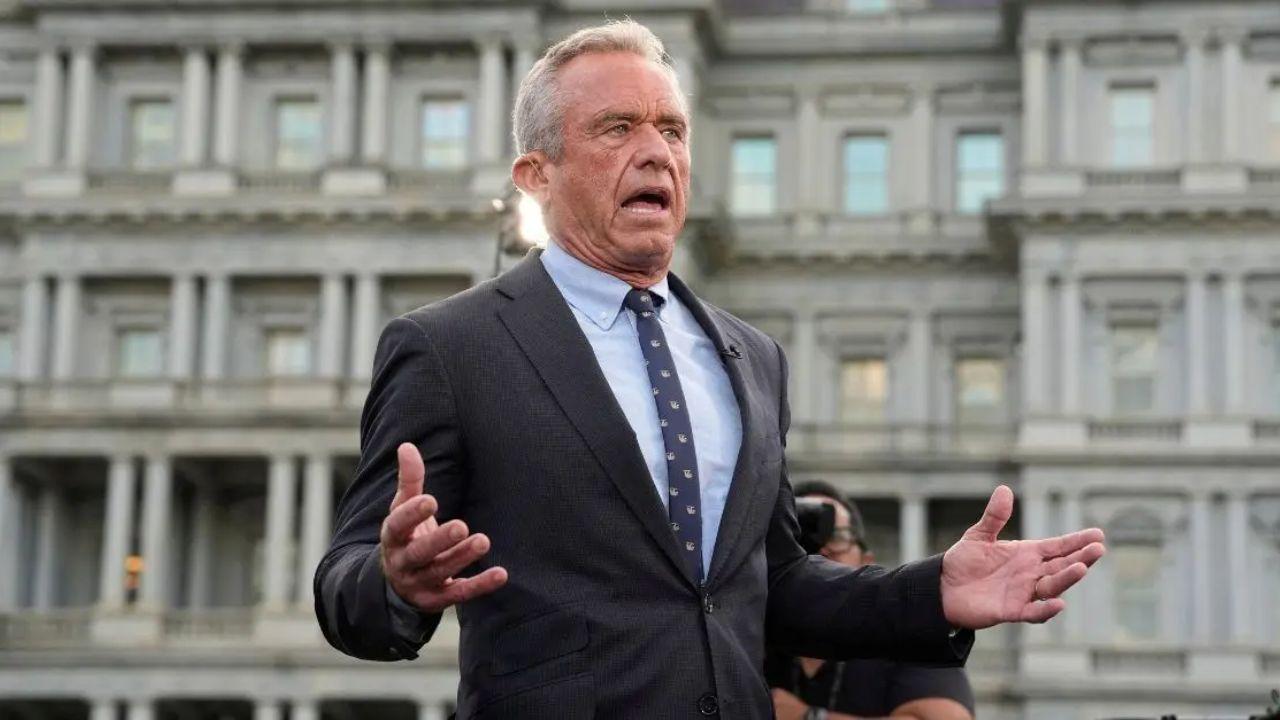
The crisis within the WTCHP has not gone unnoticed in Washington, D.C., and Albany, drawing sharp criticism from across the political spectrum. Republican Representative Nicole Malliotakis, representing parts of New York City, joined by other GOP colleagues from the New York metropolitan area, has actively sought meetings with high-ranking officials at HHS and the CDC. Their objective has been to address the program’s mounting operational challenges and advocate for its stabilization.
On the Democratic side, Senators Chuck Schumer and Kirsten Gillibrand of New New York have also exerted significant pressure on Secretary Kennedy, urging him to reverse the earlier staffing cuts and restore the program’s full operational capacity. Senator Schumer vehemently dismissed any suggestion that the program’s funding constituted "government waste," labeling such notions as "outrageous and insulting" to the 9/11 community. New York Governor Kathy Hochul has likewise weighed in, adding her voice to the chorus demanding that the administration prioritize the restoration of adequate staffing levels for the vital health program. The bipartisan nature of this outcry highlights the broad consensus on the importance of the WTCHP and the urgency of addressing its current deficiencies.
Kennedy’s Defense and Administration’s Response
In response to the escalating criticism, Secretary Kennedy has publicly stated his commitment to resolving the issues plaguing the World Trade Center Health Program. Following a wave of complaints from lawmakers and advocates earlier in the year, Kennedy asserted that he is actively "fixing" the problems affecting the program. The administration, in an effort to demonstrate responsiveness, has pointed to several steps taken, including the reinstatement of some previously terminated workers.
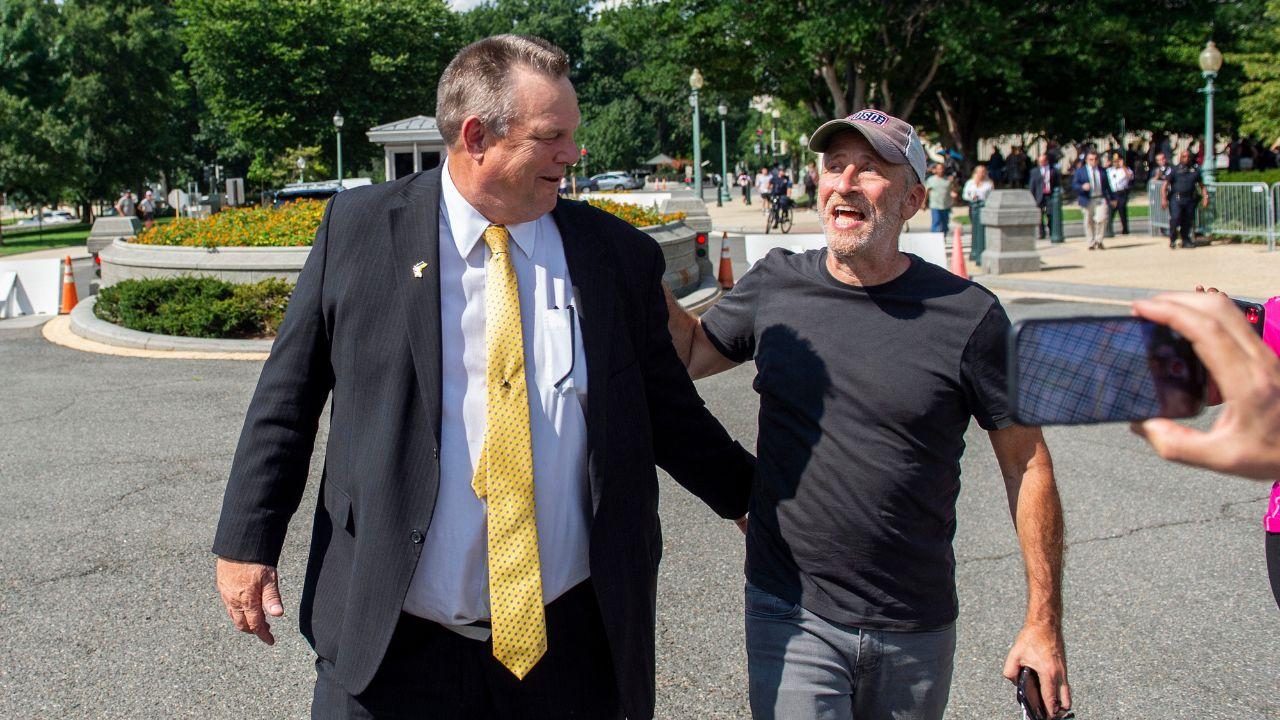
However, advocates like John Feal and many lawmakers argue that these actions represent only a partial solution to a much larger, systemic problem. They contend that the reinstatements do not fully compensate for the initial severe cuts and that the program continues to operate under significant duress. The long-term financial stability of the WTCHP remains a critical concern, with current projections indicating a potential multibillion-dollar shortfall in the coming years. This looming fiscal challenge necessitates ongoing congressional engagement and a robust commitment to secure additional funding, ensuring the program’s ability to provide care for decades to come.
The Lingering Financial Precariousness of the WTCHP
Beyond the immediate staffing disputes, the financial outlook for the World Trade Center Health Program presents a formidable long-term challenge. Experts and advocates project a significant multibillion-dollar shortfall in funding over the next several years, threatening the program’s ability to maintain its comprehensive services. This fiscal gap arises from the enduring nature of 9/11-related illnesses, which often manifest years after exposure and require continuous, specialized medical intervention.
The original legislation establishing the WTCHP envisioned a long-term commitment, recognizing that the health consequences of 9/11 would persist for the lifetimes of those affected. As such, the program relies heavily on ongoing appropriations from Congress. The current financial projections underscore the urgent need for legislative action to secure additional, sustained funding. Without such measures, the program faces the very real risk of being unable to meet the healthcare demands of its growing population of sickened responders and survivors, potentially forcing difficult decisions about the scope and availability of critical medical services.
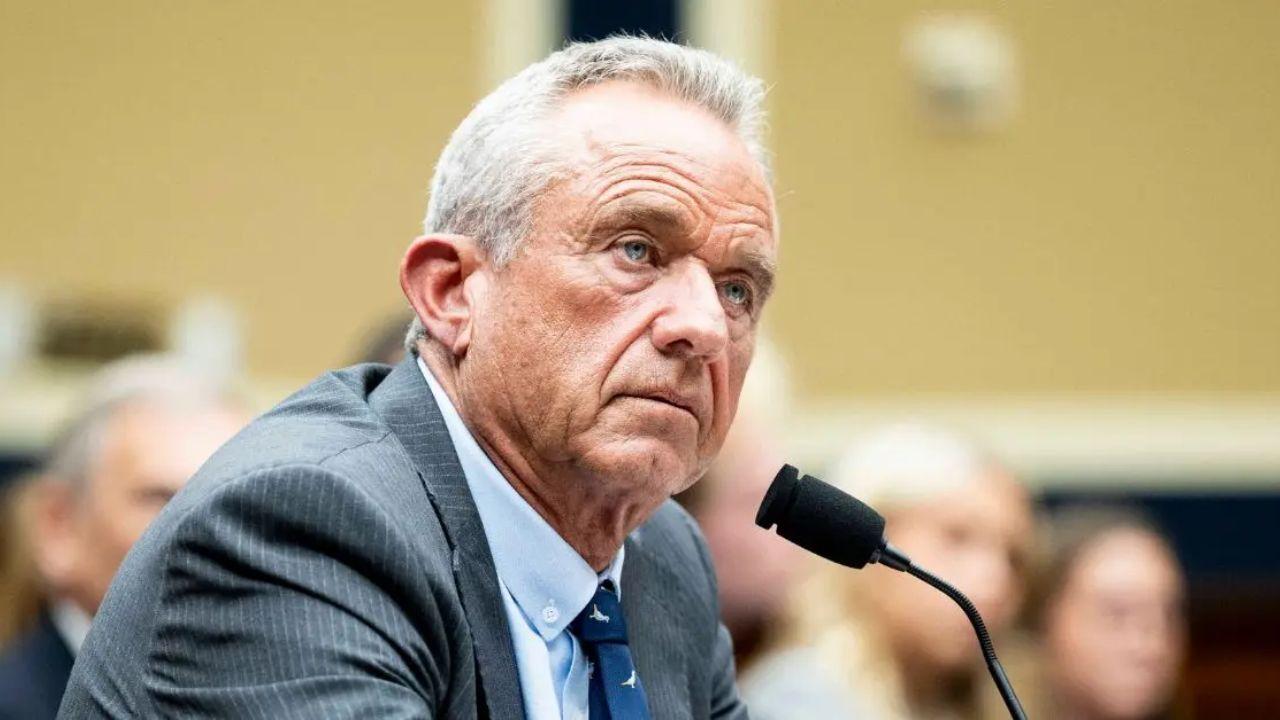
The Enduring Legacy of 9/11 and the Fight for Care
As the nation approaches the quarter-century mark since the horrific events of September 11, 2001, the dispute over the care of its first responders has taken on heightened significance. The 25th anniversary serves as a poignant reminder of the sacrifices made and the promises pledged to those who bravely faced unimaginable dangers. The 9/11 community, through its unwavering advocacy, continues to underscore the mantra, "We will #NeverForget," vowing to hold leaders accountable for the commitments made in the wake of the tragedy.
The current tensions surrounding Secretary Kennedy’s administration and the World Trade Center Health Program highlight a persistent struggle: ensuring that the initial outpouring of national gratitude translates into sustained, comprehensive healthcare for those whose health was irrevocably damaged. The ongoing fight for adequate staffing, secure funding, and uninterrupted care for 9/11 first responders is not merely a bureaucratic skirmish; it is a profound test of the nation’s collective memory and its enduring commitment to its heroes. The outcome of these challenges will determine whether the legacy of "Never Forget" remains a living principle or becomes an empty slogan.