Vice President J.D. Vance recently faced intense questioning regarding President Donald Trump’s audacious proposal to distribute $5,000 to every American, a pledge conditioned on Republican electoral success in the upcoming November midterm elections. The promise, unveiled during a high-profile political convention dubbed "Trump-a-palooza," immediately sparked widespread controversy, prompting concerns about its financial feasibility, legal implications, and ethical standing as a potential inducement for votes.

The Genesis of a Controversial Pledge
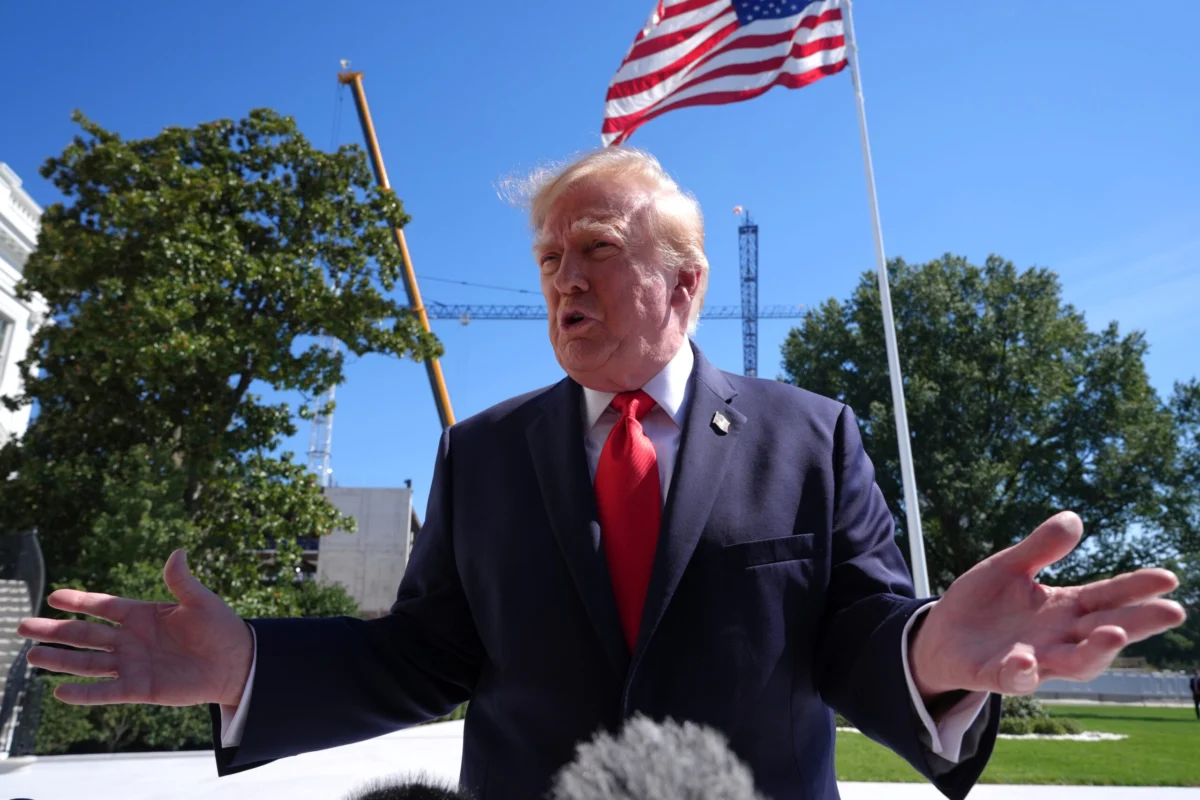
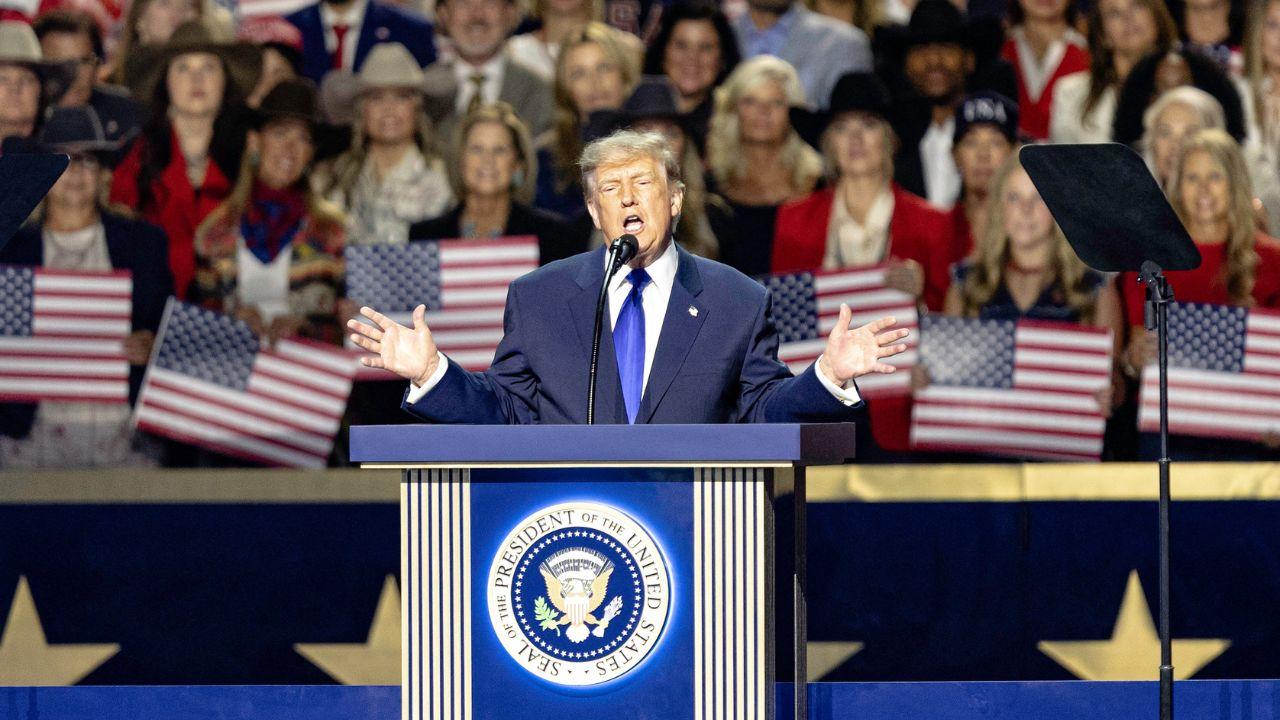
President Trump first announced the staggering $5,000 "dividend" during his keynote address on the opening night of "Trump-a-palooza," a strategic midterm convention designed to energize the Republican base and boost the party’s chances of securing majorities in both the House of Representatives and the Senate. The timing of the announcement, just weeks before critical elections, amplified its political weight, framing it as a direct incentive for voters to support Republican candidates. This promise, if implemented, would represent a colossal financial undertaking, estimated to cost the United States Treasury approximately $1.3 trillion. The sheer scale of the proposal, coupled with its direct link to electoral outcomes, swiftly drew the ire of critics across the political spectrum, who labeled it everything from fiscally irresponsible to a blatant attempt to buy votes.
Bret Baier Confronts Vance on Fox News
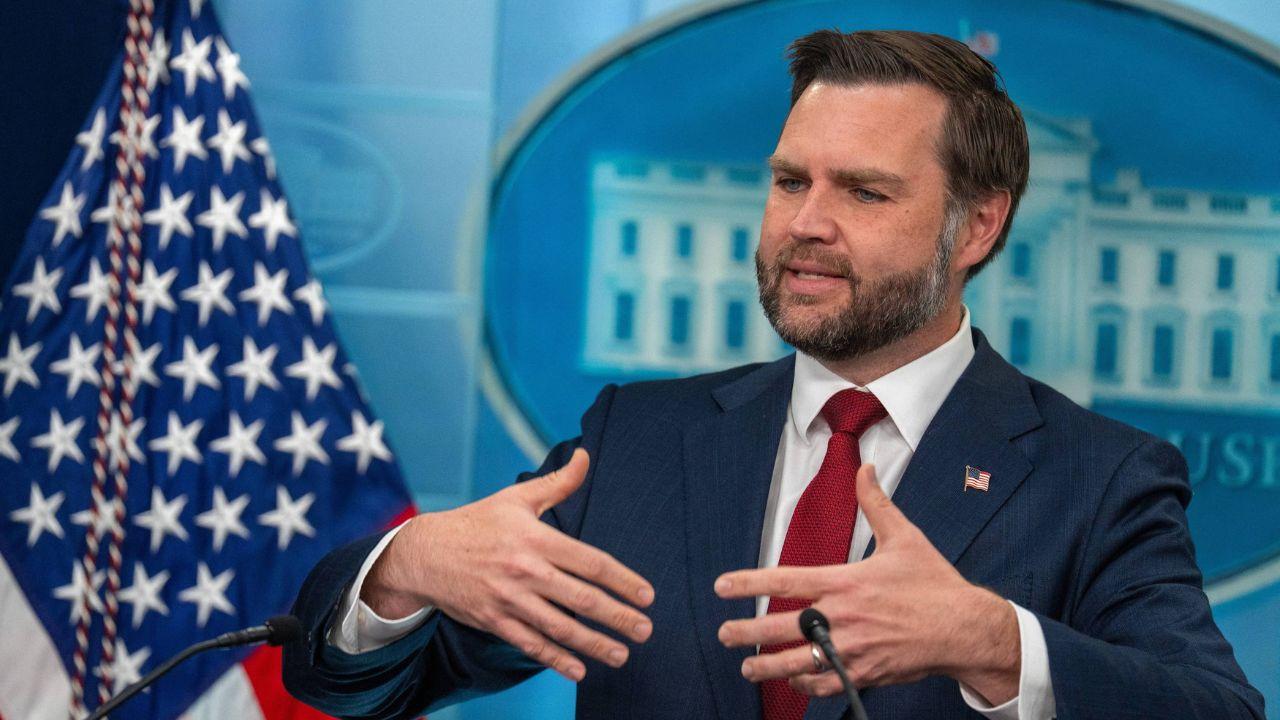
The task of defending this monumental pledge fell to Vice President J.D. Vance. During an appearance on Fox News, anchor Bret Baier put the 42-year-old Vice President squarely on the defensive, challenging him to address the storm of criticisms swirling around the proposal. Baier did not mince words, articulating the prevailing concerns: "I can hear the critics’ heads exploding," he stated, "They’re saying out loud, I guarantee you, ‘the president is bribing voters to vote for Republicans to take over the House, and then he’s bankrupting the country because the deficit and debt is huge and inflation would come back if this comes into play.’" The pointed questioning underscored the gravity of the accusations, particularly the insinuation of illegal vote solicitation, a serious charge under U.S. campaign finance law.

Legal and Ethical Dimensions of the ‘Dividend’ Promise
The core of the controversy centers on the legality and ethics of offering a direct financial payment contingent on electoral results. Critics quickly pointed to federal statutes, specifically 18 U.S. Code § 597, which prohibits expenditures to "bribe or induce" voters to cast their ballot for or against any candidate. While political campaigns routinely make promises of future economic benefits, a direct cash payment explicitly tied to retaining partisan control of Congress raises unique and thorny legal questions. Legal scholars and political ethics experts have debated whether such a promise crosses the line from legitimate policy proposal to an illicit inducement, given its direct monetary nature and conditionality. The argument is that while voters might support a candidate based on promised tax cuts or social programs, a direct cash payment for political allegiance could be construed as an attempt to circumvent the democratic process by purchasing electoral outcomes.
Vance’s Defense: Tariffs and American Workers
In response to Baier’s probing questions, Vice President Vance attempted to frame the $5,000 payment as a "dividend for American workers," asserting that it would be funded by "an extraordinary amount of revenue" generated from President Trump’s tariff policies. Vance argued, "We’re taking in an extraordinary amount of revenue because the president of the United States is actually standing up to both foreign companies, but also foreign countries who’ve been taking advantage of America’s workers for pretty much my entire life." He elaborated that the proposal was about allowing the American people to "share in some of the benefit of this incredible wealth that we’re creating in the United States of America" by continuing the administration’s policies. He concluded by stating, "I don’t think that’s a controversial idea."
However, this defense immediately drew skepticism from economists and policy analysts. The assertion that tariffs generate "extra revenue" without significant economic downsides is highly contentious. While tariffs do collect revenue at the border, economic consensus suggests that these costs are largely borne by domestic consumers in the form of higher prices for imported goods, and by American businesses through increased input costs. Indeed, during the Trump administration, prices on various imported goods did rise due to tariffs and geopolitical tensions, such as the "war in Iran" (likely referring to broader Middle East tensions impacting global trade). Furthermore, the notion that tariffs generate enough net "wealth" to fund a $1.3 trillion payout, without exacerbating the already substantial national debt, faces considerable scrutiny. The U.S. national debt currently stands at an unprecedented $40 trillion, making the prospect of adding another $1.3 trillion through direct payments a significant fiscal concern.
Broader Economic and Political Implications
Beyond the immediate legal and financial questions, Trump’s $5,000 ‘dividend’ promise carries significant broader implications. Economists warn that injecting such a massive sum directly into the economy could fuel inflationary pressures, particularly if not offset by substantial budget cuts or genuinely new, sustainable revenue streams. The promise also risks distorting the economic debate, shifting focus from long-term fiscal stability to short-term, direct payouts.
Politically, the promise creates a difficult dynamic for Republican candidates running in tight midterm races. While a direct cash payment could be appealing to some voters, many candidates will struggle to explain the financial mechanics of the plan, especially given the lack of detailed proposals from the White House on how it would be paid for. This "lack of a unifying message," as noted by Trevor Francis, a former RNC communications director, could undermine the credibility of the promise. Francis further articulated that "Voters won’t take this promise seriously unless it is amplified by Republican candidates and officeholders who are actually on the ballot and whose votes would be needed to make it a reality." The dilemma for these candidates is whether to embrace a potentially popular, but fiscally dubious, pledge, or to distance themselves from it and risk alienating the President’s base.
A Pattern of Unfulfilled Promises
Adding to the skepticism is President Trump’s track record of similar unfulfilled promises. Fox News itself highlighted this during its convention coverage. As Fox correspondent Jacqui Heinrich pointed out, "We should note, though, it is not the first time he has promised a cash payment like this. He promised Americans $2,000 rebates during his tariff policy, when that was enacted, but after court challenges to the tariffs themselves, those $2,000 checks, so far, have not materialized." This historical precedent casts a long shadow over the current $5,000 pledge, leading many to question its sincerity and feasibility. The pattern suggests a strategic use of direct financial incentives as a campaign tool, irrespective of the practical challenges or actual outcomes.
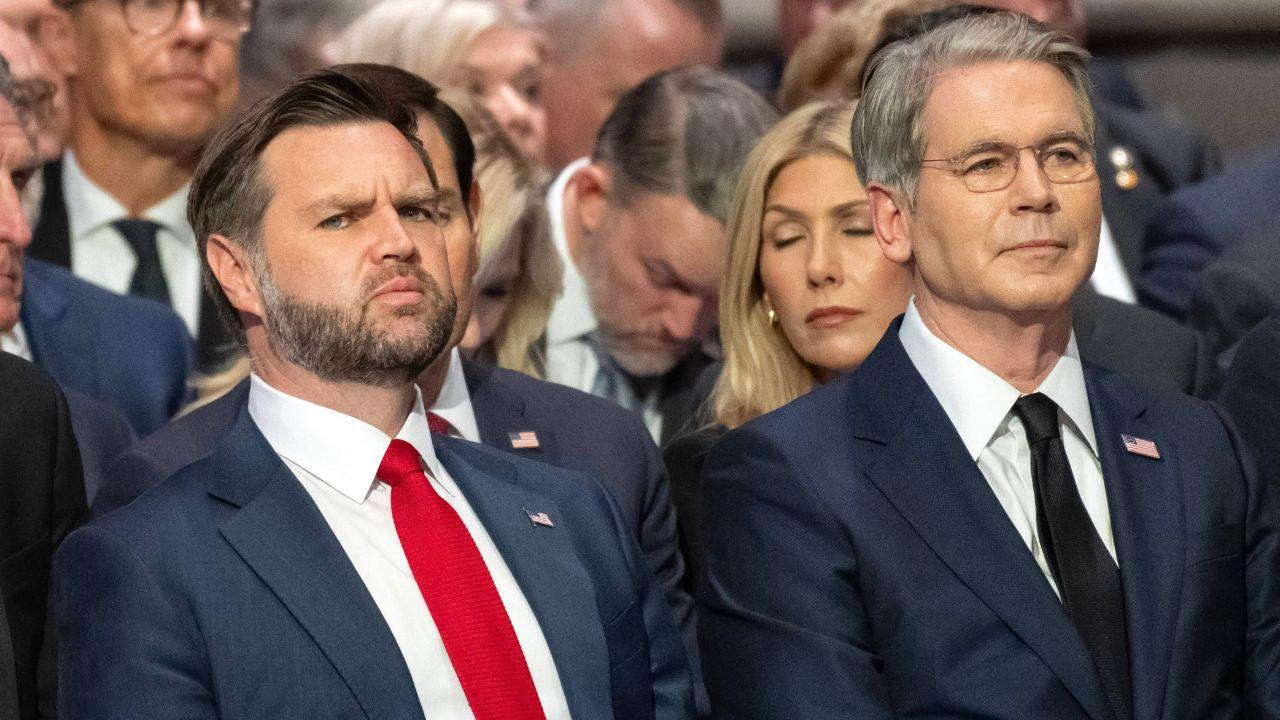
The "Trump-a-palooza" announcement, and the subsequent grilling of Vice President Vance, underscore the high-stakes nature of the upcoming midterm elections. The $5,000 ‘dividend’ promise has injected a volatile and unprecedented element into the political discourse, forcing a national conversation about economic policy, campaign ethics, and the role of government in direct wealth distribution. As the election cycle progresses, the debate surrounding this controversial pledge is likely to intensify, shaping voter perceptions and influencing the strategies of both Republican and Democratic campaigns.