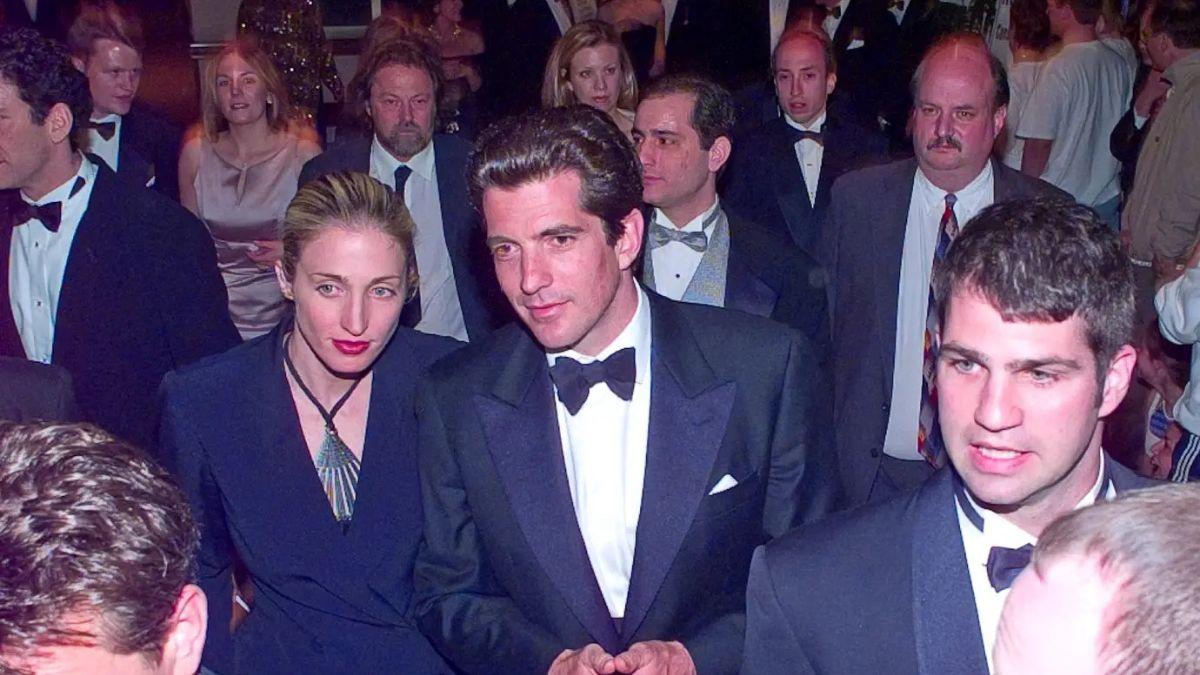
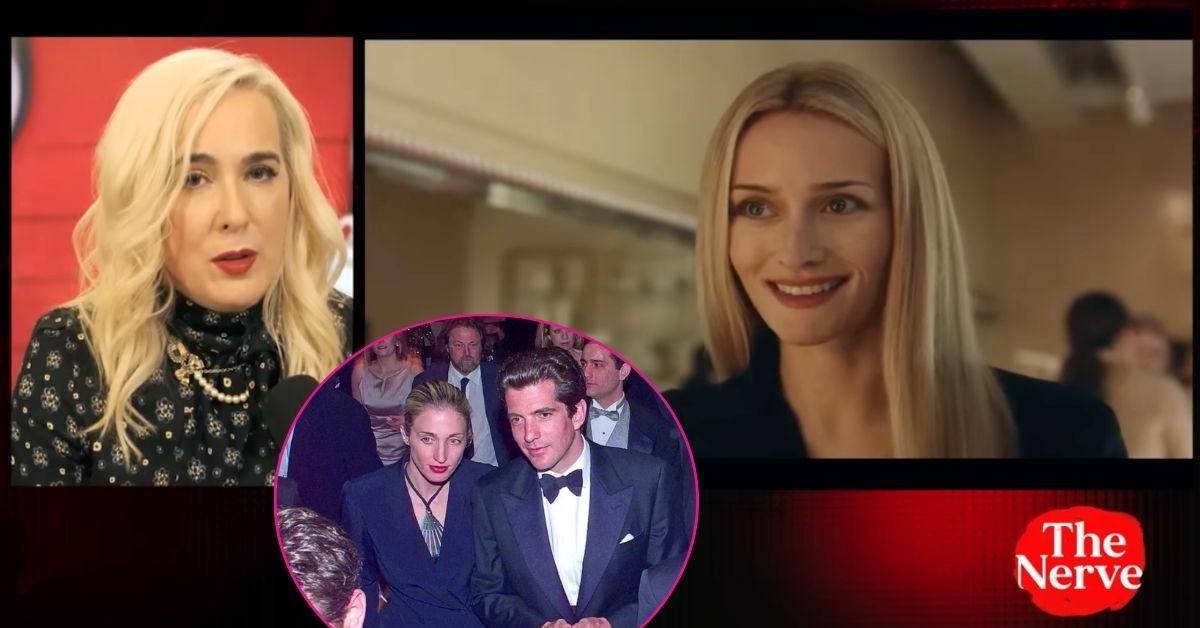
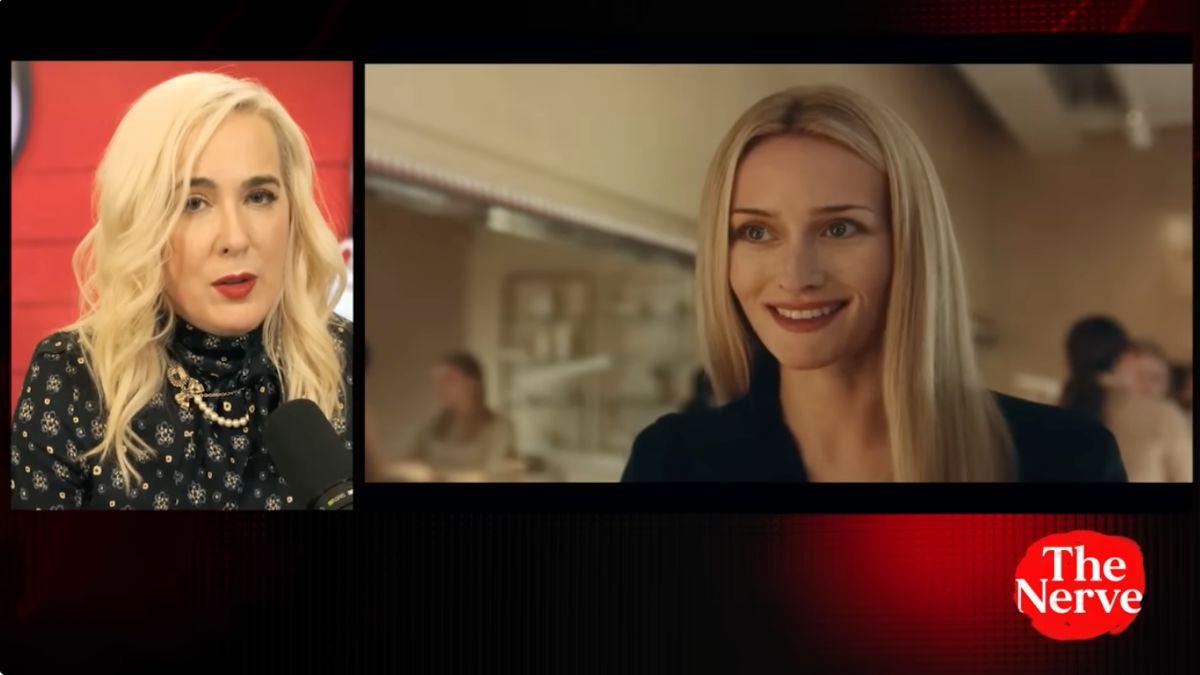
Biographer Maureen Callahan has vehemently criticized Ryan Murphy’s new miniseries, Love Story, asserting that its depiction of the romance between John F. Kennedy Jr. and Carolyn Bessette is a "completely fake fantasy." Callahan, a prominent author specializing in the Kennedy family, expressed her profound dissatisfaction with the FX series, which focuses on the high-profile couple whose lives tragically ended in a 1999 plane crash. Her remarks, made on her program "The Nerve With Maureen Callahan," underscore a growing debate regarding historical accuracy and dramatic license in contemporary media portrayals of iconic figures.
The miniseries, which premiered on February 12, has quickly drawn fire from those intimately familiar with the lives of JFK Jr. and Bessette. Callahan, author of Ask Not: The Kennedys and the Women They Destroyed, specifically lambasted the show’s narrative choices, particularly its handling of the circumstances surrounding the fatal aviation accident. Her strong condemnation highlights a broader concern among historians and biographers about the potential for dramatized accounts to distort public understanding of significant historical events and personalities.
Biographer Condemns Misogynistic Narrative in ‘Love Story’
Callahan’s primary point of contention revolves around the miniseries’ opening scene, which she describes as deeply problematic and "misogynistic." The scene reportedly features Bessette telling her manicurist that she "needed" a different nail color than the red she had chosen, stating, "This isn’t going to work for where I’m going… Let’s go with something safe." Callahan asserted that this scenario "gives credence to a very specious claim by Ed Klein," a controversial biographer.
According to Callahan, Klein’s unsubstantiated claim, which she believes originated from a source within the Kennedy family, suggested that Bessette was delayed in arriving at the tarmac on the night of the fatal flight because she repeatedly made her pedicurist redo her nails. Callahan dismissed this as a baseless rumor designed to shift blame. She argued that the miniseries’ inclusion of such a scene perpetuates a harmful and inaccurate narrative about Carolyn Bessette.
Debunking the Bessette Nail Salon Claim
Maureen Callahan did not mince words in her critique of the show’s suggestion that Bessette’s vanity played a role in the tragic plane crash. "The implication is John would never have crashed his plane if his shallow, superficial, vain, glorious wife hadn’t been getting a pedicure and just making the pedicurist redo and redo and redo," she stated emphatically. Callahan categorized this narrative as "misogynistic" and "straight out of the Kennedy male playbook," a historical pattern she detailed in her own work, where women associated with the family are often unfairly blamed or disparaged.
She firmly declared, "The only person whose fault that was was John F. Kennedy Jr. — beginning of story, end of story." Callahan underscored her assertion by referencing official crash reports, which attribute the accident primarily to pilot error and the challenging conditions of a night flight over water. She also noted that she had never encountered any credible reporting about Bessette’s alleged nail appointment causing a delay, further undermining the miniseries’ dramatic choice.
Disputed Origins of JFK Jr. and Carolyn Bessette’s Relationship
Beyond the crash narrative, Callahan also challenged the miniseries’ portrayal of how John F. Kennedy Jr. and Carolyn Bessette initially met. The show reportedly depicts Bessette pleading with a Calvin Klein coworker for a ticket to a fundraiser where JFK Jr. was to be honored, implying this was their first significant encounter. However, Callahan claims this is historically inaccurate.
According to the biographer, Bessette and the attorney had already "dated" at that point, but JFK Jr. had "ghosted her brutally — brutally." This revisionist account of their early interactions further fuels Callahan’s contention that Love Story presents a fabricated version of their complex relationship, rather than an accurate historical drama. Such discrepancies, she argues, contribute to the "fake fantasy" that the series projects.

The Enduring Legacy of John F. Kennedy Jr. and Carolyn Bessette
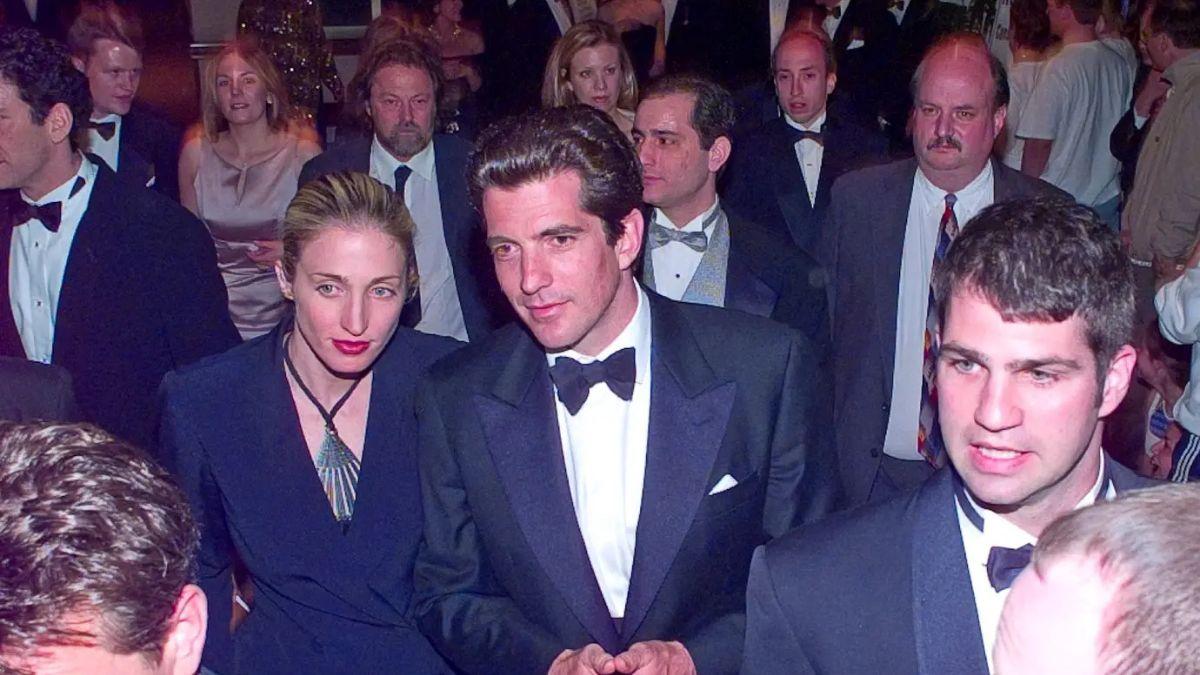
John F. Kennedy Jr. and Carolyn Bessette were, for many, the epitome of American glamour and sophistication in the 1990s. JFK Jr., the son of President John F. Kennedy and Jacqueline Kennedy Onassis, carried an immense public burden and fascination from birth. His marriage to Bessette, a stylish publicist, in 1996 captivated the world, cementing their status as a modern-day royal couple in the American imagination. Their lives, however, were intensely scrutinized, and Bessette often struggled with the relentless media attention.
Their sudden deaths on July 16, 1999, when the single-engine plane piloted by JFK Jr. crashed into the Atlantic Ocean off Martha’s Vineyard, sent shockwaves globally. The crash also claimed the life of Bessette’s sister, Lauren Bessette. The tragedy cemented their image as a star-crossed couple, adding another layer to the enduring mystique and sorrow surrounding the Kennedy family. This historical backdrop makes any dramatic portrayal of their lives particularly sensitive and subject to intense scrutiny, especially concerning their relationship and the events leading to their demise.
Broader Implications of Historical Dramatization
The controversy surrounding Love Story underscores the ongoing tension between creative freedom and historical responsibility in biographical dramas. Ryan Murphy is known for his distinctive stylistic approach to real-life events, often blending factual elements with dramatic interpretation in series like American Crime Story and Feud. However, when dealing with figures as iconic and sensitive as John F. Kennedy Jr. and Carolyn Bessette, the boundaries of artistic license become a focal point of debate.
Historians and biographers often argue that such dramatizations, when deviating significantly from established facts or perpetuating debunked myths, risk misinforming the public and unfairly shaping the legacies of historical figures. For a family like the Kennedys, whose lives have been extensively documented and debated, every new portrayal is evaluated against a vast body of existing work, making accuracy a crucial consideration.
Kennedy Nephew Jack Schlossberg Also Slams Murphy’s ‘Love Story’
Maureen Callahan is not alone in her criticism of Love Story. John F. Kennedy Jr.’s nephew, Jack Schlossberg, has also publicly condemned Ryan Murphy and the series. Schlossberg, the son of Caroline Kennedy, ridiculed Murphy for what he perceived as "profiting off of" the late couple’s deaths "in a grotesque way." He further highlighted that the Kennedy family was never consulted about the project, raising questions about the ethics of producing a biographical drama without the input or consent of the subjects’ living relatives.
Murphy, in turn, responded to Schlossberg’s backlash on the "This Is Gavin Newsom" podcast. He defended his production, noting that dozens of films and shows have been made about the Kennedys over the decades without direct authorization or consultation from the family. Murphy also dismissed Schlossberg’s comments somewhat, stating, "I thought it was an odd choice to be mad about your relative that you really don’t remember." This exchange between Murphy and the Kennedy family member further illustrates the deep divisions and sensitivities surrounding the dramatization of such a prominent and tragic story.
The Ongoing Debate Over Portraying JFK Jr. and Carolyn Bessette’s Legacy
The contrasting views from Maureen Callahan, Jack Schlossberg, and Ryan Murphy highlight the complex challenges inherent in bringing historical narratives to the screen. For Callahan, the series represents a "fake fantasy" that not only distorts the historical record but also perpetuates harmful, misogynistic tropes. For Schlossberg, it’s an exploitative venture that disrespects his family’s grief and privacy. Murphy, on the other hand, frames his work within a broader tradition of historical interpretation in media, asserting his creative autonomy.
This controversy surrounding the portrayal of John F. Kennedy Jr. and Carolyn Bessette’s romance serves as a poignant reminder of the power of storytelling and the responsibility that comes with it. As audiences continue to engage with historical dramas, the debate over accuracy, ethical considerations, and the impact on public memory will undoubtedly persist, shaping how iconic figures and their legacies are understood for generations to come. The miniseries will continue to be a focal point for discussions on how the past is reimagined and presented in popular culture.