A significant development has emerged in the search for Nancy Guthrie, the 84-year-old mother of "Today" show co-anchor Savannah Guthrie, as newly released doorbell camera footage is being hailed by a retired law enforcement official as a "huge break in the case" that could prove pivotal in locating her. The disappearance of Nancy Guthrie from her Tucson, Arizona, home has captivated national attention, with authorities now poring over detailed images and video that may hold the key to the mystery.
The Disappearance of Nancy Guthrie
Nancy Guthrie was first reported missing on February 1, when friends became concerned after she failed to appear in her regular Sunday church livestream. Her absence immediately raised alarms, leading to an urgent welfare check at her Tucson residence. Upon arrival, responding officers from the Pima County Sheriff’s Department discovered "concerning evidence" at the scene, prompting them to declare her home a crime scene and initiate a full-scale investigation into what they suspected was a forced disappearance.

The initial findings quickly led investigators to consider the possibility of an abduction. At 84 years old, Nancy Guthrie, while reportedly having "no cognitive issues," did contend with "limited mobility," making her particularly vulnerable. This factor underscored the gravity of the situation and heightened concerns for her safety. The Pima County Sheriff’s Department swiftly escalated the case, bringing in federal assistance, including the FBI, to aid in the extensive search efforts.
New Footage Offers Critical Leads
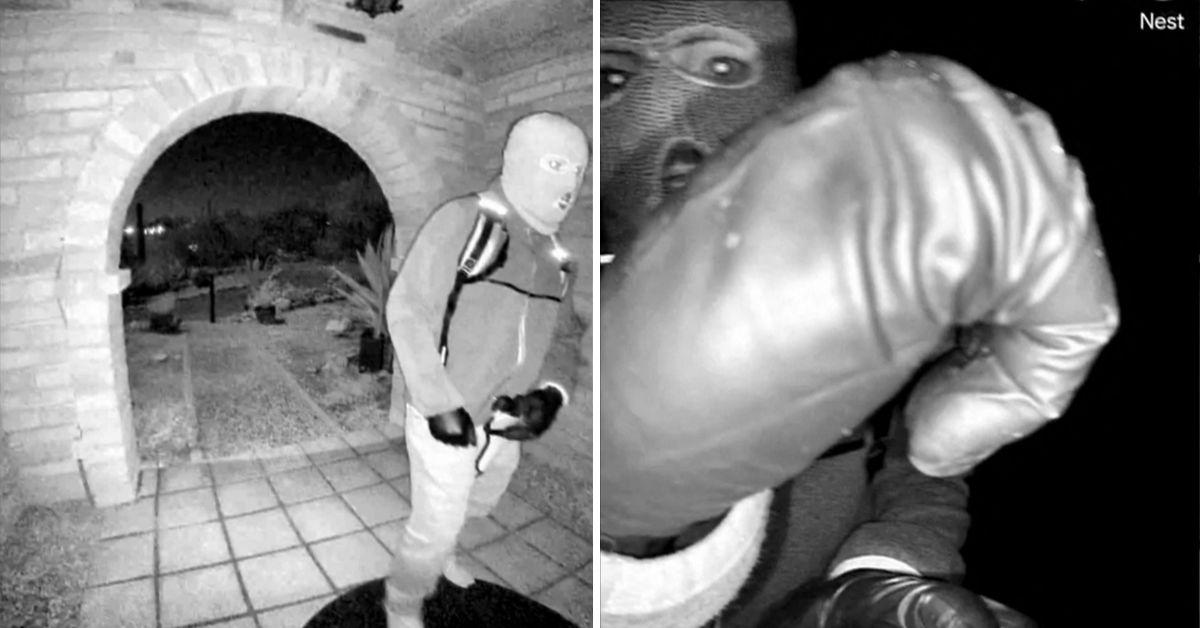
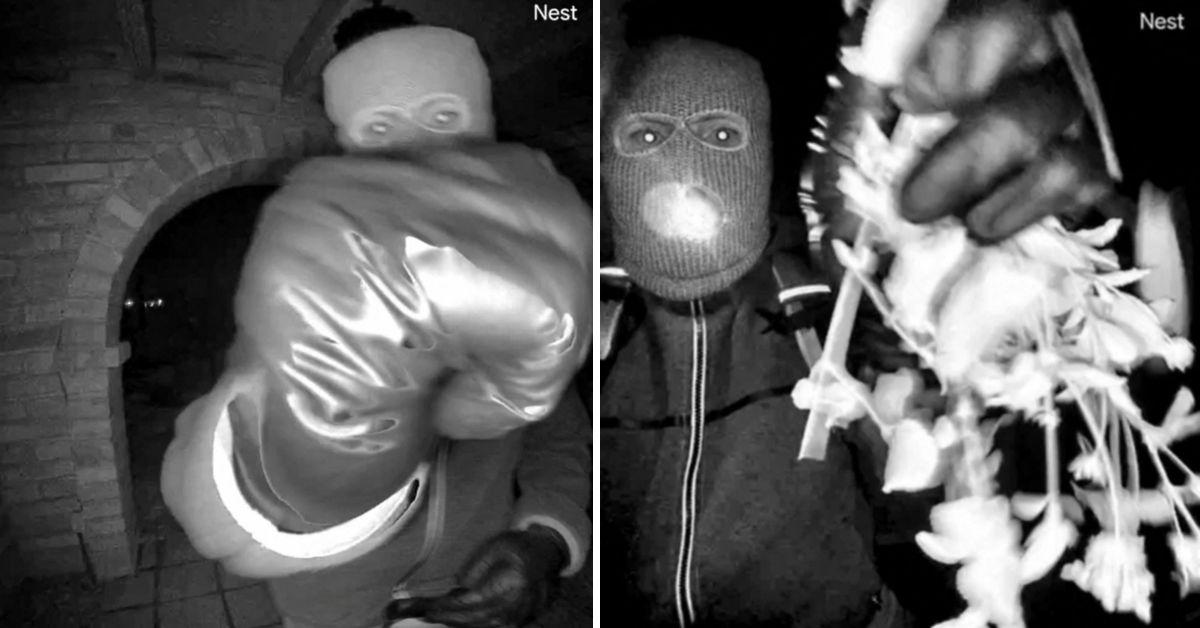
The investigative landscape shifted dramatically with the recent release of a series of black-and-white photographs and three short video clips captured by Nancy Guthrie’s Nest doorbell camera. These digital fragments, made public by the FBI, depict a potential suspect approaching the residence on the night Nancy Guthrie vanished. The individual’s appearance, obscured yet distinctive, immediately drew the attention of law enforcement and experts alike.
Retired Phoenix police sergeant Troy Hillman, a seasoned veteran of countless investigations, articulated the profound importance of this new evidence. "Overall, it’s a huge break in the case," Hillman stated, emphasizing that the footage, despite its brevity, is rich with investigative potential. Hillman, who resides approximately two hours from Tucson, offered his professional assessment, highlighting the multitude of "clues just baked in these, what seems to be a short amount of video."
Expert Analysis of the Suspect’s Image
Hillman meticulously detailed the potential information investigators could extract from the doorbell camera footage. The individual in the clips appears to be wearing a mask, black gloves, and a backpack, accessories that, while intended to conceal, paradoxically provide crucial identifying markers. According to Hillman, these seemingly minor details could yield significant breakthroughs.
"They can kind of get biometrics on the facial features," Hillman explained, even with the presence of a mask, specialized forensic techniques can often glean structural information about a person’s face. Beyond facial recognition, Hillman pointed to the suspect’s attire and equipment. "There’s just a ton of information, the backpack, the way he wore his gun, what type of holster it is, what type of gun it was. The type of gloves he had on." Each of these elements represents a distinct data point that could be cross-referenced with known individuals or databases, narrowing the field of potential suspects. The specific model of a backpack, the brand of a holster, or the unique wear patterns on gloves can all serve as forensic signatures.
Additional Forensic Evidence Discovered

Further bolstering the investigative efforts, authorities also revealed the discovery of a black glove near Nancy Guthrie’s Tucson property. This item is believed to be insulated and bears a striking resemblance to the gloves worn by the suspected individual captured on the doorbell camera. The glove has been meticulously collected and submitted for comprehensive forensic testing, a critical step that could yield DNA, fingerprint, or trace evidence linking it directly to the suspect or the crime scene.
Forensic analysis of such an item can be incredibly intricate and time-consuming. Scientists will examine the glove for skin cells, hair, fibers, soil, and other microscopic particles that might have been transferred during its use or placement. The results of these tests could provide irrefutable links, confirming the presence of an individual at the scene and potentially offering a definitive identification. This type of physical evidence often complements digital evidence, creating a more robust case for prosecutors should an arrest be made.
The Public’s Role in the Investigation
Law enforcement officials, recognizing the immense value of community involvement, are actively appealing to the public for assistance. Hillman underscored this strategy, noting that investigators are "counting on the public to help connect the dots." The release of the doorbell camera footage serves as a direct plea to individuals who might recognize the suspect’s gait, attire, or any other distinguishing characteristic.

The response from the community has been overwhelming. Since February 1, the Pima County Sheriff’s Department’s dedicated tip line has received an astounding nearly 18,000 calls. The volume of public engagement reached a peak in the days immediately following the footage release, with an additional 4,000 calls pouring in within a 24-hour period ending on Wednesday, February 11. This deluge of information, while requiring extensive processing, demonstrates the public’s desire to aid in the search for Nancy Guthrie.
Hillman, author of Chasing Down the Zombie Hunter, articulated the investigative value of this community input. "You can kind of assess all those things [in the footage] and then begin to kind of put those out and then you’re gonna get input from the community," he explained. "Someone’s gonna say, ‘Oh, I know that guy’ or ‘Joe wears that particular jacket, and he fits the make and description of that particular person.’ So, it’s just a huge, huge break." This collaborative approach, where detailed police work meets public observation, is often crucial in complex missing persons cases.
A Detained Individual and Ongoing Scrutiny
In a development that briefly offered a glimmer of hope, authorities detained a man identifying himself as "Carlos" during a traffic stop south of Tucson on Tuesday, February 10, mere hours after the doorbell camera images were released. The detention quickly garnered significant media attention, with reporters capturing a video of the individual’s interaction with law enforcement.
However, the excitement surrounding this detention was tempered when the man was subsequently released. Speaking to reporters in a video posted on X by CBS reporter Andres Gutierrez, the man asserted his innocence, stating, "I didn’t do anything… I’m innocent." Law enforcement officials have not released further details regarding why he was initially detained or the reasons for his release, emphasizing the ongoing and sensitive nature of the investigation. His release underscores the complexities of such cases and the careful process required to distinguish between persons of interest and actual suspects.
Broader Implications and the Path Forward
The disappearance of Nancy Guthrie, amplified by her daughter Savannah Guthrie’s national prominence, has brought significant public and media scrutiny to the Pima County Sheriff’s Department and the FBI’s efforts. The case highlights the critical role of home surveillance technology in modern criminal investigations, transforming ordinary residences into potential sources of vital evidence. While these systems offer invaluable clues, they also raise questions about privacy and the pervasive nature of digital monitoring.
The case also serves as a stark reminder of the challenges faced by law enforcement in missing persons cases, particularly when an abduction is suspected and vulnerable individuals are involved. Despite the "huge break" provided by the new footage, Sergeant Hillman was careful to temper expectations, clarifying, "It doesn’t mean it’s solved. It doesn’t mean Nancy’s home safe, but it means it’s a break in the case." This distinction is crucial; a lead, no matter how promising, is just one step in a long and arduous investigative process.
The investigation into Nancy Guthrie’s disappearance remains active and ongoing. Authorities continue to process the thousands of tips received, analyze the newly acquired forensic evidence from the glove, and meticulously examine every detail within the doorbell camera footage. The community’s vigilance and continued cooperation are paramount as investigators work tirelessly to piece together the events of February 1 and bring Nancy Guthrie home. The focus remains on leveraging every available resource, from advanced forensic techniques to public tips, to solve this perplexing case.