Tanzyn Crawford, a prominent actress in HBO’s critically acclaimed series A Knight of the Seven Kingdoms, has publicly addressed the racial backlash she experienced regarding her casting. Despite the overwhelming positive reception for the Game of Thrones prequel, a vocal segment of the online audience raised objections to Crawford’s portrayal of Tanselle, a traveling performer from Dorne, citing racial concerns. The actress confirmed receiving "negativity around race" but maintained a resolute stance, emphasizing her professional success and the personal endorsement of series creator George R.R. Martin.
The Genesis of a New Westeros Saga
A Knight of the Seven Kingdoms launched its debut season to nearly universal acclaim, quickly establishing itself as a worthy successor and expansion of the beloved Game of Thrones universe. The series, set approximately a century before the events of Game of Thrones, draws its narrative from George R.R. Martin’s "Tales of Dunk and Egg" novellas, chronicling the adventures of Ser Duncan the Tall (Dunk), a humble knight, and his young squire, Aegon Targaryen (Egg), who is secretly a prince. Portrayed by Peter Claffey and Dexter Sol Ansell respectively, the central characters have been praised for their chemistry and the refreshing tone they bring to the often grim world of Westeros. The show’s narrative centers on themes of chivalry, loyalty, and burgeoning destiny, offering a more intimate and character-driven exploration of the realm compared to its predecessors.
The "Non-Woke" Narrative and Its Contradictions
Amidst the widespread praise, a peculiar online narrative began to coalesce, particularly on social media platforms. Some viewers lauded A Knight of the Seven Kingdoms as "non-woke," positioning it in contrast to other recent fantasy and sci-fi productions that have faced criticism for their perceived emphasis on diversity or progressive themes. This "non-woke" label was largely predicated on the show’s central focus on two white male protagonists, Dunk and Egg, who are depicted in a decidedly heroic and positive light. This perspective suggested a desire among some fans for a return to what they considered more traditional storytelling, free from modern social commentary.
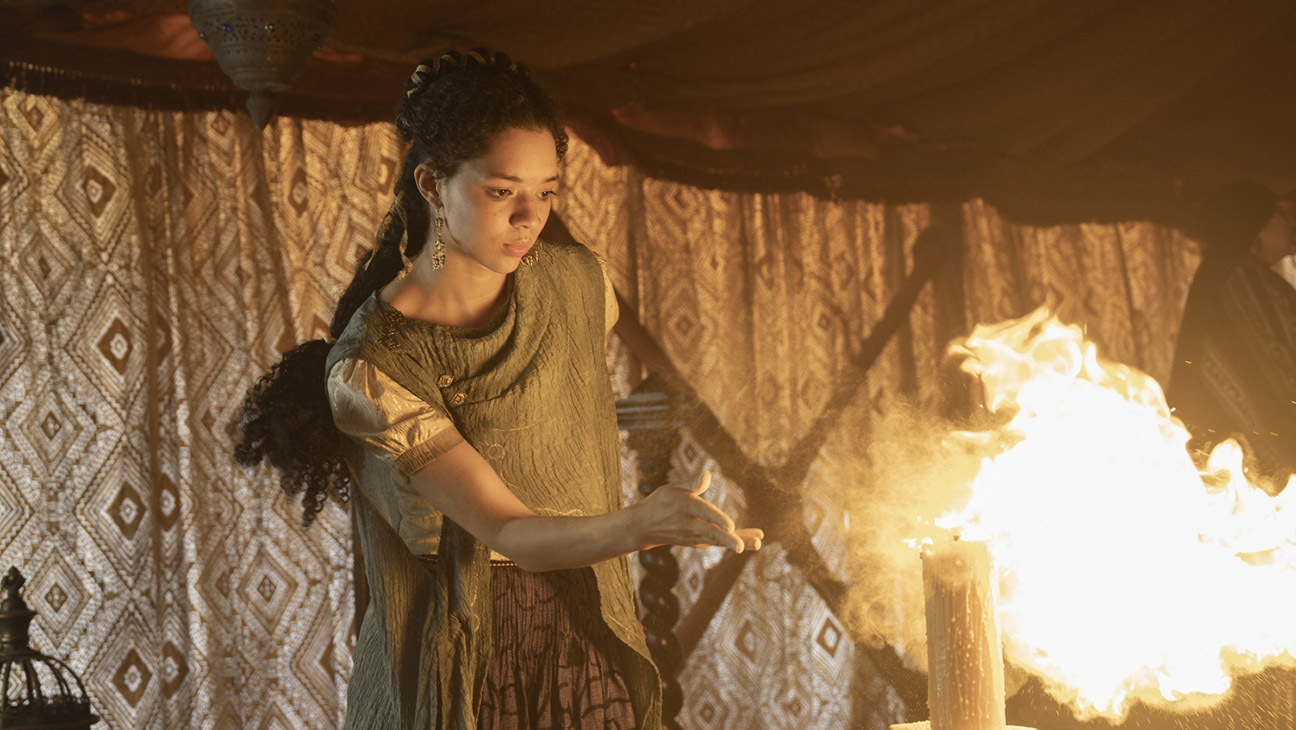
However, this narrative faced an immediate challenge with the casting of Tanzyn Crawford as Tanselle. Tanselle, a traveling performer hailing from Dorne, becomes a significant figure in Dunk’s journey, charming the young knight with her artistry and spirit. Crawford, an Australian actress of color, brought a vibrant presence to the role. Her casting, while embraced by many, became a point of contention for those who had championed the "non-woke" framing, leading to the online criticism.
The Actress Speaks Out
In an interview with Wonderland magazine, Tanzyn Crawford directly addressed the online sentiment, marking her first public commentary on the issue. She acknowledged the unique pressures of joining a globally beloved franchise with a passionate, opinionated fanbase. "It was intimidating to step into something that people are so connected to, love so much and have a lot of opinions about," Crawford stated, reflecting on the weight of fan expectations.
Despite the initial apprehension, Crawford revealed the personal nature of some of the criticism. "I definitely did get some negativity around race," she confirmed. Yet, her response was one of resilience and determination, underscoring her commitment to her craft and aspirations. "But at the end of the day, I’m employed — and I’m following my dreams." Her statement highlighted the personal cost of online harassment while affirming her professional legitimacy and artistic pursuit.
Crucially, Crawford also shared a powerful endorsement from George R.R. Martin himself. The acclaimed author personally assured her that she embodied his vision for the character. "[Martin told me] ‘you’re exactly what I pictured [for Tanselle],’" Crawford recounted. This direct affirmation from the creator provided significant validation, directly refuting any claims that her casting diverged from the source material’s original intent.
Crawford further elaborated on Martin’s perspective of Tanselle’s role within the broader narrative. "The beauty of Tanselle in this series is she’s a softer outlet. The rest of the show is very manly, quite harsh and brutal," she explained. "I think she’s self-confident and has her own little passions and worlds that are very separate from everyone else. Of course, her storyline involves Dunk, but she has her own thing going on." This description positions Tanselle as a nuanced and essential character, offering a contrast to the often brutal realities of Westeros and providing a unique emotional anchor for Dunk’s character development.
Understanding the Online Reaction
The racial backlash directed at Tanzyn Crawford is not an isolated incident but rather indicative of broader trends within certain fan communities, particularly those associated with long-established fantasy and sci-fi franchises. The "anti-woke" movement often manifests as resistance to perceived changes in character portrayals, casting choices, or narrative themes that diverge from traditional, often Eurocentric, interpretations of fictional worlds. In the context of A Knight of the Seven Kingdoms, some critics argued that a person of color did not align with their mental image of a character from Dorne, despite the lore of Westeros suggesting Dorne is a region with a diverse population, known for its distinct culture and often described with Mediterranean or Middle Eastern influences.
The Game of Thrones universe itself has previously navigated discussions around racial representation. While the original series featured a predominantly white cast in central roles, it also included diverse characters and cultures, particularly in regions like the Summer Isles and, indeed, Dorne. The prequel House of the Dragon notably featured the Velaryon family, traditionally depicted as white in the books, as Black seafarers, a decision that also sparked significant online debate but ultimately did not deter the show’s immense popularity. This historical context underscores a recurring tension between some fans’ deeply ingrained expectations and the creative decisions made by showrunners to reflect a more diverse world, or to simply cast the best actor for the role regardless of preconceived notions. The controversy surrounding Crawford’s casting highlights how these debates often focus on perceived fidelity to source material, even when the source material itself allows for varied interpretations.
Broader Implications for Fantasy and Representation
The incident involving A Knight of the Seven Kingdoms and Tanzyn Crawford’s casting speaks to the ongoing evolution of representation in genre fiction. As major franchises like Game of Thrones continue to expand, they face increasing scrutiny over how they portray diversity. For many viewers, seeing themselves reflected on screen is a powerful and validating experience. For others, particularly those who identify with the "anti-woke" sentiment, any departure from perceived traditional norms can be seen as an imposition or a betrayal of the original work.
The unwavering support from George R.R. Martin for Crawford’s casting sends a strong message to both the creative team and the audience. It reinforces the authority of the creator in defining their own vision and can serve as a shield for actors and producers against unfounded criticism. This kind of creator endorsement can be crucial in setting a precedent for inclusive casting practices across the industry, demonstrating that artistic merit and a modern sensibility can coexist with the integrity of beloved fictional worlds. The commercial success of A Knight of the Seven Kingdoms further suggests that, despite the vocal minority, broader audiences are receptive to diverse storytelling and casting choices.
The Undeniable Success of ‘A Knight of Seven Kingdoms’
Despite the isolated pockets of racial backlash, A Knight of the Seven Kingdoms has proven to be a resounding success for HBO. The series concluded its six-episode inaugural season with strong viewership figures, demonstrating consistent growth throughout its run. The season finale garnered 9.5 million viewers within its initial days, marking a season-high for the show. Moreover, since its premiere on January 18, the series has averaged an impressive 26 million viewers worldwide, underscoring its global appeal and robust engagement.
These viewership numbers not only cement the show’s popularity but also reinforce HBO’s strategic investment in the Game of Thrones universe. The continued expansion of the franchise with well-received prequels like A Knight of the Seven Kingdoms indicates a successful formula that resonates with both long-time fans and new audiences. The show’s critical acclaim, coupled with its commercial performance, suggests that the online negativity surrounding Crawford’s casting did not significantly impact its overall reception or viewership.
Looking Ahead for Crawford and the Series
While Tanzyn Crawford’s portrayal of Tanselle was impactful, the character does not appear in the second Dunk and Egg novella, The Sworn Sword, which is currently in development to become the basis for the second season of A Knight of the Seven Kingdoms. This narrative trajectory means Crawford is unlikely to reprise her role in the immediate future of the HBO series.
However, Crawford’s career trajectory remains on an upward swing. She has secured a high-profile new role in Netflix’s eagerly anticipated live-action adaptation of the popular video game franchise Assassin’s Creed. This new engagement is a testament to her rising profile and talent, demonstrating her continued demand in major streaming productions.
For A Knight of the Seven Kingdoms, the path forward is clear: building on the strong foundation of its first season. HBO is committed to expanding the rich tapestry of Westeros, and the Dunk and Egg stories provide ample material for future seasons. The series’ success validates the network’s strategy of diversifying its Game of Thrones offerings, proving that compelling storytelling, strong performances, and thoughtful adaptation can overcome minor online controversies. The enduring popularity of the franchise, combined with the creative integrity upheld by figures like George R.R. Martin, points to a vibrant future for the Seven Kingdoms.