Hollywood’s awards season continued its tumultuous trajectory with the latest Actor Awards ceremony delivering a series of significant Actor Awards snubs and surprises, most notably Timothée Chalamet’s unexpected second consecutive loss in the highly coveted Best Actor category, while Keri Russell secured a surprising but well-received win for Best Drama Actress. The evening, which unfolded before an industry-wide audience, reshaped narratives for several high-profile contenders in both film and television, suggesting a deeply fractured and unpredictable voting landscape heading into the final stretch of the season.
A Season of Shocks: Unpacking the Actor Awards Snubs and Surprises
The spotlight, perhaps controversially, shone brightest on Timothée Chalamet, the acclaimed young actor whose performance in Marty Supreme had garnered considerable critical praise and early awards buzz. Despite widespread predictions, Chalamet was denied the Actor Award for Best Actor, losing to Michael B. Jordan for his role in Sinners. This setback followed closely on the heels of his defeat at the BAFTA Awards, where the Best Actor prize was unexpectedly claimed by Robert Aramayo for I Swear. These consecutive losses for a perceived frontrunner have sent ripples through the awards season landscape, prompting industry analysts to re-evaluate the strength of Marty Supreme and Chalamet’s standing in the Oscar race.
Chalamet’s career trajectory has seen him rapidly ascend to a unique position as both a critical darling and a global box office draw, with recent successes in films like Dune and Wonka. His portrayal in Marty Supreme, reportedly a complex dramatic turn, was initially hailed as a potential game-changer, positioning him firmly among the leading contenders for top acting honors. The Actor Awards, often seen as a significant bellwether due to its voting body comprising members of SAG-AFTRA—a substantial portion of the Academy’s acting branch—makes this particular loss especially impactful. Historically, a win here often correlates with a strong showing at the Academy Awards.
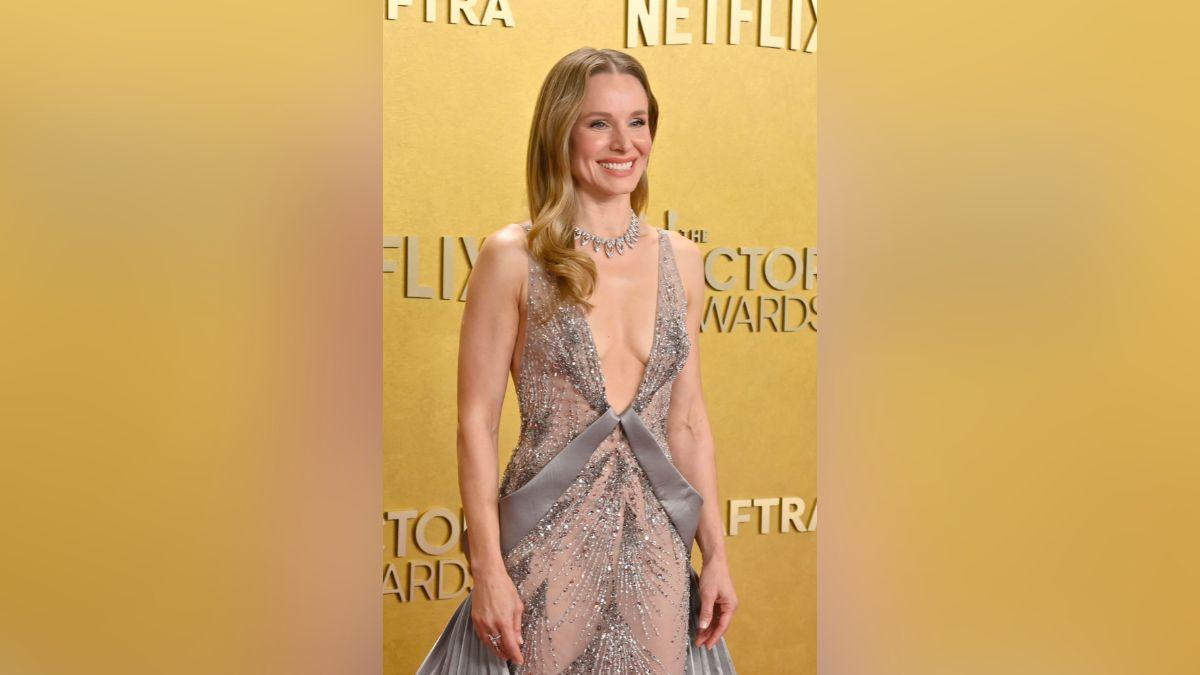
Marty Supreme itself faced a comprehensive shutout at the Actor Awards, failing to convert any of its three nominations into wins. The film had entered the ceremony with considerable anticipation, having secured nods for Best Actor, Best Supporting Actress for Odessa A’zion, and the prestigious Best Cast award. The nomination for Best Cast, in particular, had signaled strong support among the SAG-AFTRA voters, who prioritize ensemble performances. Its failure to secure this top prize, often a strong indicator for the Best Picture Oscar, has raised questions about the film’s overall momentum and its ability to rally broad industry support in the crucial weeks ahead. The film did, however, achieve a peculiar viral marketing moment during the ceremony, with host Kristen Bell’s star-studded table tennis tournament culminating in the winner receiving a trophy playfully sculpted to resemble Chalamet, a lighthearted nod that contrasted sharply with the film’s serious award-night fate.
Major Films Face Unexpected Shutouts
The evening’s pattern of snubs extended beyond Marty Supreme, impacting other high-profile cinematic achievements. Guillermo Del Toro’s much-anticipated Frankenstein, a Netflix release that had also garnered three Actor Award nominations, similarly went home empty-handed. Del Toro, known for his visually stunning and critically acclaimed works like The Shape of Water and Pinocchio, often commands significant awards attention. The lack of any wins for Frankenstein, despite its presence in key categories, underscores the intense competition and the divergent tastes within the various voting blocs this season. For Netflix, which invests heavily in prestige projects, a shutout for a film like Frankenstein represents a missed opportunity to solidify its awards presence.
Another film that experienced a surprisingly muted evening was One Battle After Another. Despite leading the film categories with an impressive seven nominations, it managed to secure only a single award: Best Supporting Actor for Sean Penn. Penn, a two-time Oscar winner known for his powerful performances, was not present to accept his trophy, an absence that can sometimes be interpreted in various ways, from scheduling conflicts to a quiet protest or simply a reflection of a busy production schedule. The film’s broad recognition, including nominations for Best Actor, Actress, Supporting Actress, Best Cast, and Stunt Ensemble, suggested a strong critical and industry reception. However, its inability to translate these nominations into more wins indicates a potential split in voter sentiment or a category filled with exceptionally strong performances that diluted its chances.
Fragmented Races and Unforeseen Victories in Film
Amidst the significant snubs, several individual performances emerged as surprising victors, highlighting the fragmented nature of this year’s acting races. Amy Madigan, for her role in Weapons, took home the Actor Award for Best Supporting Actress. While Madigan had previously earned the Critics Choice supporting actress award, her victory at the Actor Awards was still considered an upset, particularly given the strong field of contenders. She triumphed over Wunmi Mosaku, who had previously won the BAFTA Award for Best Supporting Actress, and Teyana Taylor, who secured the Golden Globe in the same category. This result underscores a lack of consensus across the major precursor awards for supporting actress, making the ultimate Academy Award outcome in this category particularly difficult to predict. Madigan’s win suggests a strong, perhaps understated, performance that resonated deeply with the SAG-AFTRA voting body, often appreciative of seasoned performers and impactful character work.
Television Landscape Sees Significant Actor Awards Surprises
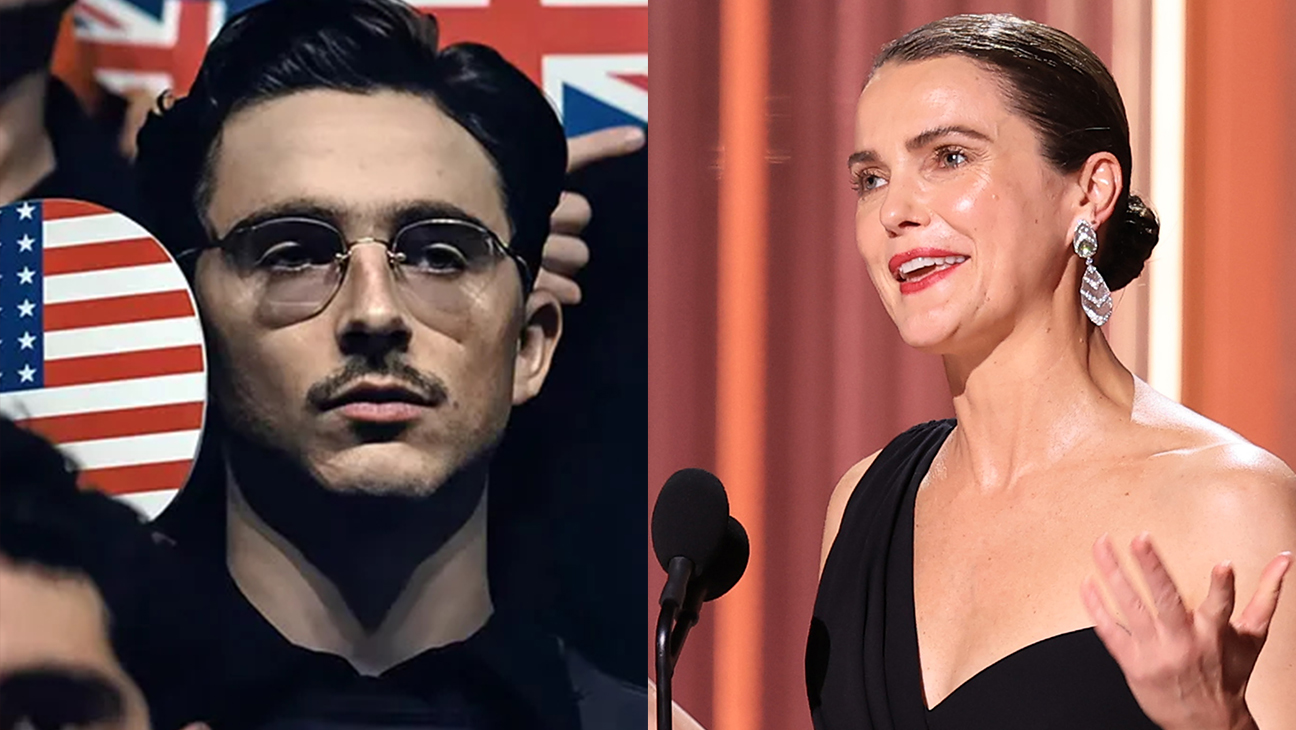
The television categories arguably presented even more unexpected outcomes than their cinematic counterparts, signaling potential shifts in the prestige TV landscape. Keri Russell delivered one of the evening’s most talked-about victories, earning a much-deserved but genuinely surprising Best Drama Actress win for her compelling performance in the third season of Netflix’s The Diplomat. Russell’s win was a significant upset, as she prevailed over highly acclaimed performances from Emmy winner Britt Lower for Severance and Rhea Seehorn for Pluribus, who had previously claimed the Golden Globe. Russell’s career has seen consistent critical acclaim, notably for her work in The Americans, and her nuanced portrayal in The Diplomat clearly struck a chord with voters, demonstrating that a powerful performance can cut through even the most formidable competition. Her victory for a show that has steadily built a dedicated following reinforces the strength of character-driven dramas on streaming platforms.
Similarly, Michelle Williams scored a notable Actor Award surprise, winning Best Actress in a Limited Series for her role in Dying for Sex. Williams’ journey to this win was particularly circuitous; she had lost the Emmy, Critics Choice Award, and Film Independent Spirit Award for the same role. While she had secured the Golden Globe, she was notably absent from that ceremony. Her presence at the Actor Awards to accept her prize added a layer of poignancy to her unexpected triumph. Williams’ track record as an exceptionally gifted dramatic actress, with multiple Oscar nominations to her name, makes her a perennial awards contender. Her victory here, despite previous losses, suggests a late surge of appreciation for her performance within the SAG-AFTRA ranks, perhaps due to the depth and emotional resonance of her portrayal in a challenging role.
Conversely, one of the most striking TV snubs of the night was the complete shutout of The White Lotus. The third season of the highly popular and critically acclaimed HBO series, which had entered the ceremony with four nominations, failed to secure a single Actor Award. The White Lotus has been an awards season darling in its previous iterations, celebrated for its sharp writing, ensemble cast, and satirical commentary. Its failure to convert any nominations into wins for its third season is a significant development, raising questions about potential voter fatigue, the sheer volume of high-quality television, or a shift in preferences among the voting body. This shutout could indicate a broader trend where established hits face stiffer competition as new, compelling narratives emerge.
Analyzing the Broader Implications of the Actor Awards Outcomes
The results of the Actor Awards paint a picture of an awards season marked by unpredictability and a lack of clear consensus across various voting bodies. The differing outcomes at the BAFTAs, Golden Globes, Critics Choice Awards, and now the Actor Awards, highlight a fragmented landscape where no single film or performance is dominating the conversation. This divergence can be attributed to several factors: the sheer volume of high-quality content across film and television, the increasing diversity of voting memberships, and potentially the impact of targeted campaigning in a highly competitive environment.
For the Oscar race, Chalamet’s double loss is particularly noteworthy. While not definitive, the Actor Awards are often seen as one of the most accurate predictors for the acting categories at the Academy Awards due to the overlap in voting demographics. His setbacks, combined with Marty Supreme‘s overall shutout, will undoubtedly force its campaign strategists to recalibrate their approach. Conversely, Michael B. Jordan’s win for Sinners elevates his profile significantly, positioning him as a formidable late-stage contender. The fragmented supporting actress race also suggests that the Academy Awards could be a genuine toss-up, with no clear frontrunner emerging from the precursor awards.
The television surprises, particularly Keri Russell’s and Michelle Williams’ wins, underscore the power of individual performances to resonate with voters, even when up against established Emmy winners or perceived favorites. These victories can inject new energy into their respective shows and careers, demonstrating that a sustained, impactful portrayal can garner recognition regardless of prior awards outcomes. The shutout of The White Lotus, a show previously synonymous with awards success, signals a dynamic and ever-evolving television landscape where past triumphs do not guarantee future accolades. This might encourage networks and streaming platforms to continue investing in diverse and innovative storytelling.
The Road Ahead: What These Results Mean for the Awards Season Narrative
As the awards season hurtles towards its grand finale with the Academy Awards, the narrative has undeniably become more complex and intriguing. The Actor Awards snubs and surprises have injected a fresh wave of uncertainty, challenging conventional wisdom and forcing a re-evaluation of perceived frontrunners. Campaigns for films and performances that faced unexpected setbacks will need to redouble their efforts, focusing on voter outreach and narrative shaping in the coming weeks. For the surprise winners, these accolades provide crucial momentum, potentially swaying undecided voters in the final rounds of balloting.
The industry will be watching closely to see how these divergent results ultimately influence the Academy’s choices. The fragmented nature of the precursor awards suggests that the upcoming Oscar night could be one of the most unpredictable in recent memory, filled with its own share of triumphs and heartbreaks. The outcomes of the Actor Awards have not only highlighted individual achievements and disappointments but have also painted a broader picture of a dynamic, competitive, and increasingly diverse awards landscape that continues to defy easy predictions.