Amidst a significant military build-up by the United States and a complex diplomatic dance, the specter of escalating conflict between Washington and Tehran looms large, raising urgent questions about the trajectory of their increasingly fraught relationship. While planned diplomatic engagements signal a desire for de-escalation, Iran’s rhetoric of preparedness for war casts a long shadow over these overtures, creating a volatile environment where miscalculation could have profound global consequences. The coming days are poised to be critical in determining whether dialogue can avert a potentially devastating confrontation.
Escalating Tensions and Diplomatic Stalemate
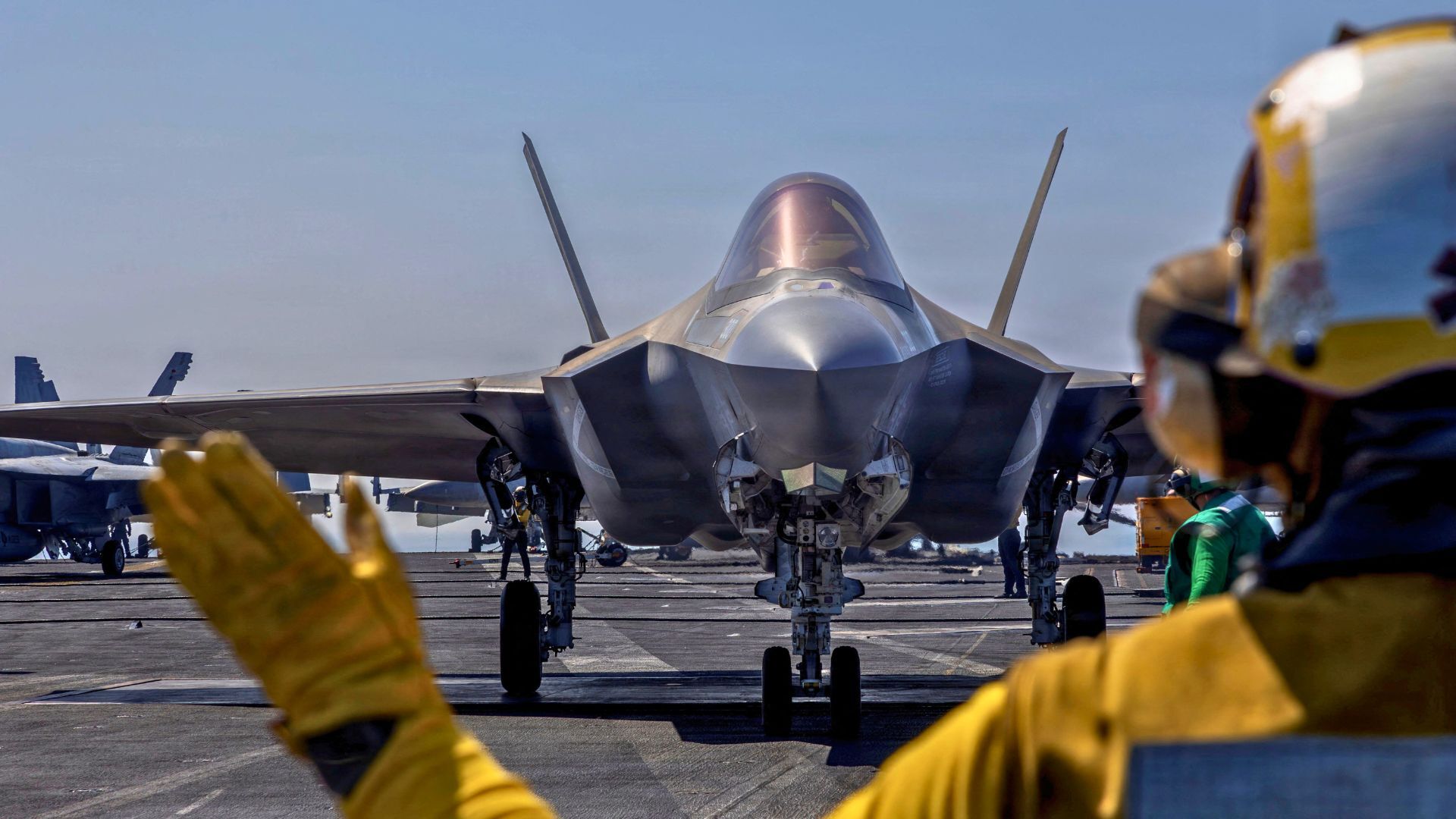
The United States has mobilized its largest military force in over two decades, a deployment that underscores the gravity of the current geopolitical situation. This massive show of force, reminiscent of the build-up preceding the invasion of Iraq, has been framed by Washington as a defensive measure against perceived Iranian threats. However, the sheer scale of the military presence has undeniably heightened anxieties and fueled speculation about Washington’s intentions.
The deployment includes an aircraft carrier strike group, bomber task forces, and Patriot missile defense systems, all positioned within striking distance of Iran. These assets are intended to deter any potential Iranian aggression and to reassure regional allies of America’s commitment to their security. Yet, for Tehran, this unprecedented military posture is viewed as a direct provocation, increasing the likelihood of an unintended clash.
Meanwhile, diplomatic channels remain open, albeit precariously. More talks are scheduled, with both sides engaging in a delicate balancing act. These discussions aim to de-escalate the immediate crisis and to explore avenues for broader engagement, though the deep-seated mistrust and historical grievances between the two nations present formidable obstacles.
Mixed Signals from Washington and Tehran
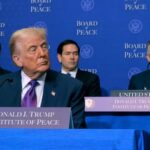
President Donald Trump’s administration has sent a series of mixed signals regarding its approach to Iran. While some statements have emphasized a willingness to negotiate, others have adopted a more confrontational tone, contributing to the prevailing uncertainty. This communication strategy, whether intentional or not, has left observers struggling to decipher the administration’s ultimate objectives.
Tehran, for its part, has articulated a dual stance: a desire for dialogue coupled with a readiness for war. This position reflects a strategic calculation aimed at projecting strength while keeping the door open for diplomacy. Iranian officials have repeatedly stated that they do not seek conflict but will not shy away from defending their national interests and sovereignty if provoked.
The internal dynamics within both governments also play a crucial role. In the U.S., a hawkish faction within the national security apparatus has advocated for a more assertive posture, while others have urged restraint and a focus on diplomatic solutions. Similarly, within Iran, hardline elements often counter the more moderate voices, creating a complex internal debate that influences the country’s foreign policy.
A History of Confrontation and Mistrust
The current tensions are not isolated incidents but rather the latest chapter in a long and often acrimonious history between the United States and Iran. The 1979 Iranian Revolution, which overthrew the U.S.-backed monarchy, marked a fundamental shift in their relationship, leading to decades of hostility, proxy conflicts, and mutual suspicion.
The U.S. withdrawal from the Joint Comprehensive Plan of Action (JCPOA), the landmark nuclear deal, in 2018 significantly exacerbated these tensions. Washington’s reimposition of stringent sanctions on Iran has crippled its economy and intensified public hardship, further fueling animosity. This unilateral action was widely criticized internationally and has been a major point of contention in subsequent diplomatic efforts.
The regional dimension of the conflict is also critical. Iran’s influence in countries like Syria, Iraq, Lebanon, and Yemen is viewed by the U.S. and its allies, particularly Saudi Arabia and Israel, as a destabilizing force. This proxy competition has manifested in numerous conflicts and political standoffs across the Middle East, creating a complex web of alliances and rivalries.
Key Developments and Potential Flashpoints
Recent incidents have sharply escalated the situation. The U.S. designation of Iran’s Islamic Revolutionary Guard Corps (IRGC) as a foreign terrorist organization was a significant escalation, placing a key branch of the Iranian military under unprecedented pressure. This move was met with strong condemnation from Tehran and was seen as a clear signal of American intent to increase pressure.
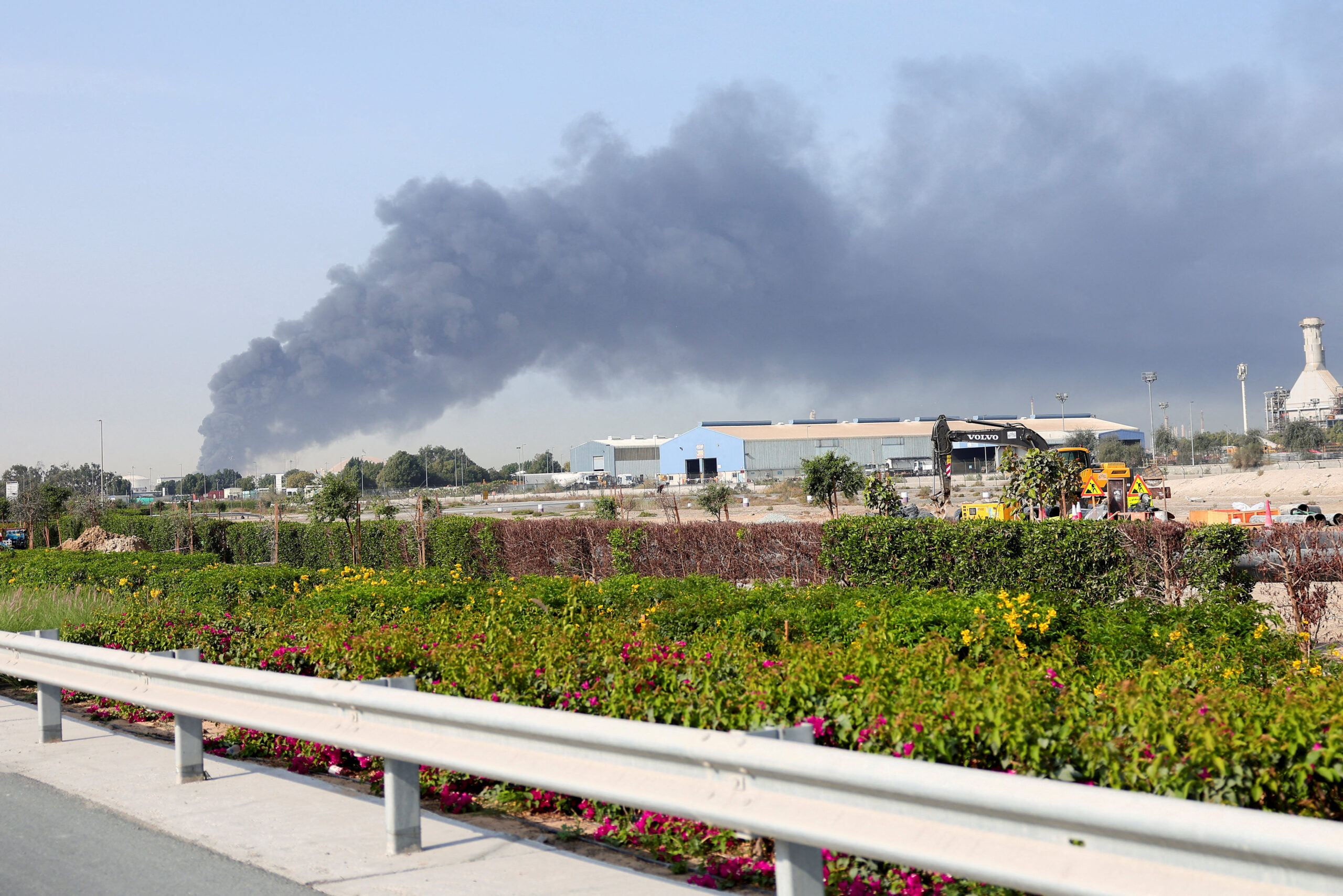
The alleged attacks on oil tankers in the Gulf of Oman, which the U.S. has attributed to Iran, have further inflamed tensions. While Tehran has denied involvement, these incidents have provided the U.S. with further justification for its increased military posture and have raised fears of a wider regional conflict. These events, if not thoroughly investigated and addressed through diplomacy, could easily trigger a cycle of retaliation.
The downing of a U.S. drone by Iran, which the U.S. claimed was in international airspace, brought the two nations to the brink of direct military confrontation. President Trump reportedly approved strikes against Iranian targets but then halted them at the last minute, highlighting the immense pressure and the fine line between escalation and de-escalation. This near-miss served as a stark reminder of the potential for rapid and catastrophic military engagement.
Analysis: Navigating the Tightrope of Deterrence and Diplomacy
The current situation presents a classic case of deterrence theory in practice, albeit a highly volatile one. The U.S. military build-up is designed to deter Iran from any aggressive actions, while Iran’s rhetoric and preparedness signal its willingness to respond forcefully to perceived threats. The challenge lies in ensuring that deterrence does not inadvertently lead to war through miscalculation or unintended escalation.
Several factors complicate this delicate balance. The decentralized nature of decision-making within Iran, particularly concerning security matters, can make it difficult for external actors to fully understand the regime’s red lines. Similarly, the domestic political pressures within the United States, especially with upcoming elections, can influence the administration’s foreign policy choices and its willingness to engage in risky confrontations.
The role of regional powers cannot be overstated. Saudi Arabia and Israel, deeply concerned about Iran’s regional ambitions, have been strong proponents of a firm stance against Tehran. Their influence on U.S. policy is significant, and their actions can either exacerbate or mitigate tensions. Conversely, countries like Oman have played a vital role as intermediaries, attempting to facilitate communication between Washington and Tehran.
Broader Implications: A Global Impact of Regional Conflict
Any direct military conflict between the U.S. and Iran would have far-reaching consequences, extending well beyond the Middle East. The Strait of Hormuz, a vital chokepoint for global oil supplies, would likely become a major theater of operations. Disruptions to oil flow through this strategic waterway could send shockwaves through the global economy, leading to significant price increases and supply shortages.
The humanitarian cost would be immense. A prolonged conflict would result in widespread civilian casualties, displacement of populations, and a deepening of the existing refugee crises in the region. The infrastructure damage and the potential for environmental catastrophe, particularly from attacks on oil facilities, would further compound the suffering.
The broader geopolitical landscape would also be profoundly altered. A U.S.-Iran war could draw in other regional and global powers, potentially leading to a wider, more intractable conflict. The fragile international order, already strained by numerous challenges, could face unprecedented pressure. The risk of terrorist groups exploiting the chaos and instability is also a significant concern.
Public Sentiment and Political Ramifications
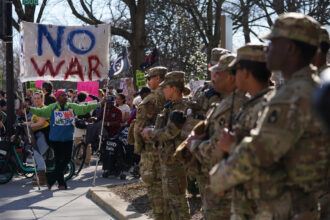
In the United States, public opinion on military intervention in the Middle East remains divided. While a segment of the population supports a strong stance against Iran, a significant portion is wary of further entanglement in costly and protracted conflicts, recalling the experiences in Iraq and Afghanistan. The economic implications of war, including increased defense spending and potential disruptions to trade, are also a major concern for voters.
In Iran, the government has sought to rally nationalistic sentiment against perceived foreign aggression. The economic hardship caused by sanctions has created a complex domestic situation, with some segments of the population expressing discontent with the ruling establishment, while others rally behind the leadership in the face of external threats. The government’s narrative of resisting foreign pressure can serve to consolidate its power, but also risks fueling further international isolation.
The political ramifications for both leaderships are substantial. A successful de-escalation would be hailed as a diplomatic triumph, potentially bolstering the standing of those who advocated for dialogue. Conversely, a descent into conflict could lead to severe political fallout, regardless of the initial justifications. The specter of war creates a high-stakes environment where every decision is scrutinized and carries immense weight.
The Path Forward: Diplomacy Amidst Rising Stakes
The immediate future hinges on the success of ongoing diplomatic efforts and the ability of both sides to exercise restraint. The planned talks, however informal or indirect, represent a crucial opportunity to de-escalate tensions and to establish clearer communication channels. The involvement of third-party mediators, such as Oman, remains vital in bridging the gap between Washington and Tehran.
The international community has a significant role to play in urging restraint and supporting diplomatic solutions. Multilateral engagement and the reaffirmation of international norms and laws are essential to preventing a slide into conflict. The United Nations and other international bodies can provide platforms for dialogue and can help to monitor compliance with any agreements reached.
Ultimately, the trajectory of the U.S.-Iran relationship will be determined by the choices made in the coming weeks and months. The challenge is to navigate a perilous path, where the deployment of military power is intended to deter but risks igniting a conflagration. The pursuit of de-escalation through sustained diplomatic engagement, coupled with a commitment to avoiding provocative actions, offers the only viable route to preventing a devastating war. The world watches with bated breath as this critical standoff unfolds.