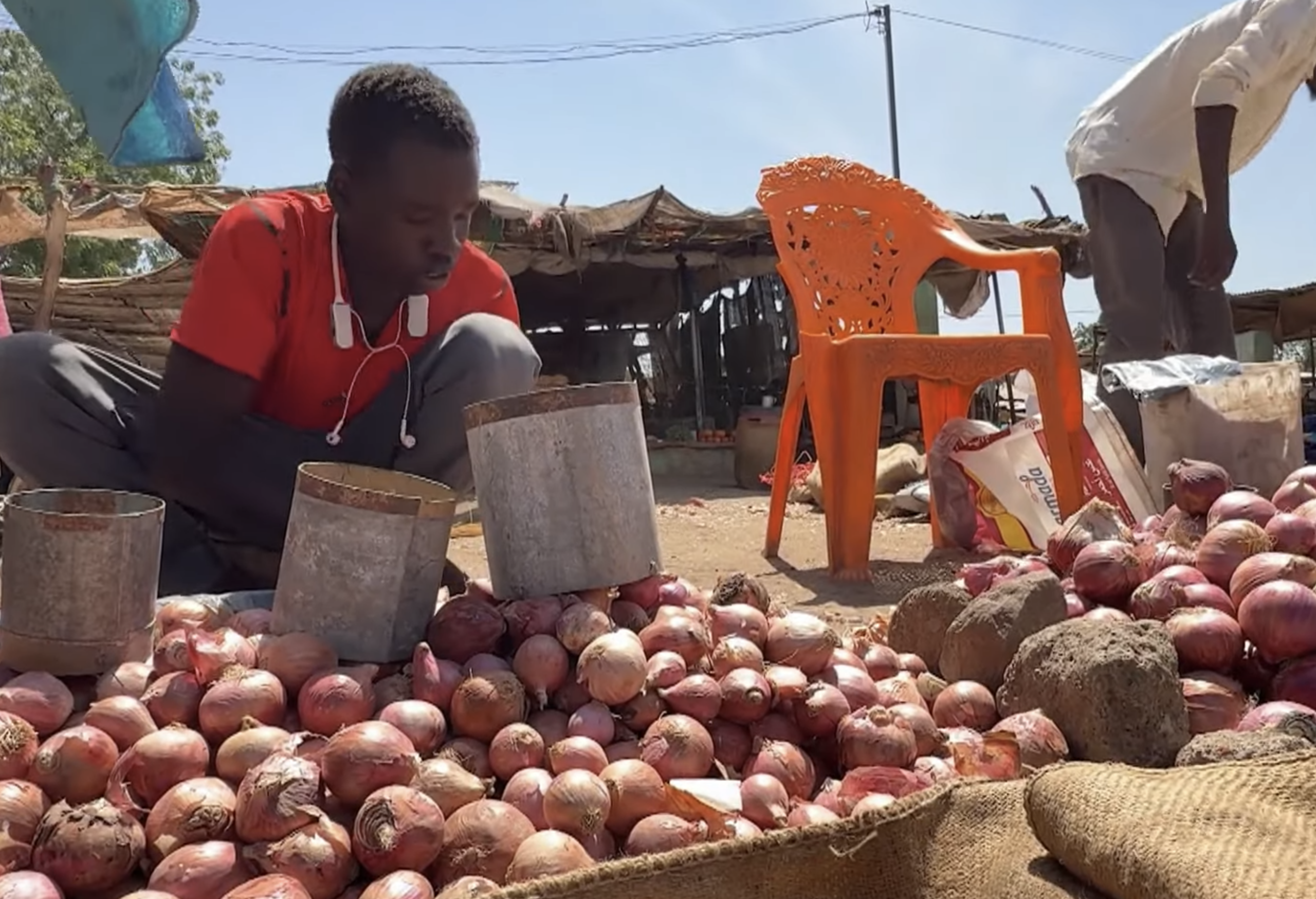
DILLING, SOUTH KORDOFAN – Markets are slowly reopening and a fragile sense of normalcy is beginning to emerge in Dilling, the second largest city in South Kordofan, following the recent lifting of a grueling two-year siege. However, this cautious resurgence is overshadowed by persistent aerial attacks and critical shortages that continue to plague residents, painting a stark picture of the ongoing humanitarian crisis in the region. The Sudanese army’s success in breaking the encirclement, previously maintained by the paramilitary Rapid Support Forces (RSF) and the Sudan People’s Liberation Movement-North (SPLM-N), has allowed for the tentative flow of goods and movement of people, yet the lingering specter of drone warfare presents a formidable challenge to any lasting recovery.
For over twenty-four months, Dilling endured a suffocating blockade that severed vital supply lines, isolating its population and plunging the city into severe humanitarian distress. This prolonged period of encirclement crippled economic activity, making essential goods scarce and dramatically narrowing the avenues for livelihoods for the city’s inhabitants. The lifting of this blockade by the Sudanese army marks a significant turning point, enabling a gradual reconnection with the outside world and the reappearance of much-needed commodities.
Markets Reopen, Signaling Cautious Recovery
The most immediate and visible sign of Dilling’s emerging recovery is the tentative revival of its local markets. Once largely shuttered and barren during the protracted siege, stalls are now beginning to display an array of fresh produce, a welcome sight for residents who had been deprived of such staples for months. Local traders express a mixture of relief and determination as they restock their shelves, a testament to the resilience of the community.
"The market and vegetables have all returned," a local trader told Al Jazeera Arabic, his voice carrying a note of cautious optimism. "Before, the market didn’t exist. Now we have okra, potatoes, sweet potatoes, chillies and lemons. Everything is with us, and the market has returned to normal." This sentiment underscores the profound impact of the siege on daily life and the deep economic scars left by more than two years of isolation. The resumption of trade, while promising, cannot erase the devastation wrought upon the local economy, which saw residents deplete their savings and infrastructure fall into disrepair.
The Lingering Shadow of Drone Warfare
Despite the Sudanese army’s assertions of control over access routes, the security situation in Dilling remains profoundly precarious. The city continues to be subjected to almost daily drone strikes, which authorities attribute to the RSF and SPLM-N. These aerial assaults have targeted not only infrastructure but also residential areas, instilling a pervasive sense of fear and insecurity among the population.
For residents like Maryam, a mother who has been displaced multiple times by the ongoing conflict, the breaking of the siege has not brought an end to her ordeal. She vividly describes the terror of the unmanned aerial vehicles that hover menacingly overhead, a constant reminder of the ongoing threat. "Now the drones bombard and chase us. They chase us like locusts," Maryam recounted, her voice strained. "When they come, we just run to hide. When they hover over us, they burn the thatch [roofs], start fires and force you to leave your home." The psychological toll of such relentless aerial bombardment is immense, making any semblance of normal life an arduous undertaking. Even simple daily activities, like sharing a meal, are abruptly interrupted by the omnipresent threat of attack.
Critical Medical Shortages Plague a Recovering City
While the return of goods offers a glimmer of economic hope, the health sector in Dilling remains in a state of critical emergency. The city’s main hospital is grappling with a severe deficit of essential equipment and life-saving medicines. This dire shortage has had devastating and life-altering consequences for the most vulnerable segments of the population, highlighting the deep and lasting impact of the prolonged siege.
The plight of Abdelrahman, a local resident suffering from diabetes, serves as a tragic illustration of the medical crisis. During the months of encirclement, his access to insulin was cut off entirely. This lack of essential medication led to a rapid and severe deterioration of his health, ultimately resulting in the amputation of both his legs. A relative of Abdelrahman shared the heartbreaking details: "He had a medical appointment after a month, but the month closed off his check-ups. He is suffering severely. He is missing his insulin. There is a shortage of food, and he is tired. His health has declined sharply." Such stories underscore the humanitarian catastrophe that has unfolded in Dilling, where basic medical needs have gone unmet for extended periods.
Background and Context of the Siege
The conflict in Sudan, which escalated into a full-blown civil war in April 2023, has its roots in a power struggle between the Sudanese army, led by General Abdel Fattah al-Burhan, and the RSF, commanded by General Mohamed Hamdan Dagalo, widely known as Hemedti. Both factions were formerly allies in the 2019 overthrow of long-time dictator Omar al-Bashir. South Kordofan, a strategically important state bordering oil-rich South Sudan, has been a flashpoint for conflict, with various armed groups vying for control and resources.
The RSF, which evolved from the Janjaweed militia notorious for atrocities in Darfur, has been accused of widespread human rights abuses. The SPLM-N, a rebel group that has historically sought greater autonomy for the Nuba Mountains region, has also been involved in the conflict, sometimes aligning with or against the warring factions depending on shifting alliances and objectives. The siege of Dilling represents a tactic employed by these forces to isolate and exert pressure on opposing strongholds, often with devastating consequences for civilian populations caught in the crossfire.
The prolonged isolation of Dilling had a cascading effect on its inhabitants. Beyond the immediate lack of food and medicine, the siege disrupted access to clean water, sanitation, and educational facilities. Families were torn apart, and the fabric of social life was severely strained. The economic paralysis meant that many residents lost their livelihoods, pushing them further into poverty and dependence on dwindling external aid. The psychological toll of living under constant threat and deprivation cannot be overstated, contributing to long-term trauma and mental health challenges.
Broader Implications and the Path Forward
The situation in Dilling is emblematic of the wider humanitarian crisis gripping Sudan. Millions have been displaced internally and externally, and the country faces a severe risk of famine. The continued use of aerial bombardment and the targeting of civilian infrastructure by armed groups raise serious concerns about accountability and adherence to international humanitarian law.
The lifting of the siege, while a significant development, is merely the first step in a long and arduous journey toward recovery for Dilling. The dual challenges of rebuilding a shattered health system and establishing lasting security from persistent military attacks are immense. International attention and sustained humanitarian assistance will be critical in supporting these efforts. The long-term stability of the region hinges on a comprehensive peace process that addresses the underlying grievances and power dynamics driving the conflict.
Hisham Uweit, reporting from Dilling for Al Jazeera Arabic, described the current atmosphere as a "glimmer of hope" but cautioned that the city’s ordeal is far from over. The resilience of the Dilling residents, demonstrated by their determination to reopen markets and rebuild their lives, is remarkable. However, without a cessation of hostilities and a commitment to addressing the critical humanitarian needs, the fragile recovery could easily be undone by the continued threat of violence and the ongoing scarcity of essential resources. The international community faces a moral imperative to provide robust support to Sudan during this critical juncture, ensuring that the lives and well-being of its citizens are prioritized above all else. The future of Dilling, and indeed Sudan, depends on a concerted effort to move beyond conflict and towards sustainable peace and development.