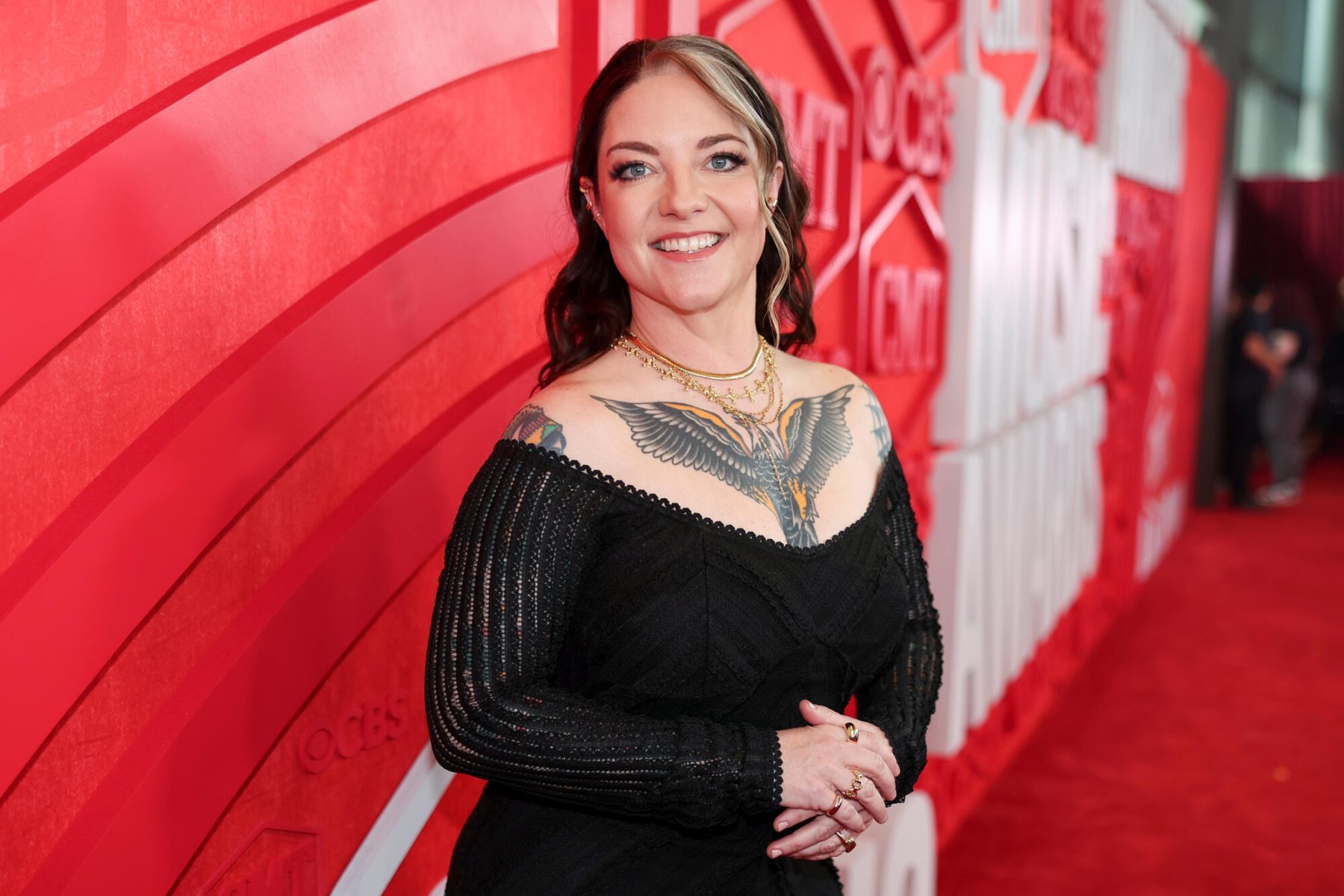
Country music star Ashley McBryde is delving into deeply personal territory with her latest single, "What If We Don’t," a powerful track that weaves together threads from her pre-fame life and past relationships. The song, accompanied by a poignant music video, draws inspiration from a difficult period in McBryde’s youth and the lasting impact of loss. McBryde has openly discussed using Eye Movement Desensitization and Reprocessing (EMDR) therapy to navigate the trauma associated with a high school friend’s death in a car accident, a pain that continues to resonate years later. The emotional weight of this event, coupled with the passing of one of the song’s co-writers in 2018, has infused "What If We Don’t" with a profound sense of catharsis.
The Genesis of "What If We Don’t": A Song Born from Reflection
The creation of "What If We Don’t" dates back to July 8, 2015, when McBryde collaborated with songwriters Terri Jo Box and Randall Clay. The session took place on the back porch of a duplex Box rented in Nashville’s Belle Meade neighborhood, a setting that fostered an atmosphere of candid creation. McBryde’s initial vision for the song was a "big rock-ballad chorus," a deliberate choice reflecting her desire to carve out a unique space within country music, one that embraced a tougher, more anthemic sound often overlooked at the time.
Box recalled McBryde’s specific request for a chorus that could stand alongside the powerful vocals of artists like Pat Benatar, a stark contrast to the prevailing sonic landscape of country radio. This ambition to blend raw lyrical honesty with a commanding musical delivery became a cornerstone of the songwriting process. The song’s thematic core emerged from shared experiences of romantic entanglements, particularly McBryde and Box finding themselves in "situationships" with friends who proved to be less than ideal partners.
The co-writers first crafted the powerful chorus, meticulously tailoring it to McBryde’s impressive vocal range. The lyrics explored the complex emotions of transitioning a friendship into a romantic relationship, contemplating the potential fallout. As they moved to the verses, the narrative unfolded with a subdued tone, painting a picture of two individuals parting ways after an evening, only to confront the inevitable awkwardness and potential complications of unexplored romantic feelings.
Box remembered questioning the use of the word "weird" in the lyrics, a sentiment that McBryde readily embraced. "I love it. Let’s just say it, because that’s what it is: weird," McBryde reportedly responded, underscoring the song’s commitment to authentic emotional expression. Ultimately, "What If We Don’t" encapsulates the universal experience of standing at a crossroads, facing a decision with uncertain consequences.

From Indie Release to Chart Aspirations: The Evolution of a Song
"What If We Don’t" was first recorded by McBryde for her 2016 independent album, "Jalopies & Expensive Guitars." However, this initial release did not achieve the widespread recognition or fulfill McBryde’s vision for the track. The song remained a personal piece, unreleased to its full potential.
Tragedy struck the songwriting circle when Randall Clay passed away in October 2018. His death, occurring as a hurricane bore down on Pensacola, Florida, added another layer of poignancy to the song McBryde had co-written with him. Carrying the regret of "What If We Don’t" not having received the proper opportunity, McBryde began integrating it into her live performances as she prepared for her next album.
Working with her road band, Deadhorse, McBryde started reimagining the song’s arrangements. Performing for audiences of up to 20,000 people a night while on tour supporting Cody Johnson provided a valuable testing ground for these new interpretations. This process allowed the band to refine the song’s dynamics and gauge audience reaction, serving as a real-time barometer for what resonated.
A New Vision: Production and Collaboration for a Definitive Sound
Seeking to bring "What If We Don’t" to its full potential, McBryde enlisted John Osborne, guitarist for Brothers Osborne, to produce her upcoming album. Osborne, known for his meticulous approach, immediately recognized the dedication and preparation McBryde and Deadhorse brought to the studio. He lauded their practice of arriving with fully formed arrangements, which allowed him to concentrate on the finer details of the recording process from the outset.
Osborne’s production ethos for "What If We Don’t" aimed to capture the spirit of 1980s power ballads, enabling McBryde to channel the fierce energy of artists like Joan Jett and Heart. He noted McBryde’s exceptional vocal prowess, stating, "There isn’t a production big enough that she can’t absolutely compete with ease." This confidence led Osborne to pursue a bold, expansive sound for the track.
The studio sessions at Osborne’s Pinebox Studio were marked by a collaborative spirit. McBryde performed live with Deadhorse on every take, fostering an environment where spontaneous musical moments could emerge. Osborne observed the raw energy of the band members, describing drummer Quinn Hill as if he were "digging a ditch," and bassist Caleb Hooper’s intense focus, with his hair falling into his eyes as his fingers flew across the instrument. Guitarist Matt Helmkamp’s effortless soloing was also noted, likened to "carrying a bag of chips."
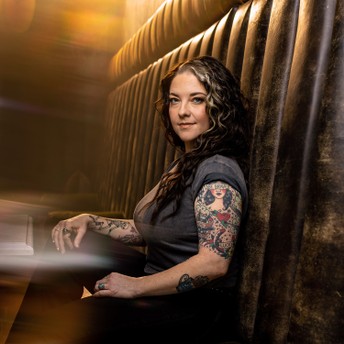
Following the live tracking, Osborne layered additional instrumentation, including evocative guitar parts, a resonant mini-Moog bass line, and mellotron-infused synth tones that provided a subtle, atmospheric foundation. He incorporated elements of classical music, drawing on his own background to introduce pizzicato stabs and classical rhythms in the bridge, aiming to create dynamic energy through unexpected compositional approaches.
The Music Video: Visualizing Loss and Ambiguity
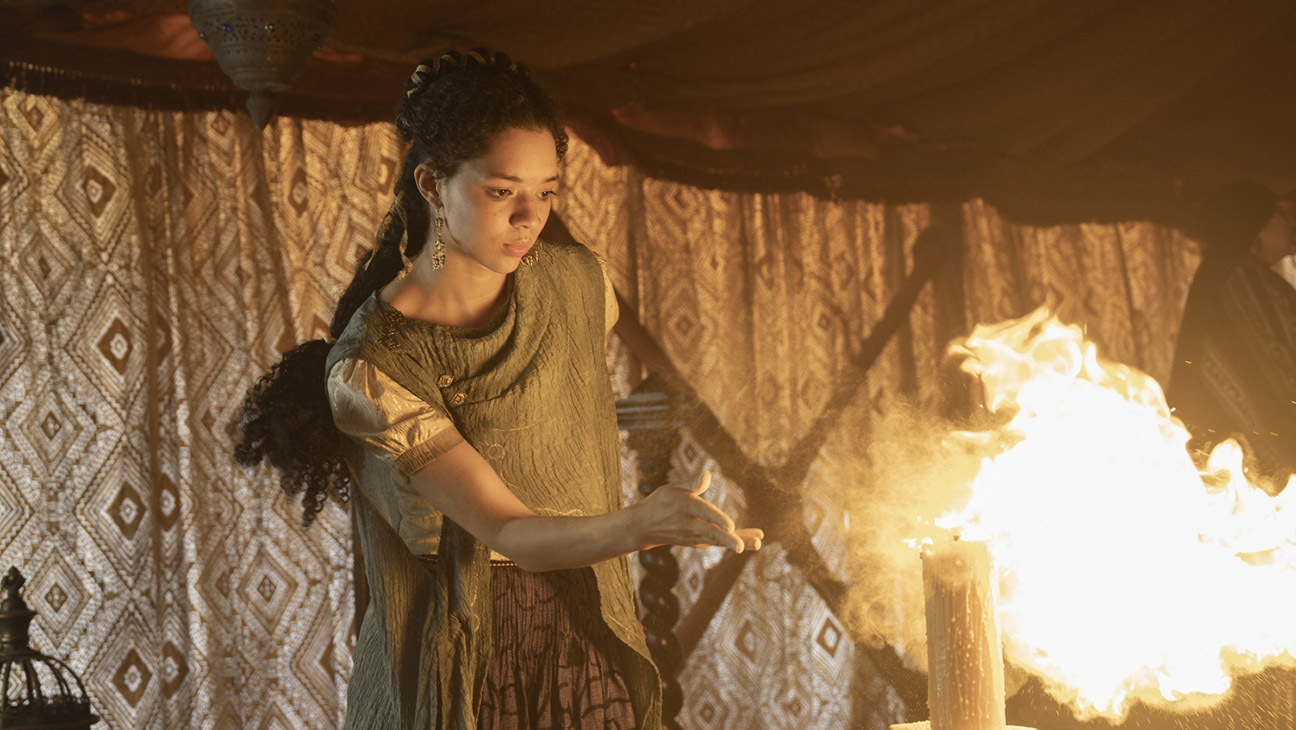
The accompanying music video for "What If We Don’t" is deeply rooted in the tragic loss of McBryde’s high school friend. The visual narrative intentionally incorporates a layer of ambiguity regarding the romantic interests of McBryde’s character and her friend. The video depicts the friend having a boyfriend while simultaneously exhibiting undeniable sexual tension with McBryde’s on-screen persona.
McBryde explained this creative choice as a deliberate attempt to reflect the complexities of adolescent relationships and burgeoning identity. "That’s definitely by design, to leave that up to the viewer who the young person is most interested in because at that time, especially at that age group, you’re not sure," she stated. This mirrors the common experience of navigating intense friendships and the uncertainty of attraction during formative years, leaving viewers to ponder the emotional landscape.
Releasing "What If We Don’t": A New Chapter for an Enduring Song
Warner Records Nashville officially released "What If We Don’t" to country radio on January 22, with an official add date of February 23. The single represents a significant milestone, building upon years of personal reflection and artistic development. It honors enduring friendships, embodies the raw, edgy sound McBryde always envisioned for the track, and allows her to channel profound emotions in a way that transcends formal therapeutic processes.
McBryde articulated the song’s journey of healing, acknowledging that while she experienced heartache during its initial writing, she lacked the complete emotional toolkit to fully process the depth of her feelings. "I may have had a heartache or two when I wrote it," she reflected, "but I didn’t have the tools to fully process everything that I was packing into that until now." The decision to release "What If We Don’t" as a single signifies a powerful moment of closure and artistic fulfillment, reaffirming the memory of Randall Clay and the enduring impact of shared creative experiences. The team involved expressed a collective sentiment that Clay "feels him around all the time," and that his presence is palpable in the song’s journey.