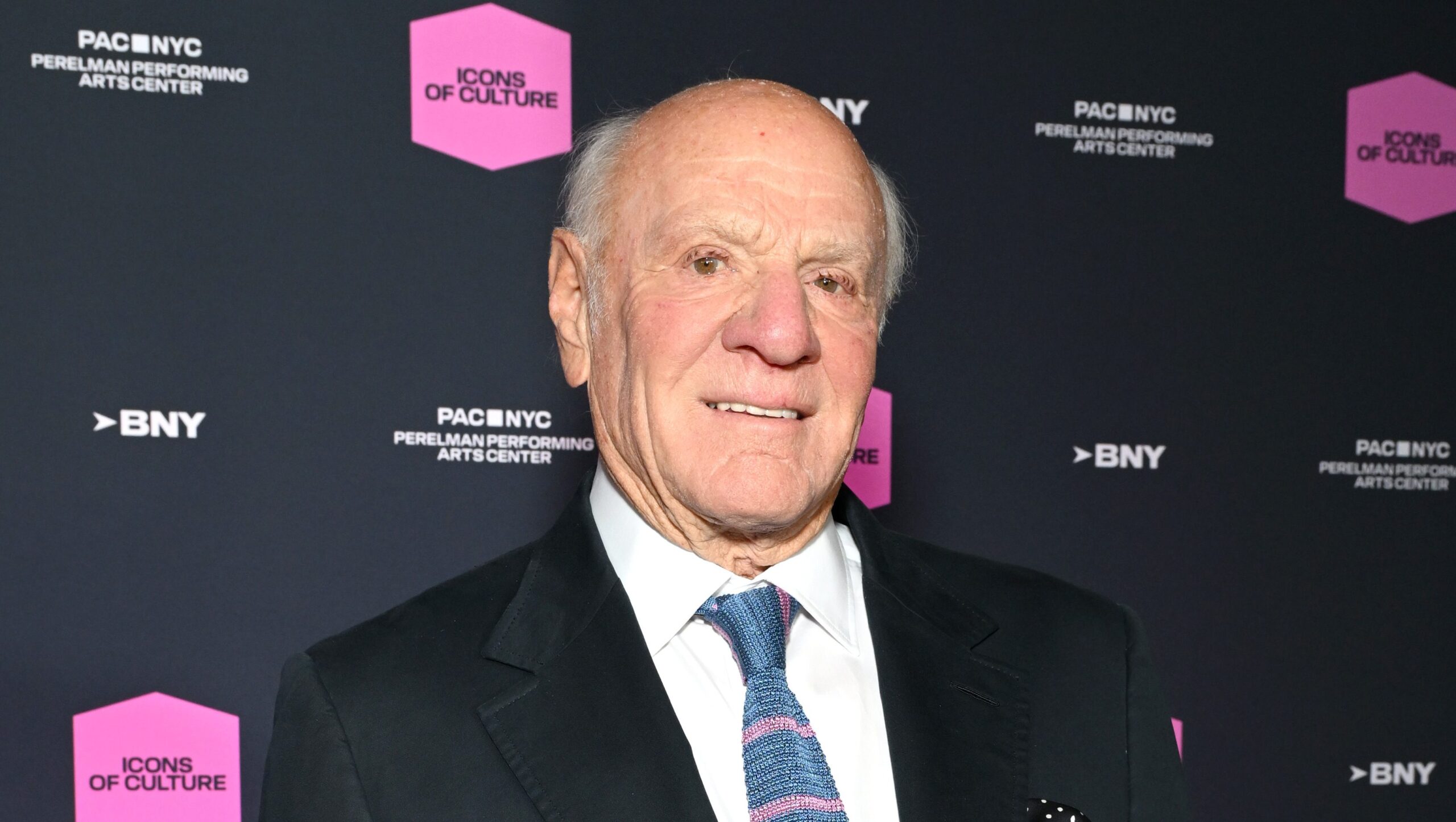
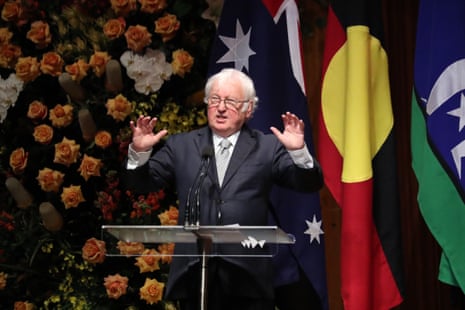
Bill Kelty, a prominent architect of Australia’s modern economic landscape, issued a stark ultimatum to federal lawmakers on Monday, asserting that the nation’s current tax regime is radicalizing the youth. Testifying before a parliamentary committee, the union luminary warned that a failure to address intergenerational unfairness would inevitably drive younger citizens toward extremist movements and "parties of hate." Kelty, who played a pivotal role in the landmark reforms of the 1980s and 90s, argued that the financial burden placed on the next generation has reached a breaking point, creating a vacuum that divisive political factions are eager to fill.

Tax Reform as a Shield Against ‘Parties of Hate’
The testimony centered on the growing disparity between older property investors and younger workers struggling to enter the market. Kelty advocated for a comprehensive overhaul of the tax system, specifically targeting the capital gains tax discount for investors. However, he cautioned against "ad hoc changes," insisting that any reform must be part of a holistic effort to restore equity. He told the committee that minor adjustments would be insufficient to counter the deep-seated resentment brewing among those under 40.
To illustrate the severity of the crisis, Kelty presented the financial reality of a typical young worker. He noted that an individual earning a respectable salary of $80,000 is often left with only $16,000 in discretionary income after accounting for income tax, insurance premiums, HECS student loan repayments, and skyrocketing urban rents. This "cost-of-living squeeze," Kelty argued, makes the prospect of home ownership or financial stability nearly impossible for many, leading to a profound loss of faith in mainstream democratic institutions.

"I need the parliament of this country unequivocally to stand up and say they are on the side of young people," Kelty said during an impassioned address. He warned that if the political establishment remains indifferent, young people will naturally gravitate toward the "extremity" of parties characterized by division and hate. This shift, he noted, would not merely be a setback for specific political parties but a "very bad thing for this country" as a whole.
National Security Debates and the Criminalization of Advocacy
The warning regarding social cohesion comes as the Australian government faces intense pressure over its handling of families linked to Islamic State fighters. In a parallel development, the federal Coalition has detailed a controversial plan to criminalize any assistance provided to Australians in Syrian detention camps. Shadow Foreign Affairs Minister Ted O’Brien and Opposition Leader Angus Taylor argued that current laws contain "loopholes" that allow for the "outsourcing" of repatriation for terror sympathisers.
The proposal has sparked a fierce backlash from humanitarian organizations. Save the Children CEO Mat Tinkler described the move to criminalize advocacy for children as "extraordinary." Tinkler clarified that while his organization does not facilitate extractions, its role in providing life-saving relief and advocating for repatriation is grounded in international law. He called on politicians to "dial down the rhetoric" and prioritize the safety of vulnerable children over political posturing.
Government ministers have dismissed the Coalition’s plan as a "headline grab." Health Minister Mark Butler and Assistant Foreign Affairs Minister Matt Thistlethwaite defended the Albanese government’s current stance, which involves refusing repatriation support while adhering to the strict letter of the law regarding travel documents. Thistlethwaite characterized the opposition’s claims as a "stunt," asserting that the government has already "toughened up" border security by excluding individuals identified by intelligence agencies as potential threats.

Economic Volatility: Tariffs, Debt, and the ‘Taco’ Strategy
Beyond internal tax debates, the Australian economy is bracing for external shocks. Trade Minister Don Farrell confirmed on Sunday that Australia is "examining all options" following Donald Trump’s announcement of a temporary 15% tariff on all U.S. imports. The move, which follows a U.S. Supreme Court ruling against an earlier 10% tariff plan, has created a sense of "policy whiplash" in global markets.
Despite the threat, the S&P/ASX 200 showed a muted response on Monday, hovering around the 9,040-point mark. Market analysts suggest that investors are weighing the possibility of a "Taco" outcome—a term referencing the idea that "Trump Always Chickens Out" when faced with significant economic blowback. However, the underlying uncertainty, coupled with escalating geopolitical tensions in the Middle East, has kept the trading environment fragile.

Domestically, the financial pressure on households continues to mount. New data from Equifax’s Market Pulse report revealed that mortgage applications grew by 12.3% in the final quarter of last year, while credit card applications surged by 15%. This rush to secure debt appears to have been driven by the government’s 5% first home buyer deposit scheme and a widespread belief that interest rates had peaked. Lenders, however, are becoming increasingly cautious, slashing credit limits for new cards by an average of 8.3% as they prepare for potential defaults.
Infrastructure and Public Health Strains
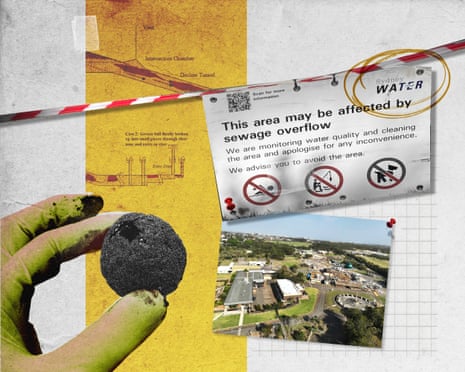
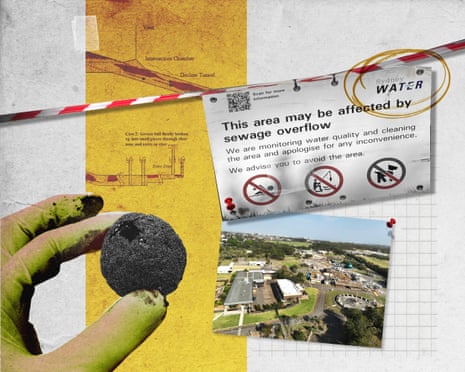
The strain on the nation is not limited to the balance sheet; it is also visible in its infrastructure and public health. In New South Wales, the environmental watchdog has issued an urgent order to Sydney Water to clean its Malabar wastewater treatment plant. The directive follows the discovery of a massive "fatberg"—estimated to be the size of four city buses—which has been blamed for the "poo balls" that forced the closure of several iconic beaches last summer.

A secret report obtained via Freedom of Information laws indicates that fixing the issue is fraught with risk. Removing the fatberg would require shutting down the ocean outfall and diverting raw sewage to "cliff face discharge," a move that could shutter Sydney’s beaches for months. The report acknowledges that such an approach has never been attempted and is currently considered "unacceptable" by modern environmental standards.
Simultaneously, health officials in Victoria have issued a high-level alert following a measles outbreak in Melbourne. The virus has begun spreading through local transmission among individuals with no recent travel history, suggesting a significant community risk. Acting Chief Health Officer officials have published an extensive list of exposure sites, urging residents to monitor for symptoms such as fever, cough, and the characteristic rash. The spike in cases is being attributed to a decline in childhood vaccination rates and a heavy season of international travel.

Social Cohesion and the Rise of Extremist Violence
The social fabric of the country faced further tests over the weekend with several high-profile criminal incidents. In Brisbane, a man has been charged with a hate crime after allegedly using a Toyota Hilux to ram the gates of a synagogue. The incident, caught on CCTV, has heightened fears of rising anti-religious sentiment. Meanwhile, in Sydney, police have expressed "grave concerns" for the survival of 85-year-old Chris Baghsarian, who was kidnapped ten days ago. Detectives are currently scouring bushland in Glenorie and have appealed to the public for information regarding a grey Toyota Corolla seen in the vicinity.
The combination of economic desperation, as highlighted by Bill Kelty, and these acts of violence paints a picture of a nation at a crossroads. While the NRL trumpeted a record $64.8 million surplus on Monday, declaring itself "Australia’s No. 1 sport" with nearly 5 million attendees last season, the contrast between sporting success and social volatility remains stark.
Conclusion and Next Steps
As the parliamentary committee considers Bill Kelty’s warnings, the federal government faces a daunting array of challenges. The demand for a fairer tax system is no longer just an economic argument; it has become a matter of national security and social stability. Lawmakers must now decide whether to pursue the broad, meaningful reforms Kelty advocates for or risk the continued disillusionment of a generation.
With the 2026 Winter Olympics in Milano Cortina providing a brief moment of national pride, the focus remains firmly on the domestic front. From the "fatberg" beneath Sydney to the legislative halls of Canberra, the pressure to reform is mounting. The coming weeks will determine whether the "parties of hate" find fertile ground or if the current political establishment can prove, as Kelty demanded, that they are truly on the side of the people.