The Australian government confirmed Sunday that it received no prior notification regarding a massive joint military operation by the United States and Israel against Iranian targets. Foreign Minister Penny Wong, addressing the media from Adelaide, stated that while Australia supports the strategic objective of preventing Tehran from acquiring nuclear weapons, the responsibility for justifying the strikes under international law rests with the attacking nations. The lack of coordination has sparked a heated domestic debate over Australia’s role in the escalating Middle East conflict and the potential use of joint defense facilities on Australian soil.
Canberra’s admission of being excluded from the loop comes as a surprise to many security analysts given Australia’s status as a key member of the Five Eyes intelligence-sharing alliance. Despite the lack of an early warning, the Albanese government has maintained a posture of diplomatic support for the actions taken by U.S. President Donald Trump and Israeli Prime Minister Benjamin Netanyahu. Minister Wong emphasized that Australia remains a committed member of the international community, even if it is not at the immediate center of Middle Eastern geopolitical developments.
Diplomatic Silence and the Legal Basis for Attacks
The Foreign Minister’s refusal to provide a definitive legal endorsement of the strikes has signaled a nuanced shift in Canberra’s rhetoric. When questioned repeatedly about whether the bombings complied with international law, Wong deferred the matter entirely to Washington and Jerusalem. She noted that those governments are the entities taking the action and are therefore the ones who must "speak to the legal basis for the attacks."

This cautious approach contrasts with the government’s simultaneous condemnation of the Iranian regime. Minister Wong described Iran as a "destabilising force" that has orchestrated threats against international peace for decades. She specifically referenced the regime’s history of violence, its pursuit of nuclear capabilities, and its role in directing hostile activities even within Australian borders. The government’s position appears to be a delicate balancing act: supporting the strategic weakening of the Iranian regime while distancing itself from the unilateral nature of the military intervention.
Internal Political Ruptures Over the Iran Strikes
The military action has driven a wedge through the Australian political landscape, with reactions ranging from enthusiastic endorsement to accusations of illegal warmongering. The Opposition Coalition has moved quickly to back the U.S.-Israeli operation. Shadow Treasurer Tim Wilson told national television that the world is "a safer place" following the reported death of Iranian Supreme Leader Ali Khamenei. Wilson argued that the coordinated strike was a necessary response to Iran’s export of terrorism and its persistent nuclear ambitions.
In contrast, the Australian Greens have labeled the intervention a "new illegal bombing campaign." Greens leader Larissa Waters condemned the strikes, citing reports of heavy civilian casualties, including an unconfirmed claim that at least 60 children were killed when a strike hit an elementary school in southern Iran. Waters warned that the war would unleash chaos across the region and criticized the Albanese government for what she termed a "disgraceful" show of support for unilateral military action.
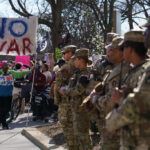
Discontent is also brewing within the Labor Party’s own ranks. The activist group Labor Against War, led by former senator Doug Cameron, expressed deep disappointment in the government’s stance. Cameron characterized the administration’s support for the strikes as a "sycophantic capitulation to militarism," arguing that the Labor Party has abandoned its historical commitment to pursuing peace through independent foreign policy.

The Role of Joint Defense Facilities and Pine Gap
One of the most sensitive issues arising from the strikes is the potential involvement of Australian-based military and intelligence facilities. Intelligence experts have long suggested that the Pine Gap surveillance base in the Northern Territory and the North West Cape communication station in Western Australia play critical roles in U.S. military operations in the Middle East. These facilities provide the satellite tracking and signals intelligence necessary for precision-guided munitions.
When asked directly whether these facilities were used to facilitate the overnight bombings, Minister Wong declined to comment. The government’s standard "neither confirm nor deny" policy regarding Pine Gap has done little to satisfy critics like Senator Waters, who argued there is a "strong likelihood" that Australian infrastructure provided direct or indirect assistance to the campaign. The lack of prior notification raises further questions about whether the U.S. can utilize these joint facilities for major combat operations without first consulting the Australian executive branch.
Regional Travel Chaos and Flight Cancellations
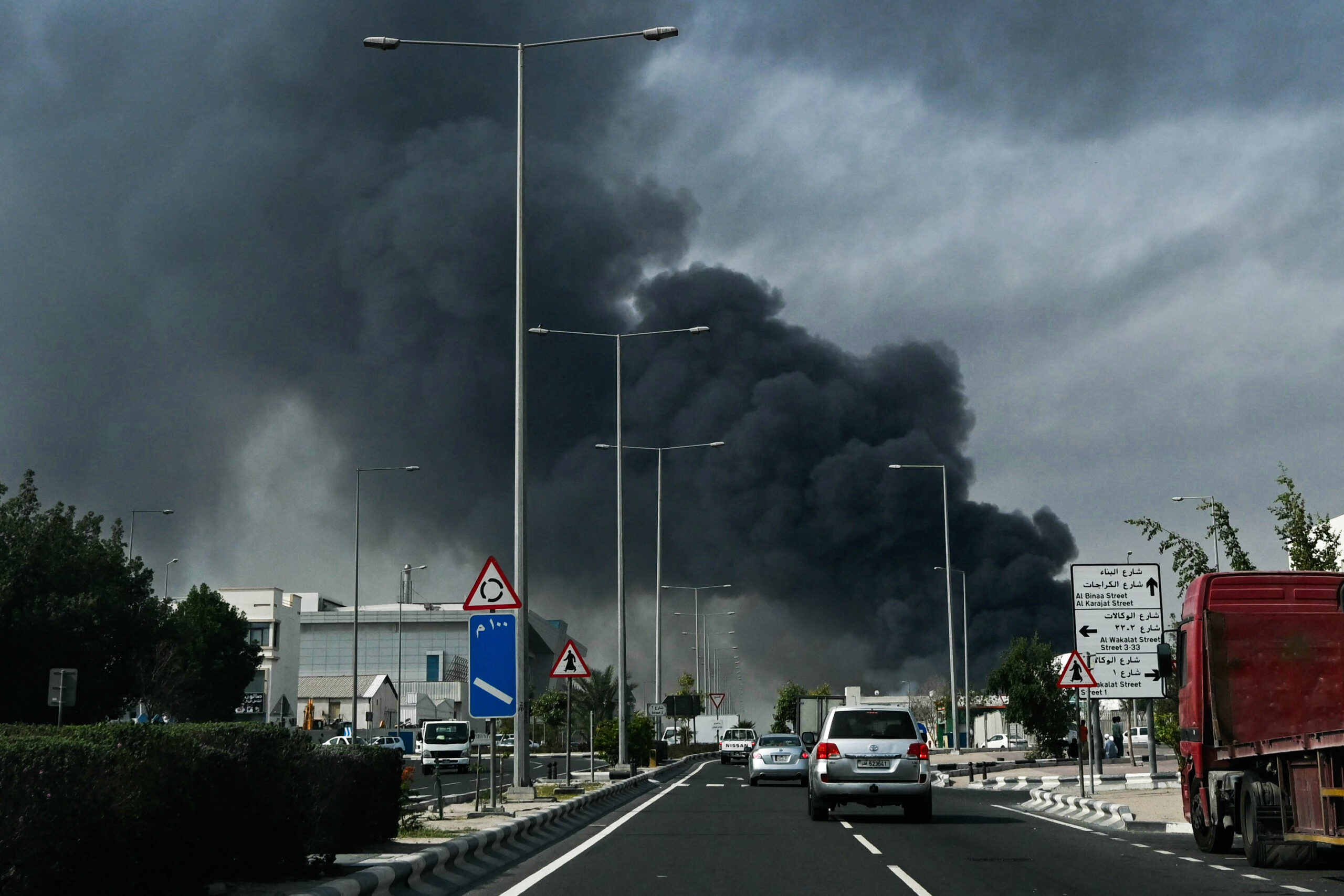
The immediate fallout of the strikes has been felt most acutely by the thousands of travelers moving between Australia and Europe. Major Middle Eastern transit hubs, including Dubai, Abu Dhabi, and Doha, faced significant disruptions as regional airspace was abruptly shuttered. Emirates, Etihad, and Qatar Airways were forced to cancel or divert dozens of flights, leaving Australian citizens stranded in airport terminals across the globe.
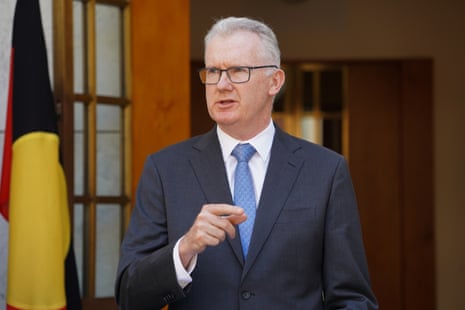
Virgin Australia reported that four Qatar Airways flights bound for Doha were forced to turn back mid-flight. Emirates suspended all operations in and out of Dubai, citing the safety of passengers and crew as its "highest priority." Home Affairs Minister Tony Burke urged Australians currently in the region to utilize any available commercial options to leave immediately. The government has upgraded travel advice to "Do Not Travel" for several countries, including Israel, Lebanon, and Qatar, warning that the situation remains fluid and highly volatile.
A History of Tensions Between Canberra and Tehran
The Australian government’s swift support for the U.S. position is rooted in a deteriorating bilateral relationship with Iran. In 2024, Australian security agencies reportedly foiled at least two Iranian-directed plots on Australian soil aimed at members of the Jewish community. These incidents led to the expulsion of Iran’s ambassador last year and a significant cooling of diplomatic ties.
Prime Minister Anthony Albanese, in a statement released ahead of a National Security Committee meeting, highlighted the Iranian regime’s "brutal acts of violence and intimidation." He noted that the regime has been responsible for the deaths of thousands of its own citizens during internal crackdowns on protesters. Liberal frontbencher Andrew Hastie, a veteran of the Special Air Service (SAS), echoed these sentiments, labeling Iran an "enemy of Australia" and suggesting that the U.S. strikes are "setting the conditions for regime change."
Allegations of Civilian Casualties and International Law
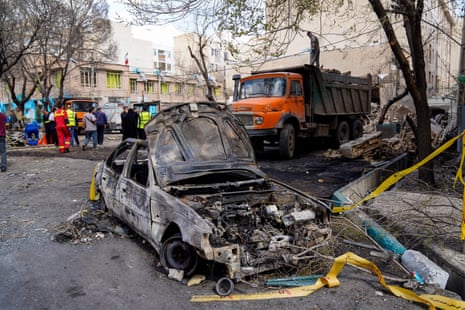
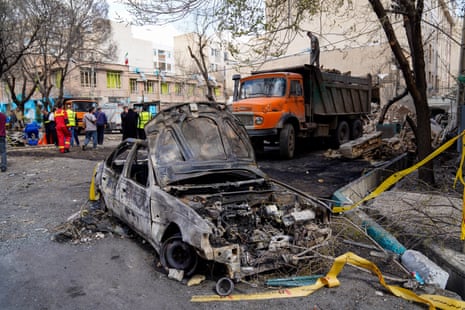
As the smoke clears over Tehran and other major Iranian cities, the humanitarian impact of the strikes is coming into focus. While the U.S. and Israel have claimed the targets were limited to nuclear facilities and military command centers, reports of collateral damage are surfacing. The Greens’ assertion regarding the elementary school strike has not been independently verified, but it has added fuel to the argument that the operation may have exceeded the bounds of proportional self-defense.
International law experts are currently scrutinizing the "legal basis for attacks" that Minister Wong alluded to. Under the United Nations Charter, military action is generally only permissible in self-defense or when authorized by the Security Council. The unilateral nature of this strike, combined with the lack of a direct, immediate provocation from Iran in the hours leading up to the bombing, creates a complex legal landscape that Canberra seems hesitant to navigate publicly.
Strategic Implications for the Indo-Pacific
While the conflict is centered in the Middle East, the strategic repercussions extend to the Indo-Pacific. Analysts suggest that the U.S. decision to bypass notification for a major ally like Australia indicates a high-stakes environment where operational security takes precedence over diplomatic protocols. This could lead to a reassessment of how the AUKUS partnership and other defense treaties function during periods of rapid escalation.
The Australian government’s National Security Committee is expected to remain in permanent session over the coming days to monitor the potential for Iranian retaliation. With the Strait of Hormuz—a vital artery for global oil supplies—potentially at risk, the economic consequences for Australia could be severe. Rising fuel prices and supply chain disruptions are anticipated if the conflict transitions into a prolonged regional war.
The road ahead for the Albanese government involves managing a fractured domestic front while maintaining its "bedrock" alliance with the United States. As calls for transparency regarding Pine Gap grow louder and the humanitarian toll in Iran becomes clearer, the administration faces increasing pressure to define exactly what it means to support an ally that keeps it in the dark. For now, the focus remains on the safety of Australians abroad and the hope that the "legal basis" requested by Minister Wong is eventually provided to the satisfaction of the international community.