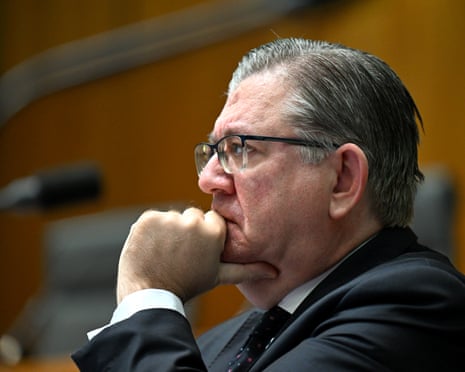
The Australian Liberal Party is bracing for a high-stakes internal power struggle as members gather for a 9:00 a.m. party room ballot that could see the ousting of Opposition Leader Sussan Ley. Angus Taylor, the former energy minister and a prominent figure in the party’s conservative wing, is positioned to challenge Ley for the leadership following a week of escalating internal dissent. While the leadership position remains the primary focus, the race for the deputy role has also intensified, though former Assistant Minister Tim Wilson officially withdrew his name from consideration early Friday morning.
The impending Liberal leadership spill comes just nine months after Ley assumed the role, marking one of the shortest leadership tenures in the party’s history. Political analysts suggest that the challenge reflects broader anxieties within the Coalition regarding its ability to "cut through" the current Labor government’s narrative. Taylor’s supporters have expressed confidence that they have secured the necessary numbers to trigger a change, citing a need for a more aggressive policy platform and a "sharper" leadership style to combat Prime Minister Anthony Albanese’s administration.

The Dynamics of the Liberal Leadership Spill
The Liberal leadership spill was catalyzed by a series of frontbench resignations and public declarations of support for Taylor. Allies of the challenger, including Member of Parliament Phil Thompson, have argued that the party requires a fundamental shift in direction. Thompson, who formally requested the spill motion, dismissed concerns that dumping the party’s first female leader would alienate women voters. He contended that the issue was one of "incompetency" and leadership strength rather than gender, suggesting that the electorate in regions like Townsville is more concerned with policy results than identity politics.
Ley, however, retains a core group of loyalists who argue she has not been given sufficient time to establish her vision. Senator Paul Scarr, a vocal supporter of the incumbent, described the situation as a "fait accompli" for Taylor but insisted that Ley had earned the right to lead the party into the next election cycle. Scarr and others have warned that frequent leadership changes risk projecting an image of instability to the Australian public, echoing the chaotic leadership cycles that plagued both the Liberal and Labor parties over the last two decades.
Tim Wilson and the Search for a New Deputy
As the party prepares for the ballot, the question of who will serve as Taylor’s second-in-command has become a central point of speculation. Tim Wilson, who has frequently been mentioned in discussions regarding future party leadership, took to social media to quell rumors about his intentions. Wilson stated clearly that he has "no interest" in the deputy leadership role at this time, emphasizing his commitment to his constituents and his desire for a nation built on "respect and hard work."
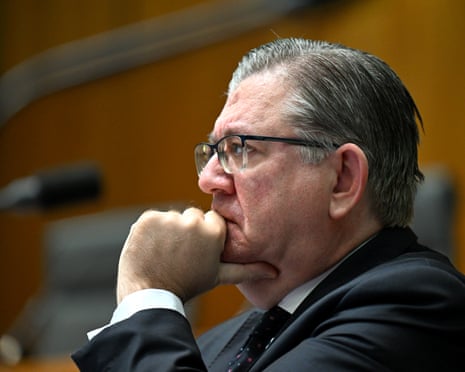
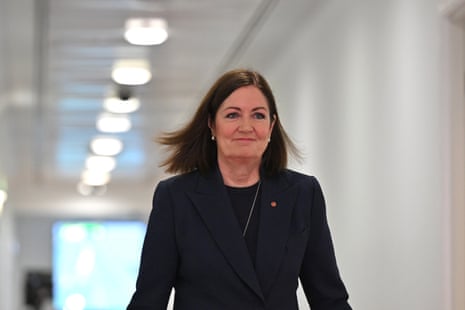
With Wilson out of the running, the focus has shifted to Senator Jane Hume and Dan Tehan. Hume confirmed her candidacy for the deputy role on Friday morning, positioning herself as a candidate for change. She characterized the current state of the Liberal Party as being at a "critical juncture" and praised Ley’s hard work while noting that the party’s messaging was failing to resonate with the broader public. Tehan, another experienced frontbencher, is also expected to contest the position, setting the stage for a dual-layered contest within the party room.
Historical Context of the Liberal Leadership Spill
If Sussan Ley is defeated in the upcoming ballot, her nine-month tenure will place her among the shortest-serving opposition leaders in Australian history. She currently sits just shy of Brendan Nelson’s nine-month and 13-day term. The record for the shortest leadership stint in the Liberal Party remains held by Alexander Downer, who served for eight months and eight days in the mid-1990s.
The frequency of these leadership spills highlights a recurring theme of volatility within the Coalition when in opposition. Supporters of Taylor argue that a quick transition is necessary to avoid the "death by a thousand cuts" that occurs when a leader lacks the full confidence of their caucus. Conversely, critics of the spill suggest that the party is repeating the mistakes of the past, prioritizing internal factionalism over the development of a coherent national policy.

Broader Political Impact: The Stolen Generations Anniversary
While the Liberal leadership spill dominates the headlines in Canberra, the nation is also observing the 18th anniversary of the National Apology to the Stolen Generations. Prime Minister Anthony Albanese is scheduled to address a commemorative breakfast at Parliament House, where he is expected to announce an $87 million boost for support services. This funding is intended to assist survivors with family tracing and reunification efforts, emphasizing that the 2008 apology delivered by Kevin Rudd was a "call to action" rather than a final gesture.
The intersection of this solemn anniversary and the "political theater" of a leadership spill has drawn criticism from some quarters. Observers have noted that the timing of the Liberal internal conflict—occurring as the nation reflects on a significant moment of reconciliation—risks making the opposition appear distracted and out of touch with national priorities. Albanese is expected to use his address to highlight the government’s commitment to the "Closing the Gap" framework, contrasting his administration’s focus on Indigenous outcomes with the opposition’s internal turmoil.
International Security and the Herzog Visit
Adding to the week’s complex political landscape is the conclusion of Israeli President Isaac Herzog’s visit to Australia. The visit was marked by significant protests in Melbourne and Sydney, reflecting deep domestic divisions over the ongoing conflict in the Middle East. In Melbourne, approximately 10,000 demonstrators gathered at Flinders Street Station in a largely peaceful protest, though minor scuffles were reported.
In Sydney, however, the security situation was more volatile. New South Wales police have charged a 45-year-old man with stalking after he allegedly followed President Herzog’s motorcade across the city. Authorities allege the man filmed the foreign leader while using offensive language and repeatedly drove past a childhood education center. This incident follows a series of arrests earlier in the week during anti-Herzog rallies that turned violent, resulting in multiple charges for assault and resisting arrest.
Herzog, in his final address before departing, expressed a sense of "renewed hope," praising the resilience of the Australian Jewish community. He noted that his discussions with Australian leaders regarding antisemitism and misinformation were conducted with "mutual respect," despite the protests occurring outside.
Economic Developments and the RBA Appointment
Amid the political and social news, Treasurer Jim Chalmers announced a significant appointment to the Reserve Bank of Australia’s (RBA) interest-rate setting board. Bruce Preston, an economics professor at the University of New South Wales, will join the nine-member monetary policy board for a five-year term starting in March. Preston replaces Alison Watkins, whose term concludes after five years of service.
The appointment is seen as a move to bolster the board’s technical expertise following a comprehensive review of the RBA’s governance. Preston, a highly respected macroeconomist with previous experience at the central bank and the Treasury, is expected to provide a steady hand as the RBA navigates a challenging economic environment. Financial markets are currently monitoring the board’s next steps closely, with speculation mounting regarding a potential interest rate hike in the second quarter of the year.
Future Implications of the Liberal Leadership Spill
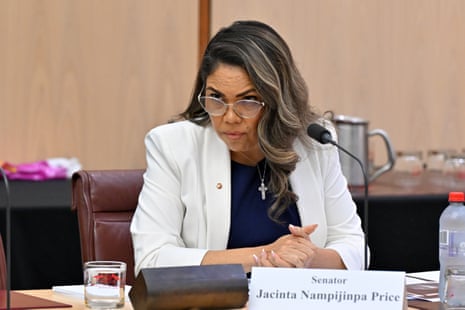
The outcome of the Liberal leadership spill will have immediate consequences for the party’s shadow cabinet. Allies of Angus Taylor, such as Jacinta Nampijinpa Price and Sarah Henderson, are widely expected to return to prominent frontbench positions if Taylor is successful. Price, who was moved to the backbench under Ley’s leadership, told reporters she was "champing at the bit" to return to a senior role and inject "chutzpah" back into the party’s ranks.
Regardless of the winner, the Liberal Party faces the daunting task of unifying a fractured base. Jane Hume emphasized that the most important step following the ballot is for the team to come together as a "united front." However, the deep-seated ideological differences between the party’s moderate and conservative wings suggest that achieving true unity may remain elusive.

As the 9:00 a.m. ballot approaches, the "big house on the hill" remains the center of Australian political gravity. The results will not only determine the future of Sussan Ley and Angus Taylor but will also signal the strategic direction of the Coalition as it prepares for the next federal election. With the national apology anniversary and international security concerns providing a sobering backdrop, the Liberal leadership spill serves as a stark reminder of the volatile nature of contemporary Australian politics.