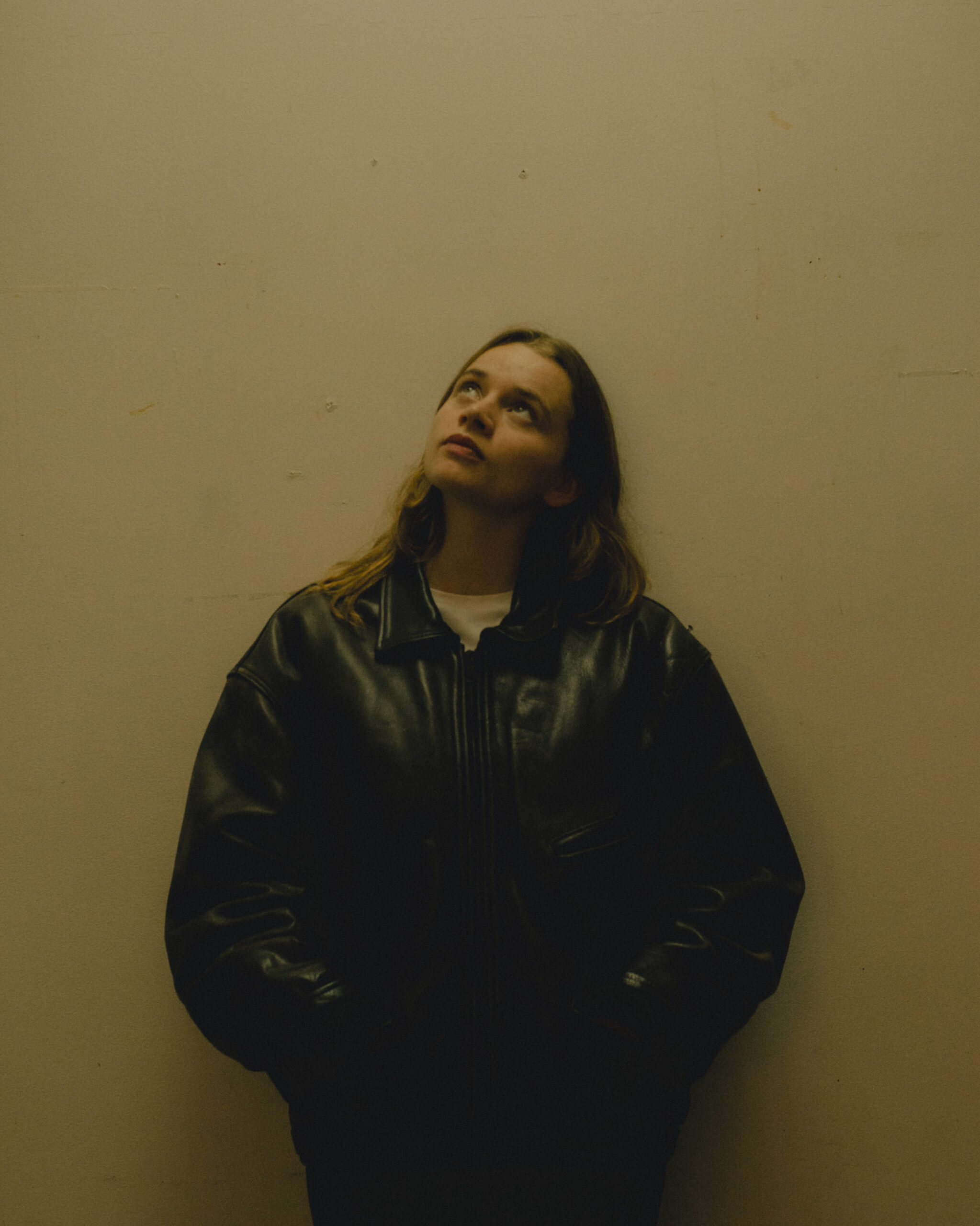
Berlin-based actress Luna Wedler, 26, has rapidly ascended to international acclaim, earning a Marcello Mastroianni Award at the Venice Film Festival last fall, a decade after her accidental entry into the profession. Known for her fearless portrayals of complex characters across streaming platforms and festival circuits, Wedler’s journey from a serendipitous casting call in Zurich to a celebrated European talent underscores a conscious commitment to challenging roles over conventional stardom. Her recent accolade for her powerful performance in Ildikó Enyedi’s Silent Friend cemented her status as a formidable presence in contemporary cinema.

Wedler’s path into acting began at age 14, when she accompanied friends to an open casting call in Zurich and unexpectedly secured a role in Niklaus Hilber’s Amateur Teens. This initial foray into filmmaking was not the fulfillment of a childhood dream, but rather a transformative discovery. She described the experience as a "rescue," providing direction during a formative period of adolescence. This unexpected beginning quickly evolved into a profound passion, which she candidly describes as her "great love, almost an addiction." The immediacy and spontaneity of her first time in front of the camera, characterized by an ability to "listen and fall," laid the groundwork for her intuitive approach to acting.
From the outset, Wedler demonstrated a clear gravitation toward emotionally demanding material, eschewing lighter fare. Her first lead role in Lisa Brühlmann’s 2017 psychological thriller Blue My Mind saw her embody a teenage girl navigating a turbulent coming-of-age, marked by sexual exploration, drug use, and unsettling bodily transformations. This performance, lauded for its intensity and raw vulnerability, immediately signaled Wedler’s courage and a willingness to delve into the depths of human experience. She later reflected on this period, noting her youthful capacity to "fall deeply into emotions" but acknowledging the subsequent learning curve in regulating and detaching from such intense roles. The film resonated deeply with her personal growth, as she played a character mirroring her own age and exploration of identity.

The critical success of Blue My Mind paved the way for a broader breakthrough in Germany with 2018’s The Most Beautiful Girl in the World. This modern adaptation of Cyrano de Bergerac repositioned the classic narrative, focusing on Wedler’s sharp, witty, and defiantly contemporary character, Roxy. The film’s popularity propelled her into the national spotlight, with many speculating she would become Germany’s next romantic comedy darling. The sudden surge in public attention was unexpected for Wedler, who recalls being overwhelmed by the scale of the Berlin premiere, highlighting her focus on the craft rather than the accompanying fame.
Despite the momentum generated by The Most Beautiful Girl in the World, Wedler made a deliberate strategic choice to pivot away from typecasting. She actively resisted a career path laden with similar romantic comedies, instead seeking projects with darker, more complex political and psychological dimensions. This decision often meant declining roles, a luxury not always afforded to emerging actors, but one she credits to fortunate opportunities and a strong agent. Her criteria for selecting scripts are deeply intuitive, demanding that a story "touch, surprise, irritate, even confuse" her, reflecting a desire to explore the nuances of human nature and foster empathy.

This conscious redirection led her to critically acclaimed projects like Christian Schwochow’s 2021 drama Je suis Karl, where she portrayed a terrorism survivor ensnared by a far-right movement. The film, recognized for its unflinching look at extremist ideologies, remains profoundly relevant amid contemporary global political shifts. Wedler views such roles as a means of expressing her political stance, asserting that her films serve as a direct reflection of her opinions on societal issues. Her commitment extends to challenging outdated portrayals of women in cinema, advocating for characters that defy clichés and represent authentic, multifaceted human experiences, even within historical contexts.
Her foray into series television further solidified her global reach with Netflix’s techno-thriller Biohackers. As one of the streaming giant’s inaugural German global hits, the series saw Wedler star as an obsessive medical student unraveling ethically dubious genetic experiments. The show not only introduced her to a vast international audience but also offered a new creative challenge: sustaining a character’s journey over multiple episodes. The sheer scale of Netflix’s platform brought an unprecedented level of public recognition, with fans still inquiring about future seasons years after its run, though Wedler maintains her focus on the work itself, detached from the pressure of widespread attention.

The culmination of her decade-long dedication arrived at the Venice Film Festival, where she received the prestigious Marcello Mastroianni Award for best young actor for her role in Ildikó Enyedi’s Silent Friend. The award, a significant marker of emerging talent in international cinema, was a moment of profound personal and professional recognition for Wedler, who described feeling "overwhelmed in the best way." This honor not only celebrated her performance but also underscored the European industry’s acknowledgment of her consistent growth and versatility.
Wedler’s preparation for roles remains deeply intuitive, though it has evolved with experience. While historical roles necessitate extensive research through texts, photographs, and videos, fictional characters prompt a more introspective process, involving meditation, diary keeping, and intensive dialogue with directors. Ultimately, she emphasizes the magical, uncontrollable element that emerges once filming begins, a dynamic she finds "addictive." Despite her achievements, Wedler admits to a persistent sense of insecurity, a common sentiment among actors, but views it as a necessary catalyst, transforming fear into excitement. She sees her ten years in the industry not as a plateau but as a continuous beginning, fueled by gratitude and a relentless curiosity.

Looking ahead, Wedler expresses a surprising desire to explore genres outside her established repertoire. She harbors a keen interest in tackling a "proper action film" or a compelling comedy, roles that would showcase her physical prowess and versatility beyond her customary serious, psychological dramas. She also seeks to embody characters she might personally dislike, exploring darker, unsettling facets of humanity, or venturing into fantasy. Her upcoming projects include Alina Marazzi’s The Girl with the Leica, a biographical film about photographer Gerda Taro, and Frauke Finsterwalder’s Eurotrash, signaling a continued commitment to auteur-driven, thought-provoking cinema. Wedler’s career trajectory is a testament to the power of intuitive decision-making and an unwavering dedication to the art of storytelling, positioning her as a vital and evolving voice in global cinema.