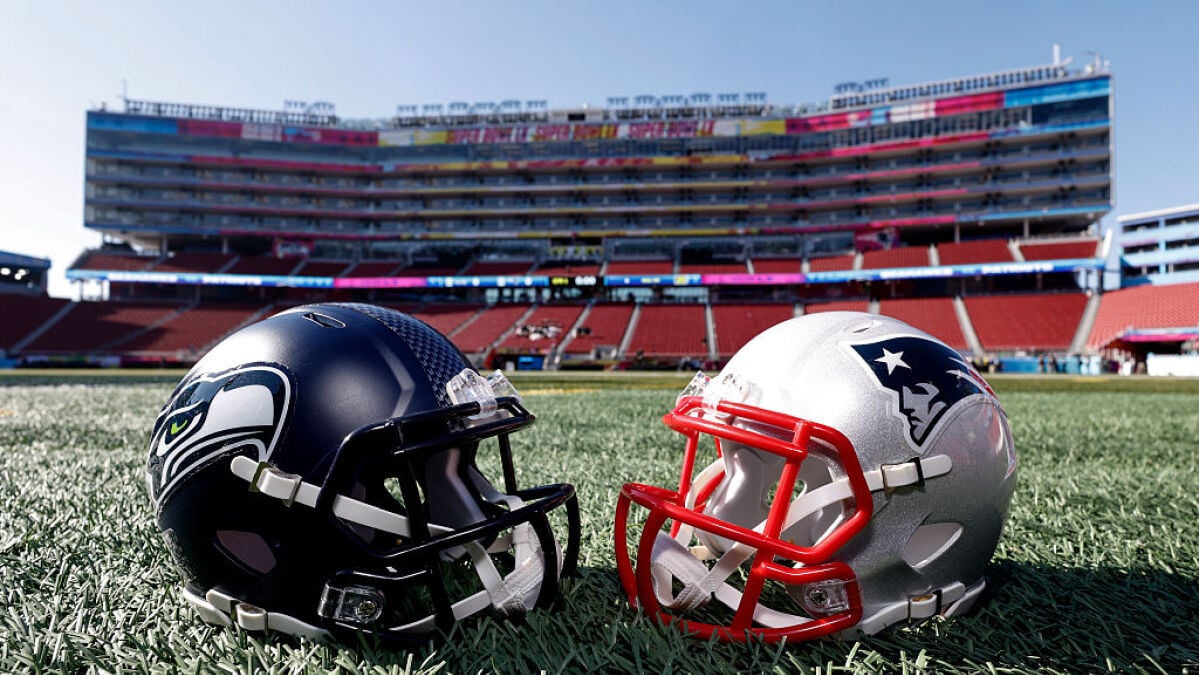
Super Bowl LX has arrived, bringing with it a record-breaking slate of high-budget marketing campaigns that define the current cultural and technological landscape. Advertisers reportedly paid upwards of $7.5 million for 30-second spots during the broadcast, focusing heavily on generative artificial intelligence, celebrity-driven humor, and musical nostalgia to capture the attention of a projected 120 million viewers. The annual event remains the most expensive and high-stakes environment for the advertising industry, with many brands releasing their content days in advance to maximize digital engagement.
The 2026 lineup reflects a significant shift in corporate messaging, moving away from the speculative financial products of previous years toward the practical and satirical applications of AI. As brands compete for the title of the best Super Bowl commercials 2026, the dominant themes include the "humanization" of technology and the return of 1980s and 1990s pop culture icons. From high-stakes tech rivalries to unexpected celebrity makeovers, the commercials of Super Bowl LX offer a snapshot of a consumer market caught between rapid innovation and a desire for familiar comforts.
The Artificial Intelligence Arms Race in 2026
The most significant narrative of the 2026 commercial slate is the open competition between major artificial intelligence firms. Anthropic, a primary competitor in the LLM (Large Language Model) space, utilized its airtime to directly challenge OpenAI’s market dominance. In a series of provocative spots, Anthropic mocked the recent decision by OpenAI to integrate traditional advertising into the ChatGPT interface. By positioning itself as the "cleaner" and more user-focused alternative, Anthropic signaled a new phase of aggressive brand-to-brand combat within the AI sector.
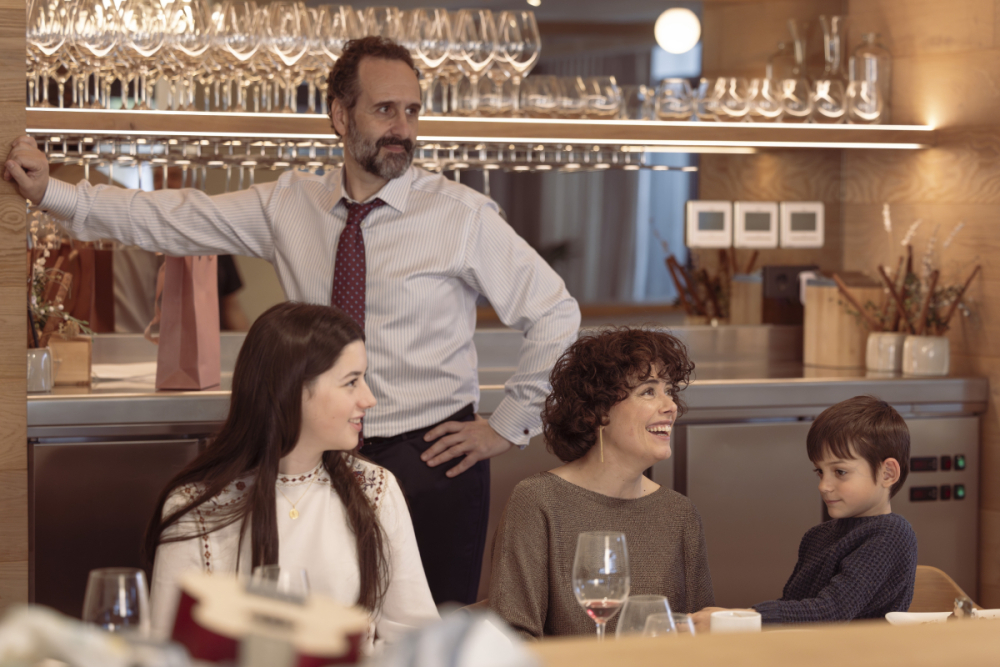
Google also entered the fray with its "New Home" campaign, which sought to address growing public anxiety regarding the cold, abstract nature of machine learning. The advertisement follows a mother and son moving into a vacant house, where Google’s Gemini AI is used to visualize and "fill" the rooms based on the child’s imagination. Industry analysts suggest this move is a strategic attempt to frame AI as a collaborative domestic tool rather than a threat to job security or human creativity. This "soft-sell" approach contrasts sharply with the more technical demonstrations seen in previous years.
Meanwhile, the startup Base44 introduced the concept of "vibe coding" to a mass audience. Their commercial features office workers witnessing an AI program generate a fully functional application through simple voice commands. While the ad emphasizes the ease of creation, it has already sparked debate among software engineers regarding the security and stability of such "on-demand" software. The inclusion of such a niche tech concept in a Super Bowl spot highlights how quickly specialized AI terminology is entering the mainstream lexicon.
Celebrity Rebrands and the Best Super Bowl Commercials 2026
Celebrity endorsements remained a cornerstone of the broadcast, though many brands opted for subversive or transformative portrayals of their stars. One of the most discussed entries in the quest for the best Super Bowl commercials 2026 was the collaboration between German engineering firm Bosch and culinary personality Guy Fieri. Known for his "Flavortown" persona, Fieri appeared clean-shaven and in a business-casual wardrobe for the first half of the "Like a Bosch" spot. The sudden transition back to his signature spiked hair and flame-patterned shirts upon using Bosch power tools served as a high-energy metaphor for the brand’s supposed "transformative" power.
Amazon took a darker, more comedic route with actor Chris Hemsworth. In a campaign for the "Alexa Plus" subscription tier, Hemsworth is depicted in a state of escalating paranoia, convinced that the increasingly intelligent virtual assistant is plotting his demise. The ad culminates in a physical standoff between the actor and a bear, all while the Alexa device maintains a calm, helpful demeanor. Marketing experts point to this as a "meta-commentary" on the public’s love-hate relationship with smart-home surveillance and the perceived loss of privacy in the digital age.
The Comedy of Corporate Chaos
The 2026 commercials also leaned heavily into "cringe comedy" and the frustrations of the modern workplace. Rippling, an HR and payroll software company, leveraged the popularity of Tim Robinson following the success of his latest project, The Chair Company. Robinson’s signature "unhinged" performance style was used to illustrate the chaos of global payroll mismanagement. The ad features Robinson spiraling into a rage after a pay discrepancy, a scenario that resonated with the growing demographic of remote and international workers who have experienced the complexities of modern corporate bureaucracy.
In the food and beverage sector, Hellmann’s continued its streak of high-concept humor by enlisting Andy Samberg. Playing a character named "Meal Diamond"—a parody of legendary crooner Neil Diamond—Samberg performed a passionate ballad dedicated to mayonnaise. This "nostalgia-plus-absurdity" formula has become a staple for Hellmann’s, which consistently ranks among the most-shared ads on social media following the game. The use of ’80s-inspired aesthetics and parody songs appears to be a calculated move to appeal to both Gen X and younger viewers who consume retro content ironically.
Musical Revivals and Parody Performances
Nostalgia was not limited to parody, as T-Mobile reunited the Backstreet Boys for a promotional campaign in Times Square. The boy band performed modified versions of their hits to explain the benefits of switching phone plans, continuing T-Mobile’s long-standing tradition of using musical acts to simplify complex pricing structures. The "boy band" trend in 2026 marketing reflects a broader effort to capture the "millennial nostalgia" market, which now represents a significant portion of the Super Bowl’s prime spending demographic.
State Farm and Instacart also utilized musical parodies to differentiate themselves in a crowded market. State Farm paired Danny McBride and Keegan-Michael Key for a rendition of Bon Jovi’s "Livin’ on a Prayer," portraying a rival insurance company that fails to provide adequate coverage. Instacart, on the other hand, featured an unlikely duo: singer Benson Boone and veteran actor Ben Stiller. The two engaged in an ’80s-themed acrobatic performance centered on the delivery of bananas, highlighting the platform’s speed and reliability through high-energy physical comedy.
Legacy Brands and the Saltiest Social Commentary
While tech and comedy dominated the headlines, legacy brands like Budweiser and Ritz focused on traditional storytelling with modern twists. Budweiser returned to its iconic Clydesdale horses, a move that is often viewed as a "safe" play to maintain brand loyalty among older viewers. However, the 2026 spot included subtle nods to modern environmental sustainability, reflecting the brand’s evolving corporate responsibility goals.
Ritz crackers opted for a more conversational and socially relevant approach, casting Jon Hamm and Bowen Yang as two individuals "salty" about being excluded from an exclusive island party. The wordplay on "salty" crackers allowed the brand to engage with modern slang while showcasing the chemistry between the two actors. This type of celebrity banter is designed to feel less like a traditional commercial and more like a comedic sketch, a trend that continues to gain traction as viewers increasingly "tune out" traditional sales pitches.
Economic Impact and Cultural Significance
The release of the best Super Bowl commercials 2026 marks more than just a marketing milestone; it serves as a barometer for the health of the U.S. advertising economy. With inflation stabilizing and consumer spending remaining resilient, corporations showed a willingness to invest heavily in "eventized" marketing. The shift toward AI-centric messaging indicates that the technology has moved past the "hype" phase and is now being integrated into the core identity of consumer brands.
Furthermore, the integration of these commercials into social media platforms like TikTok, Instagram, and X (formerly Twitter) has extended the lifespan of a 30-second spot from a single night to a multi-week cultural event. The data gathered from these "early releases" and "extended cuts" allows brands to track sentiment in real-time, often influencing their marketing strategies for the remainder of the fiscal year.
As the night concludes and viewers debate which spots truly earned the title of the best Super Bowl commercials 2026, the influence of these ads will continue to be felt across the retail and tech sectors. Whether through the lens of AI innovation, celebrity-driven satire, or musical nostalgia, the commercials of Super Bowl LX have set a new standard for how brands communicate in an increasingly fragmented media landscape. The success of these campaigns will likely be measured not just in immediate sales, but in their ability to remain part of the public conversation long after the final whistle has blown.