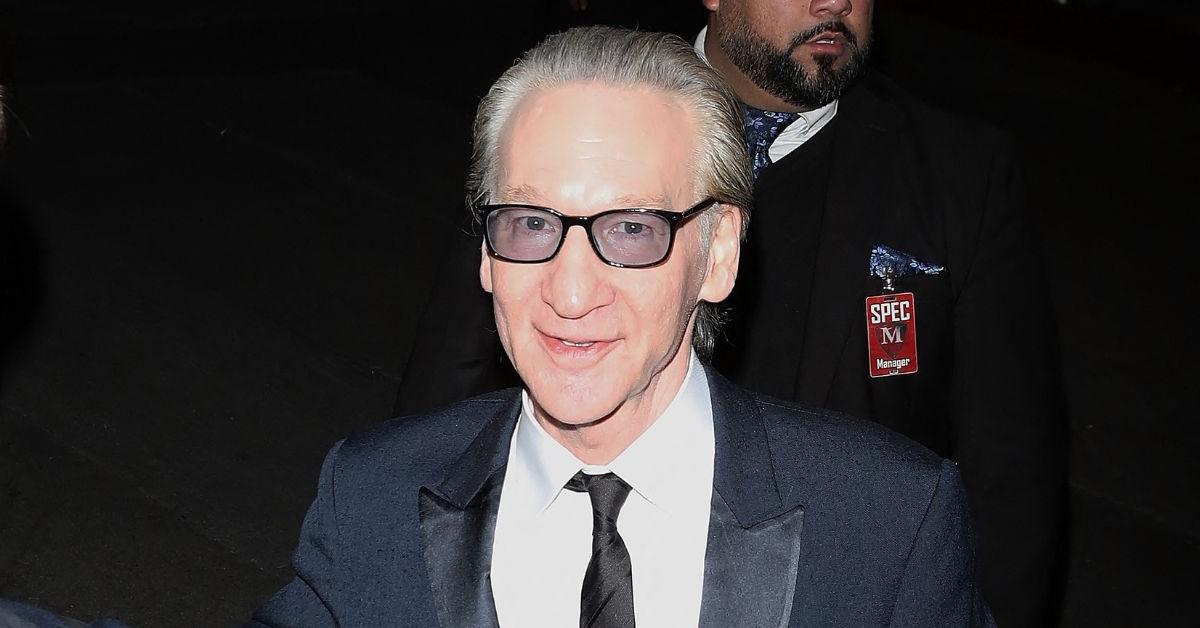
Veteran HBO host Bill Maher has issued a pointed warning to the Democratic Party, advising a significant shift in strategy by urging celebrities to disengage from overt political activism for the sake of electoral victory. The long-standing political commentator, known for his incisive critiques across the political spectrum, suggested that Hollywood’s "woke left" influence is actively undermining Democratic chances, bluntly stating that celebrity interventions are "not helping" and that they should "just shut the f— up."
Maher’s remarks, made during an interview with the California Post, underscore a growing concern among some political strategists about the efficacy and potential drawbacks of celebrity endorsements and public political displays. His commentary positions Hollywood as an "epicenter" whose progressive leanings, while perhaps well-intentioned, may be out of step with the broader electorate and alienating to crucial swing voters.
Maher’s Core Argument on Hollywood Influence
The essence of Maher’s argument centers on the perceived disconnect between the often highly progressive views prevalent in entertainment circles and the more moderate sentiments of many American voters. He contends that while celebrities may feel compelled to use their platforms for social and political causes, the manner and content of their activism frequently backfire, creating an image for the Democratic Party that is perceived as elitist or out of touch. This sentiment is particularly potent in an era marked by deep cultural divides and increasing political polarization.
Context of Celebrity Activism
Celebrity political engagement is far from a new phenomenon, with stars historically lending their voices and visibility to various causes and campaigns. From the civil rights movement to environmental advocacy, prominent figures have often utilized their fame to draw attention to issues and influence public opinion. However, the nature of this activism has evolved, particularly with the advent of social media, allowing for instantaneous and widespread dissemination of views. Recent instances, such as musicians altering song lyrics to convey political messages or actors sporting political pins at high-profile events, exemplify the contemporary trend Maher critiques. While such actions aim to galvanize support within a progressive base, Maher suggests they may inadvertently reinforce negative stereotypes about the Democratic Party among undecided or conservative-leaning voters.
The "Woke Left" and Public Perception
The term "woke left" has become a flashpoint in contemporary political discourse, often used by critics to describe progressive ideologies perceived as overly sensitive, radical, or detached from mainstream concerns. Maher, a self-identified liberal who frequently challenges elements of progressive orthodoxy, highlights this label as a significant liability for Democrats. He posits that Hollywood’s embrace of certain "woke" tenets, when amplified by celebrity voices, contributes to a public perception that the Democratic Party is more concerned with niche cultural issues than with bread-and-butter economic or national security matters. This perception, he argues, can be detrimental to the party’s ability to forge broad coalitions necessary for electoral success.
Strategic Shift for Democrats
Maher’s advice implicitly calls for a strategic re-evaluation within the Democratic Party. For decades, celebrity support has been seen as a valuable asset, capable of fundraising, mobilizing voters, and adding glamor to political campaigns. However, Maher’s critique suggests that this reliance might now be counterproductive, particularly in competitive electoral environments. The party, he implies, needs to prioritize messaging that resonates with a wider demographic, focusing on policies and principles that appeal to the center, rather than catering exclusively to its most progressive wing or to the echo chambers of Hollywood.
Broadening the Electorate
The challenge for Democrats, as Maher sees it, lies in broadening their appeal beyond traditional urban and coastal liberal strongholds. Celebrity messaging, often crafted within these liberal enclaves, can inadvertently alienate working-class voters, rural communities, or culturally conservative independents who may view such activism with skepticism or resentment. By urging a cessation of celebrity political commentary, Maher is effectively advocating for a strategy that emphasizes populist economic messages and a more inclusive, less culturally specific political identity that can bridge divides rather than exacerbate them.
Critique of One-Party Dominance
Beyond celebrity influence, Maher extended his critique to the broader issue of political power concentration, using his home state of California as a prime example. Describing California as "politically blue," he voiced concern over the dominance of a single party, asserting, "It’s just not a good thing when one party completely controls anything." This perspective aligns with classic political theory emphasizing the importance of checks and balances and robust opposition for healthy governance.

Checks, Balances, and Extremism
Maher’s observation about California’s political landscape can be extrapolated to the national level, where he also noted Republicans have been "guilty of overstepping their bounds in Washington." His overarching point is that unchecked power, regardless of the party holding it, tends to lead to policies that are less representative, more extreme, and ultimately unpopular with the electorate. He expressed a desire for both major parties to actively work towards moderating their extreme elements, fostering an environment where compromise and sensible, centrist policies can prevail. This call for moderation reflects a broader anxiety in American politics about increasing partisan polarization and the erosion of bipartisan cooperation.
The Personal Toll of Polarization
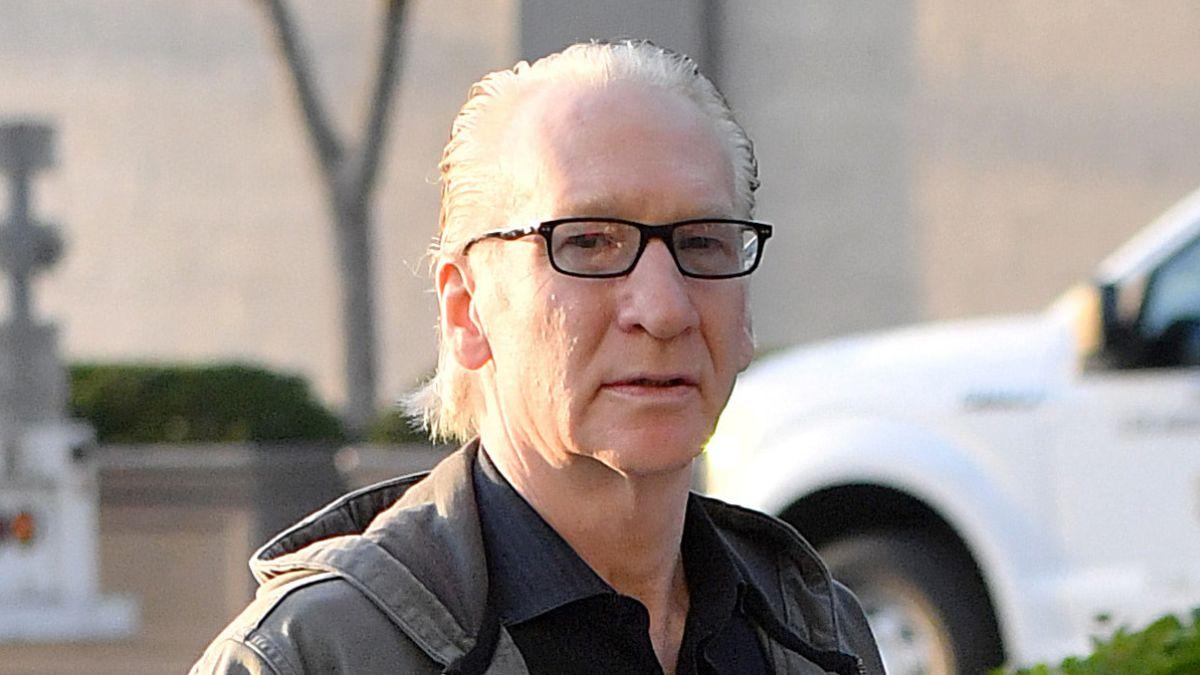
The current political climate, characterized by intense divisiveness, has evidently taken a personal toll on Maher. He recently revealed that the heightened tensions have led him to reconsider touring as a stand-up comedian. In a November 2025 episode of his "Club Random" podcast, Maher shared his apprehension, stating, "I feel like it was a great choice, because I don’t want to be out there in this country in this political atmosphere." His concern for personal safety was explicitly articulated, as he claimed, "I could get shot by the left or the right."
Comedy and Public Discourse
Maher’s reflections highlight a significant challenge for public figures, particularly comedians who often rely on provocative humor and social commentary. In a deeply polarized society, jokes or critiques that might once have been received as satire are now often interpreted through a partisan lens, potentially leading to hostile reactions from either side. His decision to scale back touring speaks to the chilling effect that extreme political animosity can have on freedom of expression and public engagement, even for seasoned commentators like Maher.
Navigating Controversial Dialogue
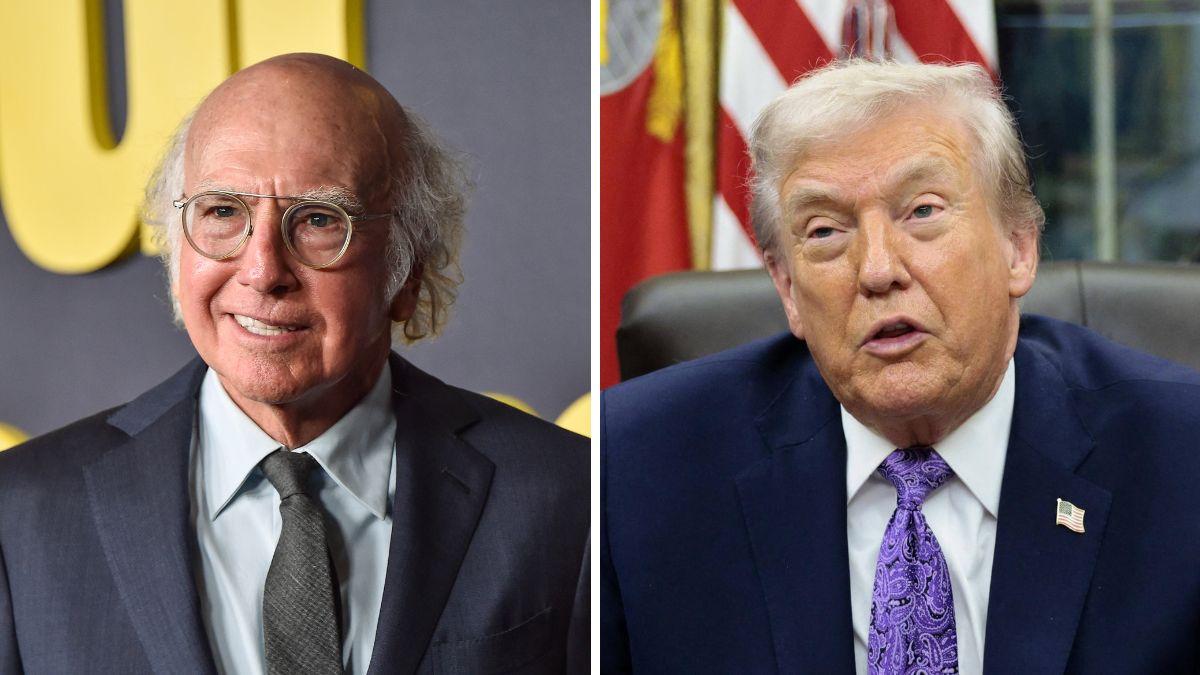
Maher also touched upon a recent column by fellow comedian Larry David, which referenced a meeting with former President Donald Trump and contained a "Hitler analogy." Maher expressed discomfort with the comparison, stating, "I don’t want to make this constantly personal with me and Larry." This brief but telling comment underscores the difficulty of navigating contentious political analogies, even among peers who share a comedic background. It also speaks to the broader sensitivity surrounding historical comparisons in political discourse, particularly those involving figures as historically charged as Hitler.
The Role of Political Commentary
As Real Time with Bill Maher continues its 24th season, Maher remains a highly influential and often provocative voice in American political commentary. His remarks on celebrity influence, one-party rule, and the perils of polarization serve as a critical reminder for the Democratic Party and, indeed, for the entire political establishment, as they chart strategies for future elections. Maher, positioned as a liberal who is unafraid to criticize his own side, often seeks to instigate constructive dialogue, even if his methods are sometimes blunt.
Looking Ahead: Democratic Strategy and the 2026 Elections
Maher’s intervention comes at a crucial juncture, as both major parties gear up for upcoming election cycles. For Democrats, his advice presents a stark choice: continue to embrace or tolerate high-profile celebrity activism, or strategically distance themselves from it to cultivate a broader, more moderate appeal. The debate over the effectiveness of celebrity endorsements versus the need for a more grounded, centrist message will undoubtedly continue to shape Democratic campaign strategies. His observations underscore the ongoing challenge for political parties to balance ideological purity with the pragmatic necessity of winning elections in an increasingly fragmented and contentious political landscape. The pursuit of "sensible, centrist policies," as advocated by Maher, may become a key consideration for Democrats aiming to regain widespread trust and secure electoral victories in pivotal races.