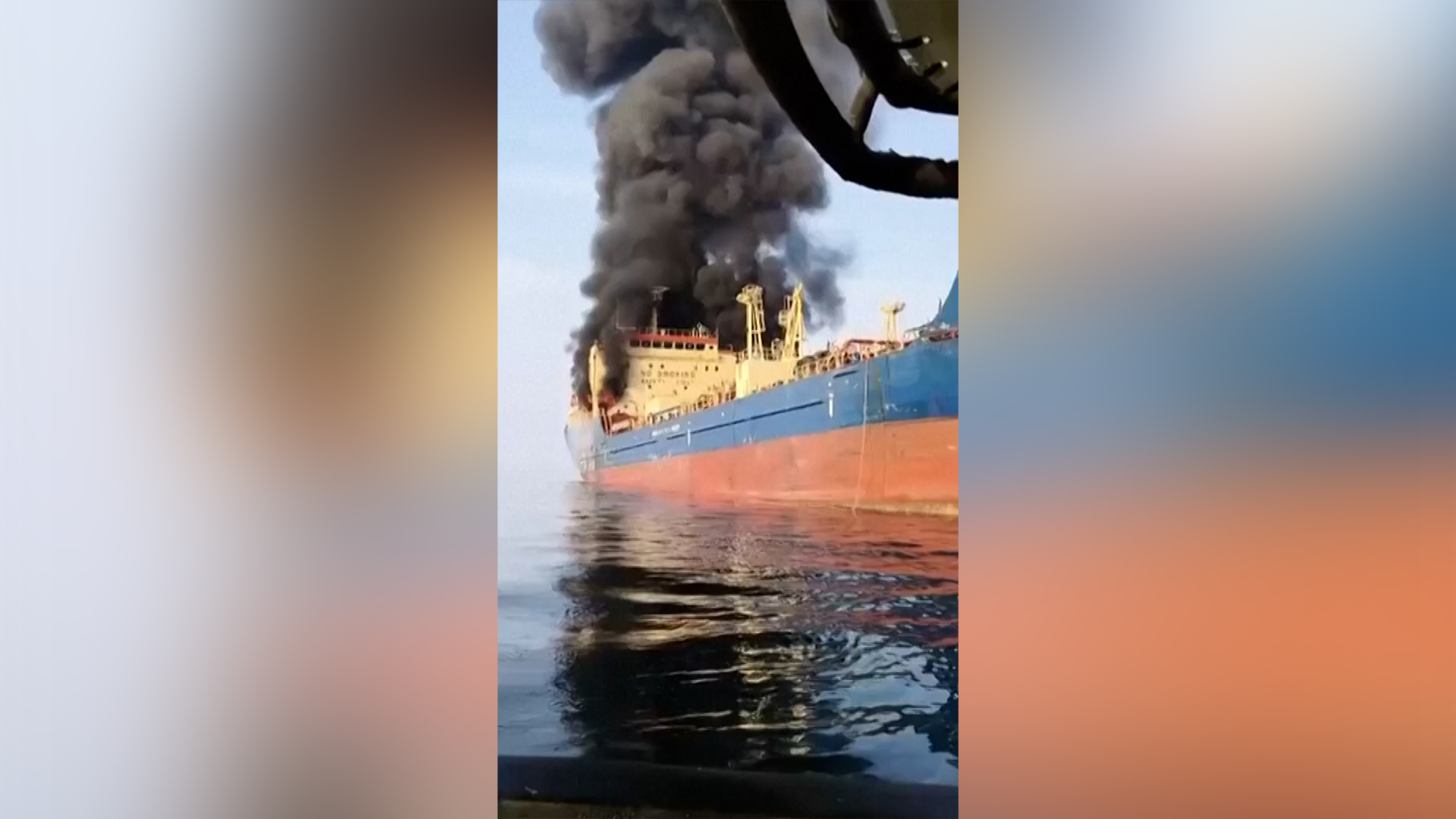
A Palau-flagged oil tanker was engulfed in thick black smoke following an apparent strike by an unidentified projectile in the waters near the Strait of Hormuz, according to Omani maritime authorities. The incident, which occurred off the coast of Oman’s Musandam peninsula, marks another alarming escalation in a region already fraught with geopolitical instability. The Omani Maritime Security Centre confirmed the hit, adding to a series of recent maritime incidents that have disrupted shipping lanes and heightened anxieties among international carriers.
Escalating Maritime Incidents Near the Strait of Hormuz
The strike on the oil tanker is the latest in a disturbing pattern of attacks targeting vessels operating in or near the strategically vital Strait of Hormuz. This narrow waterway, a chokepoint for a significant portion of the world’s oil supply, has become a focal point for regional rivalries and international concern. The incident immediately triggered alerts within global maritime security networks, prompting a reassessment of risks for vessels transiting the area.
At least three ships have reportedly been struck in the vicinity of the strait in recent times, contributing to a climate of fear and uncertainty for ship captains and their crews. More than 150 vessels, in response to the escalating threats, have strategically dropped anchor, opting to pause their journeys rather than risk entering the embattled strait. This significant number of stationary ships underscores the severity of the perceived danger and the disruption to global trade routes.
Background: A Geopolitical Hotspot
The Strait of Hormuz, connecting the Persian Gulf to the Gulf of Oman and the open ocean, is an indispensable artery for global energy markets. Approximately one-fifth of the world’s total petroleum liquids supply passes through this narrow maritime passage, making any disruption a matter of significant international consequence. Its strategic importance has long made it a stage for geopolitical maneuvering and occasional confrontations between regional powers and international forces.
Recent years have witnessed an intensification of tensions in the Persian Gulf, with incidents involving attacks on oil tankers, cargo ships, and naval vessels becoming more frequent. These events are often viewed through the lens of broader regional conflicts and rivalries, with accusations and counter-accusations frequently exchanged between nations involved. The maritime environment near the Strait of Hormuz has thus become synonymous with heightened risk, demanding constant vigilance from shipping companies and international navies.
Unidentified Projectile and Omani Response
Oman, which shares a maritime border with the Strait of Hormuz, has played a crucial role in monitoring and reporting on maritime incidents in the region. The Omani Maritime Security Centre’s confirmation of an unidentified projectile hitting the oil tanker provides a crucial piece of information, although the source and nature of the projectile remain unclear. Such ambiguity often fuels speculation and exacerbates anxieties about the potential perpetrators and their motives.
The immediate aftermath of the strike saw the tanker spewing thick black smoke, a visible testament to the damage sustained. While details regarding the extent of the damage and any potential casualties were not immediately available, the visual evidence pointed to a significant impact. The incident prompted swift response protocols from maritime authorities, including advisories to other vessels in the area and potential search and rescue operations if necessary.
The Broader Implications for Global Trade and Energy Security
The repeated targeting of vessels in this critical waterway has far-reaching implications for global energy security and international commerce. Disruptions to the flow of oil through the Strait of Hormuz can lead to significant price volatility in global energy markets, impacting economies worldwide. Oil-producing nations rely on the unimpeded passage of their exports, while importing nations depend on a steady and affordable supply.
The current situation underscores the vulnerability of global supply chains to geopolitical instability. Shipping companies face increased insurance premiums, heightened operational costs, and the constant threat of damage or loss of cargo and vessels. This economic burden is ultimately passed on to consumers in the form of higher prices for fuel and a wide range of goods. The chilling effect on maritime traffic, with over 150 ships anchoring to avoid the strait, illustrates the tangible impact on the daily operations of the global shipping industry.
Analyzing the Pattern of Attacks
The recurring nature of these attacks raises critical questions about their origins and objectives. While official statements often attribute the incidents to unidentified projectiles or maritime accidents, the strategic location and the types of vessels targeted suggest a deliberate pattern. Analysts have pointed to the involvement of state-sponsored actors or proxy groups seeking to exert pressure or disrupt the flow of oil as a means of achieving political or economic leverage.
The presence of international naval forces in the region, tasked with ensuring freedom of navigation and deterring aggression, adds another layer of complexity. These forces are often caught between maintaining security and avoiding escalation in a highly sensitive geopolitical environment. The challenge lies in identifying the perpetrators and holding them accountable while simultaneously safeguarding vital shipping lanes.
International Reactions and Calls for De-escalation
News of the latest strike inevitably triggered responses from international bodies and key global powers. Calls for restraint and de-escalation are expected to intensify, urging all parties involved to exercise caution and avoid actions that could further destabilize the region. The United Nations and various regional alliances are likely to convene discussions to address the escalating maritime security concerns.
Diplomatic efforts to foster dialogue and find peaceful resolutions to the underlying geopolitical disputes will be paramount. The international community has a vested interest in ensuring the unimpeded flow of commerce through the Strait of Hormuz and preventing a wider conflict that could have devastating global consequences. The economic and human costs of such a conflict would be immense, affecting not only the immediate region but also economies and populations across the globe.
Impact on Shipping and Crew Safety
For seafarers, the waters near the Strait of Hormuz have become increasingly perilous. The psychological toll of navigating through a zone of potential conflict, coupled with the physical risks associated with such attacks, is significant. Shipping companies are investing more in security measures, including enhanced surveillance, defensive equipment, and revised routing strategies, to protect their crews and assets.
The decision by over 150 vessels to anchor and await a safer passage highlights the collective assessment of risk within the industry. This temporary cessation of movement, while a prudent safety measure, contributes to shipping delays and can have ripple effects on global supply chains. The long-term viability of trade through this vital corridor hinges on the ability to restore a sense of security and predictability.
Looking Ahead: Navigating Uncertainty
The incident involving the oil tanker near the Strait of Hormuz serves as a stark reminder of the fragility of global maritime security. As investigations into the projectile strike continue, the international community will be closely watching for any developments that could shed light on the perpetrators and their intentions. The onus is on all stakeholders to work towards de-escalation and to reaffirm the principles of freedom of navigation.
The strategic importance of the Strait of Hormuz means that any persistent threat to its stability will continue to be a matter of global concern. The economic repercussions of prolonged disruptions can be severe, impacting everything from the price of gasoline at the pump to the availability of essential goods. Therefore, resolving the underlying geopolitical tensions and ensuring safe passage through this critical waterway remains a paramount priority for international peace and prosperity. The coming days and weeks will likely reveal the immediate consequences of this latest attack and the broader diplomatic and security responses it will provoke.