In an era where personal brand is paramount, a growing number of celebrities and public figures are strategically securing their intellectual property, trademarking not only their names but also their most recognizable catchphrases. This legal maneuver serves as a robust defense against unauthorized commercial exploitation and a means to control their lucrative images, extending from music moguls like 50 Cent to Hollywood legends such as Meryl Streep, and even political figures like Donald Trump, whose campaign slogan "Make America Great Again" became a registered mark. The practice highlights a sophisticated approach to brand management, transforming personal identity and memorable utterances into valuable assets in the bustling marketplace of fame and influence.
The landscape of intellectual property protection has become increasingly complex, with public personas recognizing the need to safeguard their unique contributions to popular culture. A trademark grants exclusive rights to use a specific name, phrase, logo, or design in connection with goods or services, preventing others from profiting from their established recognition. For celebrities, this translates into direct control over merchandise, endorsements, media appearances, and even their digital presence, ensuring that their brand narrative and commercial interests remain intact.
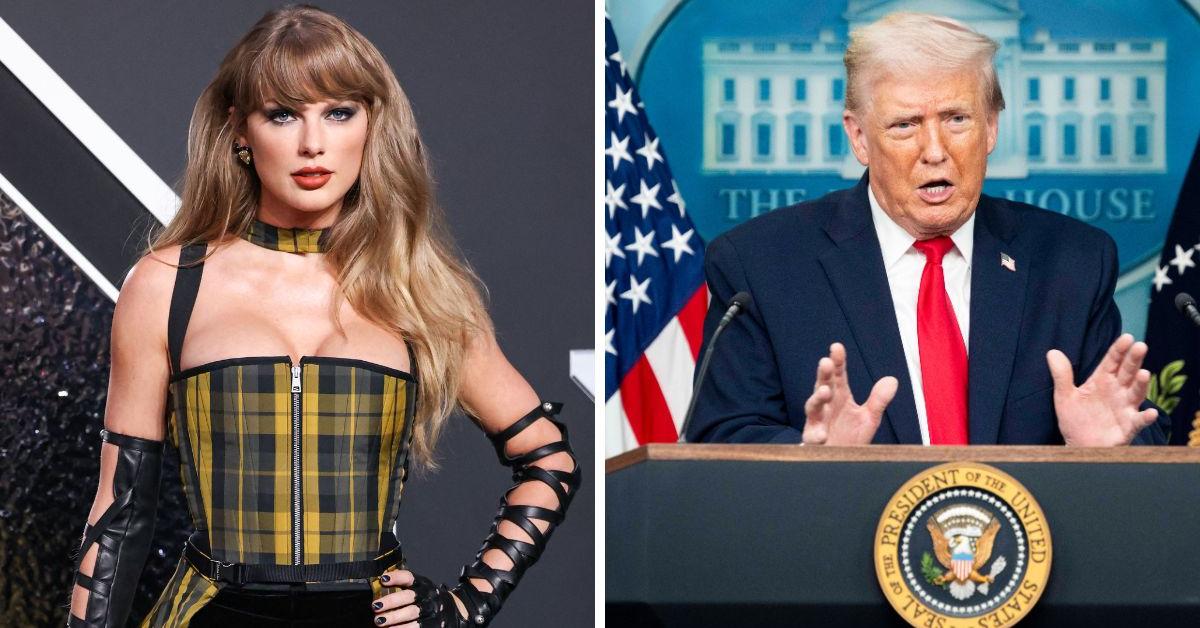
50 Cent: Rapper’s Name Becomes a Legal Battleground
Curtis James Jackson III, known globally as 50 Cent, was an early adopter of this protective strategy. Recognizing the immense value of his stage name, the "In da Club" rapper legally registered "50 Cent" with the U.S. Patent and Trademark Office (USPTO) in July 2002, predating the release of his blockbuster debut album, Get Rich or Die Tryin’. This foresight proved crucial years later when his brand was inadvertently entangled in a corporate advertising campaign.
In 2008, 50 Cent initiated a $4 million lawsuit against fast-food giant Taco Bell. The dispute arose after the company launched an ad campaign for its "Why Pay More?" menu, which featured a letter purportedly sent to 50 Cent, inviting him to change his name to "79 Cent," "89 Cent," or "99 Cent" for a day in exchange for a $10,000 donation to a charity of his choice. Taco Bell defended its campaign as a "good faith, charitable offer," but the rapper argued it constituted unauthorized use of his name and likeness, diluting his brand and suggesting endorsement. The parties eventually settled the lawsuit in 2009, underscoring the legal weight of a registered trademark and the financial repercussions of its infringement. As of recent reports, 50 Cent continues to actively manage his intellectual property, having resubmitted a trademark assignment cover sheet as part of a new application that remains under examination by the USPTO, demonstrating an ongoing commitment to brand protection.
Donald Trump: ‘Make America Great Again’ as a Political Trademark
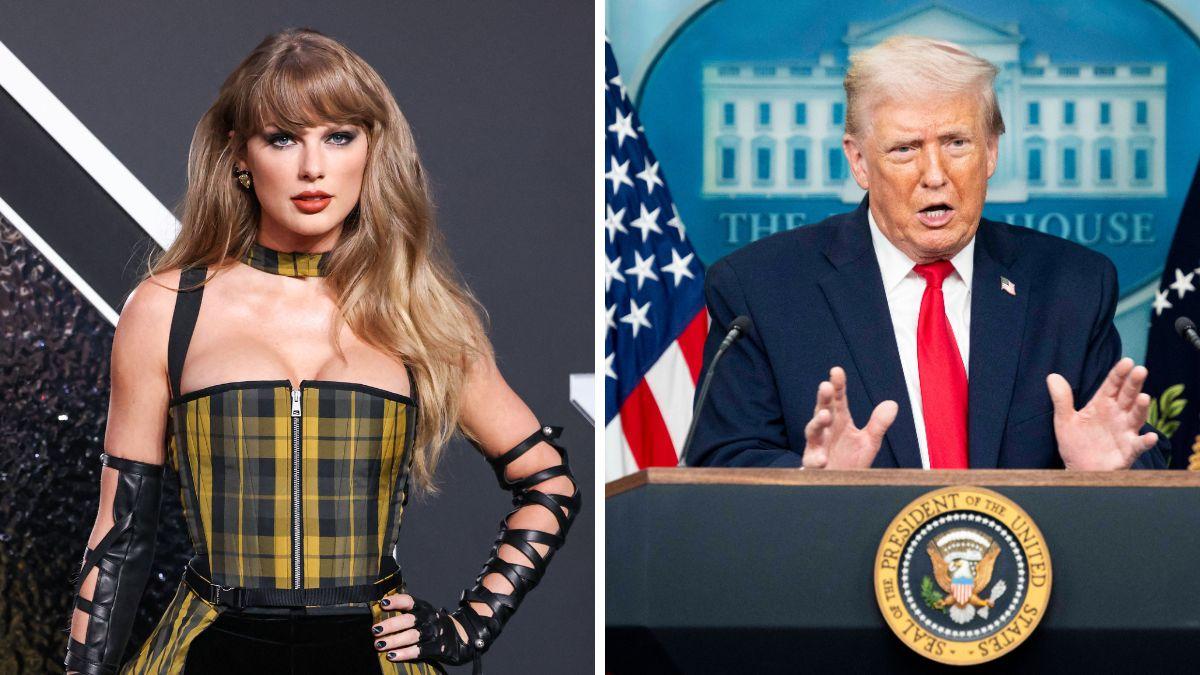
Former President Donald Trump exemplifies the intersection of political branding and intellectual property. In November 2012, long before his successful presidential bid, Trump filed a trademark application for his now-iconic political slogan, "Make America Great Again." The USPTO approved the registration (number 4773272) in July 2015, just over a year before he secured the 2016 presidential election.
This move allowed Trump’s campaign and affiliated entities exclusive rights to use the phrase on a wide range of merchandise and in political advertising, effectively turning a campaign rallying cry into a protected commercial asset. The trademark provided a legal basis to prevent other campaigns, businesses, or individuals from commercially exploiting the phrase, ensuring that profits from its use would directly benefit his political and business ventures. The slogan became a central pillar of his brand identity, demonstrating how political discourse can be strategically managed and monetized through intellectual property rights.

Dwayne ‘The Rock’ Johnson: Securing a WWE Empire
Dwayne "The Rock" Johnson, a global phenomenon who successfully transitioned from WWE wrestling superstar to one of Hollywood’s highest-paid actors, has meticulously cemented his brand legacy through comprehensive intellectual property rights. In a significant development in February 2024, Johnson joined the board of directors of TKO Group Holdings, the parent company of WWE and UFC. This appointment came with a lucrative agreement that included the official transfer of exclusive intellectual property and trademark rights to his iconic WWE stage name, "The Rock."
Beyond his primary moniker, Johnson also secured trademarks for an extensive portfolio of his popular nicknames and taglines. These include "The Brahma Bull," "The People’s Champion," his signature wrestling moves "Rock Bottom" and "People’s Elbow," and memorable catchphrases such as "The Samoan Sensation," "If you smell what The Rock is cooking," "Jabroni," and "Know your role and shut your mouth," among many others. This strategic move ensures that Johnson maintains complete control over the commercial use of these culturally pervasive phrases and names, which are vital to his ongoing acting career, endorsements, and future business ventures within the entertainment industry.
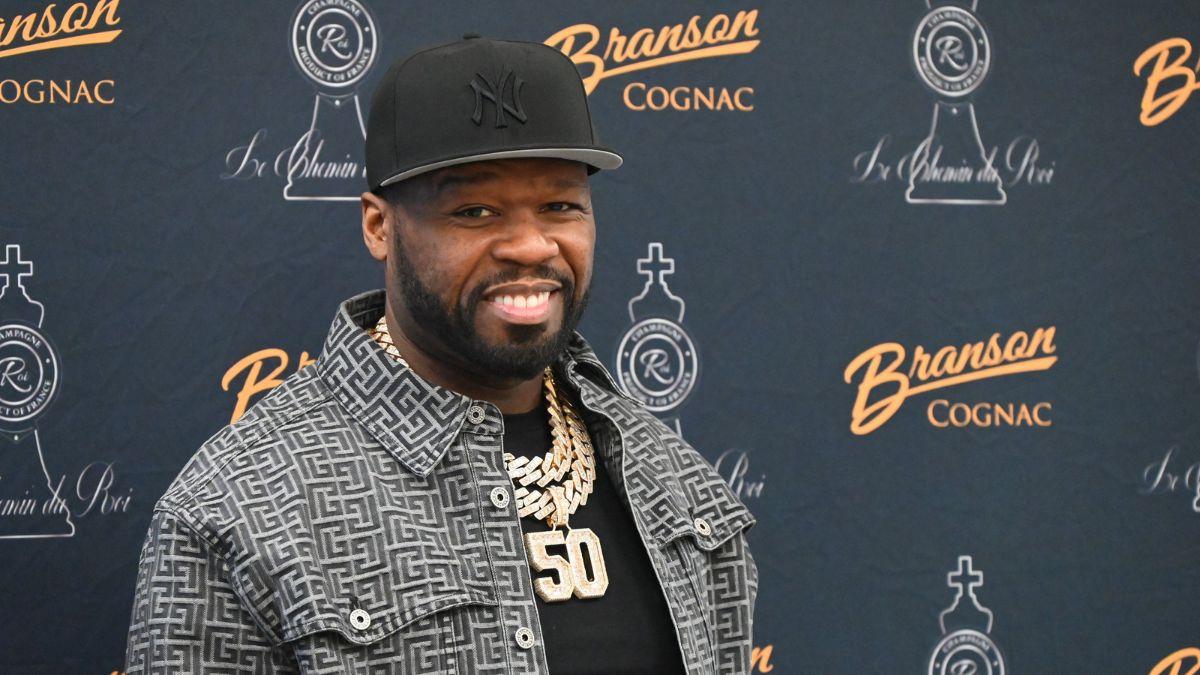
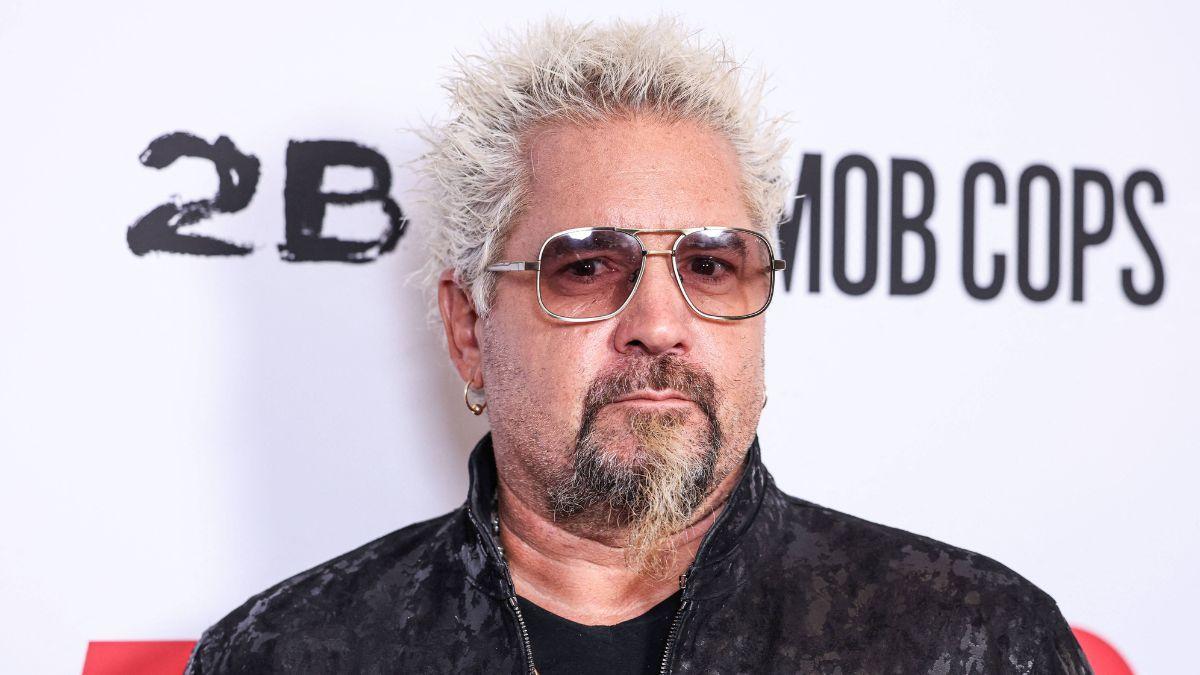
Guy Fieri: The Mayor of Flavortown’s Culinary Empire
Celebrity chef Guy Fieri has built a sprawling culinary empire around his distinctive persona and vibrant catchphrases. From his unique name to the widely recognized "Flavortown," Fieri has taken proactive steps to trademark these elements, solidifying his brand identity across various media and product lines. This approach protects his extensive ventures, including restaurants, television shows like Diners, Drive-Ins and Dives, and a growing range of food products.
During a February 2025 appearance on The Late Show with Stephen Colbert, Fieri elaborated on the organic origins of "Flavortown." He explained that the phrase emerged spontaneously as he encountered exceptionally delicious food, describing it as a "mythical place" he would visit. What began as an improvisational descriptor quickly resonated with audiences, evolving into a cultural phenomenon. "It just turned into something and now there’s ‘Flavortown’ foods, sauces and you name it," Fieri stated. He recounted how fans began calling him "the Mayor of Flavortown," a title he humorously embraced, further cementing the brand’s association with his identity. Trademarking "Flavortown" allows Fieri to license and control its use, preventing others from capitalizing on his creation and ensuring the integrity of his culinary brand.
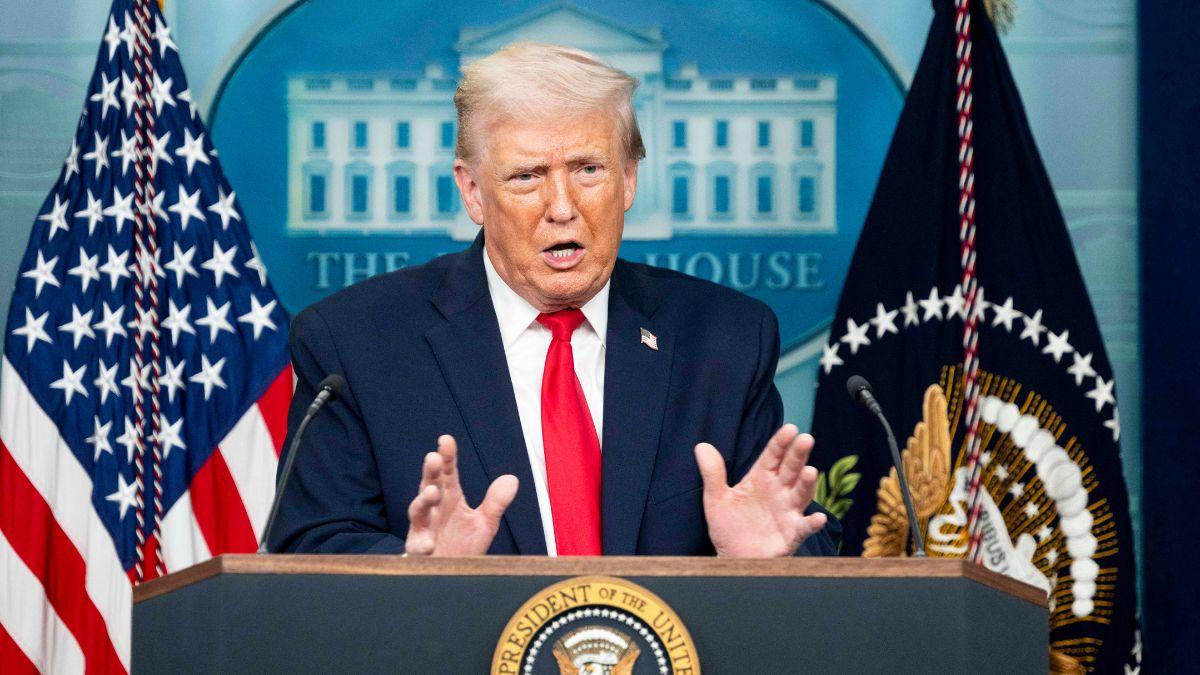
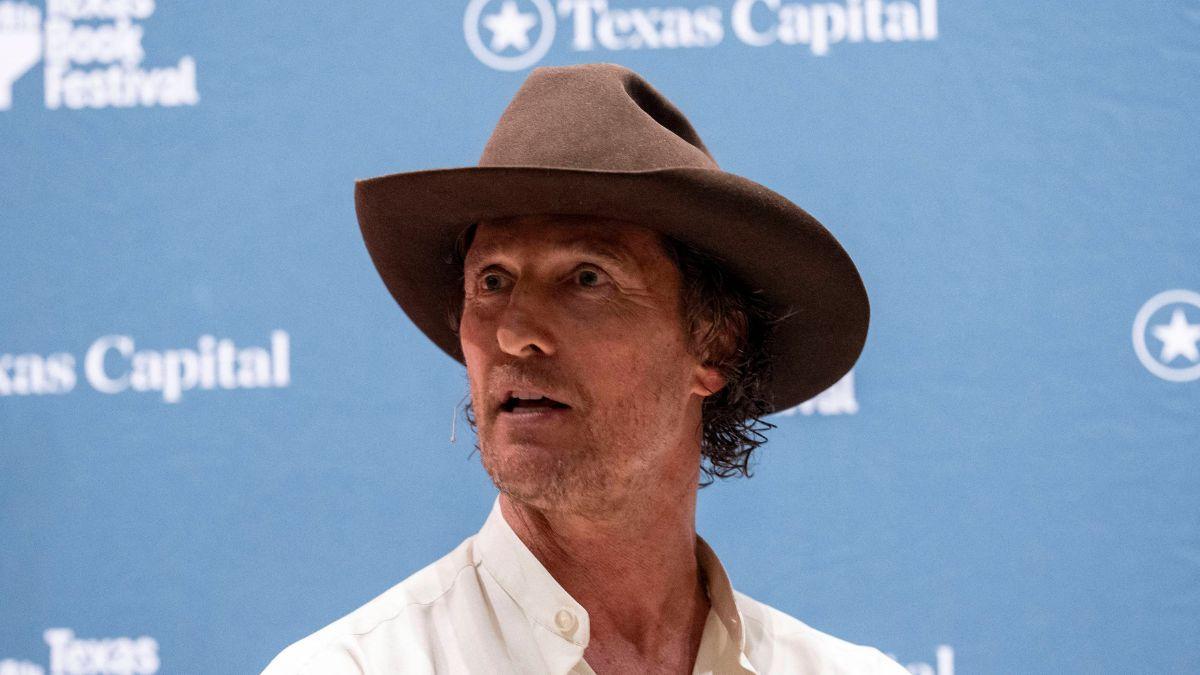
Matthew McConaughey: Battling AI with Trademark Protection
The advent of artificial intelligence (AI) has introduced new challenges for celebrities seeking to protect their unique attributes. Academy Award-winning actor Matthew McConaughey has emerged as a prominent figure in this evolving legal frontier, proactively trademarking his name, voice, and signature catchphrase "All right, all right, all right" to combat unauthorized use by AI technologies. According to the Wall Street Journal, the USPTO recently approved eight separate applications filed by the Dazed and Confused actor, creating a legal perimeter around his distinct persona.
McConaughey’s motivation stems from a desire to maintain control over his identity in a digital landscape increasingly capable of replicating human voices and likenesses. "My team and I want to know that when my voice or likeness is ever used, it’s because I approved and signed off on it," McConaughey affirmed in a public statement. He emphasized the importance of "consent and attribution" as the norm in an "AI world," articulating a growing concern among entertainers about deepfakes and AI-generated content. His actions reflect a broader industry effort to establish legal precedents and ethical guidelines for AI’s interaction with celebrity intellectual property, safeguarding against potential misuse and ensuring artists retain agency over their digital selves.
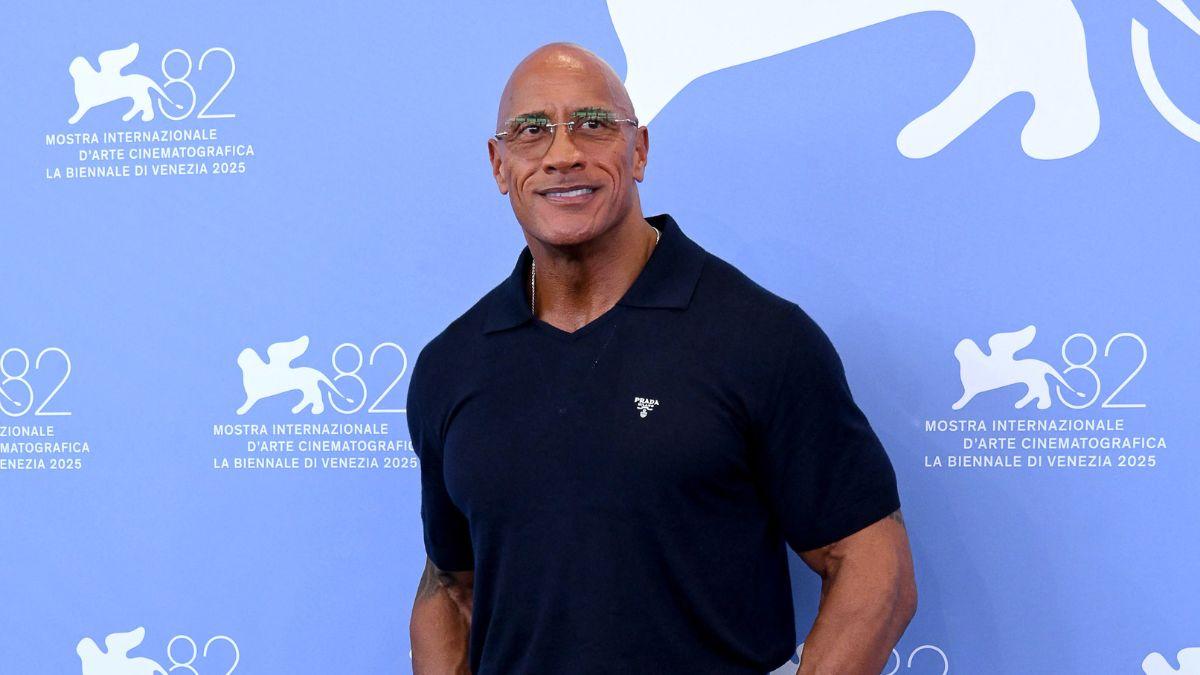
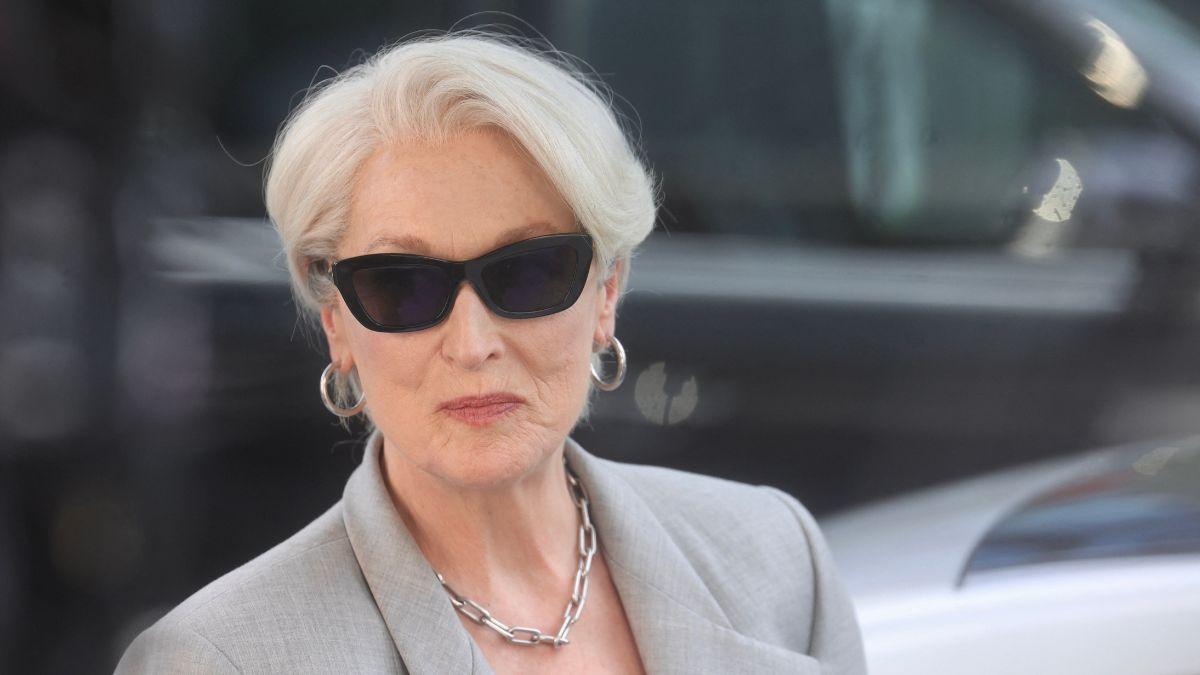
Meryl Streep: Protecting a Legacy of Acting Excellence
Even for an actress of Meryl Streep’s unparalleled stature, brand protection remains a crucial aspect of career management. In January 2018, the multiple Oscar-winning actress filed a trademark application for her legal name, which was subsequently approved in September 2018. The scope of this trademark extends beyond mere personal identification, encompassing a wide array of "entertainment services."
The registered exclusive rights cover "live, televised, and movie appearances by a professional actress and entertainer," ensuring that her professional engagements are always under her control. Furthermore, the trademark includes provisions for "personal appearances, speaking engagements; autograph signings," and even "providing a website featuring content in the field of motion pictures." This comprehensive approach allows Streep to protect her professional identity and control how her name is commercially associated, preserving the integrity of her illustrious career and preventing unauthorized commercial exploitation in various media formats.
Michael Buffer: The Voice Behind the Rumble
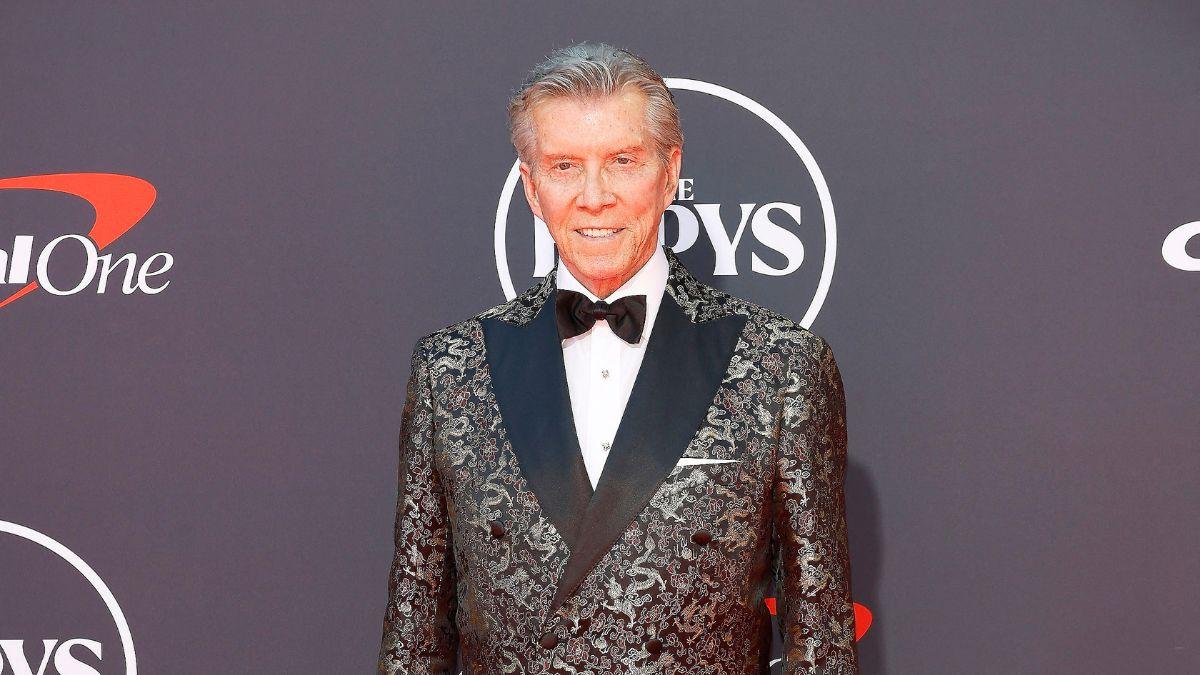
American ring announcer Michael Buffer transformed a five-word phrase into a highly lucrative and legally protected asset. His iconic declaration, "Let’s get ready to rumble!", which he began using in the 1980s, was officially trademarked in 1995. This foresight turned a memorable vocal cue into a significant revenue stream, illustrating the power of a unique verbal trademark.
Buffer’s trademark has been licensed extensively across various media, including video games, films, television commercials, and other sporting events, generating hundreds of millions of dollars in licensing fees. The phrase is synonymous with high-stakes competition and has become a staple of popular culture. The legal protection ensures that any commercial entity wishing to use his signature phrase must secure a license, highlighting how a distinctive vocalization can become a valuable piece of intellectual property, far transcending its original context.
Paris Hilton: ‘That’s Hot’ and the Pop Culture Phenomenon
Socialite, reality television star, and entrepreneur Paris Hilton famously popularized the phrase "That’s hot" during her time on The Simple Life. Recognizing its pervasive cultural impact, Hilton strategically trademarked the catchphrase in 2004. This trademark covered "multimedia entertainment services in the nature of recording, production, and post production services in the fields of music, video, film," among other categories.
In her memoir, Paris: The Memoir, Hilton chronicled the organic rise of the phrase, noting how it started as a personal observation in her diary before spreading widely. "Pretty soon all the kids in my class were saying, ‘That’s hot.’ Like I made ‘fetch’ happen!" she wrote. Hilton’s decision to trademark the phrase was driven by a keen understanding of its commercial potential and a desire to prevent others from appropriating it. This protection proved vital when she famously sued Hallmark for using the phrase on a greeting card without permission, demonstrating the legal enforcement available to protect such pop culture phenomena. Her proactive measure cemented "That’s hot" as a core element of her burgeoning brand empire.
Taylor Swift: A Fortress of Trademarks
Global music icon Taylor Swift stands as a prime example of meticulous brand management through intellectual property. Her enterprise, TAS Rights Management, LLC, has filed hundreds of trademark applications in the U.S. alone, creating a formidable fortress around her artistic and commercial assets. This extensive portfolio includes not only her name but also album titles, song lyrics, tour names, and distinctive phrases associated with her brand.
Swift’s strategic approach to trademarks allows her to exert comprehensive control over her image, music, and merchandise. This intellectual property strategy is crucial in the modern music industry, where revenue streams extend far beyond album sales to encompass touring, endorsements, and digital content. Her rigorous protection ensures that she maintains exclusive rights to her creative output and brand identity, preventing unauthorized use and maximizing her commercial ventures, such as the record-breaking "Eras Tour." This proactive stance solidifies her position not just as a musical artist, but as a savvy businesswoman acutely aware of the enduring value of her intellectual property.
The proactive efforts of these celebrities underscore a significant trend in contemporary culture: the professionalization of personal branding. As fame becomes increasingly commodified and intellectual property rights grow more complex, particularly with emerging technologies like AI, the act of trademarking names and iconic phrases has evolved from a niche legal maneuver into an essential component of career longevity and financial security for public figures across all industries. Protecting these intangible assets is no longer merely a defensive measure but a strategic imperative, allowing stars to shape their narratives and control their commercial destinies in an ever-evolving global marketplace.