Bulgaria is set to conduct its eighth parliamentary election in just five years on April 19, following the recent resignation of the government amid widespread protests against alleged corruption and fiscal mismanagement. The announcement, made by President Iliana Iotova, marks another chapter in the Balkan nation’s persistent political instability, a cycle fueled by an inability to forge lasting governing coalitions in a deeply fractured political landscape. This latest electoral contest underscores the profound challenges Bulgaria faces in establishing stable governance and addressing public demands for accountability and reform.
A Nation Grapples with Persistent Instability
The upcoming snap election on April 19 is the latest symptom of Bulgaria’s protracted struggle with political fragmentation and governmental turnover. The country, which recently adopted the Euro on January 1, has been a testament to the difficulties of forming stable ruling coalitions in a parliament characterized by a multitude of parties with diverging agendas. This recurring need for new elections drains public resources and erodes confidence in democratic institutions, leaving citizens disillusioned with the political process.
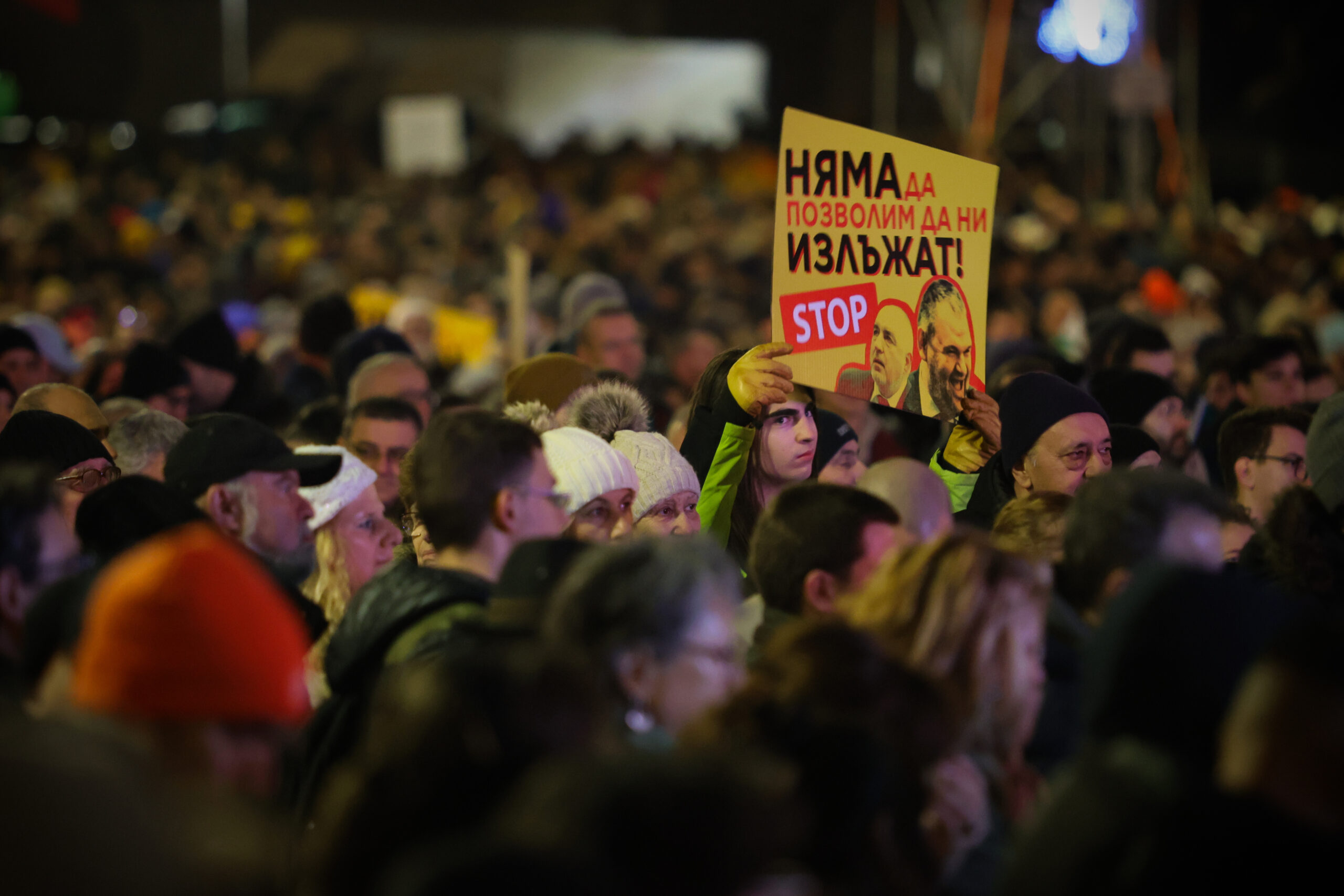
The catalyst for the current electoral cycle was the resignation of the previous government in December. This decision came after weeks of sustained public protests that gripped the nation, highlighting deep-seated anger over what many perceived as rampant corruption and a deeply flawed 2026 draft budget. Protesters argued that the budget was a thinly veiled attempt to legitimize and conceal illicit financial dealings, further fueling the public outcry.
President Iotova’s formal decree setting the April 19 election date followed a crucial meeting with Andrey Gyurov, the deputy governor of the Bulgarian National Bank. Gyurov was appointed last week to lead a caretaker government, a transitional administration tasked with the singular objective of preparing the nation for the upcoming parliamentary vote. This caretaker government plays a vital role in ensuring the continuity of state functions and overseeing the electoral process in a neutral capacity.
Roots of the Unrest: Budget, Corruption, and Public Trust
The current political crisis is deeply intertwined with the controversial 2026 draft budget, which became a focal point for public anger late last year. Citizens took to the streets in significant numbers, voicing their opposition and labeling the budget as a tool to perpetuate corruption within the government. These protests, which spanned several weeks, demonstrated a clear and vocal demand for transparency and integrity in public affairs.
The conservative GERB party, which emerged victorious in the most recent parliamentary elections in 2024, had formed a coalition government. However, this administration proved unable to withstand the pressure generated by the anti-corruption demonstrations and the contentious budget proposals. The resignation of the government signaled a significant blow to its authority and an acknowledgment of the potent force of public opinion.
Adding another layer of complexity to the unfolding political drama, Bulgaria’s longtime President Rumen Radev, a vocal critic of the outgoing government and a supporter of the anti-corruption protests, announced his own resignation last month. This move occurred amidst widespread speculation that Radev harbored ambitions to participate directly in the upcoming elections. His departure from the presidency, a position he held for years, was seen by many as a strategic maneuver to re-enter the political fray.
Presidential Succession and Future Elections
Radev, a figure of considerable influence and a known advocate for democratic reform, stated in an address to the nation that he was eager to engage in what he termed the "battle for the future" of Bulgaria, a nation deeply embedded within both the European Union and NATO. His resignation paved the way for his deputy, Iliana Iotova, to assume the presidential duties. The transition at the highest office has added an element of uncertainty to the already volatile political climate.
The circumstances surrounding President Radev’s resignation and his potential political future remain a significant talking point. His departure from the presidency ahead of the snap elections has raised questions about potential realignments in the political landscape and the strategies of key figures seeking to influence the country’s direction. With new presidential elections also anticipated later this year, Bulgaria is poised for a period of intense electoral activity across multiple branches of government.
The Cycle of Elections: A Symptom of Deeper Issues
The fact that Bulgaria is heading for its eighth parliamentary election in just five years is a stark indicator of its chronic political instability. This recurring electoral cycle is not merely a logistical challenge; it represents a fundamental failure of the political system to produce stable, enduring governments capable of implementing long-term policies. Each election consumes significant financial resources and diverts attention from pressing national issues, creating a perpetual state of flux.
The inability of various political factions to coalesce into stable governing coalitions points to deep divisions within Bulgarian society and its political elite. These divisions often manifest as ideological clashes, regional disparities, and persistent distrust between different power centers. The fragmentation of the parliamentary landscape, with numerous parties vying for representation, makes the formation of broad-based, consensus-driven governments exceedingly difficult.
Broader Implications for Bulgaria and the EU
The ongoing political instability in Bulgaria has broader implications, not only for the nation’s domestic development but also for its standing within the European Union. As a member state, Bulgaria’s ability to effectively participate in EU decision-making processes and to meet its commitments is directly impacted by its internal political health. Consistent governmental turnover can hinder the implementation of EU-funded projects, delay legislative reforms, and complicate foreign policy initiatives.
The European Union’s monitoring mechanisms often scrutinize the rule of law, judicial independence, and anti-corruption efforts in member states. Bulgaria’s persistent struggles in these areas, exacerbated by the current political climate, could lead to increased scrutiny and potential pressure from Brussels. Maintaining a stable and predictable political environment is crucial for Bulgaria to maximize its benefits from EU membership and to contribute effectively to the Union’s collective goals.
The recent adoption of the Euro, while a significant economic milestone, also places Bulgaria under a microscope regarding its fiscal discipline and economic governance. A volatile political scene can undermine investor confidence and create uncertainty about the long-term economic trajectory, potentially impacting the stability of the Eurozone itself, albeit on a smaller scale.
Public Sentiment and the Road Ahead
Public sentiment in Bulgaria remains a critical factor in this ongoing political saga. The widespread protests against corruption and the budget demonstrated a clear public demand for change and accountability. Citizens are increasingly weary of the perpetual cycle of elections and the perceived inability of their leaders to address fundamental issues like economic inequality, healthcare, and environmental protection.
The upcoming snap election on April 19 presents an opportunity for voters to express their dissatisfaction and to seek a mandate for new leadership. However, the deep-seated nature of the political divisions suggests that even a new government may struggle to achieve the stability and consensus needed to enact meaningful reforms. The challenge for any incoming administration will be to bridge these divides, restore public trust, and govern effectively amidst a complex and often fractious political environment.
The caretaker government’s role in ensuring a fair and transparent election process is paramount. Its success will be measured by its ability to maintain neutrality and to facilitate a smooth transition of power, regardless of the outcome. The international community, including the European Union, will be closely observing the electoral process and its aftermath, seeking signs of progress towards greater political stability and democratic consolidation in Bulgaria.
The path forward for Bulgaria is fraught with challenges, but the upcoming election on April 19 offers a crucial juncture for the nation to chart a new course. The resolve of the Bulgarian people, demonstrated through their engagement in protests, will undoubtedly continue to shape the political discourse and the demands placed upon their elected representatives. The success of this endeavor hinges on the ability of political actors to transcend partisan interests and to prioritize the long-term well-being and stability of the nation.