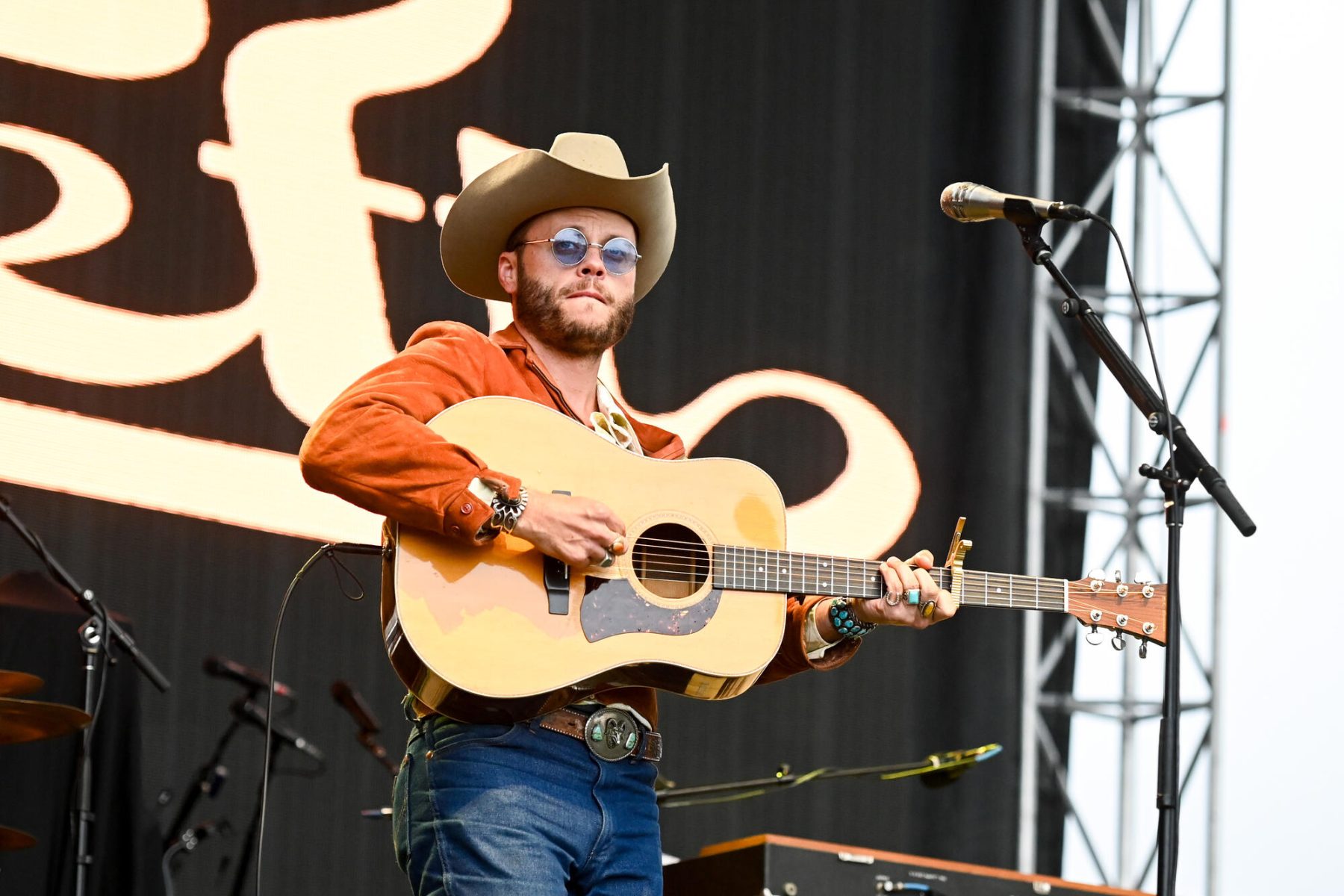
Texas-based country artist Charley Crockett has been forced to cancel his entire Canadian tour due to being denied entry into the country stemming from a decade-old drug conviction. The singer announced the unfortunate news via his Instagram account on Monday, February 23, sharing that immigration officials refused him passage into Canada.
The incident that has disrupted Crockett’s highly anticipated Canadian performances dates back to March 2016. At that time, the artist, whose real name is Charles Timothy Crockett, was convicted in Virginia for possession of marijuana with the intent to distribute. The conviction involved a significant quantity, reportedly over five pounds. This past offense has now caught up with him, preventing his entry into Canada.
A Past That Continues to Haunt
In a candid post to his fans, Crockett shared a screenshot of a communication from Canada’s immigration, refugees, and citizenship department, which outlined the grounds for his inadmissibility. Alongside the official notice, he penned a message acknowledging the enduring impact of his past actions. "Everybody’s got a past," Crockett wrote, "Mine’s still haunting me." This sentiment underscores the personal weight of the situation for the artist.
Crockett detailed his attempts to enter Canada, stating he tried to cross the border twice within a 24-hour period. Both attempts, reportedly at Vancouver and Kelowna, were unsuccessful, with border patrol agents denying him entry. He has been advised that further attempts to enter the country could jeopardize his freedom, leading to the difficult decision to cancel all scheduled Canadian dates.
Impact on Fans and Future Prospects
The cancellation has left many Canadian fans disappointed, as Crockett had a slate of shows planned across multiple provinces. The tour was set to commence on Saturday, February 21, with a performance at the Orpheum Theatre in Vancouver. Live Nation British Columbia had initially announced this show as postponed "due to unforeseen circumstances" just hours before it was scheduled to begin, a cryptic announcement that now makes sense in light of Crockett’s revelation.
Beyond Vancouver, Crockett had additional dates scheduled in Alberta, Ontario, Saskatchewan, Manitoba, and Quebec. All of these performances are now off the table. For fans who purchased tickets, full refunds will be issued at their original points of purchase. Crockett expressed his regret for the inconvenience and financial impact on his supporters, stating, "I know I let y’all down." He also acknowledged that refunds do "not begin to make up for y’all’s time and hard earned money."
Looking Ahead: A Commitment to Return
Despite the current setback, Charley Crockett remains optimistic about his ability to perform for his Canadian fanbase in the future. He expressed his fondness for the country and its audiences, describing Canada as "such a beautiful country full of some of the best fans in the world." He emphasized his dedication to his music and his commitment to overcoming this obstacle, adding, "I ain’t one to quit and I aim to be back one of these days real soon."

The artist’s team has reached out to Canada’s Border Services Agency for comment, seeking further clarification or potential avenues for resolution. The specifics of what might allow Crockett future entry into Canada, such as a Temporary Resident Permit or a Rehabilitation application, remain unclear at this time. Such processes often require demonstrating rehabilitation and a significant period of law-abiding behavior following a conviction.
Contextualizing the Conviction and Canadian Immigration Law
Canada has strict immigration laws regarding individuals with criminal records. A conviction, even one from many years ago, can render a foreign national inadmissible to Canada. The severity of the offense, the length of time since the conviction, and evidence of rehabilitation all play a role in the decision-making process. Possession of drugs with intent to distribute is considered a serious offense, which can lead to a lengthy period of inadmissibility.
For individuals deemed inadmissible, the path to entering Canada can be challenging. Options may include applying for a Temporary Resident Permit (TRP) if the visit is essential and compelling reasons exist, or seeking criminal rehabilitation if enough time has passed since the completion of the sentence and the individual can demonstrate they are unlikely to re-offend. The latter typically requires a significant period of rehabilitation.
Recent Career Milestones Amidst Challenges
This tour cancellation comes at a particularly busy and promising time in Charley Crockett’s career. Just days prior to the announcement of his Canadian tour’s demise, he revealed details about his upcoming album, Age of the Ram. This album is slated for release on April 3 and is recognized as the third installment in his "Sagebrush Trilogy." The first two parts of this series, Lonesome Drifter and Dollar a Day, were released in 2025, indicating a prolific output from the artist.
Crockett has cultivated a significant following with his unique blend of traditional country, blues, and roots music, often drawing comparisons to legendary figures in American music. His music resonates with a dedicated fanbase, making the inability to connect with his Canadian supporters a particularly poignant consequence of his past legal issues. The artist’s ability to navigate these immigration hurdles will be crucial for his continued international touring success.
The Broader Implications of Criminal Records and International Travel
Charley Crockett’s situation highlights a recurring challenge for artists and individuals with past criminal convictions seeking to travel internationally. Many countries maintain policies that can bar entry based on prior offenses, regardless of how long ago they occurred or the individual’s subsequent behavior. This can have significant repercussions for musicians whose livelihoods depend on touring and performing for global audiences.
The case also brings attention to the complexities of Canadian immigration law and its application to individuals seeking entry for artistic or cultural purposes. While Canada aims to balance security with welcoming international visitors, the enforcement of inadmissibility rules can create significant obstacles for those with certain criminal histories. The artist’s stated intention to return underscores the ongoing desire of many performers to connect with fans worldwide, irrespective of past legal entanglements. The outcome of any future attempts by Crockett to gain entry into Canada will likely depend on his ability to satisfy the requirements for rehabilitation or secure a temporary permit.