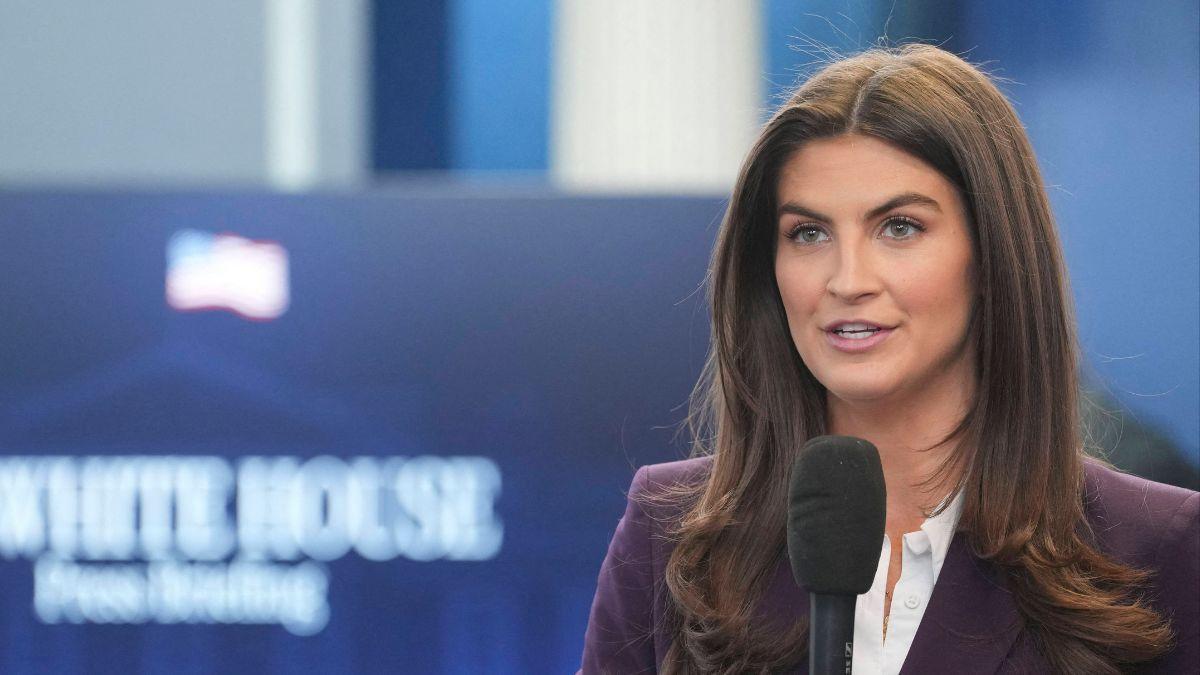
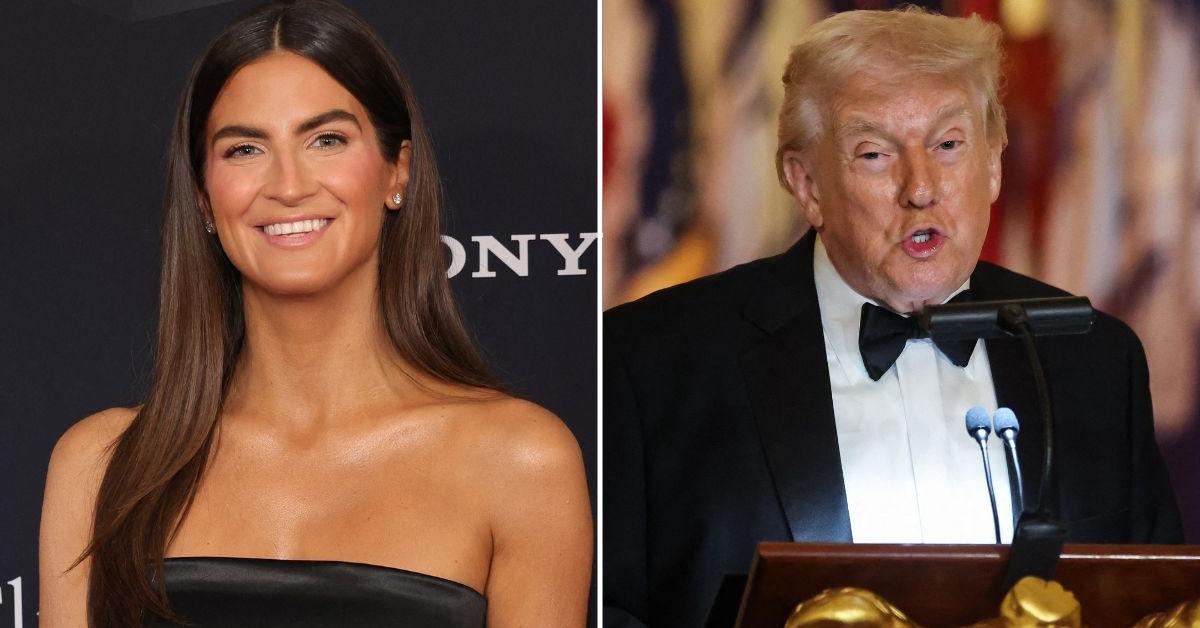
Veteran CNN political correspondent Kaitlan Collins offered a sharp analysis of former President Donald Trump’s demeanor during his most recent State of the Union address, noting a distinct shift in his disposition as the lengthy speech progressed, ultimately observing him becoming "increasingly irritated" by the reactions of Democratic lawmakers. Collins’ observations, made shortly after the conclusion of the address, highlighted the palpable partisan divide within the congressional chamber and its apparent effect on the former president.
The State of the Union Tradition
The State of the Union address, a constitutional obligation, serves as a pivotal annual event where the President of the United States addresses a joint session of Congress to report on the condition of the nation and outline legislative priorities. Historically, it is a grand ceremonial occasion, steeped in tradition, offering presidents a unique platform to communicate directly with the American people and world leaders. These addresses are typically marked by moments of bipartisan unity, alongside clear demonstrations of ideological differences through applause, standing ovations, or deliberate silence.
For a president, the address is a carefully choreographed opportunity to shape public perception, rally support for their agenda, and project an image of leadership. The reactions within the congressional chamber are often scrutinized as a barometer of the political climate, with every gesture, applause line, and moment of dissent subject to intense media analysis. The ritualistic nature of the event, however, often clashes with the raw political realities of a divided government.
A Lengthy Address and Shifting Dynamics
During the recent address, which reportedly broke former President Donald Trump’s own records for duration, Collins detailed how Trump’s initial engagement appeared to be strategically targeted. She noted that at the outset, the president primarily directed his gaze and remarks toward the left side of the chamber, where a significant contingent of Republican lawmakers were seated, often eliciting enthusiastic responses from his party.
As the evening wore on and the speech extended into a notably long duration, Collins observed a shift. Trump began to look more frequently toward the right side of the chamber, where Democratic members were positioned. It was here, she explained, that the anticipated applause lines often met with a noticeably subdued reaction, or outright silence, from the opposition party. This perceived lack of reciprocal enthusiasm from the Democratic side of the aisle appeared to visibly impact the former president.
Collins vividly recounted a specific moment where the former president’s frustration surfaced openly. "He was getting increasingly irritated by it," she stated, detailing how Trump paused his remarks to comment, "These people are crazy, you know, I can’t believe they’re not standing for this." This unscripted interjection underscored his growing exasperation with the partisan divide manifested in the chamber’s response, providing a candid glimpse into his temperament during a high-stakes public address.
One particular legislative proposal, however, managed to cut through the partisan tension, drawing a rare moment of widespread, albeit not universal, bipartisan support. When the former president addressed the issue of banning insider trading for members of Congress, the proposal resonated across the aisle. This rare consensus was further highlighted by an offhand joke he made referencing former House Speaker Nancy Pelosi, which garnered more applause than many of his policy points. Collins noted that Senator Elizabeth Warren, a prominent Democrat, was among those who stood and applauded this specific segment, indicating the unique appeal of that particular issue.
Congressional Divide on Full Display
The dynamics observed by Kaitlan Collins during the State of the Union address served as a stark reflection of the deep partisan chasm currently defining American politics. The president’s visible irritation at the lack of Democratic applause underscored the challenges of governing in a hyper-polarized environment, where even ceremonial addresses become battlegrounds for political posturing. The expectation of applause during a State of the Union is a long-standing tradition, often used by presidents to measure the immediate reception of their policies and rhetoric. When that expectation is unmet, particularly from the opposing party, it can be interpreted as a direct challenge to the president’s authority or the validity of his agenda.

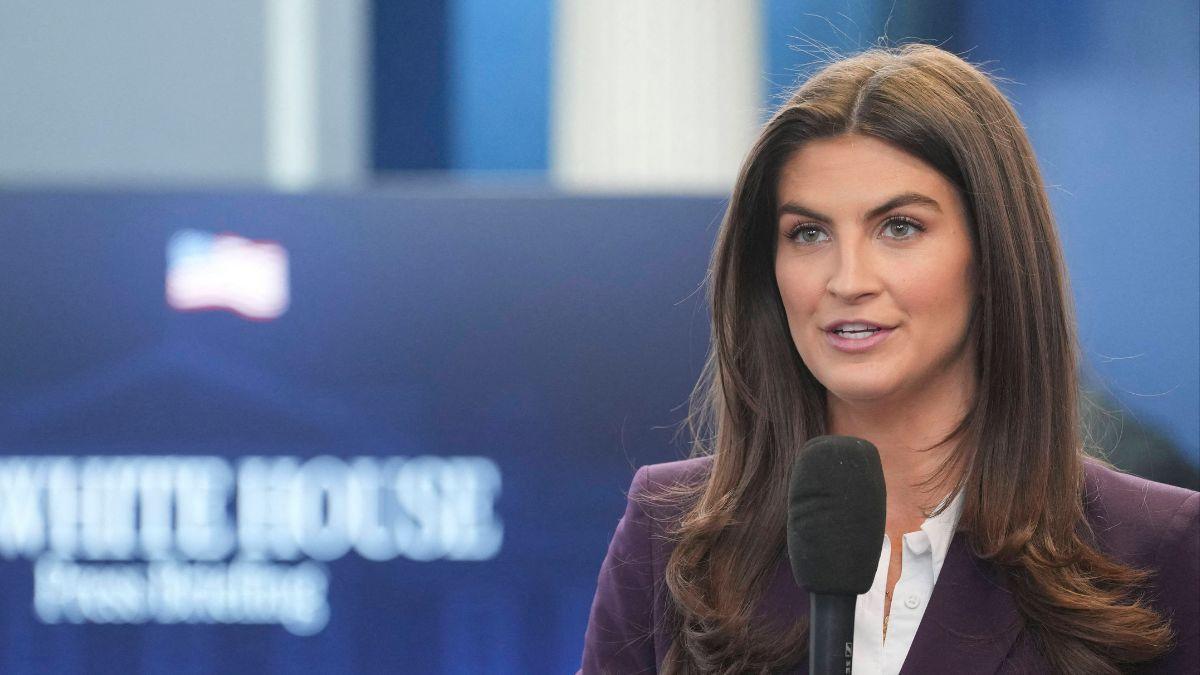
Collins’ role as a leading political correspondent for CNN places her in a unique position to offer real-time analysis of such events, drawing on extensive experience covering the White House and Capitol Hill. Her insights provide a window into the unscripted moments that often reveal more about political tensions than the prepared remarks themselves. The phenomenon of "applause lines" is a calculated strategy in presidential speeches, designed to punctuate key policy points and generate positive media optics. The deliberate withholding of applause by one party can thus be seen as a counter-strategy, signaling dissent and a refusal to legitimize the president’s narrative. This interplay of planned rhetoric and spontaneous reaction forms a crucial part of the State of the Union’s political theater.
Public Reaction and Media Scrutiny
The visible reactions of both the president and the lawmakers during the State of the Union address are not merely internal Capitol Hill affairs; they are immediately broadcast to millions of Americans and become instant fodder for public discourse and media scrutiny. In an era dominated by social media and 24/7 news cycles, unscripted moments, such as a president’s candid expression of irritation or lawmakers appearing disengaged, quickly go viral. These moments often overshadow the policy substance of the speech itself, shaping public perception of the administration and Congress.
News outlets like CNN, C-SPAN, and others dedicate extensive coverage to these addresses, dissecting every detail, from policy pronouncements to body language. The observations made by journalists like Kaitlan Collins contribute significantly to the broader narrative surrounding Donald Trump’s political style and his relationship with the opposition. Such analyses help the public interpret the political theater unfolding in Washington, highlighting the personal and ideological clashes that underpin national governance. The challenges of delivering a State of the Union in a hyper-partisan era are immense, as presidents must navigate not only policy debates but also the intensely scrutinized optics of their interactions with a divided Congress.
Lawmaker Engagement and Decorum
Beyond the president’s reactions, the extended duration of the address also appeared to test the endurance and engagement of some lawmakers in attendance. Cameras captured several members of Congress appearing visibly disengaged, with some even seeming to nod off during the prolonged remarks. One notable instance involved Rep. Tom Suozzi (D-NY), who was observed resting his head against his hand and briefly appearing to doze off as the president delivered a line about Americans seeing what their representatives "really believe." Similarly, Rep. David Scott (D-GA) was seen with his eyes closed in separate clips that circulated online.
These moments raise questions about congressional decorum and the intense demands placed on lawmakers during such lengthy events. While the State of the Union is a significant formal occasion, the sheer volume of information and the political tensions can lead to visible fatigue. Past State of the Union addresses have also seen instances of strong reactions from lawmakers, ranging from applause and standing ovations to heckling and even walkouts, underscoring the highly charged atmosphere of the event. The optics of lawmakers appearing disengaged can carry political consequences, potentially inviting criticism from constituents and political opponents, and further highlighting the partisan battle lines drawn within the legislative body.
A Mirror to the Nation’s Political Landscape
Ultimately, the observations from CNN’s Kaitlan Collins regarding former President Donald Trump’s "increasingly irritated" demeanor during the State of the Union address, coupled with the varied reactions from the congressional chamber, painted a vivid picture of the current political landscape. The annual address, intended as a moment of national unity and policy articulation, instead served as a microcosm of the enduring challenges in achieving consensus and civility in a deeply divided government. It reinforced the notion that beyond the prepared speeches and policy proposals, the human element—the visible frustrations, the strategic silences, and the moments of disengagement—often reveals the most profound truths about the state of the nation’s political health.