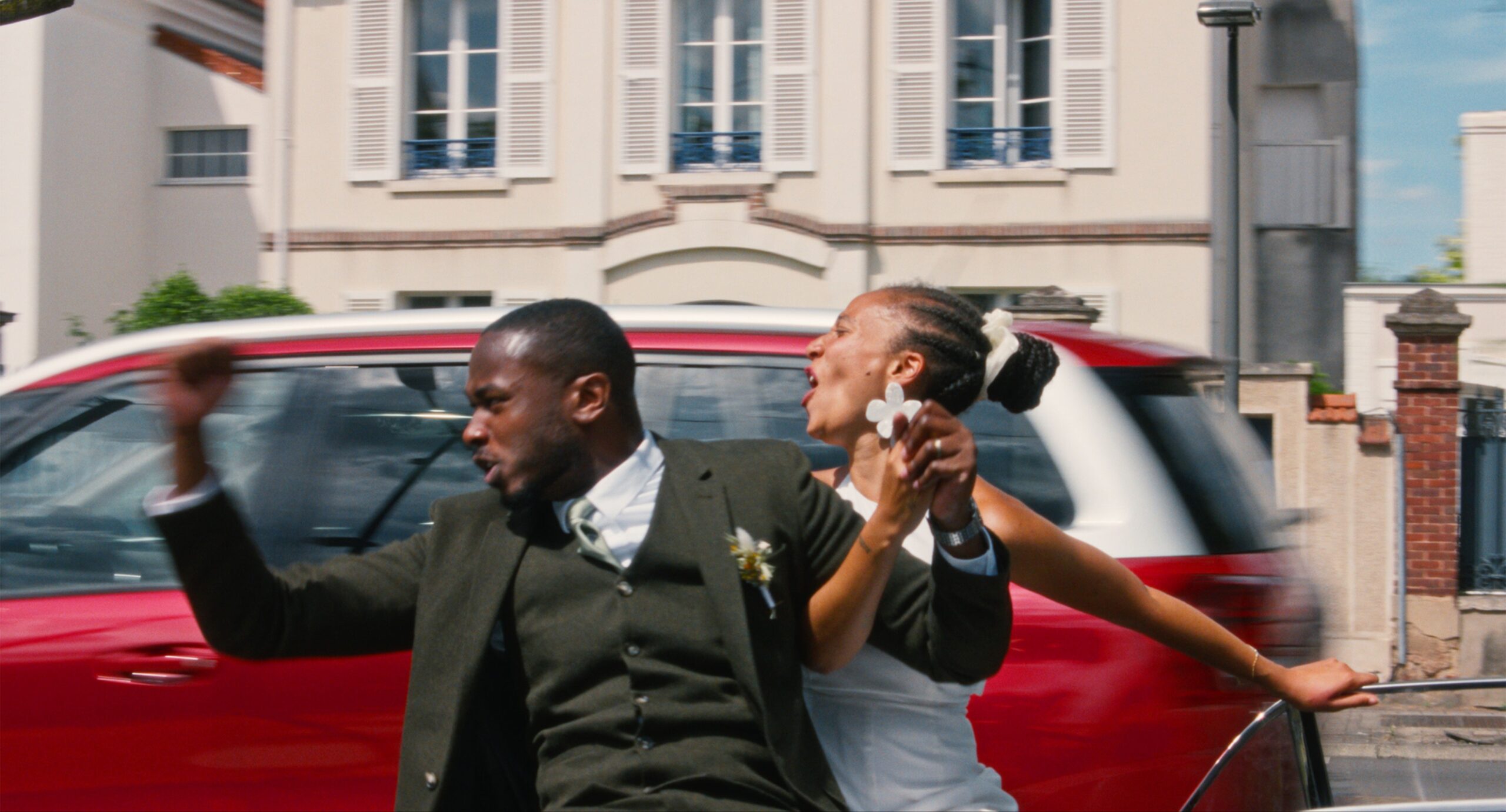
French-Senegalese filmmaker Alain Gomis is set to unveil his latest cinematic endeavor, Dao, at the prestigious Berlin International Film Festival, where it will premiere in the competitive lineup. The film, a profound exploration of life’s continuous cycles and human connection, distinguishes itself through a unique blend of personal narrative and collective experience, seamlessly blurring the lines between documentary and fiction. Gomis, known for his contemplative and deeply humanistic approach, returns to the Berlinale stage after his 2017 success with Félicité, which garnered the Silver Bear.
Alain Gomis’s Acclaimed Career and the Significance of Dao
Alain Gomis has established himself as a significant voice in contemporary world cinema, with a filmography that consistently delves into themes of identity, diaspora, and the intricate fabric of African life. His previous works, including L’afrance, Félicité, and Rewind & Play, have been lauded for their artistic integrity and social resonance. Félicité, in particular, captivated critics and audiences alike, earning him the Silver Bear Grand Jury Prize at the Berlinale and solidifying his reputation as a filmmaker unafraid to challenge conventional narrative structures. With Dao, Gomis continues this trajectory, offering a film that is both intimately personal and universally resonant.
The title Dao itself provides a philosophical anchor for the film, defined as "a perpetual and circular movement which flows in everything and unites the world." This concept underpins the entire narrative, which eschews a linear plot in favor of an immersive experience reflecting life’s inherent fluidity. The film’s inclusion in the Berlin International Film Festival’s main competition underscores its artistic ambition and the festival’s recognition of Gomis’s innovative vision. This platform offers Dao a global launch, positioning it as a key entry in the ongoing conversation about the future of cinema and diverse storytelling.
The Narrative Fabric: Weaving Life and Art in Dao
At its core, Dao orchestrates two significant family gatherings: a joyous wedding celebration held in Paris and a solemn funeral for a patriarch in Guinea-Bissau. These dual events serve as narrative poles, symbolizing the perpetual cycle of life, death, and rebirth that the film seeks to explore. The juxtaposition of these rites of passage across continents highlights the enduring connections within families, irrespective of geographical distance, and the rich cultural heritage that binds them.
Gomis employs these events not merely as plot points but as stages upon which the fluidity of human experience unfolds. The press notes describe this technique as "perpetual circular movement framing reality," a nod to the director’s method of allowing reality to inform and intertwine with his artistic vision. This approach allows for a rich tapestry of individual stories and shared histories to emerge, exploring common threads of heritage, love, laughter, ritual, pain, and history. The film promises an organic intertwining of bodies and time, leading to a profound sense of communal rebirth, as characters navigate moments of profound joy and sorrow within a continuous flow.

A Collaborative Vision: Blending Professionalism and Personal Connection
One of Dao‘s most distinctive features is its diverse cast, which brings together established actors like Katy Correa, D’Johé Kouadio, Samir Guesmi, and Mike Etienne, alongside non-professional performers, including members of Gomis’s own family such as Nicolas Gomis, Fara Baco Gomis, and Poundo Gomis. This deliberate mixing of experience levels and personal connections is central to Gomis’s artistic philosophy, aiming to cultivate an unparalleled sense of authenticity on screen.
Gomis explains that this fusion fosters an environment where non-professional actors gain confidence from their experienced counterparts, resulting in performances that feel remarkably genuine. The film’s production methodology further amplifies this authenticity, blending meticulously scripted scenes with extensive improvisation. While certain narrative beats were pre-written, Gomis encouraged the cast to explore and improvise freely, allowing the story to evolve organically. This creative freedom led to moments of fictional improvisation that achieved striking realism, demonstrating the profound capacity of individuals to inhabit and express fictional scenarios with intense emotional depth.
A particularly poignant example cited by Gomis involved an unscripted discussion among women in the cast about past mistreatment by men. This spontaneous exchange, driven by the participants’ desire to share their experiences, became a powerful, unplanned segment of the film. Gomis emphasized his role as an attentive observer in such moments, reflecting his commitment to letting the lived experiences and voices of his collaborators shape the narrative. This approach not only lends credibility to the film but also empowers the cast members, transforming them from mere performers into active co-creators of the cinematic experience.
Production and Pan-African Collaboration Behind Dao
Dao stands as a testament to international collaboration, realized as a France-Senegal-Guinea-Bissau co-production. This multi-national effort brought together diverse talents and resources, highlighting the growing trend of cross-border partnerships in global cinema, particularly within the African continent and its diaspora. French production houses Les Films du Worso and SRAB Films spearheaded the project, working in tandem with Senegalese co-producers Yennenga Productions and Nafi Films, and Telecine Bissau Produções from Guinea-Bissau. This intricate network of producers underscores the complex logistical and creative endeavor behind a film of this scope.
The collaborative spirit extends to the film’s technical crew. Dao boasts cinematography by a trio of talented artists: Céline Bozon, Amath Niane, and Mabeye Deme, whose collective vision contributes to the film’s visual richness. The editing process was equally collaborative, with Gomis himself contributing alongside Fabrice Rouaud, Assetou Koné, Dimitri Ouedraogo, Elizabeth Ndiaye, and Moustapha Mbalo Dieng. This extensive team reflects the multi-faceted nature of the production and the various perspectives that shaped the final cut. The Party Film Sales is handling world sales, ensuring that this unique cinematic offering reaches international audiences beyond its Berlin premiere.
The Genesis of Dao: From Personal Experience to Universal Narrative

Alain Gomis reveals that Dao did not originate from a singular, pre-conceived idea but rather "came together from things that accumulated over time." This organic development is deeply rooted in his personal experiences, particularly the profound impact of his father’s funeral ceremony in Guinea-Bissau. This event served as an "incredibly powerful and important moment" in the film’s nascent stages, igniting a desire within Gomis to create something from that experience, though the form it would take remained undefined at the time. A subsequent wedding, a year or two later, further cemented the thematic juxtaposition that would become central to Dao.
Beyond these specific life events, Gomis cites "life in general" as his primary inspiration, coupled with a fervent desire for authentic representation. He articulated a commitment to "trying to be and to show something that really looks like us," expressing a common dissatisfaction with how people, particularly those from African backgrounds, are often portrayed on screen. His aim with Dao was to create a film with his collaborators, asking, "What do you want to share with the rest of the world? How do you want to be seen?" This collaborative ethos sought to craft a cinematic mirror reflecting a collective "us today," fostering a sense of ownership and recognition among those involved. While some family members are part of the cast, Gomis emphasizes that the film transcends a purely familial narrative, focusing instead on the broader human experience of "these people together at this moment."
Fostering West African Talent: The Yennenga Centre’s Role in Dao
A significant element contributing to Dao‘s unique production model and its commitment to local talent is the Yennenga Centre, an initiative founded by Alain Gomis in Dakar, Senegal, in 2018. The center operates as a socio-cultural hub and a dedicated school for cinema, with the ambitious mission of developing film production and post-production capabilities within West Africa. This endeavor seeks to nurture local talent, provide essential training, and build sustainable infrastructure for the region’s burgeoning film industry.
Gomis actively leveraged the talent cultivated at the Yennenga Centre for the production of Dao. This symbiotic relationship allowed students and emerging professionals from the center to gain practical experience on a major international co-production, while simultaneously providing Gomis with a pool of skilled and culturally attuned collaborators. The center’s mission directly addresses critical gaps in West African film infrastructure, aiming to empower local filmmakers to tell their own stories with high production values, reducing reliance on external resources and fostering self-sufficiency. By integrating the Yennenga Centre into his filmmaking process, Gomis not only produced Dao but also invested directly in the future of African cinema, creating a tangible pathway for aspiring artists.
Audience Engagement and Future Directions for Alain Gomis
Gomis’s commitment to his collaborators extended beyond the set, deeply influencing the post-production phase. He prioritized screening early cuts of Dao for the cast, especially the non-professional actors and family members. This iterative feedback process was crucial, as Gomis emphasized, "It was important for me that they could tell me, ‘I’m okay with that. I like the film.’ This is a film made for them." This approach ensures that the final product authentically reflects the participants’ experiences and perceptions, fulfilling his initial goal of creating a film where they could truly recognize themselves. The active involvement of the cast in different stages of the editing process highlights a rare and commendable level of collaborative transparency in filmmaking.
Looking ahead, Gomis expressed a clear intention to deepen this collaborative methodology. "I have some ideas and I just want to continue to involve people more than before," he stated, adding, "Making a film together is really much more important for me today." This philosophy points towards a future where his projects may increasingly blur the lines between traditional film production and community engagement, fostering shared creative ownership. Dao is poised to not only be a significant entry at the Berlin International Film Festival but also a benchmark for innovative, inclusive, and culturally rich storytelling. Its unique blend of personal history, collective experience, and a profound commitment to authentic representation promises to resonate deeply, offering global audiences a nuanced and empathetic portrayal of life’s universal cycles through a distinctively African lens.