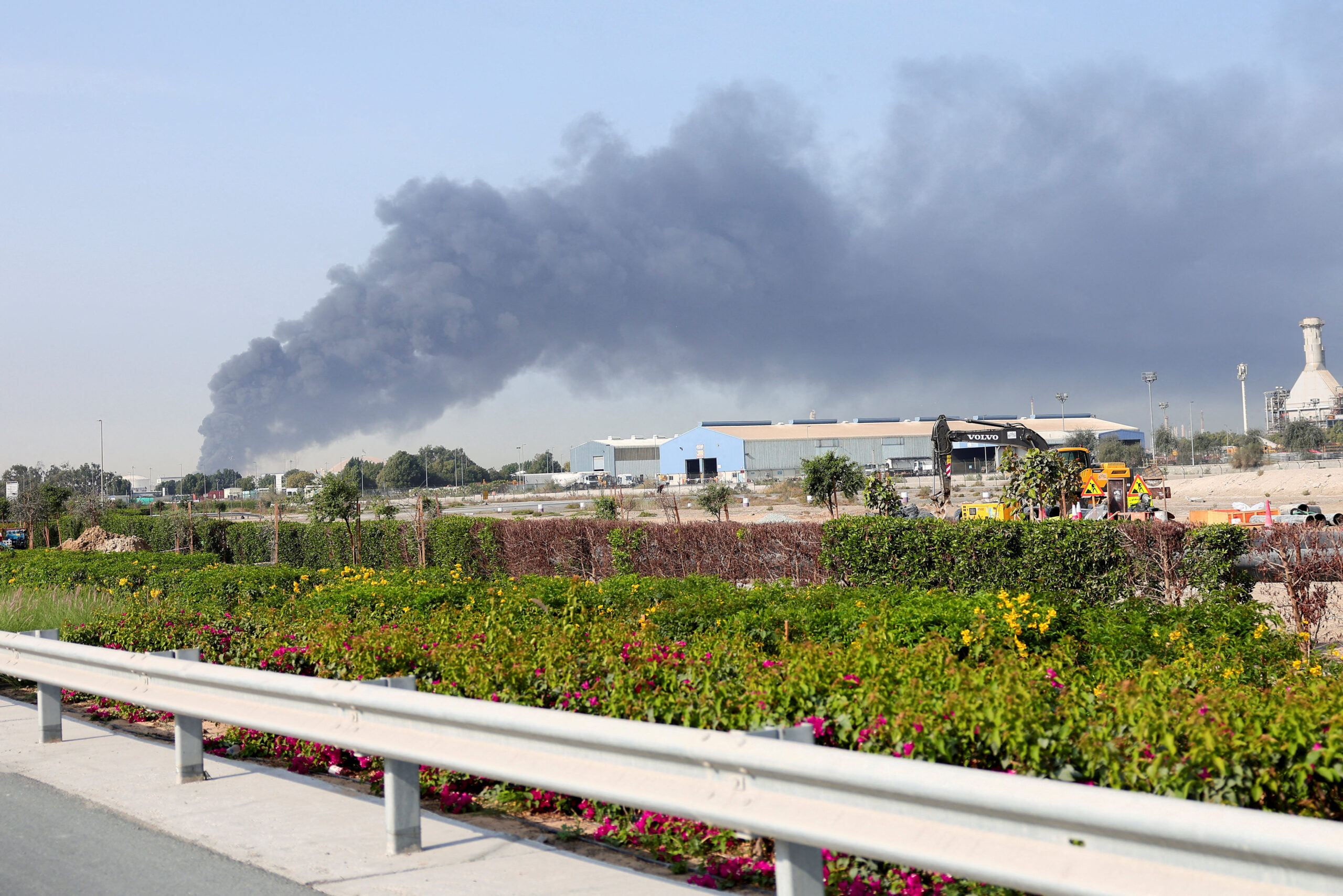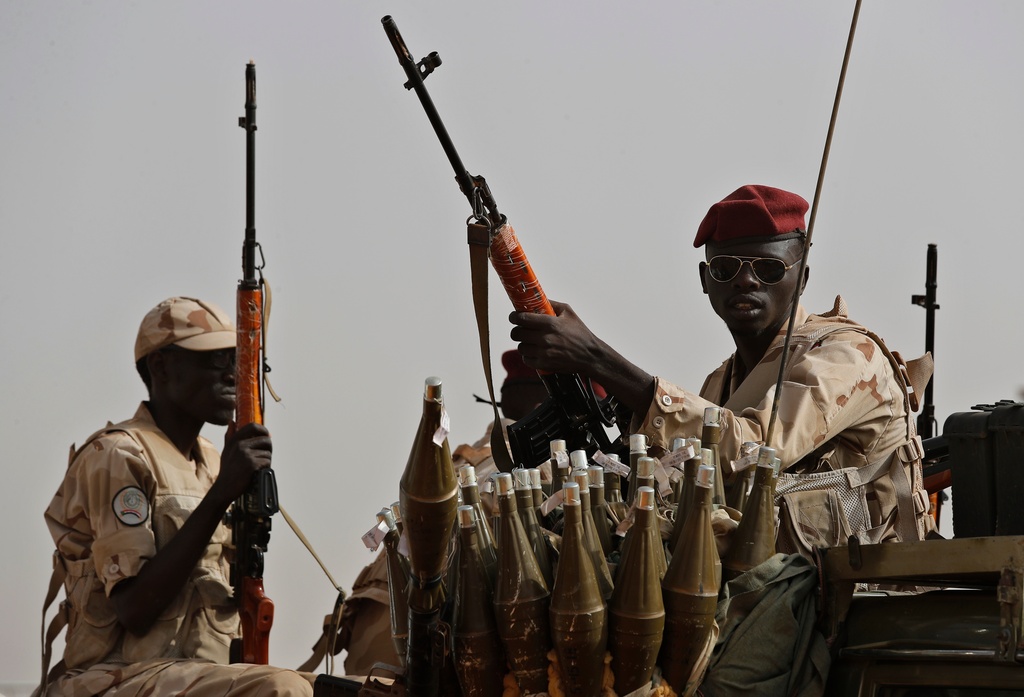
The central Kordofan region of Sudan has become the latest theater of brutal conflict, with the United Nations reporting a persistent and deadly wave of drone attacks targeting civilians. This escalation marks a grim expansion of the nearly three-year-long civil war, pushing the nation deeper into a humanitarian catastrophe. The United Nations High Commissioner for Human Rights, Volker Turk, has issued a stark warning, describing the situation as a "preventable human rights catastrophe" and urging immediate international intervention to halt the escalating violence.
Kordofan Becomes New Frontline in Sudan’s Devastating Conflict
The ongoing clashes between the Sudanese Armed Forces (SAF) and the paramilitary Rapid Support Forces (RSF) have significantly intensified in the Kordofan region. This shift in the conflict’s epicenter is raising alarms among international observers and humanitarian organizations, who fear a further surge in grave violations against an already beleaguered civilian population. The introduction and widespread use of advanced drone weaponry by both warring factions are particularly concerning, contributing to a rising civilian death toll and widespread injuries.
Volker Turk, the UN High Commissioner for Human Rights, presented a somber assessment to the Human Rights Council in Geneva, detailing the horrific realities unfolding across Sudan. His address highlighted survivor testimonies from el-Fasher, the capital of North Darfur, which fell to RSF forces in October after an extensive 18-month siege. These accounts paint a chilling picture of atrocity crimes, including mass killings and other severe violations committed against civilians in the wake of the city’s capture.
"Responsibility for these atrocity crimes lies squarely with the [RSF] and their allies and supporters," Turk stated, unequivocally placing blame on the paramilitary group for the systematic abuses documented.
Rising Civilian Casualties Amidst Escalating Drone Warfare
The UN human rights chief’s office has meticulously documented the human cost of the drone attacks. Between late January and February 6, over 90 civilian deaths and 142 injuries have been attributed to drone strikes carried out by both the RSF and the SAF. This period saw a significant increase in the deployment of drone technology by both sides, transforming previously safer areas into targets.
In a particularly devastating incident last week, three drone strikes on health facilities in South Kordofan resulted in the deaths of 31 individuals, according to figures released by the World Health Organization. These attacks underscore the indiscriminate nature of the warfare and its direct impact on essential civilian infrastructure, including healthcare services.
Further compounding the tragedy, a drone attack on February 7, attributed to the RSF, struck a vehicle carrying displaced families in central Sudan. The attack claimed the lives of at least 24 people, including eight children, as reported by the Sudan Doctors Network. These incidents are not isolated; they follow a pattern of recent drone assaults on humanitarian aid convoys and vital fuel trucks throughout North Kordofan.
Historic Siege Broken, New Fronts Emerge
The recent surge in violence in Kordofan follows the breaking of sieges on Kadugli and Dilling by the SAF and their allied Joint Forces in the past two weeks. While these military actions may represent tactical shifts, they have unfortunately coincided with intensified aerial bombardments and a greater risk to civilian populations caught in the crossfire. The continuous drone strikes by both factions have led to dozens of civilian deaths and injuries in these newly contested areas.
The conflict, which began in April 2023, has relentlessly expanded its reach, moving beyond the western Darfur region where it initially erupted. The central Kordofan areas are now experiencing the brunt of this expanded warfare, raising fears of a protracted and even more destructive phase of the conflict.
Widespread Destruction and Humanitarian Crisis
The impact of the prolonged conflict and the increasing reliance on aerial bombardment extends beyond immediate casualties. Volker Turk has personally witnessed the extensive damage inflicted by RSF attacks on Sudan’s Merowe Dam and its vital hydroelectric power station. This destruction has far-reaching consequences for the country’s infrastructure and its population.
"Repeated drone strikes have disrupted power and water supplies to huge numbers of people, with a serious impact on healthcare," Turk stated, highlighting the cascading effects of the attacks on essential services. The disruption of power and water not only affects daily life but also severely hampers the ability of hospitals and clinics to operate, exacerbating an already dire health crisis.
The overall humanitarian situation in Sudan remains catastrophic. Millions have been displaced, facing widespread food insecurity, lack of access to clean water, and a severely degraded healthcare system. The intensified fighting in Kordofan and the continued aerial bombardments threaten to further destabilize the region and deepen the suffering of its people.
International Response and the Specter of Escalation
The international community faces mounting pressure to take decisive action to end the bloodshed in Sudan. UN High Commissioner Turk’s stark warning that "we can only expect worse to come" unless the fighting ceases underscores the urgency of the situation. Inaction, he emphasized, will inevitably lead to even greater horrors and a more entrenched humanitarian disaster.
The conflict’s expansion and the nature of the warfare, particularly the use of advanced drone technology, present complex challenges for humanitarian efforts and potential peace negotiations. The indiscriminate nature of such attacks and the difficulty in distinguishing combatants from civilians make accountability and the protection of human rights increasingly challenging.
The ongoing violence in Kordofan and the documented atrocities serve as a grim reminder of the profound human cost of the protracted civil war. As the conflict evolves, so too does the scale of the devastation, demanding a robust and coordinated international response to avert further catastrophe and ensure accountability for the grave violations occurring on the ground. The future of Sudan hinges on a swift and effective intervention to de-escalate the violence and protect its civilian population from the relentless onslaught of war.