A wave of deadly drone attacks has claimed lives on both sides of the Russia-Ukraine conflict, casting a dark shadow over upcoming U.S.-brokered negotiations aimed at securing a ceasefire and ending the protracted war. The escalating violence, which killed at least one person in Ukraine and one in Russia, raises significant doubts about the possibility of substantive progress in the next round of talks scheduled for Geneva next week. The grim news emerged as Ukrainian President Volodymyr Zelenskyy and U.S. Secretary of State Marco Rubio signaled considerable hurdles to achieving an agreement, with the conflict poised to enter its fifth year.
Escalating Attacks Undermine Diplomatic Efforts
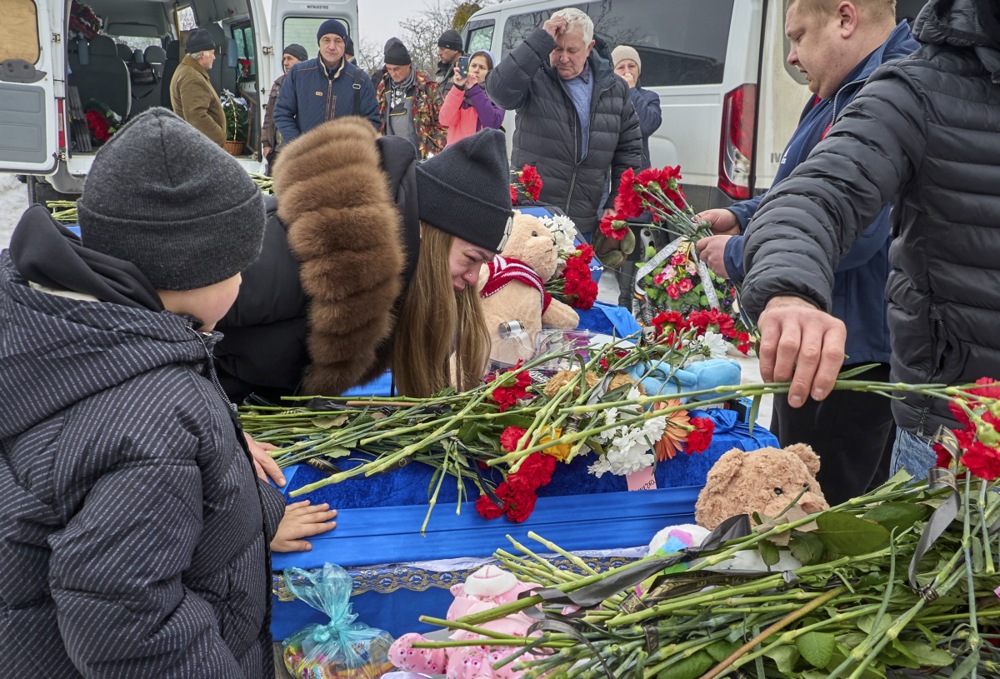
The synchronized drone strikes underscore the volatile nature of the ongoing conflict, even as diplomatic channels are being utilized to seek a resolution. In Ukraine, an elderly woman was killed on Saturday when a Russian drone struck a residential building in the southern port city of Odesa, according to the State Emergency Service. Earlier in the week, Russian attacks on Wednesday in the northeastern Kharkiv region claimed the lives of three children, including two-year-old twins, and their father, highlighting the devastating human cost of the aerial assaults.
Conversely, Russia reported civilian casualties from Ukrainian drone activity. On Saturday, a civilian was killed in a Ukrainian drone strike that targeted a car in the Bryansk region, a Russian governor stated. This incident followed a Ukrainian missile strike on the Russian city of Belgorod near the border on Wednesday, which reportedly killed two people and injured five, according to regional authorities. The Belgorod attack also caused significant damage to energy infrastructure, disrupting electricity, heating, and water supplies to residents and damaging residential buildings.
Leaders Express Skepticism Ahead of Geneva Talks
The somber reality of these escalating attacks has seeped into the highest levels of diplomatic discourse. President Zelenskyy, speaking at the Munich Security Conference on Saturday, articulated his hope for "substantive" progress in the upcoming trilateral meeting. However, he candidly admitted that the negotiations often feel like the two sides are "talking about different things." He specifically pointed to perceived American tendencies to focus on concessions, often framed solely in the context of Ukraine rather than Russia.
U.S. Secretary of State Marco Rubio echoed these concerns, expressing uncertainty about Russia’s genuine commitment to a peace deal. "We don’t know if the Russians are serious about ending the war," Rubio stated before the same Munich event. "We’re going to continue to test it." This skepticism from a key American negotiator suggests a cautious and perhaps weary approach as the talks approach, tempered by past disappointments.
Key Sticking Points in the Negotiation Landscape
Central to the impasse in negotiations is Russia’s persistent demand for a complete withdrawal of Ukrainian troops from the remaining territories it controls in the eastern Donetsk region. Ukraine has unequivocally rejected a unilateral pullback, insisting instead on robust Western security guarantees to deter future Russian aggression should a ceasefire be implemented. This fundamental disagreement over territorial integrity and security assurances remains a significant obstacle to any lasting peace.

The effectiveness of the U.S. mediation effort has also come under scrutiny. While President Zelenskyy expressed hope for continued U.S. involvement and deepened engagement from European nations, some European officials have called for a more assertive stance from Washington. Dutch Foreign Minister David van Weel suggested that while the U.S. administration has played a role in facilitating discussions, more direct pressure on Russian President Vladimir Putin is needed. "Putin has shown no goodwill to come to the table and make a serious deal. The Ukrainians are ready," van Weel commented, implying a perceived imbalance in the diplomatic push.
The Grim Toll of the Prolonged Conflict
The ongoing conflict, which Russia launched in a full-scale invasion on February 24, 2022, has resulted in staggering casualties. Estimates suggest hundreds of thousands of soldiers and tens of thousands of civilians have been killed, making it Europe’s deadliest war since World War II. The sheer scale of the human suffering is compounded by the relentless nature of the fighting, characterized by increasingly sophisticated drone warfare.
President Zelenskyy revealed that in January alone, Russia conducted over 6,000 drone attacks against Ukraine. However, he expressed confidence that Ukraine would soon possess sufficient interceptor capabilities to render Russia’s Iran-made Shahed drones "meaningless." He also highlighted the extensive damage inflicted on Ukraine’s energy infrastructure, stating that every power plant in the country has been damaged by Russian attacks, a grim reality exacerbated by the harsh winter conditions.
NATO’s Perspective and Russia’s Losses
In contrast to the direct battlefield reporting, NATO Secretary-General Mark Rutte offered a broader assessment of the military situation at the Munich Security Conference. Rutte informed attendees that Russia is enduring "crazy losses" in Ukraine, estimating approximately 65,000 Russian soldiers killed on the battlefield over the past two months. He also asserted the strength of the NATO alliance, stating that Russia would not currently attempt to attack it. "We will win every fight with Russia if they attack us now, and we have to make sure in two, four, six years that same is still the case," Rutte declared, projecting confidence in NATO’s defensive capabilities.
The Psychological Impact of "Energy Terror"
Beyond the direct casualties, the conflict has inflicted immense psychological and material damage on civilian populations. Ukrainian officials have accused Russia of engaging in "energy terror" by deliberately targeting electricity facilities during the winter months. Oleksiy Goncharenko, a Ukrainian member of parliament, described the harrowing experience of living without heating and electricity in sub-zero temperatures. "I can’t call it any other way because when it is minus 20 Celsius in Kyiv and you don’t have heating, you don’t have electricity in your apartment, you’re just freezing and that is awful," Goncharenko told Al Jazeera in Munich. He reiterated the call for the United States to exert more significant pressure on Russia to engage in genuine negotiations, asserting that the current discussions do not reflect a real commitment to peace.
A Race Against Time and Diplomatic Fatigue
The urgency for a resolution is palpable, particularly as the conflict grinds on with no clear end in sight. President Zelenskyy had previously indicated that the U.S. had set a June deadline for the warring parties to reach a deal, though past ultimatums from the U.S. administration have not yielded significant breakthroughs. Previous rounds of trilateral talks, held in Abu Dhabi and reportedly focused on military aspects like buffer zones and ceasefire monitoring, were led by U.S. envoys Steve Witkoff and Jared Kushner.
The current climate of escalating violence, coupled with the evident skepticism among key negotiators, paints a challenging picture for the upcoming Geneva discussions. The human cost continues to mount, and the diplomatic path forward appears fraught with peril, demanding a renewed commitment from all parties to bridge the chasm of mistrust and achieve a sustainable peace. The world watches, hoping that the upcoming talks, despite the grim backdrop, can finally steer the region away from further devastation.