Discord is set to overhaul its user safety infrastructure by implementing a mandatory age verification system for its global user base starting in early March. The San Francisco-based communications giant, which boasts over 200 million monthly active users, announced the shift as part of a broader initiative to transition the platform into a "teen-by-default" environment. This move aligns Discord with other major social gaming platforms, such as Roblox, which have faced increasing pressure from global regulators to fortify protections for younger users.
The implementation of the Discord age verification system marks a significant departure from the platform’s historical reliance on self-reported birth dates. Under the new protocol, users will be required to provide concrete proof of their age to access specific features or to maintain their status as adult accounts. The company has already piloted these measures in the United Kingdom and Australia, citing the need to comply with local legislative frameworks like the UK’s Online Safety Act.
Understanding the Mandatory Discord Age Verification Rollout
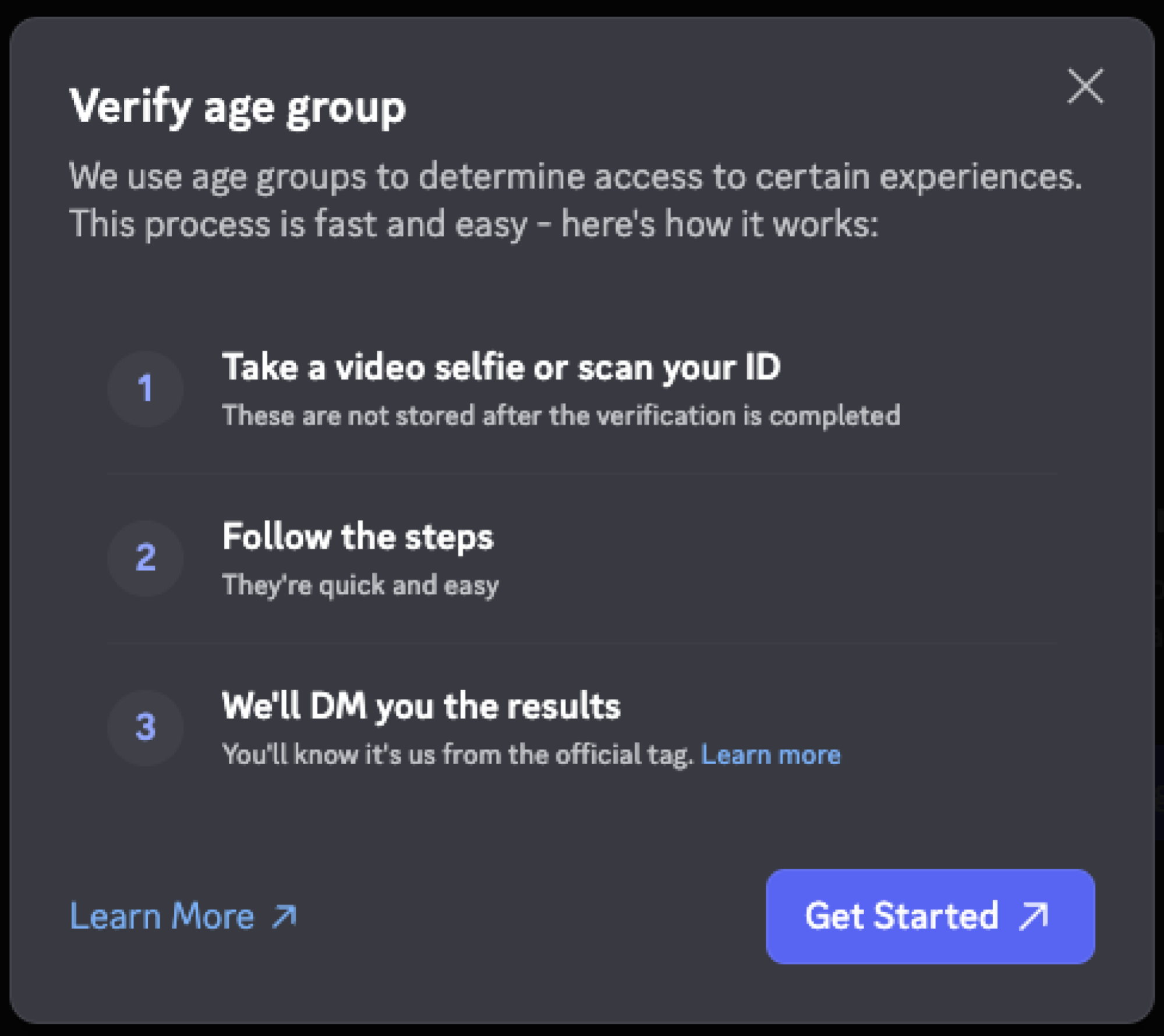
The global rollout of Discord age verification is scheduled to begin in early March, affecting both new and existing accounts. Users will encounter a mandatory prompt upon logging into the application, whether on desktop or mobile devices. This pop-up, titled "Verify Your Age," serves as the entry point for the new assurance system.
The "teen-by-default" strategy means that every account on the platform will be treated as belonging to a minor unless the user successfully completes the verification process to prove they are 18 or older. For many users, this will involve a multi-step digital confirmation process designed to interface with third-party age assurance technologies.
Discord has stated that the primary goal is to create a tiered experience where younger users are shielded from potentially sensitive content while adults retain the ability to participate in mature communities. However, the requirement to submit personal identification has already sparked discussions regarding digital privacy and the security of sensitive user data.
The Step-by-Step Discord Age Verification Process
When the system goes live worldwide, users will be met with a "Get Started" prompt that initiates the verification sequence. The process primarily utilizes two methods of verification: facial age estimation via a selfie or the submission of a government-issued identification document.
In the first scenario, a user may be asked to take a real-time selfie through the Discord interface. The platform’s automated systems analyze facial features to estimate the user’s age. If the system can confidently determine that a user is over the age of 18, the verification is completed instantly.
In cases where the facial estimation is inconclusive—often due to lighting, image quality, or the user being close to the age threshold—the system will escalate the requirement. Users will then be prompted to upload a photo of a valid government ID, such as a driver’s license or passport, alongside a matching selfie. This secondary layer ensures that the person holding the ID is the same individual attempting to verify the account.
Privacy Protocols and Data Retention Policies
One of the most significant concerns regarding Discord age verification involves the handling of sensitive personal documents. Discord has addressed these concerns by stating that the uploaded images and ID data are not stored permanently on their servers.
According to the company’s official documentation, the selfie and ID photos are used solely for the purpose of the immediate verification check. Once the system confirms the user’s age and assigns them to the appropriate age group, the raw image data is deleted. Discord emphasizes that this process is handled with high-level encryption to prevent data intercepts during the transmission phase.

Despite these assurances, privacy advocates have noted that the use of third-party verification partners introduces additional links in the data chain. Discord has maintained that its partners are held to strict data protection standards, but the move represents a shift in the platform’s data collection footprint, which was previously focused on communication metadata rather than legal identity.
The Teen-by-Default Experience and Content Restrictions
The transition to a "teen-by-default" ecosystem has immediate consequences for how content is consumed on the platform. For users who do not undergo Discord age verification, or those confirmed to be between the ages of 13 and 17, several restrictive measures will be automatically applied to their accounts.
The most visible change is the automatic blurring of sensitive content. Discord will use machine learning tools to identify and obscure images or videos that may be inappropriate for minors. While adult users can opt-out of these filters after verifying their age, teen accounts will have these settings locked by default.
Furthermore, teen accounts will be restricted from joining or viewing "age-restricted" channels and servers. These spaces, often designated as 18+ by community moderators, will become invisible or inaccessible to unverified users. This change is expected to have a profound impact on how hobbyist communities and adult gaming groups manage their memberships.
Communication Safety and Direct Message Filtering
Beyond content blurring, the Discord age verification initiative introduces new hurdles for direct communication. Teenagers will have a segregated inbox for messages received from users who are not on their established friend lists. This "Requests" folder is intended to prevent "stranger danger" and unsolicited contact from potentially malicious actors.
Additionally, teen users will receive proactive safety warnings when they receive friend requests from accounts that the system deems suspicious or unfamiliar. These prompts are designed to encourage younger users to vet their digital social circles more carefully.
Another significant restriction involves the "Stage" feature, which allows for live audio broadcasts within servers. Teen-age accounts will be prohibited from speaking on Stages in many contexts, a move aimed at reducing the risk of minors being broadcast to large, unvetted audiences.
Regulatory Pressures and the Global Shift Toward Age Assurance
The decision to implement Discord age verification is not an isolated event but rather a response to a global trend in digital regulation. Governments in the United States, Europe, and Australia are increasingly holding tech companies liable for the safety of minors on their platforms.
In the United States, several states have introduced or passed legislation requiring social media companies to verify the ages of their users. The California Age-Appropriate Design Code Act, for example, mandates that platforms prioritize the "best interests of children" and implement high-privacy settings by default. Nationally, the Children’s Online Privacy Protection Act (COPPA) continues to dictate how companies handle the data of users under 13.
In the European Union, the Digital Services Act (DSA) places rigorous transparency and safety requirements on "Very Large Online Platforms." By moving toward mandatory verification, Discord is positioning itself to avoid the heavy fines and legal challenges that have plagued other social media giants who failed to adequately police age-restricted content.
Impact on Server Management and Community Moderation
The introduction of mandatory Discord age verification will significantly change the landscape for server owners and moderators. For years, moderators of 18+ communities had to rely on manual "gatekeeping" methods, such as asking for ID photos in private messages—a practice that was often criticized for being insecure and unreliable.

With the new system, the burden of age verification shifts from the community moderators to the platform itself. This could potentially professionalize the moderation of mature servers, as the "18+" tag will now be backed by Discord’s own verification logic.
However, some community leaders have expressed concern that the "teen-by-default" setting might lead to a drop in engagement. Adult users who are unwilling to share their ID with Discord may find themselves locked out of their favorite communities, potentially driving them to alternative, less-regulated communication platforms.
Challenges with Underage Users and the Appeals Process
The minimum age to use Discord in the United States and many other territories remains 13. A critical component of the Discord age verification rollout is the immediate suspension of accounts found to be under this threshold.
During the verification process, if a user’s submitted ID or facial estimation reveals they are younger than 13, the account will be banned entirely. This is a strict adherence to COPPA and similar international laws. Discord has acknowledged that automated systems are not infallible and has established an appeals process for users who believe they have been incorrectly flagged.
Users who are locked out must provide a photo of themselves holding their ID and a piece of paper with their full Discord username. This manual review process is intended to catch errors made by the AI-driven estimation tools, though it remains a point of friction for the user experience.
Industry Trends and the Future of Digital Identity
Discord’s move follows a path blazed by Roblox, which implemented similar mandatory age assurance measures to protect its younger demographic. As more platforms adopt these technologies, the concept of the "anonymous internet" continues to erode in favor of a "verified internet."
The industry is currently seeing a surge in "Age Assurance Providers"—specialized tech firms that provide the API for facial analysis and ID scanning. These companies argue that their methods are more privacy-preserving than traditional databases because they provide a simple "Yes/No" answer to the platform regarding the user’s age without sharing the underlying identity data.
As Discord transitions into this new era, the success of the rollout will likely be measured by how well the company balances these safety mandates with its reputation for user privacy and community-driven freedom.
Long-term Consequences for the Digital Landscape
The implementation of Discord age verification signifies a turning point for the platform as it matures from a gaming-centric chat app into a mainstream social utility. By early March, the "wild west" era of unverified Discord participation will largely come to an end for users seeking a full, unrestricted experience.
While the "teen-by-default" model offers a robust safety net for parents and educators, it also signals a future where digital access is increasingly tied to legal identity. As the global rollout approaches, users will have to decide whether the trade-off between privacy and platform access is one they are willing to make. The outcome will likely influence how other communication platforms, from Telegram to WhatsApp, approach the mounting pressure for age-gated digital spaces.