
Prince Andrew, the Duke of York, faces the unprecedented prospect of being formally removed from the British royal line of succession after his arrest on February 19, 2026, on suspicion of misconduct in public office. The 66-year-old former royal, who currently stands eighth in line to the throne, was taken into custody by British authorities in connection with allegations of sharing sensitive government travel details with convicted sex offender Jeffrey Epstein during his tenure as a trade envoy.
A Shocking Development for the Monarchy
The arrest marks a dramatic escalation in Prince Andrew’s long-running public downfall, which has deeply embroiled the royal family in controversy for years. This latest development places immense pressure on Buckingham Palace and the British government to consider the duke’s future role, or lack thereof, within the monarchy’s constitutional framework. The potential removal from the royal line of succession would require a complex and politically charged process involving both the British Parliament and the legislatures of 14 Commonwealth realms that recognize the British monarch as their head of state.
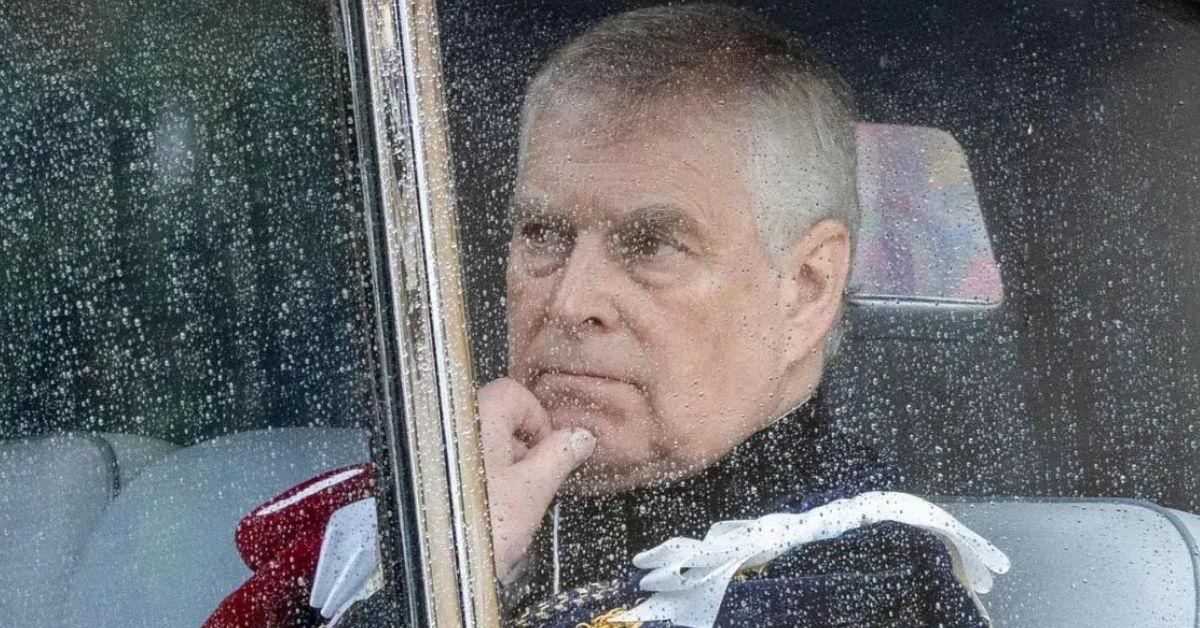
Prince Andrew’s Tumultuous Past and Recent Stripping of Titles
The Duke of York’s association with Jeffrey Epstein has been a stain on the royal family for over a decade. Andrew’s friendship with the American financier, who died by suicide in prison in 2019 while awaiting trial on sex trafficking charges, drew intense scrutiny and criticism. This scandal reached a fever pitch following a disastrous 2019 BBC Newsnight interview, where Andrew’s perceived lack of empathy and evasive answers regarding his relationship with Epstein and allegations of sexual assault against him by Virginia Giuffre sparked widespread outrage.
In January 2022, facing a civil sexual assault lawsuit in the United States and intense public pressure, Queen Elizabeth II stripped her second son of his military titles, royal patronages, and his right to use the style "His Royal Highness." He later settled the civil lawsuit with Giuffre for an undisclosed sum. King Charles III, upon his ascension to the throne, further distanced the monarchy from his younger brother, removing his remaining formal royal roles last year. Despite these significant curtailments of his royal life, Andrew retained his place in the line of succession due to the specific legal mechanisms governing royal succession.
The Intricacies of Royal Succession Laws
The British royal line of succession is primarily governed by the Act of Settlement 1701, which was later amended by the Succession to the Crown Act 2013. These laws dictate that succession is determined by birth order, with male primogeniture historically taking precedence until the 2013 act introduced absolute primogeniture for those born after October 28, 2011. While individuals can lose their place in the line of succession through marriage to a Roman Catholic (a provision removed by the 2013 Act) or by becoming naturalized citizens of other countries, there is no direct precedent for removal based on criminal allegations or conviction, particularly for someone so high in the order.
The requirement for parliamentary approval in the United Kingdom and concurrence from the 14 Commonwealth realms underscores the profound constitutional implications of such a move. These independent nations, including Canada, Australia, and New Zealand, recognize the British monarch as their sovereign, and any alteration to the line of succession requires their legislative consent to maintain constitutional uniformity across the realms. This intricate process highlights the political will required to enact such a significant change, far beyond the monarch’s personal discretion.
Details of the Recent Arrest and Investigation
Prince Andrew’s arrest on February 19, 2026, stems from an ongoing investigation into his conduct during his time as the UK’s Special Representative for International Trade and Investment, a role he held from 2001 to 2011. Authorities suspect he may have divulged confidential travel itineraries and other sensitive information related to his official trips to various destinations, including Asia and Afghanistan, to Jeffrey Epstein in the early 2010s. Such an act, if proven, could constitute misconduct in public office, a serious criminal offense in the UK that carries significant penalties.

Following the arrest, British police initiated a search of Royal Lodge, the Windsor estate where Prince Andrew had resided for many years. Investigators are seeking any potential evidence that might corroborate the allegations. Andrew recently relocated to the Sandringham Estate in Norfolk, having been evicted from Royal Lodge as part of the broader efforts by King Charles to reduce the monarchy’s ties with his disgraced brother and streamline royal finances. The search of his former residence indicates the seriousness of the police inquiry and the thoroughness of their investigation into the historical allegations.
King Charles’s Firm Stance and Royal Unity
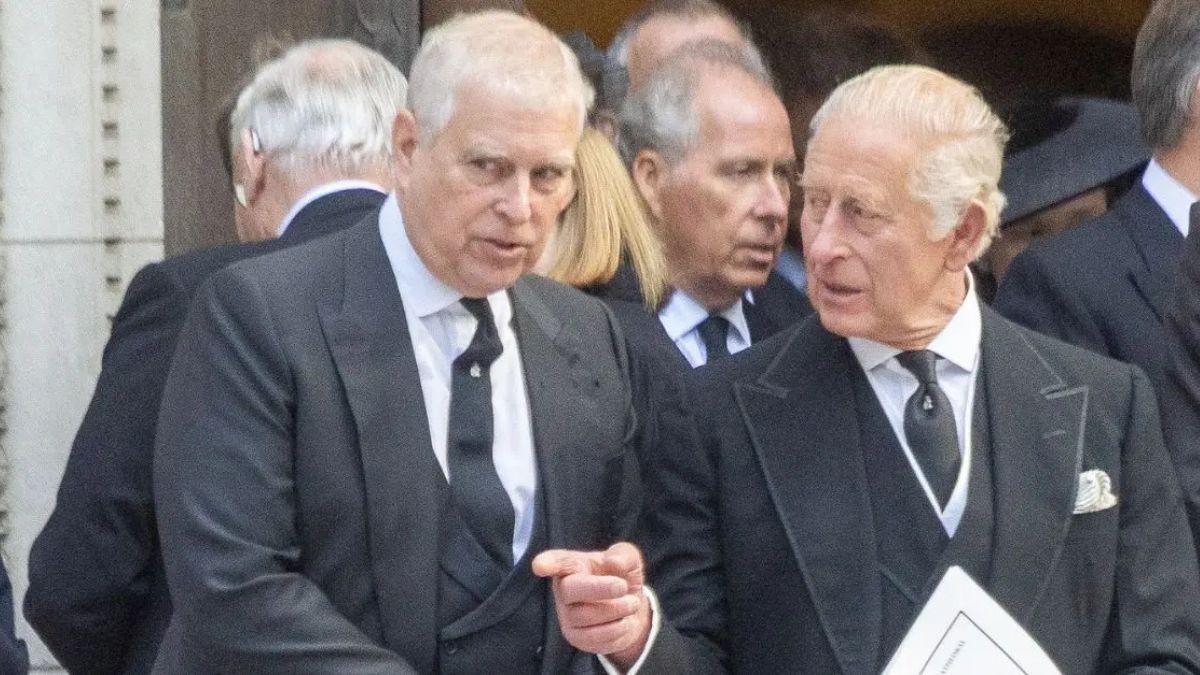
In a swift and decisive response, King Charles III issued a statement expressing the monarchy’s full cooperation with the investigation. The 77-year-old monarch stated, "I have learned with the deepest concern the news about Andrew Mountbatten-Windsor and suspicion of misconduct in public office." He emphasized the importance of due process, asserting, "What now follows is the full, fair and proper process by which this issue is investigated in the appropriate manner and by the appropriate authorities. In this, as I have said before, they have our full and wholehearted support and co-operation." The King concluded his message with an unequivocal declaration: "Let me state clearly: the law must take its course."
Sources close to Buckingham Palace revealed that neither King Charles nor the Palace were given advance notice of Prince Andrew’s arrest, signaling the independence of the police investigation from royal influence. This lack of prior notification underscores the legal system’s impartiality, even when dealing with members of the royal family. Prince William, 43, and Catherine, Princess of Wales, have publicly voiced their support for King Charles following his statement, reaffirming a united front within the core working monarchy during this turbulent period. However, they have indicated they will not issue a separate official statement on the matter.
Broader Implications for the Monarchy and Public Perception
The ongoing scandal and the latest arrest of Prince Andrew cast a long shadow over the British monarchy, which has recently faced other challenges, including the King and Princess of Wales’s recent health issues and the ongoing saga involving Prince Harry and Meghan, Duchess of Sussex. The public’s perception of the institution, already strained by past controversies, could be further eroded by the continuing association with serious criminal allegations. The monarchy, under King Charles, has been striving to project an image of modernization, transparency, and adherence to public service. Prince Andrew’s legal troubles directly challenge this effort.
The potential removal of Andrew from the royal line of succession would be an unprecedented constitutional event in modern times. It would send a powerful message about accountability, even for those born into privilege, and could set a new precedent for how the monarchy handles members whose conduct brings the institution into disrepute. Such a move would undoubtedly spark extensive public debate in the UK and across the Commonwealth, scrutinizing the very nature of inherited status and royal privilege.
Personal Toll and Next Steps
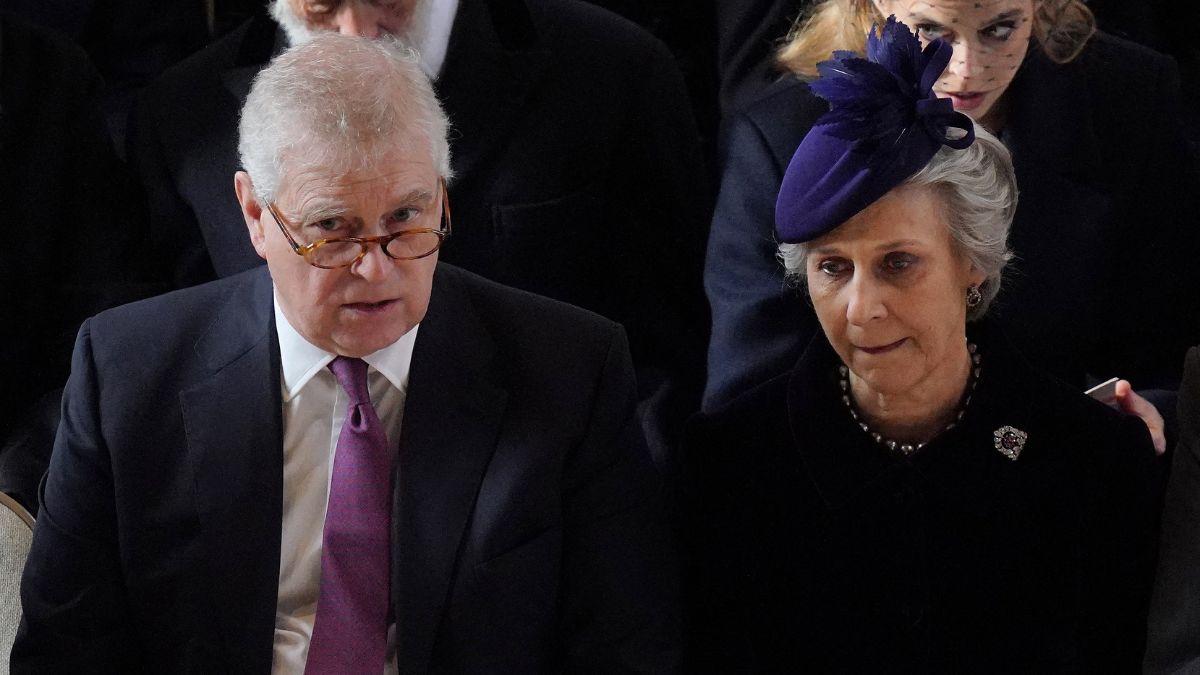
Beyond the constitutional and political ramifications, the arrest has also taken a personal toll on those closest to Prince Andrew. His ex-wife, Sarah Ferguson, 66, is reportedly struggling with the news. A source close to the Duchess of York divulged on February 20 that she is experiencing significant mental health challenges and feels that "everyone is out to get her." Despite their divorce, Andrew and Sarah have maintained a close relationship, even living together at times, and share two daughters, Princess Beatrice and Princess Eugenie. The renewed public scrutiny and legal battles are undoubtedly a source of distress for the entire family.
As the police investigation continues, Prince Andrew remains in custody. The immediate next steps will involve further questioning by authorities and a determination of whether formal charges will be brought against him. Should charges be filed, the case would proceed through the British legal system, a process that could be lengthy and highly publicized. Concurrently, the discussions around his place in the royal line of succession will likely intensify, forcing political leaders and constitutional experts to navigate uncharted territory in the annals of the British monarchy. The outcome of these intertwined legal and constitutional processes will undoubtedly shape the future trajectory of Prince Andrew’s life and, potentially, the enduring image of the royal family itself.