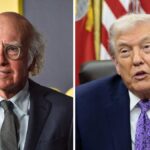
Former President Donald Trump faced widespread criticism and renewed scrutiny after referring to deceased financier and convicted sex offender Jeffrey Epstein by his first name during a recent press interaction, a moment that quickly went viral and appeared to contradict his repeated assertions of a distant acquaintance. The former president’s linguistic slip, occurring amidst denials of ever visiting Epstein’s infamous island, fueled public skepticism and reignited debate over the nature of his past relationship with the disgraced figure.
The Viral Moment: "Jeffrey’s Island" Slip Under Scrutiny
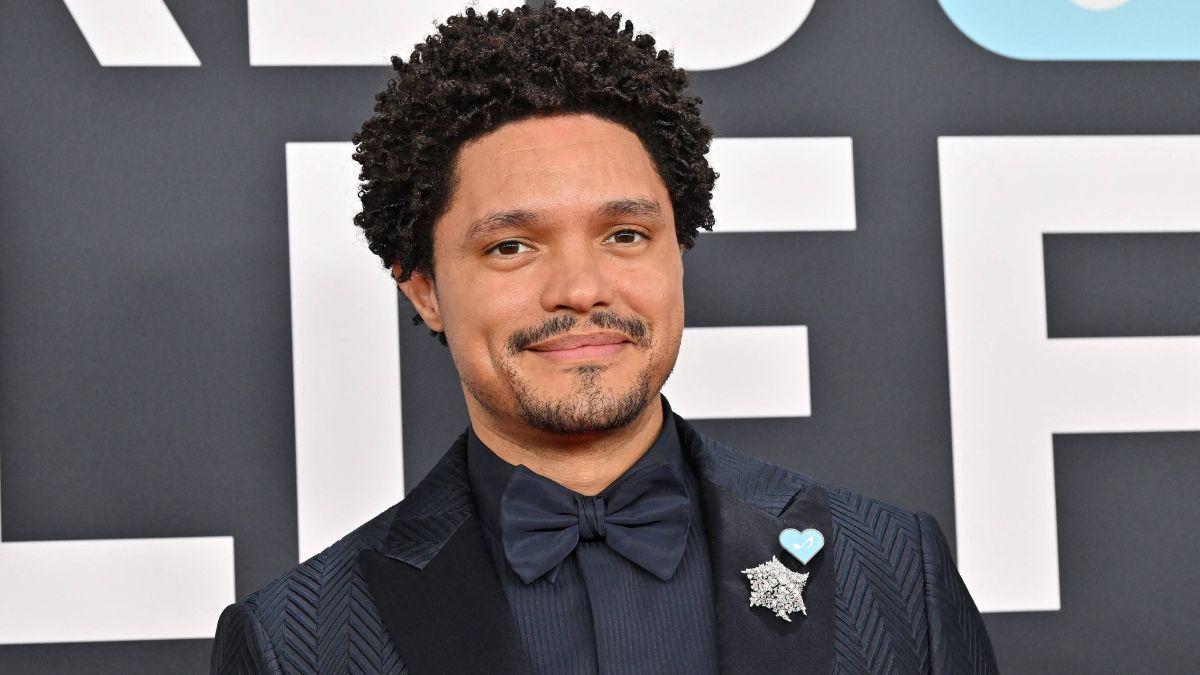
The incident unfolded on Tuesday when reporters in the Oval Office questioned Donald Trump about a recent joke made by comedian Trevor Noah at the 2026 Grammy Awards. Noah’s quip had linked Trump to Epstein’s notorious private island, Little Saint James. In his response, Trump vehemently denied the accusation but inadvertently used a level of familiarity that immediately drew public attention.
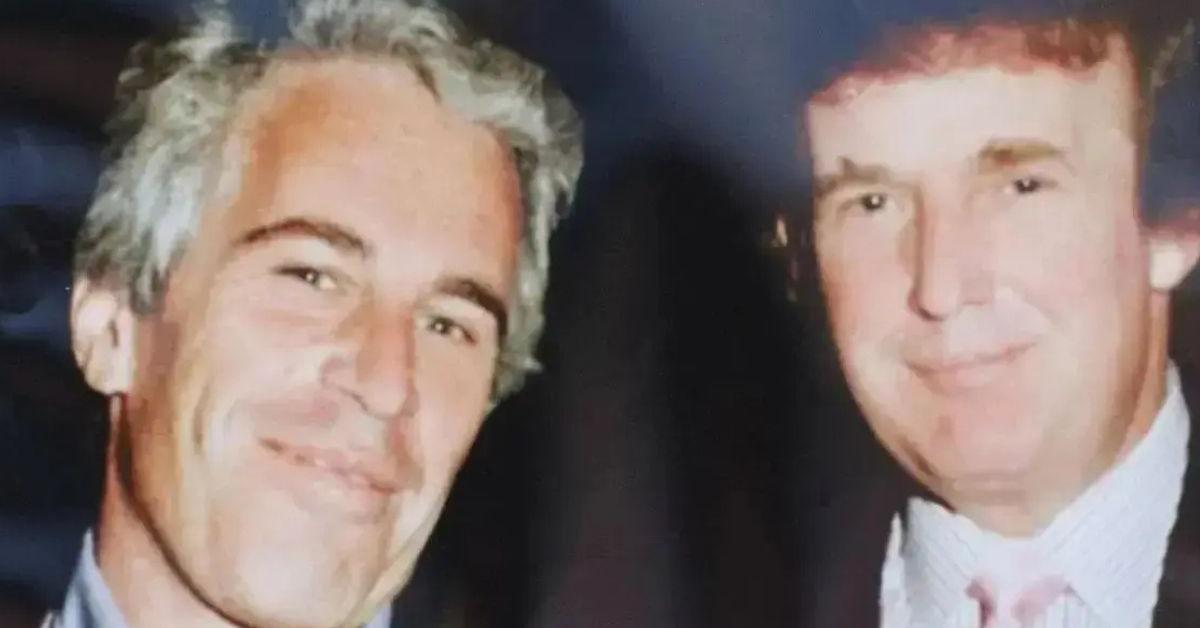
"[Trevor Noah] said I spent time on Jeffrey’s — Jeffrey Epstein’s island. I didn’t. He’s a lightweight, this guy, I think he’s terrible," Trump stated. The pause and initial use of "Jeffrey’s" before self-correcting to "Jeffrey Epstein’s" was captured on video and rapidly circulated across social media platforms. This seemingly minor misstep quickly became a focal point for those questioning the sincerity of Trump’s claims of limited association with Epstein.
Trevor Noah’s Grammy Gauntlet
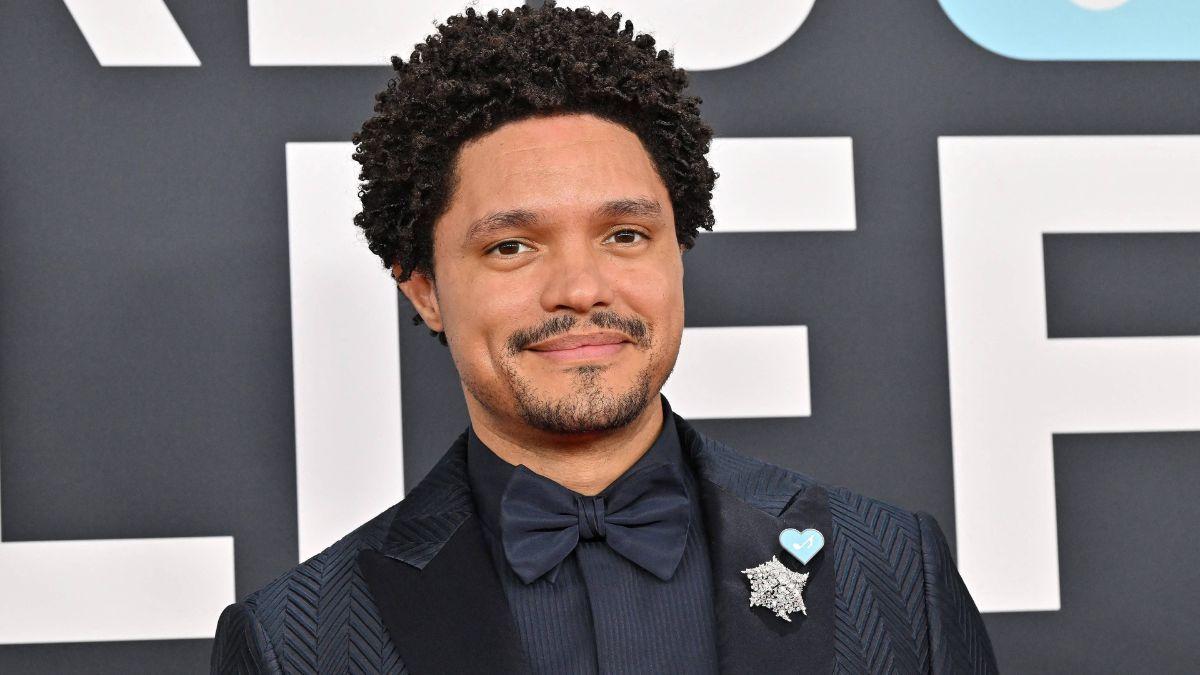
The catalyst for Trump’s remarks was a segment during the February 1, 2026, Grammy Awards, where host Trevor Noah, 41, integrated a pointed joke about the former president. During his monologue, Noah quipped, "Song of the Year — that is a Grammy that every artist wants almost as much as Trump wants Greenland, which makes sense because Epstein’s island is gone, he needs a new one to hang out with Bill Clinton." The joke, a characteristic blend of political satire and pop culture commentary, was met with a mixed reaction but successfully garnered significant media attention, prompting reporters to seek Trump’s direct response.
Trump’s Vehement Denials and Legal Threats
Following Noah’s joke and the subsequent press inquiry, Donald Trump not only denied visiting Epstein Island but also expressed strong indignation, even threatening legal action against the comedian. On his social media platform, Trump posted a furious rebuttal, calling Noah a "total loser" and labeling his statement "false and defamatory."
"Noah said, INCORRECTLY about me, that Donald Trump and Bill Clinton spent time on Epstein Island. WRONG!!!" Trump declared. "I can’t speak for Bill, but I have never been to Epstein Island, nor anywhere close, and until tonight’s false and defamatory statement, have never been accused of being there, not even by the Fake News Media." This strong denial, however, was undercut in the public eye by his earlier slip of the tongue regarding Epstein’s first name, which many perceived as a telling sign of a deeper, more personal connection than he publicly admitted. Trump has consistently sought to distance himself from Epstein since the financier’s criminal activities became widely known, often emphasizing a "falling out" over a real estate dispute.
A History of Association: Trump and Epstein’s Shared Circles
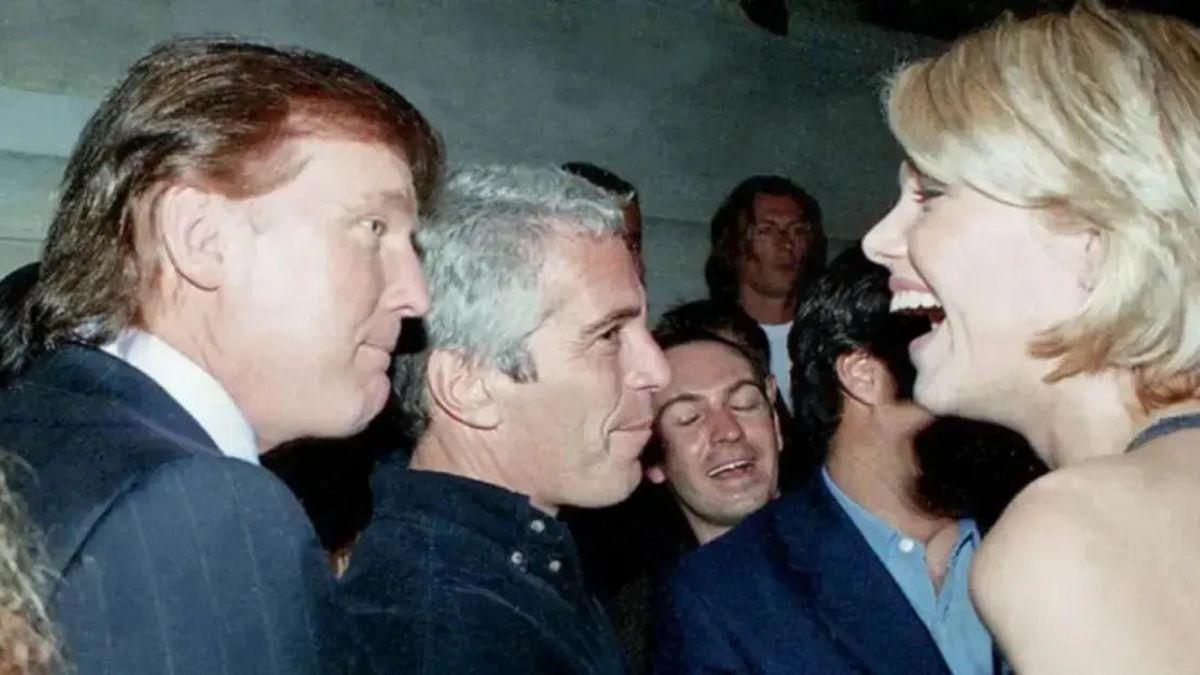
The relationship between Donald Trump and Jeffrey Epstein has been a subject of intense public and media interest for years, largely due to their known social interactions and shared circles within elite New York and Palm Beach society. Despite Trump’s repeated attempts to characterize their acquaintance as superficial, historical records and past statements suggest a more involved association.
Palm Beach Proximity and Social Ties
The connection between Trump and Epstein dates back to at least 1987, when both men were prominent figures in Palm Beach, Florida, and New York social scenes. They were neighbors in Palm Beach, where Epstein owned a lavish mansion near Trump’s Mar-a-Lago estate. Reports indicate they frequented similar social events and moved within the same high-society circles. A notable instance of their connection was Epstein’s attendance at Trump’s 1993 wedding to Marla Maples, an event typically reserved for close friends and family. This detail often surfaces as evidence against Trump’s claims of only a passing acquaintance with Epstein, suggesting a more established social bond.

The Alleged Real Estate Rift
Donald Trump has frequently attributed the eventual deterioration of his relationship with Jeffrey Epstein to a real estate dispute in Florida during the early 2000s. While details of this alleged falling out remain somewhat vague, Trump has used it as a narrative to explain why their association ceased years before Epstein’s most serious criminal charges became public knowledge. This narrative serves to create a clear timeline, placing their separation prior to the widespread revelations of Epstein’s abhorrent crimes. However, the lack of specific, verifiable details about the real estate disagreement has left room for ongoing public speculation and skepticism regarding the true nature and timing of their estrangement.
Public Scrutiny and the "Jeffrey" Backlash
The former president’s use of "Jeffrey" when referring to Epstein ignited an immediate and fierce backlash across social media, particularly on platforms like X (formerly Twitter). Users quickly seized on the slip of the tongue, interpreting it as an involuntary admission of a deeper, more familiar bond than Trump has ever publicly acknowledged.
Social Media Erupts
The video clip of Trump’s comment went viral within hours, becoming a trending topic. Social media users flooded feeds with comments, memes, and analyses of the moment. Many echoed sentiments like, "Slip of familiarity, there. Old buddy," or questioned why someone who barely knew Epstein would instinctively use his first name. One user sarcastically remarked, "I barely knew J-Dog," highlighting the perceived incongruity between Trump’s public denials and his casual address. The public’s collective reaction underscored a deep skepticism regarding the former president’s narrative about his relationship with Epstein, with the first-name address seen by many as a revealing, unguarded moment.
Broader Implications for Public Perception
This particular linguistic slip resonates profoundly with the public because it taps into long-standing suspicions about the extent of Jeffrey Epstein’s network and the involvement of powerful figures. For many, the casual "Jeffrey" confirmed existing biases or suspicions that Trump’s relationship with the convicted sex offender was more intimate than he let on. In an era where public trust in institutions and political figures is often tenuous, such perceived inconsistencies can significantly erode credibility. The incident not only fueled online debate but also contributed to the broader narrative surrounding the enduring mystery and calls for accountability related to Epstein’s crimes and his associates.
The Enduring Shadow of Jeffrey Epstein
The re-emergence of Jeffrey Epstein’s name in public discourse, particularly in connection with high-profile individuals, consistently reminds the public of the gravity of his crimes and the unanswered questions surrounding his vast network. The recent "Jeffrey" comment by Donald Trump serves to further solidify the financier’s place in public memory as a symbol of power, privilege, and profound moral failure.
Epstein’s Crimes and Network
Jeffrey Epstein was a wealthy financier whose criminal activities involved the sex trafficking and abuse of underage girls for decades. His convictions in 2008 and subsequent federal charges in 2019 brought to light a horrific pattern of exploitation. Epstein’s death by suicide in a New York jail in August 2019, while awaiting trial, sparked widespread disbelief and fueled numerous conspiracy theories, preventing a full public accounting of his alleged accomplices and victims. The recent unsealing of court documents, containing lists of individuals associated with Epstein, has only intensified public interest and demands for full transparency and justice for his victims.
Political Optics and Accountability
For any public figure, especially a former president, associations with Jeffrey Epstein carry significant political and reputational costs. The "Jeffrey" incident highlights the delicate political optics involved, as politicians strive to distance themselves from such a tainted figure while facing intense media scrutiny. The public, driven by a desire for accountability for Epstein’s victims, remains highly attuned to any perceived evasiveness or familiarity from those who once moved in his circles. This ongoing scrutiny ensures that the Epstein scandal will continue to influence political narratives and public discourse, particularly during contentious election cycles, as opponents leverage any perceived links to question character and judgment.
Moving Forward: The Lingering Questions
The incident involving Donald Trump’s use of "Jeffrey" in reference to Jeffrey Epstein adds another complex layer to the ongoing narrative surrounding powerful figures and their past associations with the convicted sex offender. It underscores the enduring sensitivity of the Epstein scandal and the public’s continued demand for transparency and accountability. While Trump has vehemently denied any wrongdoing or close friendship, the viral moment ensured renewed media and public interest in the specific details of his historical interactions with Epstein. The "Jeffrey" moment serves as a potent reminder of the scandal’s lasting grip on public consciousness and the persistent quest for truth and justice for the victims of Epstein’s heinous crimes.